
One of the things I quickly noticed in Essaouira is that music is almost impossible to separate from the city itself. You hear it around the medina, near the port, in small cafés, and sometimes from a musician playing quietly while people sit nearby with their tea. Among all these sounds, Gnawa music has a special place.
For me, Gnawa is not just something to listen to while visiting Essaouira. There is something about the deep sound of the guembri, the sharp rhythm of the qraqeb, and the way the musicians move together that makes you stop and pay attention. Once you know a little about where the tradition comes from, the music feels very different.
In this guide, I want to share what makes Gnawa so important in Essaouira, where you can come across live performances, what to expect during the famous Gnaoua festival, and a few simple things I think are worth knowing before watching or photographing musicians.

What is Gnawa Music? Spiritual Roots and Instruments
Gnawa, also written Gnaoua, has roots in the history of West Africans who were brought to Morocco through the trans-Saharan trade and slavery. Over many generations, their musical traditions, chants, spiritual practices, and ceremonies became part of Moroccan culture. They also developed connections with Islamic Sufi traditions and local Amazigh culture.
One of the most interesting things about Gnawa is that it was not originally simply performance music. Traditional ceremonies known as a Lila, meaning "night," could continue through the night and had a spiritual purpose. A Maâlem, or master musician, leads the music while the rhythm, singing, incense, and symbolism create an atmosphere associated with healing and trance.
When you hear Gnawa in a modern café or festival, you are usually experiencing a public musical performance rather than a complete traditional Lila. Knowing this difference helped me understand why some performances feel like a concert while others have a much deeper ceremonial background.
The Main Instruments You Will Hear
- Guembri (or Sintir): This is the instrument that usually catches my attention first. It is a three-stringed lute with a long neck and a deep, rhythmic sound. The Maâlem plays it and uses it to hold the musical foundation of the performance.
- Qraqeb (or Krakebs): These are the large metal castanets played by the other musicians. Their repeated metallic sound gives Gnawa much of its distinctive rhythm. They are also connected to the history and symbolism of the Gnawa tradition.
- Tbel: Large drums can also be used, especially during processions, celebrations, and openings. Their deeper sound gives the music another layer of rhythm.

Why Essaouira Became So Closely Connected to Gnawa
Gnawa is found in many parts of Morocco, but Essaouira has a particularly strong connection with the tradition. When I walk through the city, it is easy to understand why music became such an important part of its identity. The port, the old medina, the cafés, and the constant movement of people all give the city a very open and musical feeling.
Essaouira, known historically as Mogador, became an important international port during the 18th century under Sultan Mohammed ben Abdallah. People from different parts of Africa and the wider region passed through the city, and communities developed around the port and medina.
Over time, Gnawa musicians and brotherhoods became deeply connected with Essaouira. The city became an important place for maintaining and passing down the tradition, and today it is probably the place many travelers immediately associate with Gnawa music in Morocco.
The Zaouia Naciria
Inside the medina, the Zaouia Naciria is associated with the city's spiritual and Gnawa heritage. Places like this are a reminder that Gnawa is not only a stage performance for visitors. It has a much older cultural and spiritual side that developed within local communities.
That is one reason I think it is worth learning a little about the tradition before going to a performance. Once you know this background, the music becomes much easier to appreciate beyond simply its rhythm.

How to Experience Live Gnawa Music in Essaouira
You do not necessarily need to attend a huge festival to hear Gnawa in Essaouira. Depending on when you visit, you can come across small performances in cafés, cultural spaces, public squares, or during local events.
1. Small Sessions in Medina Cafés and Cultural Spaces
One of the easiest ways to experience Gnawa is to look around the medina in the late afternoon or evening. Small groups sometimes perform in cafés and cultural spaces, especially around busy areas such as Place Moulay Hassan.
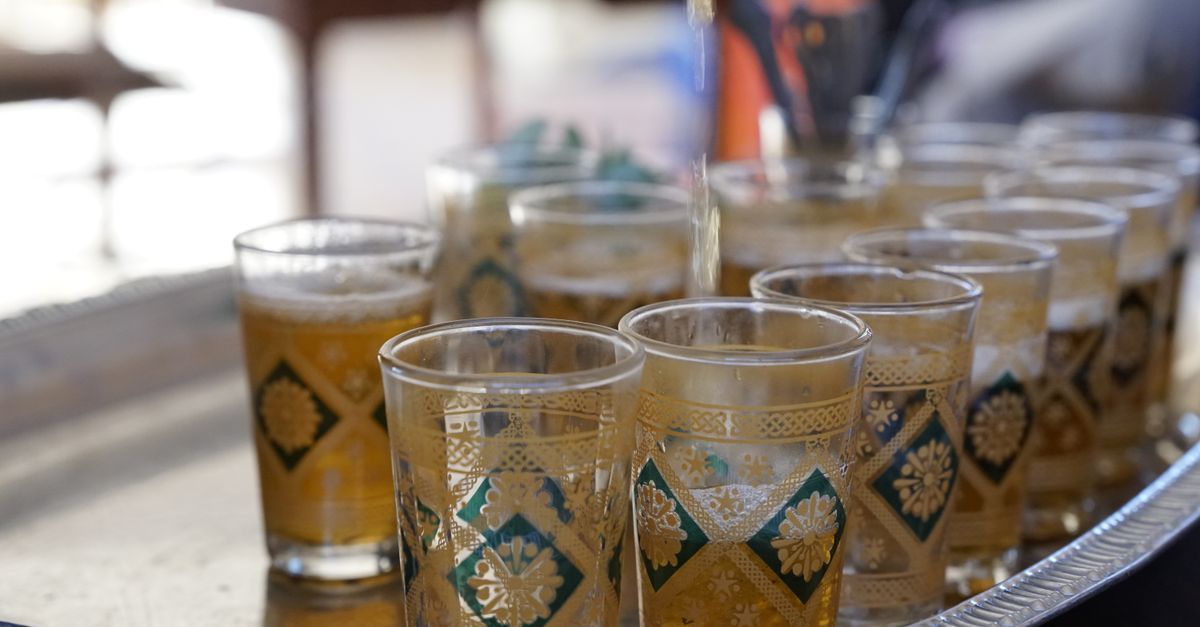
I personally like this kind of setting because it feels less formal. You can sit down, order a glass of mint tea, and simply listen for a while instead of planning your whole evening around a concert.
- What to expect: Usually a relaxed atmosphere with guembri, qraqeb, singing, and a small audience sitting nearby.
- Cost: Access may be included with a drink, depending on the venue. If musicians are performing for tips, leaving something in the collection bowl is a simple way to support them.
2. Private Lila Ceremonies
A traditional Lila is something completely different from a short performance in a tourist café. It is a spiritual ceremony that can take place in a private home or a religious and community setting, sometimes continuing late into the night.
These ceremonies should not be treated like tourist entertainment. If you happen to know someone locally and receive a genuine invitation, follow their guidance and treat the occasion with respect.
- Practical note: Never try to enter a private Lila without an invitation. If you are invited, dress modestly, avoid flash photography, and understand that the ceremony may continue for many hours.
3. Street Musicians Around Place Moulay Hassan and Bab Sbaa
You may also see musicians performing outdoors around busy parts of the medina. These performances can be short and informal, and they are often aimed at people passing by.
- My tip: If you want a close photo or video, ask first. It only takes a moment, and it is much more respectful than putting a camera directly in someone's face. If you stop to watch, a small tip is also appreciated.
The Gnaoua and World Music Festival
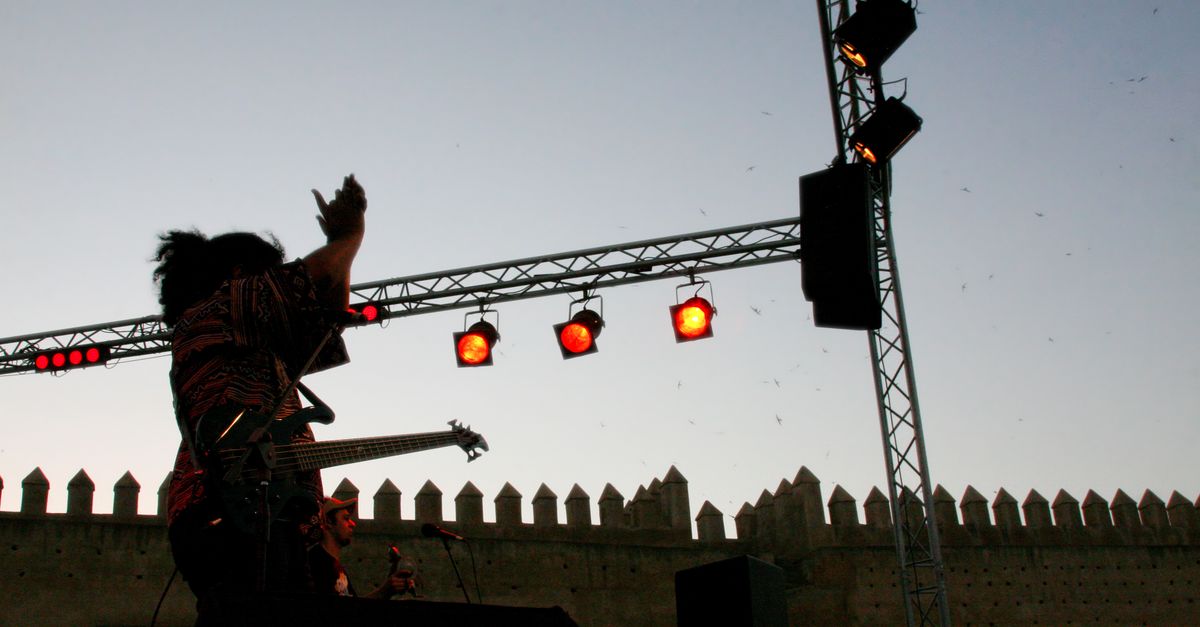
If you really want to see Essaouira filled with music, the Gnaoua and World Music Festival is the obvious time to visit. The Festival Gnaoua et Musiques du Monde started in 1998 and has become one of the city's major cultural events.
What makes the festival interesting to me is the mixture of traditional Gnawa with other musical styles. You can hear Moroccan Maâlems performing alongside international musicians from jazz, blues, rock, and world music. The collaborations can sound very different from a traditional Gnawa performance, but they also show how flexible the music has become.
What the Festival Is Like
- Stages: Large outdoor performances are held in central parts of Essaouira, including around Place Moulay Hassan and the beach. Smaller venues and cultural spaces can offer more intimate performances.
- Cost: Many of the main outdoor concerts are free to attend, while some smaller or indoor events may require tickets.
- Crowds: This is the part you really need to prepare for. Essaouira becomes much busier during the festival, and accommodation can become difficult to find if you leave your booking until the last minute.
My Festival Planning Tips
- Book early: If you know you want to attend the festival, I would arrange accommodation well ahead of time. Staying close to the medina makes moving between performances much easier.
- Bring something warm: Do not let the summer calendar fool you. Essaouira can be surprisingly windy in the evening. A light jacket or sweater is useful when you are standing outside listening to music at night.
- Mix things up: I would not spend the whole evening at one stage. Watch a large outdoor performance, walk through the medina, and then look for a smaller performance later. The contrast is part of the experience.
A Few Things to Know Before Watching Gnawa Performances
Gnawa is fun to listen to, but it is also connected to a deeper spiritual and cultural tradition. A little respect goes a long way, especially when you are watching musicians in a small or traditional setting.
- Give the Maâlem space: The Maâlem is the central musician in the performance. Try not to interrupt the music, talk loudly beside the musicians, or step over instruments placed on the ground.
- Ask before taking photos: This is especially important when you are close to the musicians. A quick photo request is much better than assuming it is okay.
- Support the musicians: If a performance is based on tips, leave something when you can. Buying music or other work directly from artists can also be a way of supporting them.
- Dress appropriately: If you are visiting a traditional cultural or spiritual setting, modest clothing is the safer choice. It also helps you blend into the environment rather than treating the place like a stage built only for tourists.
What to Eat Between the Music
Of course, I cannot talk about spending time in Essaouira without mentioning food. The easiest way to fill a day here is to listen to some music, walk around the medina, stop for food, and then end up listening to more music again.
- Seafood Tagine: Being a coastal city, Essaouira has plenty of seafood. Fish cooked with chermoula, tomatoes, preserved lemon, and local spices is a good choice when you want a proper meal.
- Fresh Grilled Sardines: These are one of the foods I would look for around the port. The sardines are grilled simply and usually eaten with bread, making them an easy lunch or afternoon meal.
- Argan Oil and Amlou: Essaouira is surrounded by the Moroccan argan-growing region, so you will see argan oil and amlou in many places. Amlou, made with almonds, roasted argan oil, and honey, is especially good with bread and tea.
Other Places Worth Visiting in Essaouira
- Essaouira Medina Ramparts (Skala de la Ville): The old ramparts are one of the places I would definitely include in a visit. You get views over the Atlantic, old stone walls, and plenty of opportunities for photos. The wind can be strong, especially later in the day, so keep that in mind.
- Place Moulay Hassan: This is one of the easiest places to sit and watch the city move around you. It connects the port area with the medina and can become especially lively in the afternoon and evening.
My Practical Checklist for a Gnawa Trip
- Best time to visit: May to September can be pleasant for exploring the coast. June is especially interesting if your trip coincides with the main festival. For a quieter experience, spring or autumn can feel more relaxed.
- Getting there: Buses connect Essaouira with cities such as Marrakech, and grand taxis are another option depending on where you are coming from.
- Cash: I would keep some small Moroccan dirham notes with me. They are useful for tips, small purchases, cafés, and street performances.
- How long to stay: Two or three days gives you enough time to explore the medina, visit the port and ramparts, eat local food, and leave some time for finding live music instead of rushing from one attraction to another.
Final Thoughts
For me, Gnawa music is one of the things that gives Essaouira its particular atmosphere. You can hear the same basic instruments in very different situations, from a small group playing in a café to a huge festival crowd watching a Maâlem on stage.
But the most important thing is remembering that Gnawa is more than entertainment. It comes from a long history and has spiritual and cultural meaning for the communities that have kept it alive.
So if you visit Essaouira, take your time. Listen before reaching for your camera, talk to people when the moment feels right, support the musicians, and let yourself wander through the medina. Sometimes the best musical experience is the one you did not plan to find.
