
When I visited Al Hoceima, I wanted to experience more than its beaches and Mediterranean views. I was also interested in the food, especially seafood, because fishing is closely connected to life in this part of northern Morocco.
What made the experience interesting was the relationship between the city, the Mediterranean, and the food on the table. Instead of treating seafood as just another restaurant choice, I paid attention to the fishing side of the city, the dishes available, and the way people choose what to eat.
This guide is about that side of Al Hoceima: what seafood to look for, which Moroccan preparations are worth considering, where to start your search, and how to make a better choice when the day's selection changes.

- My seafood experience in Al Hoceima
- The fishing side of the city
- What seafood to look for
- Seafood dishes worth trying
- How to choose seafood
- Where to look for seafood
- The connection between food and the coast
- What to know when eating seafood
- When to visit
- Getting around Al Hoceima
- Practical seafood tips
- Exploring beyond the city
- My final impression
My seafood experience in Al Hoceima
Seafood became one of the easiest ways for me to understand a different side of Al Hoceima. The city sits between the Rif Mountains and the Mediterranean, so the sea is not simply a background for photographs. It is part of the setting in which people live, work, and eat.
I was more interested in simple seafood than in finding an expensive restaurant. Seeing the fishing activity, looking at what was available, and then choosing a dish made the meal feel connected to the place rather than separate from it.
That is also why I think seafood works well as part of a visit to Al Hoceima. You can combine a meal with time along the coast instead of treating food as a quick stop between other activities.
The fishing side of the city
The fishing side of Al Hoceima gives useful context to the seafood you find in the city. The boats, the port activity, and the movement around the coastal areas make it easier to see that fishing is part of the local economy and daily environment.
For a visitor interested in food, I think it is worth spending some time around the coastal areas before choosing a meal. You do not need a formal tour to appreciate this side of the city. Simply seeing the boats and the relationship between the city and the sea changes the way you look at the seafood afterwards.
This was one of the parts I found more interesting than simply reading a list of seafood restaurants. The food makes more sense when you have seen something of the environment it comes from.
What seafood to look for
The selection of seafood can change, so I would not plan a meal around one particular fish before arriving. What is available depends on the restaurant and the day's selection.
Sardines, grilled fish, squid, shrimp, and other seafood are among the types of food visitors may come across. Some restaurants may offer a broader selection, while smaller places may work more closely with what is available that day.
Sardines are especially natural to look for in a coastal Moroccan city. They are already a familiar part of Moroccan food, but eating them in Al Hoceima places that familiar dish in a setting where the Mediterranean and fishing activity are much more visible.
Rather than looking for the longest possible seafood menu, I would pay more attention to freshness and availability. A smaller selection can be perfectly useful if it reflects what the kitchen actually has that day.
Seafood dishes worth trying
You do not need an elaborate seafood meal to experience this part of Al Hoceima's food culture. Several simple preparations can give you a good introduction.
Grilled sardines
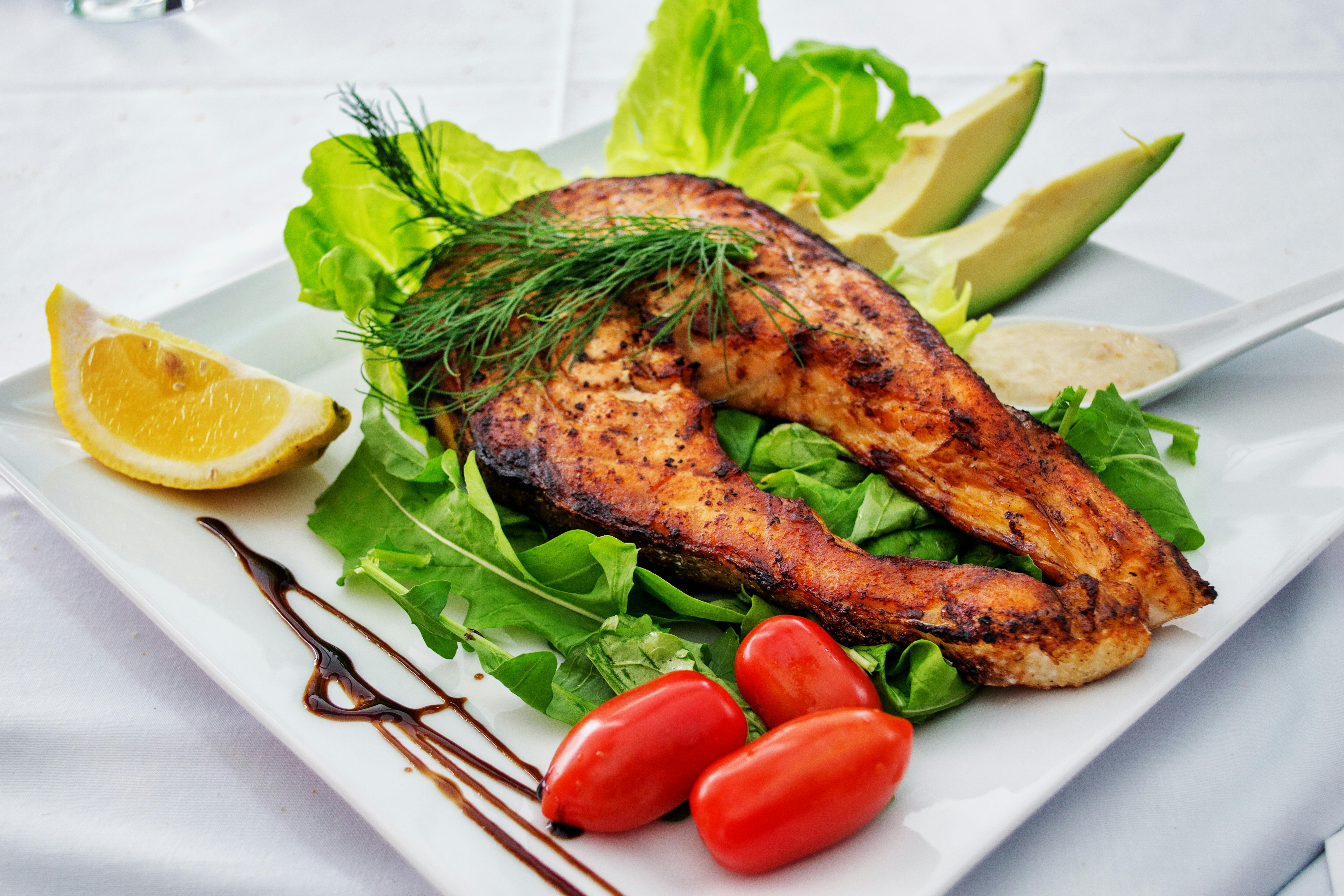
Grilled sardines would be one of my first choices. They are familiar throughout Morocco, and grilling keeps the preparation relatively simple so the fish remains the main part of the meal.
If you prefer straightforward food rather than heavily prepared dishes, sardines are an easy place to start.
Grilled fish
Another option is to ask what fish is available for grilling. This is more useful than deciding on a particular species before arriving because the selection can change.
Asking what is fresh also gives you a better idea of what the restaurant actually has that day rather than relying on an old menu or a general description online.
Fish tagine
Fish can also be prepared as a Moroccan tagine with vegetables, spices, and a flavorful sauce. This gives you a different experience from grilled fish because the Moroccan cooking style becomes a larger part of the dish.
A fish tagine is worth considering if you want the seafood meal to feel more closely connected to traditional Moroccan cooking.
Fried squid and shrimp
Squid and shrimp may also be served fried. This is a straightforward option when you want seafood without ordering a large or complicated meal.
The preparation can be simple, which makes it useful for a casual meal near the coast.
Seafood pastilla
Seafood pastilla is another dish to look for when it is available. Pastilla is well known in Moroccan cuisine, while the seafood version gives it a different character from the more familiar sweet and savory preparations.
I would treat this as an occasional option rather than something to expect on every menu, since availability depends on the restaurant.
Seafood soup
Seafood soup can also appear on a menu depending on the day's selection. It can be a good choice if you want something lighter than a large grilled or fried seafood meal.
How to choose seafood
The most useful approach I found is not to decide everything before arriving. Seafood is different from food that can be expected to remain identical from one day to another.
Ask what is fresh today. That simple question can tell you more than a general online menu because the available selection may have changed.
If you do not recognize a fish or preparation, ask what it is and how it is cooked. This is especially useful when the menu is short or when several types of seafood are available without much explanation.
I would also look at what local customers are ordering. It is not a guarantee that a restaurant will be perfect, but it can give you a useful indication of what people are choosing from the day's selection.
If seafood is sold by weight, check the price before ordering. This is a small detail that can prevent an unpleasant surprise when the bill arrives.
Where to look for seafood

I would begin around the fishing port and the coastal parts of Al Hoceima. The idea is not that every restaurant in these areas will be better, but that starting there keeps the food experience connected to the coastal side of the city.
The corniche and areas around Quemado Beach can also be useful places to explore if you want to combine a meal with time beside the Mediterranean.
I would not choose a restaurant only because it appears high on a tourist list. Look at what is being served that day, check prices, and notice whether the menu makes sense for the type of seafood you want.
The restaurant closest to the water is not automatically the best choice either. The location is part of the experience, but the actual food, availability, price, and atmosphere still matter.
The connection between food and the coast
The strongest part of the experience for me was the connection between the food and the landscape.
The Mediterranean is directly connected to the city, while the Rif Mountains create a very different landscape behind it. This combination gives Al Hoceima a character that is noticeably different from Morocco's major inland destinations.
Once you have spent time near the coast and seen the fishing activity, a plate of grilled fish feels less like an isolated restaurant dish. It becomes part of a larger picture involving the sea, the city, and the people who depend on the coastal environment.
That is one reason food can be such a useful way to explore Morocco. A meal does not replace the historical or natural attractions, but it can give you another way to understand everyday life in a destination.
What to know when eating seafood
Seafood meals in Morocco can be relaxed and social. Depending on the restaurant and the dish, food may be shared at the table rather than treated as a completely individual experience.
If you are eating grilled fish or another dish with your hands, there is no need to rush. Take your time and follow the style of people around you if you are unsure.
Do not hesitate to ask questions. If a fish is unfamiliar or you are unsure how a dish is prepared, asking before ordering is much easier than discovering afterwards that it is not what you expected.
There is also no need to choose the most expensive item simply because you are visiting a coastal destination. A simple seafood dish can be enough when the ingredients and preparation are good.
When to visit Al Hoceima
Al Hoceima is particularly attractive when you want to combine food with time beside the Mediterranean. Warmer months make it easier to enjoy beaches, coastal walks, viewpoints, and outdoor time.
If food and local life are your main interests, however, you do not need to organize the entire visit around beach activities. Leave time for walking around the city and exploring the coastal areas as well.
Weather and seasonal activity can affect your plans, so it is sensible to check local conditions shortly before travelling.
Getting around Al Hoceima

For exploring the city itself, I would combine walking with local transport when necessary.
The coastal areas, beaches, viewpoints, and places outside the centre are not all within the same walking area. If you want to explore beyond the centre, some flexibility with transport makes the visit easier.
For destinations outside the city, especially coastal spots, check the current transport situation locally rather than relying completely on older information found online.
Practical seafood tips
- Ask what is fresh that day. The available seafood can change, so the day's selection may be more useful than an old online menu.
- Ask the price before ordering. This is particularly important when fish or seafood is sold by weight.
- Look at what local customers are ordering. It can give you an idea of what is popular and available that day.
- Do not expect every dish to be available every day. Seafood menus can depend on the day's supply.
- Keep some cash with you. Smaller local establishments may not always offer the same payment options as larger businesses.
- Ask if you are unsure. If you do not recognize a fish or dish, ask what it is and how it is prepared before ordering.
- Take your time. A seafood meal can be part of the visit rather than something to finish quickly between attractions.
Exploring beyond the city
I would not plan an Al Hoceima trip entirely around the city centre. The wider Rif coastline and surrounding landscape are an important part of understanding the destination.
Al Hoceima National Park is an important part of the surrounding environment and gives visitors the opportunity to experience more of the coast and natural landscape.
Cala Iris is another coastal destination to consider if you want to see a different section of the Rif coastline.
Bades and the Torres de Alcalá add historical and coastal interest to the wider area, while Ajdir and Tala Youssef offer additional places to explore around Al Hoceima.
Combining these places with the city makes the food experience feel less isolated. The seafood is one part of a wider landscape made up of the Mediterranean, the Rif Mountains, coastal communities, and fishing activity.
My final impression
What I enjoyed about Al Hoceima seafood was its connection to the place. I was not looking for the most luxurious restaurant or the most complicated dish. The more interesting part was seeing the fishing side of the city and then choosing food within that coastal setting.
Grilled sardines, fresh fish, tagines, squid, shrimp, and other seafood can each give you a different experience, but the best choice may simply be whatever is fresh and available when you arrive.
If you are visiting Al Hoceima, leave some time for the food itself. Walk around the coastal areas, pay attention to the fishing activity, ask what is fresh, check prices before ordering, and choose a dish based on what is actually available rather than what you expected to find.
For me, that is what makes the seafood experience worthwhile. The meal becomes more meaningful when it is experienced together with the Mediterranean coast, the Rif landscape, and the everyday life of Al Hoceima.
