
As morning mist settles over the Rif Mountains and cool air washes through the winding alleys of Tangier, Chefchaouen, and Tetouan, small eateries begin lighting their burners well before dawn. Large aluminum cauldrons and clay pots simmer with a golden, velvety puree that feeds workers, students, shopkeepers, and early travelers alike. This is bessara (often spelled bissara or bisara), a humble yet deeply revered dish that forms the backbone of northern Moroccan breakfast culture.
Far from a delicate hotel buffet item, bessara is working-class soul food. Made primarily from dried fava beans (or green split peas), garlic, and water, its magic emerges when it is poured piping hot into heavy earthenware bowls and drowned in local extra virgin olive oil, ground cumin, and sharp cayenne pepper. Eaten by dipping warm, crusty khobz directly into the shared bowl, partaking in a morning bowl of bessara is an essential cultural experience for anyone visiting Northern Morocco.
What Is Bessara? Ingredients, Texture, and Simplicity
At its core, bessara relies on extreme culinary simplicity. While Moroccan cuisine is internationally famous for complex tagines scented with ras el hanout, saffron, and preserved lemons, bessara demonstrates the genius of rural Moroccan cooking: taking a single basic crop and elevating it through technique and high-quality garnishes.
Core Ingredients
- Dried Peeled Fava Beans (Foul Knas): The traditional base across the north. Fava beans are shelled, dried, and split before slow-cooking until completely broken down.
- Dried Green Split Peas (Jlbana): Commonly used in central parts of the country or mixed with fava beans to add sweetness and a vibrant greenish hue.
- Garlic: Generous heads of fresh garlic are boiled alongside the legumes until soft, providing an aromatic backbone.
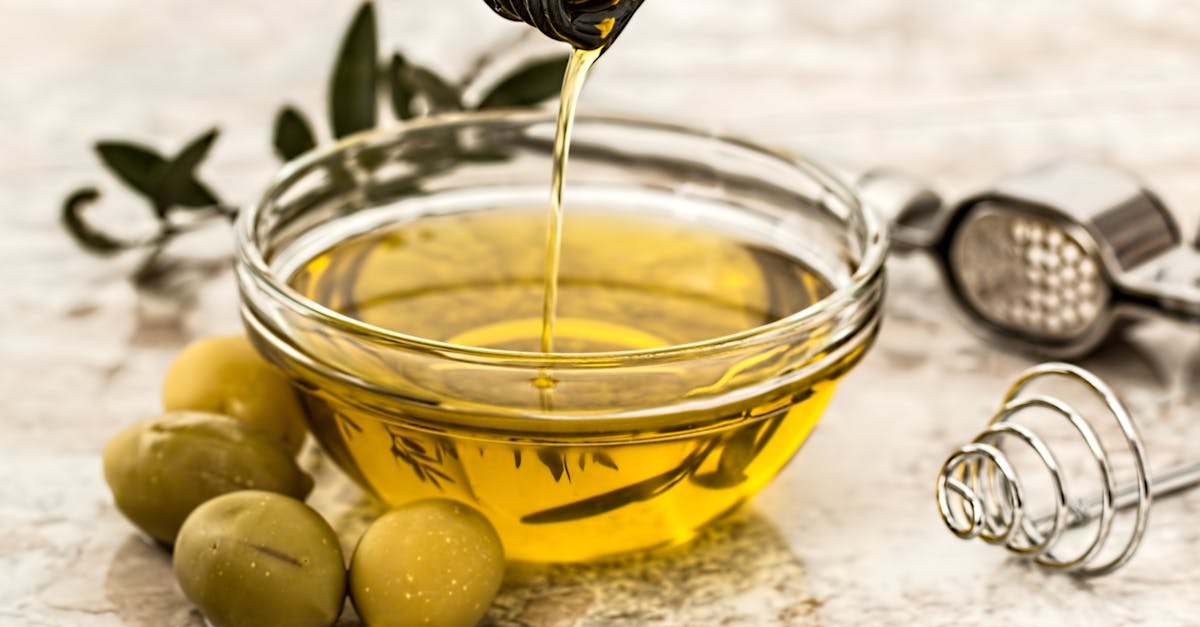
- Extra Virgin Olive Oil (Zeit Zitoun): Essential and non-negotiable. The dish is unfinished without a heavy pool of freshly pressed, peppery olive oil on top.
- Ground Cumin (Kamoun): Added heavily at serving to aid digestion and lend an earthy aroma.
- Chili Powder or Cayenne (Sudaniya): Added according to personal taste for warmth and kick.
The texture of bessara can range from a pourable thick soup to a velvety, spoonable puree. In the north, it is almost always served thick enough to coat a torn piece of round Moroccan flatbread without dripping off immediately.
The Morning Ritual: How and When Bessara Is Eaten
While Western breakfast culture often leans sweet, bessara is intensely savory, hearty, and functional. It is designed to sustain manual laborers and mountain dwellers through long, physically demanding mornings.

The Daily Rhythm
Dedicated bessara stalls (often simple storefronts) open early in the morning. A cook oversees a massive pot, continuously stirring with a wooden paddle. By late morning, the pot is usually empty, and the shop closes or transitions to afternoon options. It is traditionally a morning fare, though consumed on cold winter evenings in rural villages as well.
The Table Setup
Order a bowl of bessara at a local spot, and the process is remarkably quick. The cook ladles the soup into an earthenware bowl (zlafa). With a decisive motion, they pour a generous swirl of raw olive oil over the top, then dust ground cumin and red chili pepper over the surface. It comes served with:
- A portion of freshly baked Moroccan bread (khobz).
- Extra olive oil, cumin, or chili for self-adjusting.
- Sometimes a side of raw red onions or olives.
- A glass of hot mint tea or green tea.
Fava Beans vs. Split Peas: Regional Variations Across Morocco
While travelers will find versions of bean soup across North Africa, Morocco’s regional variations in bessara are notable.

Northern Style (Tangier, Tetouan, Chefchaouen)
In the north, fava beans reign supreme. Northern olive oil from the Ouezzane and Rif regions is renowned for its pungent character, which complements the starch of the fava beans. Northern bessara is smooth, pale golden-brown, and traditionally whipped to achieve a silky consistency.
Central and Inland Style (Fes, Meknes, Marrakech)
Further south, cooks frequently use green split peas or a blend of fava beans and split peas. The resulting dish is bright green, slightly sweeter, and sometimes slightly thinner in texture.

Where to Experience Authentic Bessara in Northern Morocco
Visitors can find authentic bessara across medina markets and street corners in northern cities.
- Tangier Medina: Small breakfast stalls near the Grand Socco and Petit Socco serve bowls early in the morning to shopkeepers and dockworkers.
- Chefchaouen: The blue medina features small eateries tucked into side alleys serving hot bowls of fava bean soup to travelers and locals alike.
- Tetouan: Around Bab El Oqla, traditional eateries serve worker-focused morning meals featuring local olive oil from the surrounding Rif valley.
Etiquette, Culture, and Practical Tips for Travelers
Eating bessara alongside locals in a morning eatery is an engaging cultural experience in Northern Morocco.
Dining Etiquette
- Eat with the Right Hand: As with traditional dip-based dining in Morocco, tear bread and dip using your right hand.
- The Bread Technique: Tear a bite-sized piece of khobz and use it to pinch a mouthful of soup along with a pool of olive oil and spice from the surface.
- Communal Vibe: Bessara stalls feature simple seating where diners sit close together. A polite greeting when joining a shared table is customary.
