
There is a different rhythm to food in northern Morocco. Along the Mediterranean coast, meals are closely tied to what has come in from the sea that morning, and the atmosphere feels very different from the slow-cooked meat dishes associated with Morocco's inland cities.
Around Tetouan, Martil, M'diq and Cabo Negro, seafood is part of ordinary coastal life. Fish markets become busy early in the day, small restaurants cook simple dishes without much fuss, and grilled sardines or fried fish can be as much a part of a day by the sea as a walk along the promenade.
What makes this area especially interesting for a traveler is that you do not need to look for a formal culinary experience. Some of the best moments come from watching the daily seafood trade, choosing a simple plate of freshly cooked fish, and sitting down with bread, lemon and Moroccan salads while the coast carries on around you.
Where Seafood Becomes Part of Everyday Life
Tetouan is a useful starting point because it connects the Mediterranean coast with the food culture of the Rif region. Its medina has traditional food markets and small places where seafood appears alongside the other ingredients used in northern Moroccan cooking.
Then there is Martil, where the relationship with the sea is much more visible. The beach, promenade and fishing activity give the town a more relaxed coastal character, and seafood is easy to find in casual restaurants and informal places serving fish throughout the day.
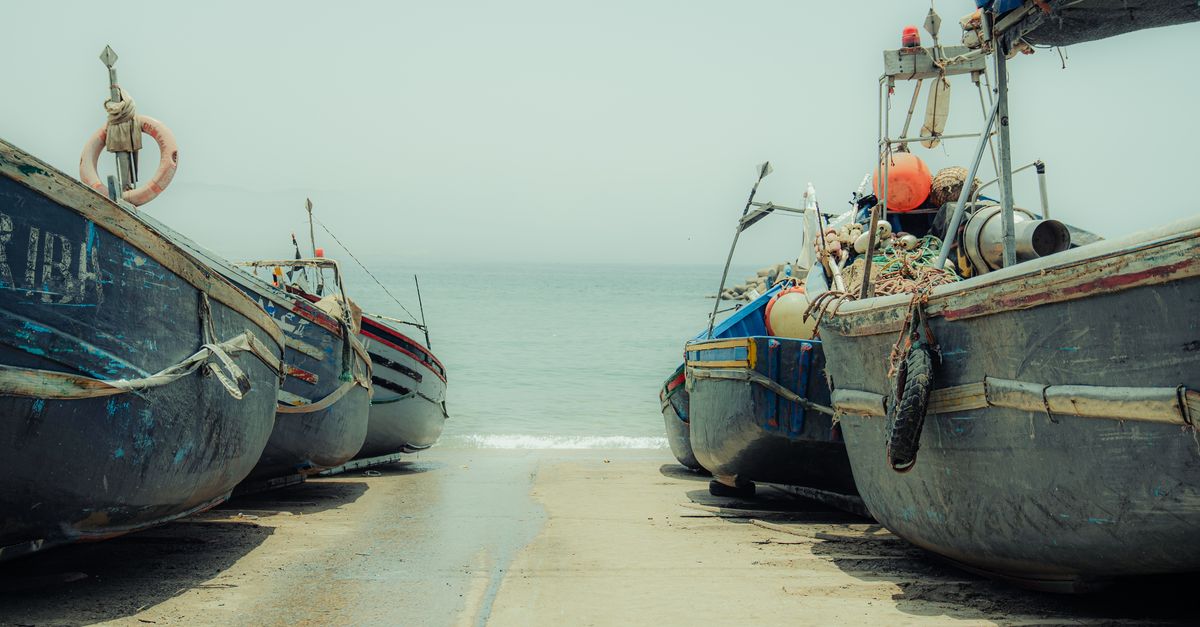
M'diq adds another side of the experience. Its port is closely connected with fishing, so visiting the harbor gives you a chance to see the working side of the seafood trade rather than only the finished meal. Cabo Negro, meanwhile, completes the coastal circuit with beaches and views over the Mediterranean.
These places work well together because they show different parts of the same food culture: the market, the fishing port, the seaside meal and the traditional kitchen.
What to Eat on the Northern Coast
The seafood here does not need complicated presentation. Fresh fish, herbs, olive oil, lemon and a good grill can be enough. Several dishes are particularly worth looking for.

Fish Tagine with Chermoula
Fish tagine is one of the clearest examples of how northern Moroccan cooking uses the ingredients around it. Firm white fish is combined with chermoula, a marinade built around herbs, garlic, cumin, paprika, olive oil and lemon.
The fish is usually accompanied by vegetables such as tomatoes, peppers and carrots. Unlike heavier meat tagines that can cook for a long time, fish versions are designed around the delicate texture of the seafood and the freshness of the herbs.
It is the kind of dish that works particularly well for lunch, whether in a traditional restaurant in Tetouan or a family-run place around Martil.
Fried Fish
For something simpler, look for mixed fried fish. Sardines, anchovies, calamari and other small fish may appear together on one plate, lightly coated and fried until crisp.
A squeeze of lemon changes the whole plate, while harissa adds heat for those who want it. This is casual food rather than a formal dining experience, which is part of its appeal.
Shrimp with Garlic and Spices
Shrimp dishes along the coast often bring together olive oil, garlic, paprika, tomato and fresh coriander. The combination has a Mediterranean feel while still fitting naturally into Moroccan cooking.
It can work as a starter or as a lighter meal when you want seafood without ordering a large mixed platter.
Grilled Sardines
Sardines are one of the most recognizable everyday fish in Morocco, and the northern coast is a natural place to try them close to where they are landed.
They are commonly grilled over charcoal and kept relatively simple, with salt, cumin and herbs providing most of the seasoning. Eating them fresh from the grill, with bread and lemon, is one of those uncomplicated meals that makes sense in a coastal town.
Three Ways to Experience Northern Moroccan Seafood

Start in Tetouan's Food Markets
A seafood market is useful even if you are not planning to buy anything. The important part is seeing how seafood fits into normal local shopping.
Morning is the better time to visit, when the day's catches are being handled and local shoppers are choosing what they will take home. Expect wet floors, narrow spaces and busy movement, so comfortable shoes are a much better choice than anything delicate.
You can combine a market visit with time in the medina, where seafood is only one part of a much wider food scene.
Have a Casual Seafood Meal in Martil
Martil is where the seafood experience becomes more relaxed. Around the promenade, informal restaurants and stalls offer fish that can be fried or grilled, often in a setting where the beach is only a short walk away.
Lunch is a natural time to go, although the atmosphere changes later in the day when the promenade becomes busier and people come out to walk along the coast.
If you are ordering from an informal stall, ask about the price before the fish is cooked. This is especially important when the price depends on weight or on the particular fish selected.
See the Working Port at M'diq
M'diq gives you a closer look at the working side of the coastal food chain. Fishing boats, nets and harbor activity make the setting quite different from a restaurant or beach promenade.
Late morning can be a useful time to see the port before sitting down for lunch nearby. The area is active, so it is worth keeping some distance from equipment, ropes and working vehicles rather than treating the harbor like a sightseeing set.
The experience is less polished than a restaurant meal, but that is exactly what makes it interesting. You are seeing the environment that supplies the food on the table.
What a Seafood Meal Feels Like

One of the nice things about eating seafood in northern Morocco is that the meal usually does not need much explanation. Bread arrives at the table, often with olives, harissa and small Moroccan salads such as zaalouk or taktouka. Then the fish becomes the center of the meal.
Fresh lemon is usually welcome with grilled or fried seafood, and bread is useful for picking up sauces and vegetables. In traditional settings, eating with the right hand is customary when sharing food.
After the meal, Moroccan mint tea may appear, especially in more traditional restaurants or family-run places. It is a reminder that even in a meal centered on Mediterranean seafood, the wider Moroccan food culture is still present.
The atmosphere is generally more important than making the meal complicated. A plate of grilled fish, fresh bread, lemon and a few salads can be enough for a satisfying lunch near the water.
Getting Around the Northern Coast
It is possible to connect Tetouan, Martil, Cabo Negro and M'diq during the same trip. Shared Grand Taxis are one of the common ways to move between these towns.
Grand Taxis generally operate from designated stands and can leave when the seats are filled. If you are unfamiliar with the system, it is worth checking the destination and fare before getting in. You can also pay for additional seats if you want more space.
For travelers who want to combine food with sightseeing, this coastal route works well because the distances between the main towns are manageable and each place offers a slightly different view of northern Moroccan life.
When to Go
Spring and autumn are comfortable periods for spending time along the northern coast, with pleasant weather for walking around markets, ports and seaside areas.
Summer is a different experience. Martil becomes much busier with domestic visitors, and the beaches and transport can feel crowded. At the same time, the extra activity gives the coastal towns a lively atmosphere, especially in the evening.
If your priority is quiet exploration, the shoulder seasons are easier. If you enjoy busy promenades and a stronger holiday atmosphere, summer has its own appeal.
A Few Things to Keep in Mind
- Check the price first: At informal seafood stalls, confirm whether the price is by kilogram, portion or plate before ordering.
- Look for busy places: A busy stall often means faster turnover, which is useful when choosing fresh seafood.
- Carry cash: Small seafood stalls and traditional eateries commonly deal in Moroccan dirhams rather than cards.
- Choose your water carefully: Bottled or properly filtered drinking water is the safer choice when traveling.
- Take care around ports: Working harbors contain equipment, ropes, nets and moving vehicles, so keep to safe areas.
The Appeal of Seafood in Northern Morocco
What makes the northern coast interesting is not simply the number of seafood dishes. It is the connection between the food and the place where you are eating it.
In Tetouan, seafood becomes part of the medina's wider food culture. In Martil, it belongs naturally beside the beach and evening promenade. In M'diq, you can see the fishing environment that supplies the restaurants.
That connection gives northern Moroccan seafood its character. You are not only looking for a famous dish; you are following a simple chain from the Mediterranean to the market, from the market to the kitchen, and finally to the table.
For a traveler interested in Moroccan food beyond the familiar tagines and couscous, that is perhaps the best reason to spend time around Tetouan and the nearby coast.
