
The slow simmer of a earthenware tagine is among the most evocative sounds and scents of North Africa. Across Morocco, from the high passes of the Atlas Mountains to the coastal medinas of Essawira and Tangier, the conical clay vessel is an omnipresent symbol of hospitality, family unity, and culinary mastery. Yet, the tagine is far more than a decorative piece of cookware; it is a living historical artifact that encapsulates millennia of cultural exchange, indigenous ingenuity, and trade along ancient Mediterranean routes.
Understanding the history of the tagine requires peeling back layers of North African history. It is a story where indigenous Amazigh (Berber) clay-pot techniques met Arab-Islamic trade networks, Andalusian refine, and regional agricultural abundance. Today, whether enjoyed at a roadside stall in the Dadès Valley or a fine dining establishment in Marrakech, the tagine remains the cornerstone of Moroccan culinary identity, bridging ancient nomadic survival strategies with modern global appreciation.

Ancient Roots: The Amazigh Earthenware Heritage
The origins of the tagine vessel trace back to the indigenous Amazigh peoples of North Africa. Long before written records documented specific recipes, rural communities utilized locally sourced riverbed clay to fashion resilient, fireproof cooking vessels. In arid and semi-arid environments where water and firewood were precious commodities, the design of the earthenware pot served an immediate practical purpose.
Early Amazigh pastoralists required a method of slow-cooking tough cuts of meat alongside gathered roots and wild herbs using minimal fuel. Earthenware provided low, steady heat conduction over embers of wood or dried dung. The heavy ceramic base retained heat long after being removed from direct flame, making it ideal for rural life and communal gatherings.
Historical references to portable, dome-topped stew pots appear across North Africa dating back to antiquity. Roman-era excavations across Roman Africa (modern Morocco and Tunisia) have yielded coarse redware earthenware vessels designed for slow stewing, demonstrating how regional clay cooking techniques were well-established long before the Middle Ages.
Historical Encounters: Arab, Andalusian, and Trade Routes Influence
While the physical vessel emerged from Amazigh clay craft, the sophisticated spice profiles and sweet-and-savory flavor combinations that define Moroccan tagines evolved through historical encounters between the 7th and 15th centuries.
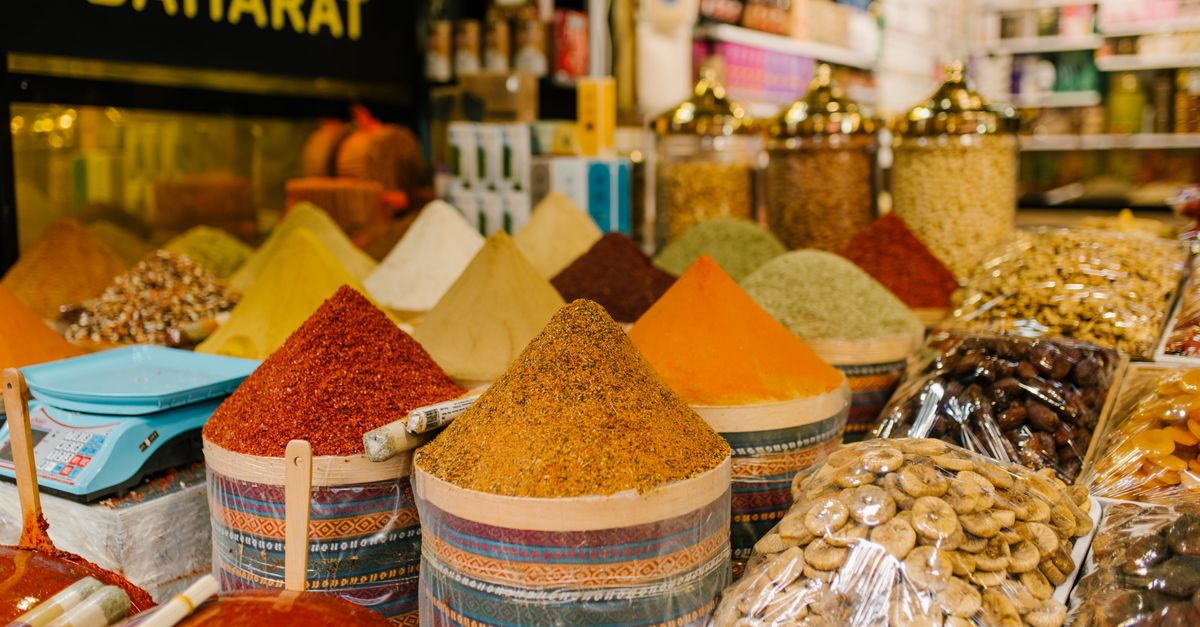
With the expansion of Arab trade routes in the 7th and 8th centuries, exotic spices from South Asia and the Middle East arrived in North African urban centers. Saffron, ginger, cinnamon, cumin, and black pepper transformed simple rural braises into aromatic stews. Later, the 9th-century Abbasid culinary traditions of Baghdad—which heavily featured fruit-and-meat pairings, such as lamb cooked with quinces, raisins, or dates—exerted a strong influence on North African court cuisine.
The fall of Al-Andalus (Moorish Spain) and the arrival of Andalusian refugees in Moroccan cities like Fes, Tetouan, and Rabat between the 13th and 17th centuries brought further refinement. Andalusian cooks introduced complex pickling techniques, the extensive use of citrus (such as preserved lemons), and refined floral waters (orange blossom and rose water). This blending of Amazigh ceramic techniques, Arab spices, and Andalusian balance created the classic tagine canon known today.

Anatomy of the Tagine: Ceramic Engineering and Culinary Craft
The word tagine (also spelled tajine) refers simultaneously to two distinct things: the two-part earthenware cooking dish and the slow-cooked stew prepared inside it. The vessel's unique design represents a remarkable piece of low-tech engineering specifically suited for water-conscious cooking.
The Science of the Conical Lid
A classic tagine consists of a wide, shallow circular base with low sides and a heavy, cone- or dome-shaped lid that rests snuggly on top. The top of the cone features a knob that serves as a handle and remains relatively cool during cooking.
When ingredients—meat, poultry, or fish alongside vegetables, herbs, and aromatics—are layered inside the base with minimal added liquid, heat from low coals heats the bottom plate. As steam rises from the cooking ingredients, it ascends into the cooler upper reaches of the cone. Moisture condenses on the interior walls of the ceramic lid and trickles continuously back down into the dish, self-basting the contents. This natural condensation cycle ensures that meats become tender without drying out, concentrated sauces form without scorching, and ingredients cook thoroughly in their own flavorful juices.
Unglazed vs. Glazed Clay
Traditional Moroccan cooks distinguish sharply between cooking tagines and serving tagines:
- Unglazed Clay (Heavy Red Clay): Favored by traditional cooks for active culinary use. Porous, raw clay absorbs heat evenly, withstands direct charcoal embers, and over time acquires a seasoned quality that imparts a subtle earthy aroma to dishes.
- Glazed Ceramic: Often adorned with intricate hand-painted geometric or floral designs (typical of Safi or Salé pottery). Highly decorative glazed pieces are primarily used for serving finished meals or light cooking over very gentle heat, as high thermal shock can crack thick glaze coatings.

Regional Variations Across Morocco
Moroccan tagine cooking is far from monolithic; distinct regional microclimates, local agriculture, and historical influences dictate what enters the pot.
1. The Central & Imperial Cities (Fes, Meknes, Marrakech)
In the historic imperial centers, tagines lean heavily into complex sweet-and-savory contrasts. Slow-simmered lamb or beef is paired with caramelized prunes, dried figs, or toasted almonds, finished with a pinch of cinnamon, saffron, and orange blossom water (such as the classic Tagine M'hassel). Poultry tagines here frequently feature tender chicken slow-cooked with preserved lemons, cracked green olives, and ginger (Chicken Dagaj bil Hamd Marqa).
2. The Coastal North & Atlantic Ports (Tangier, Essaouira, Safi)
Along Morocco’s extensive coastline, red meat takes a back seat to fresh seafood. The northern regional signature is built upon charmoula—a fragrant marinade of chopped fresh cilantro, parsley, garlic, cumin, paprika, lemon juice, and olive oil. Coastal fish tagines (Tagine de Poisson) feature firm ocean species such as sea bass, swordfish, or monkfish layered over thin slices of potatoes, sweet bell peppers, and fresh tomatoes, yielding a bright, aromatic Mediterranean stew.
3. The High Atlas & Southern Oases
In mountain Amazigh communities, tagines reflect rugged terrain and seasonal availability. Root vegetables, turnip greens, wild mountain herbs (such as wild oregano and thyme), and lean mountain goat or mutton are common. Southern oasis towns near Zagora or Erfoud frequently incorporate fresh local dates and sun-dried meat, slow-simmered over low fires for hours
Cultural Context, Etiquette, and the Communal Table
In Moroccan culture, dining around a tagine is an inherently communal act that reinforces family ties, hospitality toward guests, and social cohesion. The tagine vessel is placed directly in the center of the table, served piping hot on a round trivet.
Communal Dining Customs
- Bread as Cutlery: Western utensils like forks and knives are rarely used for a traditional tagine meal. Instead, diners break off small pieces of warm, round flatbread (khobz) to pinch pieces of meat, vegetables, and sauce. Bread is held primarily using the right hand in accordance with traditional etiquette.
- Respecting the Triangle: Diners eat exclusively from the triangular wedge of the dish directly in front of them. The host or head of the household will typically push choice pieces of meat or delicate vegetables toward guests as a gesture of respect and hospitality.
- The Mint Tea Finale: No tagine meal concludes without the traditional service of atay binanae—fresh green gunpowder tea steeped with mint and generously sweetened, poured from height into small glass cups.
Practical Guide: Where to Experience and Learn Tagine Traditions
For visitors traveling to Morocco, exploring tagine traditions ranges from sampling street-side clay-pot braises to participating in hands-on cooking workshops.
1. Sampling Tagines in Local Settings
- Roadside Stalls and Small Cafes: Some of the most authentic tagines in Morocco are served at modest, unpretentious roadside stops along highway passes (such as the Tizi n'Tichka pass between Marrakech and Ouarzazate) or outside town markets. Look for rows of unglazed clay pots simmering over glowing charcoal braziers (majoun).
- Medina Fondouks and Local Eateries: Inside historical medinas, modest family-run eateries tucked off main market lanes often specialize in a single daily tagine based on morning market availability.
2. Hands-on Cooking Classes and Culinary Workshops
Enrolling in a half-day culinary workshop offers deep insights into the spice balance, heat control, and layering techniques required for authentic tagines:
- Marrakech & Fes Culinary Schools: Numerous workshop providers operate out of historic riads, combining morning market trips to select fresh produce, herbs, and spices with hands-on cooking over traditional braziers.
- Practical Details: Most half-day workshops run 3 to 4 hours, cost between 350 MAD and 700 MAD ($35–$70 USD equivalent), and are suitable for beginner cooks and families. Advance booking online or through lodging hosts is recommended during peak travel seasons (spring and autumn).
3. Buying and Caring for an Earthenware Tagine
If purchasing a traditional tagine pot as a culinary souvenir, consider these practical tips:
- Verify Purpose: Confirm with the artisan or vendor whether the vessel is meant for active stove-top cooking or decorative serving only. Decorative pieces often feature lead-based glazes unsuitable for high heat.
- Seasoning Unglazed Clay: Before initial cooking use, an unglazed clay tagine must be soaked completely in fresh water for 12 to 24 hours, dried thoroughly, rubbed completely with olive oil inside and out, and baked in a low oven for 1 to 2 hours. This process strengthens the clay and prevents cracking.
- Heat Management: Never place a cold clay tagine directly on high heat or heat diffusers without a protective metal flame-tamer plate beneath it on gas stoves. Always heat clay gradually over low flame or embers.
Summary: The Enduring Legacy of the Tagine
From its humble origins as an ancient Amazigh survival vessel designed for arid landscapes to its place today on international tables, the Moroccan tagine remains an extraordinary testament to culinary continuity. Its enduring popularity relies on simple, effective design principles that turn modest ingredients into complex, comforting meals. To sit around a warm tagine, tearing off fresh bread to share a central meal, is to participate in a culinary ritual refined over centuries—a timeless taste of North African heritage.
