
In Morocco, bread is far more than a simple staple food; it is a sacred symbol of life, community, and hospitality. Known locally as khobz, this humble round loaf anchors every meal, acting simultaneously as food, utensil, and cultural touchstone. Across the medinas of Fez, Marrakech, and Rabat, the scent of toasted wheat and woodsmoke wafts through narrow alleyways long before sunrise, signaling the daily rhythm of communal baking that has endured for centuries.
For travelers exploring Morocco, understanding the story of bread offers an intimate window into the country's domestic life and ancient grain traditions. From rural Berber homes high in the Atlas Mountains to neighborhood wood-fired ovens tucked away in urban medinas, bread connects people across geography, economic standing, and generations. To break bread in Morocco is to be welcomed into a story deeply rooted in faith, practical resourcefulness, and unmatched culinary pride.

The Sacred Daily Staple: Understanding Khobz
In Moroccan Arabic (Darija), bread is rarely referred to merely as food; it is often called 'aish in broader Arab contexts, meaning "life." In Morocco, khobz carries an almost spiritual reverence. Wasting bread is strictly taboo across all social strata. If a piece of bread accidentally falls to the floor, it is custom to pick it up, kiss it gently, and place it out of harm's way, such as on a high ledge or ledge wall, so that animals may eat it rather than having it stepped on.
Traditionally, Moroccan homes prepare their own dough every morning. Kneading bread—often made from a blend of hard durum wheat flour (smida), fine white flour, or barley—is considered a fundamental domestic art passed down from mothers to daughters. The dough is thoroughly kneaded in a wide, shallow terracotta basin called a gsa'a, formed into flat circular discs, and pricked with a fork or toothpicks before baking. The resulting loaf has a tight, chewy crumb and a rustic crust designed specifically to soak up rich sauces, tagines, and oils without dissolving.
Inside the Ferran: The Heart of the Neighborhood Bakery
While modern electrical ovens are increasingly common in contemporary apartments, the traditional communal oven—the ferran—remains a vibrant cornerstone of quarter life in historical Moroccan cities. Historically, most homes lacked their own baking ovens due to space restrictions and the cost of firewood. The solution was a shared neighborhood wood-fired oven run by a master baker (the ferrani).
Every morning, children or family members carry wooden boards covered with a clean cloth bearing their home's raw dough discs to the local ferran. Each family marks their loaves with a unique symbol—a specific pattern of cuts, a stamp, or a distinct prick pattern—so the baker can identify whose loaf belongs to whom among hundreds of rising discs. The baker uses a long-handled wooden paddle (matraak) to place the bread onto the floor of the massive, domed stone oven heated by olive wood, sawdust, or eucalyptus bark.
Visiting a working ferran is one of the most rewarding sensory experiences in a medina. For a nominal fee—usually just 1 to 2 Moroccan dirhams per loaf—the ferrani bakes the bread to golden perfection. Beyond baking, the ferran serves as a social newshub where neighbors exchange greetings and news while waiting for their hot loaves.

Varieties of Moroccan Bread: Beyond the Standard Round Loaf
While standard round khobz is omnipresent, Morocco boasts an incredible diversity of regional and specialized flatbreads, pancakes, and pan-fried breads, each served at specific times of day or during particular cultural celebrations.
Msemen and Rghaif
Msemen (sometimes called rghaif when folded into squares) is a rich, laminated flatbread created by rolling thin dough slathered with butter, oil, and fine semolina, then folding it into square envelopes before pan-frying on a heavy cast-iron griddle. Crisp and flaky on the outside with soft layers inside, it is a morning and mid-afternoon teatime favorite. A savory variant, msemen m'chamech or mahchi, is stuffed with spiced minced meat, onions, and peppers.
Harcha
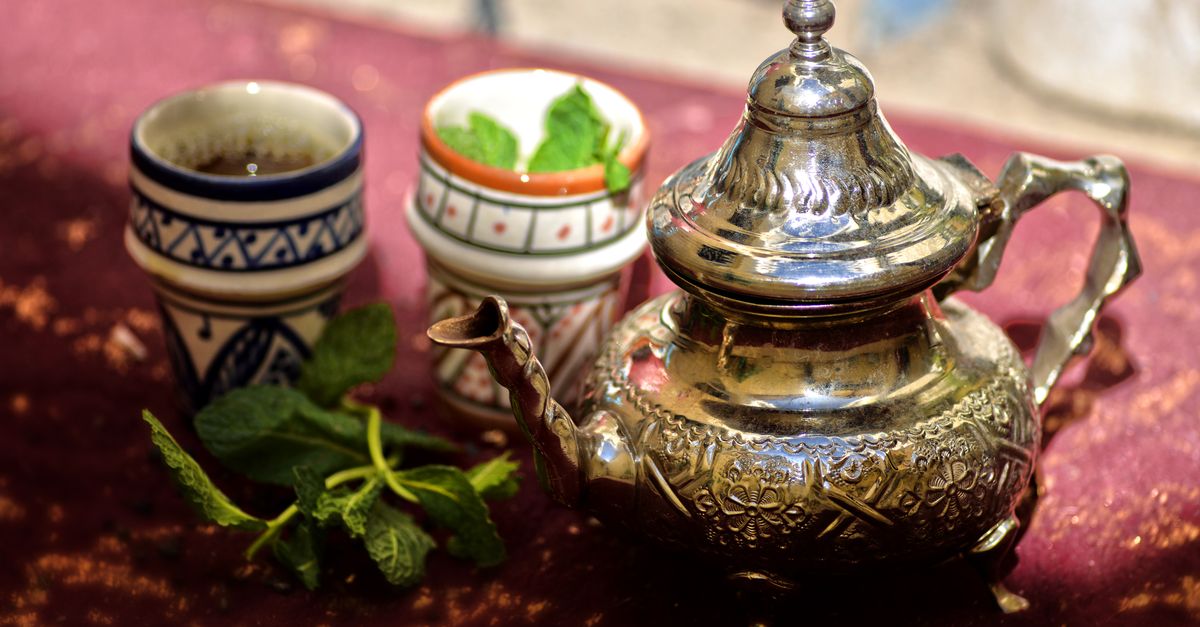
Originating from the Middle Atlas region, harcha is a thick, cake-like pan-fried flatbread made from coarse semolina, butter, milk, and salt. Cooked slowly on a hot skillet, it develops a pale, sandy exterior and a crumbly, comforting interior. It is almost always served warm, sliced open, and spread with wild wildflower honey, soft goat cheese, or melted butter alongside mint tea.
Batbout
Also known as mkhamer or bouchiar depending on the region, batbout is a soft, stovetop-puffed bread similar to a pita. It is cooked quickly on a hot griddle, causing it to inflate and create a hollow pocket inside. While eaten with honey and butter for breakfast, street food vendors frequently fill mini-batbout with grilled meats, tuna salad, or spiced potatoes for a quick snack.
Tafarnout and Berber Mountain Breads
In the High Atlas and Anti-Atlas mountains, Amazigh (Berber) communities bake traditional tafarnout bread. The dough is pressed onto smooth river stones laid inside a specialized clay oven heated with dried palm fronds or wood. The bottom of the bread bakes around the heated pebbles, leaving distinct dimples across its lower crust. It is typically served hot out of the oven alongside freshly pressed argan oil, honey, and warm olive oil.
Culture and Etiquette at the Moroccan Table
Understanding how bread is used at the table is essential for travelers wanting to navigate Moroccan dining with cultural respect and authenticity.
Bread as the Primary Utensil
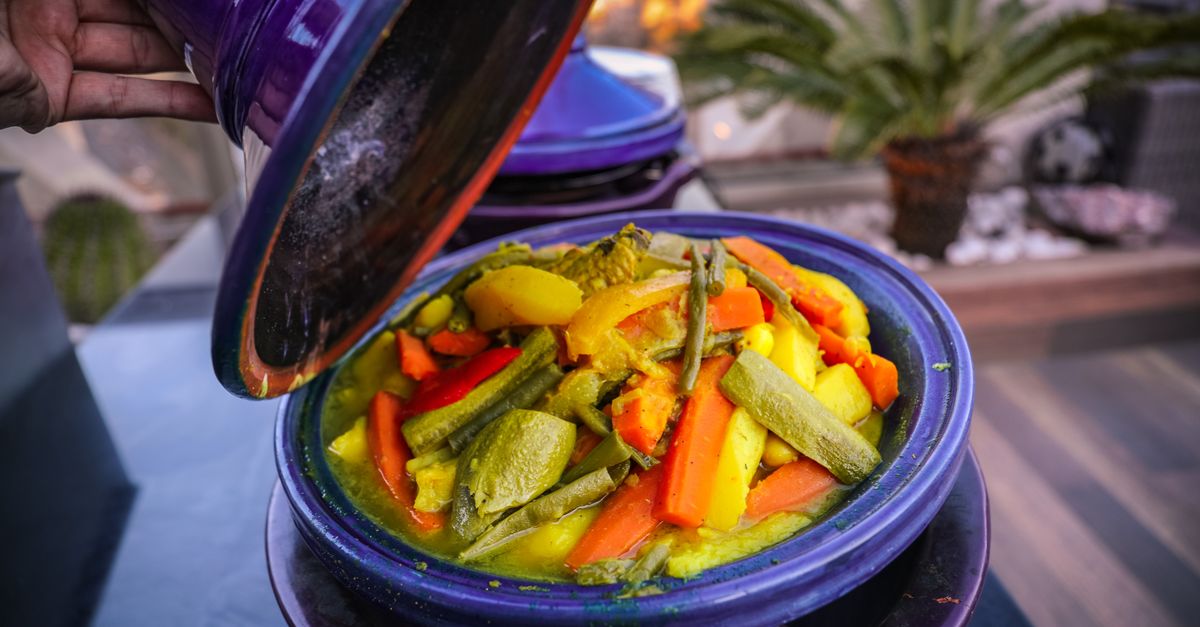
In traditional Moroccan dining, especially when enjoying a communal tagine or couscous, cutlery is often set aside in favor of bread. Bread functions as an edible spoon. Guests break off a small, bite-sized piece of khobz using their right hand, pinch a portion of meat, vegetables, or sauce between the crust and crumb, and bring it cleanly to the mouth.
Table Etiquette Rules
- Always use the right hand: In Moroccan culture, as across many Islamic societies, the left hand is reserved for personal hygiene. Always pass food, drink, and bread using your right hand.
- Respect communal boundaries: When eating from a shared dish, use your bread to scoop food only from the triangular wedge directly in front of you. Reaching across the dish to select pieces from another person's section is considered poor manners.
- Handle bread with care: Never throw bread or flip a loaf upside down on the table, as this is viewed as a sign of disrespect toward the blessing of food (baraka).
- Do not waste: Take small pieces of bread as you go rather than tearing up an entire loaf at the start of the meal. Unused portions left whole remain clean for others.
Local Food: Where and How to Experience Moroccan Breads
Experiencing Morocco's bread culture requires stepping out of hotel dining rooms and engaging directly with local markets, quarter bakeries, and street vendors. Here is how travelers can immerse themselves in this rich culinary landscape:
1. Breakfast at a Local Hanout or Cafe
- The Experience: Sit at a neighborhood street cafe or small milk shop (laiterie or mahlaba) in any city between 7:00 AM and 10:00 AM.
- What to Order: Request a fresh msemen or harcha served warm with a side of honey, local butter, or jben (fresh white cheese), paired with a hot glass of mint tea or nous-nous (half coffee, half hot milk).
- Price Expectation: Street stalls and small neighborhood shops typically charge between 3 to 10 Moroccan Dirhams (MAD) per bread piece, making it an incredibly affordable and delicious breakfast.
2. Evening Street Food Markets
- The Experience: As afternoon turns to evening (around 4:00 PM to 7:00 PM), local street vendors setup griddles along major medina thoroughfares, such as around Bab Boujloud in Fez or Jemaa el-Fnaa in Marrakech.
- What to Seek Out: Look for vendors frying stuffed msemen filled with cooked onions, herbs, and spiced beef fat (khlii), or small sandwich stalls stuffing fresh batbout with olives, tuna, and cooked vegetables.
3. Medina Ferran Tours
- The Experience: Take a guided cultural walking tour focusing on medina crafts or food heritage in ancient quarters like Fez el-Bali or Marrakech's Mouassine neighborhood.
- Practical Tip: Ask your local guide or riad host if you can pop into a neighborhood ferran mid-morning. Bakers are generally welcoming to curious visitors who ask politely before taking photos. Bringing a tiny tip (10-20 MAD) or buying a fresh loaf directly is a polite gesture of appreciation.

Practical Trip Planning & Travel Advice
Best Season to Visit
Morocco is a year-round destination, but spring (March to May) and autumn (September to November) offer the most pleasant temperatures for exploring medinas on foot, visiting rural grain markets, and participating in cooking workshops without intense summer heat.
Taking a Moroccan Cooking Class
To truly understand Moroccan bread, book a hands-on culinary masterclass. Top-rated options in Marrakech, Fez, and Essaouira include bread-making as a primary module, where you learn to mix grains, knead by hand, and take your dough to a real neighborhood ferran to be baked.
Payment Realities
Small bakeries, street vendors, and ferrans operate strictly on cash. Always carry small denomination coins and bank notes (5, 10, and 20 MAD notes) when buying bread or snacks in the medina, as vendors rarely have change for 100 or 200 MAD notes.
Family & Traveler Suitability
Moroccan bread culture is exceptionally family-friendly. Children love watching dough being flattened and cooked on open griddles, and simple breads like harcha and msemen served with honey are safe, highly appealing treats for even the pickiest young eaters. Travelers with gluten sensitivities should note that gluten-free alternatives are relatively rare in traditional medina bakeries, though high-end riads and modern supermarkets in major cities like Casablanca and Rabat increasingly stock modern gluten-free options.
