
Al Hoceima Travel Guide: Beaches, Rif Mountains, Food, Transport, and Practical Tips
Al Hoceima has a different feel from many of Morocco’s better-known tourist destinations. Sitting on the Mediterranean coast with the Rif Mountains rising behind it, the city combines clear water, steep coastal scenery, Riffian culture, and a strong connection to the sea. The landscape is one of the first things that stands out: pine-covered hills, rocky cliffs, small coves, and stretches of blue water surround the city.
The area also carries layers of Spanish and Riffian history. Al Hoceima developed under Spanish influence during the early 20th century, while the surrounding Rif remains deeply connected to Tarifit-speaking Berber culture. For travelers, this combination makes the region especially interesting because a beach day can easily turn into a mountain drive or a visit to a remote coastal village.
Al Hoceima is best explored without trying to rush through everything. The city beaches are easy to reach, while the more dramatic parts of the coastline and Al Hoceima National Park require more planning. Having the right transport and allowing extra time for mountain roads can make a big difference.
Al Hoceima's Best Beaches and Coastal Spots
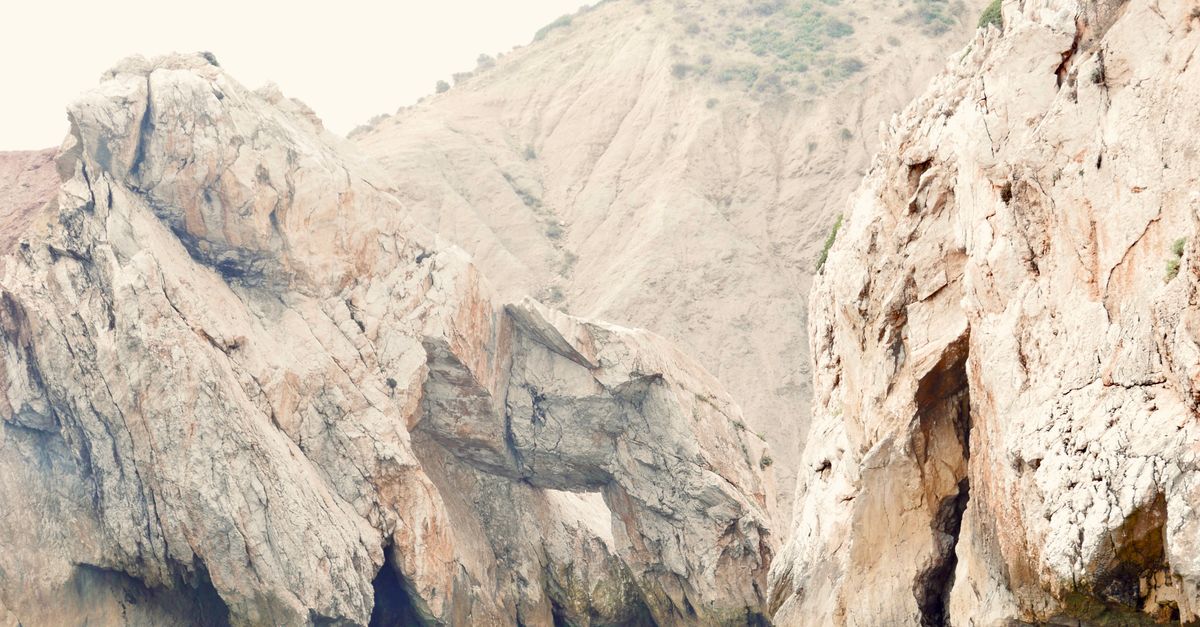
The coastline around Al Hoceima is one of the main reasons to visit. Instead of long, flat beaches, much of the region is shaped by cliffs, sheltered bays, rocky headlands, and small stretches of sand or pebbles. Some beaches are close enough to reach from the city, while others are better suited to a day trip.
Plage Quemado
Plage Quemado is the beach most closely associated with Al Hoceima itself. The bay sits below the city, surrounded by steep cliffs, and the sheltered position gives the water a calm appearance on many days.
Early morning is a particularly pleasant time to visit, especially during July and August when the beach becomes much busier later in the day. From the center of Al Hoceima, the beach can be reached by walking down toward the coast or by taking the road that descends from the city.
Access to the beach is free, although seasonal services such as umbrellas and sunbeds may cost extra. Families will generally find the sheltered setting convenient, but parking can become difficult during busy summer afternoons. Leaving the car in the town and walking down can be easier than trying to find a space close to the water.
Plage Calabonita
Plage Calabonita offers another attractive coastal escape close to the city. The cove is surrounded by greenery and pine trees and tends to feel a little more relaxed than the main urban beach.
It is only a short drive or Petit Taxi ride from central Al Hoceima, making it an easy option when you want some time by the sea without committing to a full-day excursion. Summer weekends can be busy with local families, so a weekday visit is a better choice if you prefer a quieter atmosphere.
Plage Sfiha and the Peñón de Alhucemas View
About 10 kilometers east of Al Hoceima, Plage Sfiha provides a broader coastal setting and views toward the small Peñón de Alhucemas offshore. The beach is particularly appealing in the late afternoon, when the light across the bay becomes softer.
The journey can be made by Grand Taxi or rental car along the N16. The beach is free to access and works well for a relaxed walk or picnic. The offshore Spanish military territory is restricted, so it should only be viewed from a safe distance and not approached by swimming or kayaking.

Exploring Al Hoceima National Park
Beyond the beaches around the city, the coastline becomes considerably wilder. Al Hoceima National Park includes large terrestrial and marine protected areas, with limestone cliffs, pine forests, isolated coves, and stretches of coastline that feel far removed from developed resort areas.
This is where having realistic expectations about transport becomes important. Some places are accessible along the main N16, while others involve rough secondary roads and long journeys through mountainous terrain.
Bades and Peñón de Vélez de la Gomera
The area around Bades is one of the more dramatic landscapes in the region. A rugged valley reaches the Mediterranean near the distinctive Peñón de Vélez de la Gomera, the Spanish territory connected to the Moroccan mainland by a narrow strip of land.
The journey can be demanding, particularly away from the main highway. A suitable vehicle is important, and travelers should be prepared for rough secondary tracks rather than expecting the same road conditions as the N16.
Spring and early autumn are more comfortable periods for making the trip. The combination of rugged terrain and a long drive makes this a better choice for travelers comfortable with remote mountain roads than for those looking for an effortless beach excursion.
Cala Iris
Cala Iris, toward the western side of the national park, is another memorable coastal stop. The bay is surrounded by rocky scenery and small offshore islets, while the nearby Torres de Alcalá add a historical element to the landscape.
The drive from Al Hoceima follows the N16 and takes roughly an hour. The bay is well suited to swimming and a relaxed half-day or full-day visit. Outside the main summer season, however, services become limited, so carrying enough water and food is sensible.

Getting to Al Hoceima and Traveling Around
Al Hoceima's mountainous position means that transport deserves some attention when planning a trip. The city is connected to other parts of northern Morocco by air, buses, taxis, and the coastal road network, but there is no railway connection directly into the city.
Arriving by Air
Chérif Al Idrissi Airport is located approximately 17 kilometers southeast of the city. It handles domestic connections as well as some seasonal international services, particularly from European destinations.
Grand Taxis provide a practical connection between the airport and Al Hoceima. Travelers may also arrive through other northern airports and continue by road, depending on their itinerary.
Arriving by Bus
Long-distance buses operated by companies such as CTM and Supratours connect Al Hoceima with several Moroccan cities. Depending on the route, travelers can reach destinations including Nador, Tetouan, Tangier, Fez, and Oujda.
The central bus station provides the main arrival point for travelers coming by road. From there, local taxis can be used to continue into the city.
There Is No Train Station
Al Hoceima does not have a direct railway station. Travelers coming by train therefore need to continue the final part of the journey by bus or taxi from another northern Moroccan city such as Nador or Taza.
Driving the N16
For travelers with a rental car, the N16 Mediterranean road is one of the most scenic ways to experience northern Morocco. The route follows the coast through dramatic mountain landscapes and connects Al Hoceima with other parts of the northern Mediterranean region.
The main road is paved, but the surrounding terrain still requires caution. Mountain sections can include sharp bends, steep gradients, and limited visibility. Heavy rain can also create problems such as rockfalls, while smaller roads leading toward remote beaches and villages may become rough or unpaved.
Night driving is best avoided on remote mountain roads. Unlit vehicles, pedestrians, animals, and sharp bends can make the journey considerably more difficult after dark.
Riffian Culture and Everyday Etiquette
Al Hoceima sits in the heart of the Rif, where local identity is strongly connected to Riffian Amazigh culture. Tarifit and Moroccan Arabic are important everyday languages, while Spanish also remains familiar to many people because of the region's historical connections and proximity to Spain.
The atmosphere around the beaches can feel relaxed and international during summer, but the wider city remains relatively conservative. Travelers who dress and behave respectfully will generally find it easy to adapt to the local rhythm.
What to Wear
Swimwear is appropriate at the beach, but it is better to change into more modest clothing when returning to the city, visiting markets, or sitting in central cafes. Covering the shoulders and knees is a practical choice outside beach areas.
Photography
Ask permission before photographing people, particularly older residents, market sellers, or people in rural areas. A simple request can prevent an otherwise uncomfortable interaction.
Military, police, port, and other sensitive official installations should not be photographed.
Language
Tarifit and Darija are widely used in everyday life. Spanish can also be useful in the region, particularly among older generations and some people working in hospitality. English is increasingly encountered in tourism-related services.
What to Eat in Al Hoceima
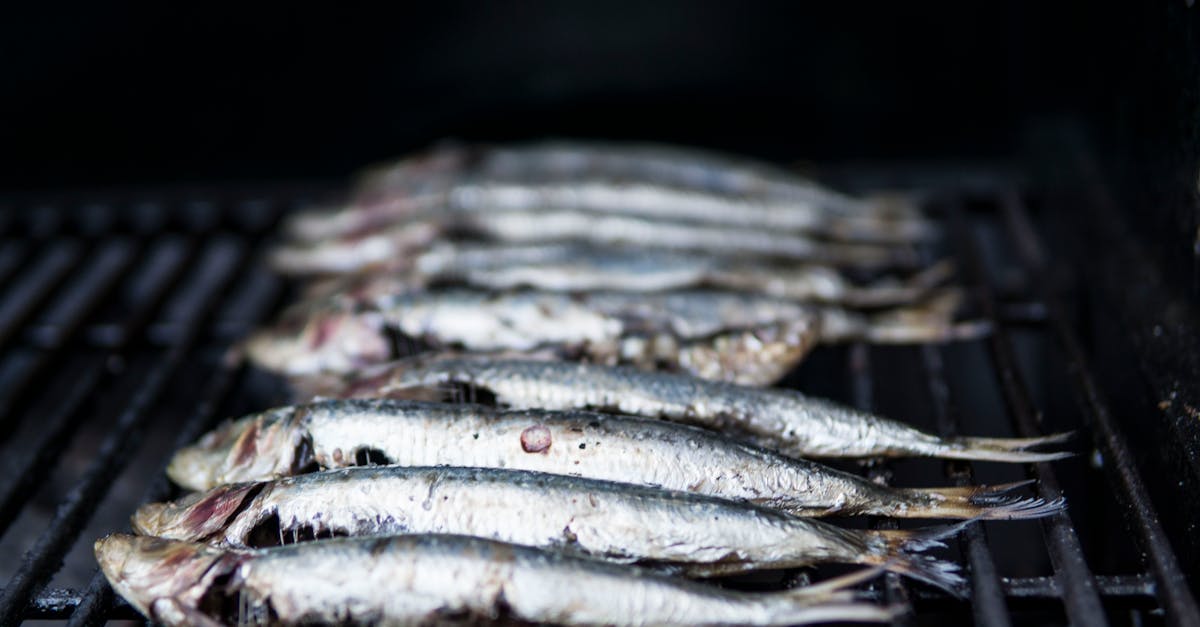
With an active fishing port and a long Mediterranean coastline, seafood naturally plays a major role in Al Hoceima's food culture. The cooking tends to focus on the quality of the ingredients rather than complicated preparation, with grilled fish, lemon, olive oil, and Moroccan spices appearing frequently.
Grilled Sardines
Grilled sardines are one of the simplest dishes to look for. Fresh fish is commonly seasoned with salt and spices before being cooked over charcoal. Served hot with lemon, the result is straightforward and closely connected to the city's relationship with the sea.
Simple seafood restaurants and casual fish stalls are often the best places to look for this kind of meal.
Mixed Fried Seafood
Mixed fried seafood can include calamari, small fish, shrimp, and other local catches. The crisp preparation makes it a popular choice for an informal lunch, particularly around the port and central seafood areas.
Fish Tagine
Fish tagine brings the region's seafood together with familiar Moroccan flavors. Depending on the restaurant and the day's catch, fish may be cooked with tomatoes, peppers, garlic, cilantro, and chermoula.
For travelers who enjoy seafood, trying both a simple grilled fish dish and a more traditional tagine provides a good sense of the local style.
Goat Cheese and Mountain Honey
Away from the coast, the food landscape changes as you move toward the Rif villages. Local goat cheese paired with mountain honey and hot mint tea is a simple combination associated with rural areas around the region.

When Is the Best Time to Visit Al Hoceima?
The ideal time depends on whether the main goal is swimming, hiking, or simply exploring the coastline.
Summer
June through September is the main beach season. Sea temperatures are more suitable for swimming and the coastal atmosphere is at its liveliest. July and August, however, also bring larger numbers of domestic visitors, heavier traffic, and higher accommodation demand.
Spring and Early Summer
May and June offer a useful balance between pleasant temperatures, outdoor activities, and fewer crowds than the height of summer. These months can work particularly well for travelers who want to combine coastal sightseeing with mountain excursions.
Early Autumn
September and October can also be attractive. The summer crowds begin to ease while the weather remains suitable for coastal activities and exploring the national park.
Winter
Winter is quieter but less suitable for a traditional beach holiday. Rain and cooler temperatures can also make mountain travel less predictable, so travelers visiting during this period should plan with more flexibility.
How Many Days Do You Need in Al Hoceima?
A stay of three to four days gives enough time to experience the main city beaches, explore part of the surrounding coastline, try the local seafood, and dedicate a full day to the national park.
A shorter stay can still work if the focus is mainly on the city and Plage Quemado. However, the region's greatest appeal lies beyond the urban center, so adding extra days makes it possible to travel more slowly and explore some of the coastal landscapes that make Al Hoceima distinctive.
Money and Everyday Practicalities
Cash in Moroccan dirhams (MAD) remains useful throughout Al Hoceima. Hotels and larger restaurants may accept cards, but taxis, small cafes, local markets, fish stalls, and businesses in rural areas often rely on cash.
ATMs are available in the central parts of the city. Carrying smaller notes is particularly useful for taxis, snacks, and small purchases where larger bills may be inconvenient.
Safety Tips for Exploring the Coast
Al Hoceima is generally a comfortable destination for travelers who follow normal precautions. Keep valuables secure, especially in busy areas, and avoid isolated coastal paths after dark.
Extra care is important when visiting undeveloped beaches. Unlike supervised urban beaches, remote coves may have no lifeguards or facilities, and changing sea conditions can create strong currents.
Drivers should also take the mountain roads seriously. Avoid unnecessary night driving, slow down around blind bends, and allow more time than a map estimate might suggest when traveling through remote parts of the Rif.
Final Thoughts on Al Hoceima
Al Hoceima is the kind of destination where the landscape becomes part of the experience. The city itself is enjoyable, but the real character of the region appears when the road leaves the urban center and follows the Mediterranean coastline through the Rif.
There are easy beach days at Quemado, quieter coastal stops such as Calabonita, wider views around Sfiha, and much wilder scenery inside and around Al Hoceima National Park. Add the region's seafood, Riffian culture, and Spanish historical connections, and the result is a destination that feels distinctly northern Moroccan.
The best way to experience Al Hoceima is to leave enough time between destinations. Spend a morning by the sea, take a slow coastal drive, stop for fresh fish, and allow the mountain roads to set the pace. That combination of Mediterranean scenery and Rif culture is what makes the region worth the journey.
