
Walking through Bab Bou Jeloud and into Fes el-Bali can feel like stepping into another era. The modern city quickly gives way to narrow lanes, small workshops, food stalls, and buildings that have witnessed generations of daily life. With thousands of winding streets and almost no cars inside the historic core, Fez can feel confusing at first, but that is also part of what makes it so memorable.
The medina is not a place you simply move through from one attraction to another. It rewards patience. You may follow one busy street, turn into a quieter lane, discover an artisan workshop, and suddenly find yourself somewhere completely different from where you expected to be. Learning a few simple navigation habits makes that experience much easier and leaves you free to enjoy the city instead of constantly worrying about directions.
This guide focuses on the practical side of exploring Fez, from finding your way through Fes el-Bali and visiting its historic landmarks to understanding local food, shopping customs, transportation, and everyday etiquette.
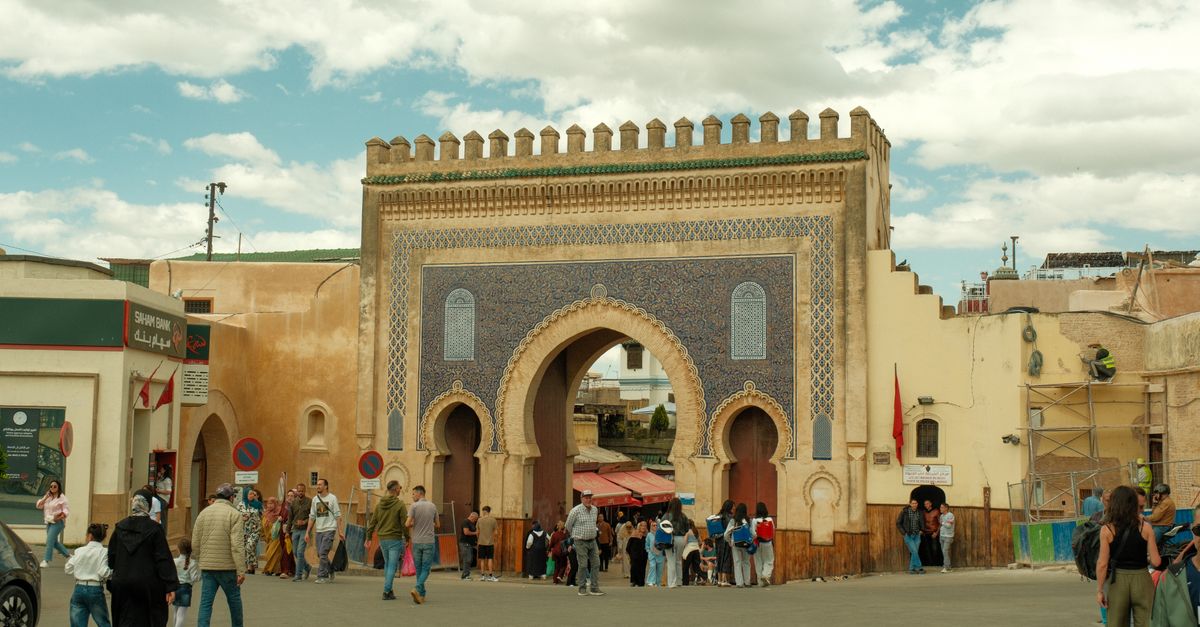
Getting Your Bearings Inside Fes el-Bali
Fes el-Bali is famous for its maze-like layout, and trying to understand every street before you arrive is probably not the best strategy. A better approach is to recognize a few major routes and landmarks and use them as reference points.
The historic medina generally slopes downward from the outer gates toward the central areas around the religious and commercial heart of the old city. Once you understand that basic geography, the medina becomes slightly easier to read.
Use the Main Streets as Your Reference Points
Two of the most useful routes are Tala'a Kebira and Tala'a Seghira. They lead downhill from the area around Bab Bou Jeloud and connect with many of the smaller streets and commercial lanes deeper inside the medina.
If you become completely disoriented, finding your way back toward one of these main routes is often easier than trying to locate a tiny side street directly. Walking uphill toward the western side of the medina can eventually bring you back toward Bab Bou Jeloud and the outer walls.
Pay Attention to Wayfinding Signs
Fez has marked walking routes that can help visitors move between important parts of the medina. Colored signs and thematic routes are useful when you want to stay on the main pedestrian paths instead of wandering too deeply into residential side lanes.
Even so, physical landmarks are often just as useful. Remember the appearance of your riad entrance, a distinctive doorway, a particular shop, or a recognizable arch. These small details can become surprisingly helpful when returning later.
Download an Offline Map Before You Arrive
Navigation apps can become less reliable inside the deepest parts of the medina, where tall buildings, covered passages, and narrow streets make orientation difficult. Downloading an offline map before your trip gives you another useful reference.
Apps such as MAPS.ME and Organic Maps can be particularly useful because their maps include many of the small pedestrian paths that are difficult to identify once you are inside the medina.
One of the simplest things you can do after checking into your accommodation is to save its location on your phone. Having the riad marked as a fixed point can save a lot of frustration later in the day.
What to Do When You Get Lost
Getting lost in Fez is almost inevitable at some point, so there is no reason to panic when it happens. Instead of standing in the middle of a narrow alley looking confused at your phone, step into a shop, café, or hotel and check your location from there.
If someone approaches you claiming that a road is closed or offering to show you the way, you do not have to accept the help. Many people in Fez are genuinely welcoming, but unsolicited directions can sometimes turn into unwanted guiding or a request for payment.
A simple "La, Shukran" and a confident continuation of your walk are usually enough when you do not need assistance.
Exploring the Most Important Landmarks in Fes el-Bali

Chouara Tannery
Chouara Tannery is one of the most recognizable sights in the Fez medina. Traditional stone vats are still used for processing leather, creating a scene of colorful dyeing pools surrounded by old buildings and workshops.
The smell can be strong, particularly in the heat of the day, so visiting earlier is generally more comfortable. Mint sprigs are sometimes offered near the viewing areas to help visitors cope with the odor.
The tannery is surrounded by leather shops, and access to rooftop viewing terraces is commonly connected with these businesses. If you are invited inside, remember that browsing the merchandise or leaving a small tip may be expected.
The viewing areas involve stairs and are not suitable for wheelchair users. Families with older children who are comfortable with the smell and narrow stairways should find the visit manageable.
Bou Inania Madrasa
Bou Inania Madrasa is one of the architectural highlights near Bab Bou Jeloud. Built during the Marinid period, the building is known for its carved cedar, detailed stucco decoration, and geometric zellij tilework.
Because it is located close to Tala'a Kebira, it is easy to combine with an exploration of the upper medina. Around thirty to forty-five minutes is enough for a focused visit, although anyone interested in Moroccan architecture may want to take longer.
Visitors should dress respectfully and remain aware of prayer times and any restrictions in areas connected with religious activity.
Al-Qarawiyyin Mosque and University
Al-Qarawiyyin occupies an important place in the history and identity of Fez. Founded in the ninth century, it became one of the city's most important religious and educational centers.
Non-Muslim visitors cannot enter the prayer areas, but the surrounding streets and entrances still provide an opportunity to appreciate the importance and architectural presence of the complex.
After visiting the area, it is worth continuing toward Place Seffarine, where traditional metalworking remains visible in the streets. The sound of craftsmen working copper and brass is one of those details that makes walking through Fez feel very different from visiting a conventional museum.
Quieter Places to Take a Break
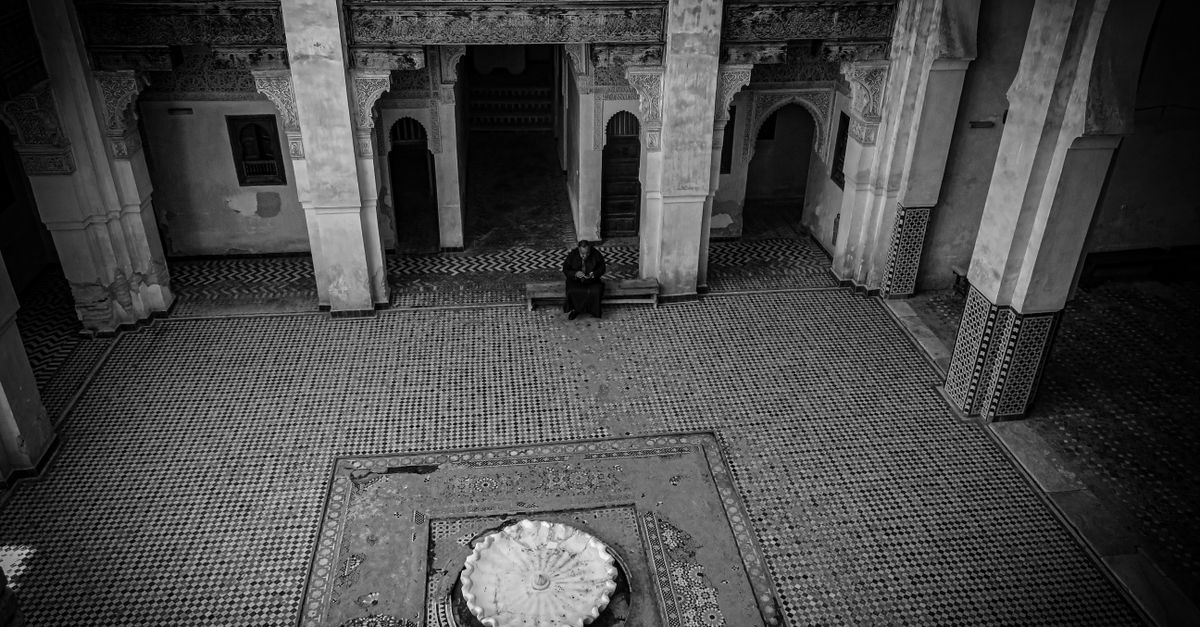
Fondouk El-Nejjarine
Fondouk El-Nejjarine is a beautifully restored historic caravanserai that once provided accommodation for traveling merchants. Today, it houses a museum dedicated to Moroccan woodwork and traditional craftsmanship.
The building itself is part of the attraction. Its carved wooden balconies surround the central courtyard, creating a peaceful contrast with the busy streets outside.
If you want to slow down for a while, the rooftop café also offers a pleasant place to sit with a drink and look across the medina rooftops.
Zaouia Moulay Idriss II
The shrine of Moulay Idriss II is located in one of the central areas of the medina. The interior is restricted to Muslims, but the surrounding streets remain interesting to explore.
The area is filled with small shops and traditional products, and its atmosphere is noticeably different from the larger commercial routes. It is worth passing through slowly rather than treating it as a quick landmark stop.
Jnan Sbil Gardens
After several hours inside the medina, Jnan Sbil Gardens can be a welcome change of pace. Located between Fes el-Bali and Fes el-Jdid, the gardens provide shaded paths, water features, greenery, and space to sit away from the busiest streets.
It is a particularly useful stop when you need a quieter part of the day between visits to the old city.
What to Eat in Fez

Food is one of the easiest ways to experience another side of Fez. The city's cuisine carries strong Andalusian and traditional Moroccan influences, and meals can range from simple breakfasts in small neighborhood shops to elaborate dishes served inside restored riads.
Pastilla
Pastilla, or b'stilla, is one of the dishes most closely associated with the refined side of Moroccan cooking. Thin layers of warqa pastry surround a filling traditionally made with pigeon or chicken, almonds, spices, and aromatic ingredients.
The combination of savory meat, delicate pastry, cinnamon, and sweetness can seem unusual at first, but it is one of the characteristics that makes the dish so distinctive.
Pastilla is particularly associated with celebrations and special meals, although versions can also be found in restaurants around the medina.
Khobz and Traditional Breads
Moroccan bread is part of everyday life rather than simply something served alongside a meal. Round loaves of khobz are baked in neighborhood ovens, while other traditional breads and pancakes such as msemmen and harcha are common breakfast choices.
Morning is a good time to look around the smaller bakeries and food stalls. Fresh bread, coffee, or mint tea can make a simple breakfast one of the most enjoyable parts of exploring the medina.
Bissara
Bissara is a thick and comforting soup traditionally made from dried fava beans or split peas, garlic, olive oil, cumin, and spices.
It is particularly associated with inexpensive breakfasts and is often served from simple food stalls. It is not an elaborate dish, but that is exactly why it offers a useful glimpse into everyday Moroccan food culture.
Sfenj
Sfenj are Moroccan fried dough rings, usually eaten fresh and hot. They are simple, inexpensive, and especially enjoyable with mint tea.
Look for small neighborhood counters rather than expecting a formal restaurant experience. Part of the pleasure comes from watching them being prepared and fried in front of you.
Understanding Shopping and Haggling in the Medina

Shopping in Fez is often as much about conversation as it is about buying something. Prices for many artisan products are negotiable, particularly for carpets, leather goods, ceramics, and decorative crafts.
The most important thing is to keep the exchange friendly. Haggling does not need to become a confrontation. Take your time, ask questions, compare several shops, and be prepared to walk away if the final price is not comfortable for you.
Start With a Realistic Idea of Value
If you are unsure about prices, visiting a fixed-price craft center before spending time in the souks can give you a useful reference point. You do not need to know the exact "correct" price for every object, but having a general idea makes negotiations much easier.
Keep Cash Available
Cash remains particularly useful inside the medina. Small restaurants, food stalls, artisans, taxi drivers, and other local businesses may not accept cards.
Keep smaller Moroccan dirham notes and coins with you. They make small purchases and short taxi rides much easier and avoid the awkward situation of trying to pay for an inexpensive item with a large note.
Buying Larger Artisan Items
If you purchase something large such as a carpet, established merchants may offer shipping services. Before paying, make sure you understand the final price, shipping arrangements, documentation, and tracking details.
Respecting Local Customs in Fez
Fez has a strong religious and cultural identity, and visitors generally have an easier and more comfortable experience when they adapt to the environment rather than treating the medina simply as a tourist attraction.
Photography
Ask permission before taking close-up photographs of artisans, shopkeepers, or residents. A simple request such as "May I take a photo, please?" or "واش ممكن نصور؟" is enough.
If someone refuses, respect the answer immediately. It is also important to avoid photographing police, military personnel, official security points, or sensitive government locations.
What to Wear
Fez is relatively conservative, particularly around religious areas and inside the medina. Visitors do not need to dress traditionally, but clothing that covers the shoulders and knees is a respectful and practical choice.
Loose cotton or linen clothing can also be more comfortable during long days of walking, especially during warmer months.
Getting Around the Souks
The narrow streets are used by pedestrians, handcarts, and animals carrying goods. When you hear someone call "Balak! Balak!", move aside promptly and give the approaching cart or mule enough space to pass.
These moments are part of normal life inside the medina, but visitors need to remain aware of their surroundings because there is often very little room to step aside.
Practical Information for Planning Your Fez Trip
Best Time to Visit
Spring and autumn are particularly comfortable periods for exploring Fez on foot. From March through May and again from September through November, temperatures are generally more pleasant for spending long hours in the medina.
Summer can be extremely hot, especially around midday, while winter brings cooler temperatures and colder nights. If you stay in a traditional riad during winter, reliable heating can make a noticeable difference.
How Long Should You Stay?
Two full days can cover the main areas of Fes el-Bali, including its historic streets, madrasas, artisan quarters, and major landmarks.
A third day gives you more breathing room. You can explore Fes el-Jdid, see the historic Mellah and Royal Palace gates, spend more time in the medina, or consider a day trip beyond the city.
Money and Payments
The Moroccan dirham, or MAD, is used throughout Fez. While hotels and larger businesses may accept international cards, cash remains important inside the historic medina.
Keep a reserve of smaller notes and coins for food, taxis, tips, and small purchases. ATMs are available around Bab Bou Jeloud and in the modern parts of the city.
Arriving in Fez
Fes-Saïss Airport is located outside the historic center and provides access to the city for travelers arriving by air. Grand taxis are available for reaching the city, while other transport options can connect travelers with the modern parts of Fez.
Fez is also connected to Morocco's railway network. From the train station in Ville Nouvelle, a petit taxi can take you toward the medina and Bab Bou Jeloud.
Transport Inside the Medina
Motorized traffic is largely excluded from the narrow streets of Fes el-Bali. Most exploration is therefore done on foot, with the occasional handcart or mule passing through the same lanes.
This is one reason comfortable shoes are so important. You may cover much more distance than expected simply by following the streets and exploring different quarters.
Staying Safe and Comfortable
Fez is generally manageable for travelers who use normal urban precautions. Keep your phone and wallet secure in crowded areas and avoid displaying valuables unnecessarily.
If your accommodation is inside a difficult-to-find part of the medina, ask the riad staff for clear directions before going out. At night, it can also be useful to arrange for someone from the accommodation to meet you near the nearest accessible taxi point.
How to Make the Most of Your Time in Fez
The biggest mistake you can make in Fez is trying to control every minute of your visit. The medina is too complex for that approach. Give yourself a few main places to see, then leave room for wandering.
Start with Bab Bou Jeloud and gradually make your way into Fes el-Bali. Follow the main streets when you need orientation, but allow yourself to turn into smaller lanes when something catches your attention.
Stop for a simple breakfast, listen to the sounds of the workshops, take a break in a quiet courtyard, and give yourself time to appreciate the architecture instead of rushing through it.
Fez is at its best when you allow the city to unfold gradually. Its most memorable moments are not always the famous landmarks. Sometimes they are the small details—a craftsman working in a narrow shop, fresh bread coming out of a neighborhood oven, the sound of copper being shaped at Place Seffarine, or a quiet street appearing after a busy market corridor.
With a little preparation and a willingness to accept that you may occasionally lose your way, exploring Fez becomes much less intimidating. The maze stops feeling like an obstacle and starts becoming one of the most fascinating parts of the journey.
