
One of the first things that can surprise you in Northern Morocco is hearing Spanish in places where you might expect to hear only Arabic or French. Step off the ferry in Tangier, walk through a café in Tetouan, or spend time in the Rif, and Spanish can appear naturally in everyday conversations.
It is not simply a language preserved in history books. In parts of Northern Morocco, Spanish remains connected to family memories, trade, television, travel, and the region’s long relationship with southern Spain. The influence is especially noticeable in Tangier, Tetouan, Chefchaouen, and other towns across the northern Mediterranean coast.
To understand why Spanish has remained so visible here, you have to look at several layers of history: Andalusian migration, the Spanish Protectorate, Tangier’s international past, and the region’s continuing links with Spain.

Why Spanish Became So Important in Northern Morocco
The connection between Northern Morocco and Spain goes back much further than the modern border. The Strait of Gibraltar is only a short distance across, and for centuries people, ideas, languages, food, and traditions moved between the two sides.
Andalusian and Sephardic Migration
One important part of this story began in 1492, when Jews and Muslims were expelled from the Iberian Peninsula after the completion of the Reconquista. Many Andalusian refugees settled in northern Moroccan cities, including Tetouan, Tangier, and Chefchaouen.
They brought elements of their language, music, architecture, food, and urban traditions with them. Judeo-Spanish varieties such as Hakitia also became part of the cultural history of northern Moroccan Jewish communities.
The Spanish Protectorate
The strongest institutional influence came later. In 1912, Morocco was divided into French and Spanish zones, with Spain controlling much of the northern territory along the Mediterranean and Rif region.
Tetouan became the administrative capital of Spanish Morocco. For more than four decades, Spanish was deeply present in government, education, administration, architecture, and urban life.
That period left a visible mark on northern Moroccan cities, particularly Tetouan, where Spanish-era buildings still stand alongside the much older medina.
Tangier and the International Zone
Tangier followed a different path. Between 1923 and 1956, the city was administered as an International Zone, giving it an unusually cosmopolitan character.
Spanish became one of the important working languages of the city, alongside Arabic and French. This helped establish a multilingual environment that continued to influence Tangier long after Morocco regained independence.
Where You Are Most Likely to Hear Spanish Today
The presence of Spanish is not identical everywhere in Northern Morocco. In some places it is immediately noticeable; in others, it is mainly spoken by older generations or people who have strong connections with Spain.
Tetouan: One of the Strongest Spanish Connections
Tetouan is probably the clearest place to appreciate the historical Spanish influence. Known as the “White Dove,” the city combines an Andalusian-influenced medina with the Spanish-built Ensanche district.
Walking between these two areas gives you a good sense of the city's layered history. The Ensanche contains wide streets, balconies, and architecture dating largely from the Spanish Protectorate period, while the old medina preserves centuries of Andalusian and Moroccan traditions.
- Why Visit: Tetouan offers one of Morocco’s most distinctive combinations of Andalusian, Moroccan, and Spanish cultural influences.
- Best Time: Spring and autumn are comfortable seasons for exploring the city on foot.
- Suggested Stay: One or two full days are enough for a first visit.
- Getting There: Tetouan is easily reached from Tangier by grand taxi or bus.
- Language Tip: Spanish can be particularly useful here, especially when communicating with older residents and in some traditional areas.

Tangier: Morocco’s Gateway to Spain
Tangier’s relationship with Spain feels especially natural because of its geography. At the Strait of Gibraltar, Europe is remarkably close, and the city has maintained strong connections with Spain for generations.
Spanish television and radio have historically been accessible in the region, while ferries and regular travel continue to connect Tangier with southern Spain.
- Why Visit: Explore the Grand Socco, the Kasbah, the waterfront, and historic cafés such as Café Hafa.
- Best Time: Tangier can be visited throughout the year, although July and August can be considerably busier.
- Getting There: Tangier is connected to the rest of Morocco by high-speed rail, domestic and international flights, and ferry services.
- Nearby: Cap Spartel and the Caves of Hercules make worthwhile additions to a Tangier itinerary.
Chefchaouen and the Rif Mountains
Chefchaouen has particularly strong Andalusian roots. The mountain town was founded by Andalusian refugees, and its history remained closely connected to the cultures that arrived from the Iberian Peninsula.
Today, tourism means that English is increasingly useful, particularly among younger people working with visitors. However, Spanish can still be heard among older residents, traders, and people with family or professional connections to Spain.
Spanish, Darija, and the Language You Hear in Daily Life
The Spanish influence in Northern Morocco is not limited to people speaking Spanish as a separate language. It has also left traces in Northern Moroccan Darija, sometimes referred to as the Shamali dialect.
Visitors may come across Spanish-derived words in everyday conversations, although usage varies from place to place and between generations.
- Rueda – associated with the Spanish word for wheel.
- Semana – used alongside Arabic terminology for the week.
- Cuchara – associated with the Spanish word for spoon.
- Cama – associated with the Spanish word for bed.
- Kozina – related to the Spanish cocina, meaning kitchen.
- Komir – a northern Moroccan term associated with long bread or a baguette-style loaf.
Currency terminology can also occasionally confuse visitors. In parts of Northern Morocco, especially in traditional markets, older Spanish-related terms such as duro may still be heard when people discuss prices. If there is any uncertainty, simply confirm the final amount in Moroccan dirhams (MAD).
Where Moroccan and Spanish Food Traditions Meet
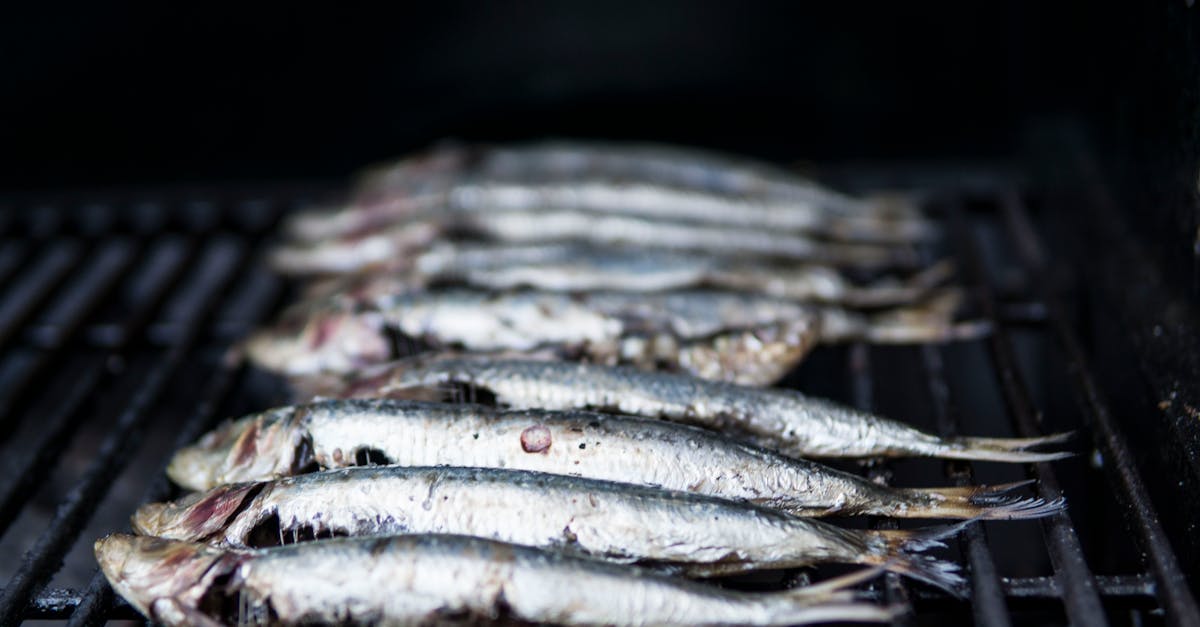
The cultural connection is also visible in Northern Morocco’s food. Compared with some inland Moroccan cuisines, northern cooking often has a stronger Mediterranean character, with seafood, olive oil, garlic, and fresh herbs playing an important role.
Bocadillo
The bocadillo is one of the easiest examples of the Spanish influence on everyday northern Moroccan food.
A typical version may contain tuna, boiled egg, olives, lettuce, tomato, French fries, and a spicy sauce or mayonnaise inside a long piece of bread. It is an inexpensive and filling option for lunch or an afternoon snack.
Seafood Pastilla
Pastilla is traditionally associated with the sweet-and-savory flavors of Moroccan cuisine, but northern coastal versions can take a completely different direction.
Seafood pastilla may combine shrimp, calamari, fish, vermicelli, garlic, parsley, and spices inside thin layers of warqa pastry. It reflects the coastal character of cities such as Tangier, Tetouan, and Asilah.
Northern Fish Soup
Along the coast, fish soup and seafood broths are another reminder of the Mediterranean side of northern Moroccan cooking. Depending on the restaurant, the soup may include mixed fish, tomatoes, garlic, coriander, olive oil, rice, or pasta.
Port areas and traditional seafood restaurants are good places to look for these simple, warming dishes.
Getting Around Northern Morocco
Traveling through the north is relatively straightforward once you understand the main transport options.
By Air
Tangier Ibn Battouta Airport provides connections with several European destinations, including cities in Spain. Tetouan’s airport also serves selected international routes, particularly during seasonal periods.
By Ferry
Ferries make the connection with Spain especially easy. Services from Tarifa arrive at Tangier Ville, which is convenient because the port is close to the city center.
Other services arrive at Tangier Med, a much larger port located farther east of the city. Make sure you check which port your ferry uses before planning your onward transport.
By Train
Tangier is connected with Rabat and Casablanca by Morocco’s Al Boraq high-speed train. For travelers combining Northern Morocco with other parts of the country, the train is one of the most convenient ways to continue south.
Local Transport
Grand taxis connect many of the major northern cities and towns, including Tangier, Tetouan, Chefchaouen, and Asilah. For private taxi journeys, confirm the price before setting off when the meter is not being used.
When Is the Best Time to Visit?
Spring and early autumn are among the most comfortable periods for exploring Northern Morocco. April through June usually offers pleasant conditions, while September through November can also be excellent for walking around cities and traveling through the Rif.
Winter is generally mild along the coast but can feel much colder in the mountains, particularly at night. July and August can bring high temperatures, busy beaches, and heavy domestic holiday traffic.
Money and Everyday Payments
The Moroccan dirham (MAD) is the official currency. Cash remains particularly useful in traditional medinas, taxis, small cafés, markets, and street-food stalls.
Hotels, modern restaurants, larger shops, and major transport facilities are more likely to accept cards, but it is still wise to keep some Moroccan cash available for everyday purchases.

Cultural Etiquette and Useful Language Tips
Spanish can be useful in Northern Morocco, but it is important to remember that it is only one part of the region’s linguistic landscape. Darija remains central to everyday Moroccan identity, while Arabic and French continue to play important roles.
- Start with Arabic: A simple Salam Alaikum is a warm and respectful way to begin a conversation.
- Try Spanish: If you are comfortable speaking Spanish, simply asking “¿Habla español?” can open a conversation, particularly in Tangier and Tetouan.
- Respect the Medina: Dress modestly when visiting traditional neighborhoods and ask permission before photographing people closely.
- Bargain Politely: Haggling is common in souvenir markets, but it works best when treated as a friendly exchange rather than a confrontation.
The Northern Moroccan Experience
Traveling through Northern Morocco reveals a part of the country that can feel quite different from Marrakech or the southern cities. The white streets of Tetouan, the cosmopolitan atmosphere of Tangier, and the blue lanes of Chefchaouen all carry traces of the region’s long relationship with the Iberian Peninsula.
Spanish is only one layer of that history. You also encounter Andalusian architecture, Mediterranean food, Moroccan Darija, French influences, and traditions that have developed locally over centuries.
For travelers, that mixture is what makes Northern Morocco particularly interesting. Hearing Spanish in a Moroccan café or market is not simply a reminder of colonial history. It is part of a much broader story of migration, geography, trade, family connections, and cultural exchange across the Strait of Gibraltar.
Final Tips for Travelers
- Learn a few Arabic greetings even if you plan to communicate mainly in Spanish or French.
- Try Spanish in Tangier and Tetouan if you are comfortable with it; you may be surprised by how naturally the conversation develops.
- Explore both old and modern districts to see how Moroccan, Andalusian, and Spanish influences overlap.
- Carry Moroccan dirhams for taxis, markets, cafés, and smaller businesses.
- Allow extra time when traveling through the Rif, where mountain roads can make journeys slower than they appear on a map.
- Look beyond the language: the Spanish connection is also visible in architecture, food, music, and the everyday rhythm of northern cities.
