
Visiting a hammam in Morocco is one of the most immersive ways to experience everyday culture in North Africa. Far more than a place to wash or receive a beauty treatment, the traditional hammam has long served as a space for hygiene, relaxation, social interaction, and community life.
For first-time travelers, however, entering a traditional steam-filled bathhouse can feel unfamiliar. The heat, communal setting, bathing routine, clothing customs, and unfamiliar products may raise questions about what to expect.
Understanding the history and structure of the Moroccan hammam makes the experience much easier to navigate. Whether you choose a neighborhood public hammam or a private hammam inside a restored riad, the basic tradition revolves around heat, water, cleansing, exfoliation, and time spent relaxing afterward.

What Is a Moroccan Hammam?
A hammam is a traditional public bathhouse found throughout Morocco and other parts of North Africa and the Middle East. Historically, hammams played an important role in personal hygiene at a time when private bathrooms and household plumbing were not widely available.
They also became important social institutions. People visited their local hammam not only to wash but also to relax, maintain personal grooming, meet neighbors, and prepare for important religious and social occasions.
Traditional hammams are generally organized around a progression from cooler spaces to increasingly warm and humid rooms. This gradual change in temperature allows bathers to acclimatize before beginning the main washing and exfoliation process.
Why the Hammam Became Part of Moroccan Neighborhood Life
The traditional hammam was closely connected to the structure of historic Moroccan neighborhoods. In many older medinas, essential community facilities such as mosques, bakeries, water sources, and bathhouses were located within convenient walking distance of residents' homes.
This made the hammam much more than a bathing facility. It became a regular meeting point where people could maintain relationships and participate in an important weekly routine.
Families also incorporated hammam visits into major occasions and personal milestones. A visit could be part of preparations for weddings, religious celebrations, family gatherings, or simply the weekly rhythm of neighborhood life.
A Shared Community Space
Inside a traditional hammam, social differences can become less visible. Bathers generally follow the same basic routine, use similar equipment, and share the same heated spaces.
The result is a distinctive communal environment in which bathing, conversation, grooming, and relaxation happen together. For visitors, this social dimension is one of the most interesting aspects of experiencing a traditional hammam.

Public Hammam vs. Private Tourist Hammam
Travelers in Morocco generally encounter two different types of hammam experiences: the neighborhood public hammam and the private hammam or spa designed primarily for visitors.
1. The Neighborhood Public Hammam
A traditional neighborhood hammam, sometimes referred to as a hammam chaabi or hammam beldi, is primarily a local community facility. The environment is practical rather than luxurious, and visitors should expect tiled rooms, shared water taps, plastic buckets, and a more communal atmosphere.
- Experience: Local, practical, communal, and closely connected to neighborhood life.
- Gender arrangements: Men and women use separate spaces or different time periods, depending on the facility.
- Equipment: Visitors may need to bring their own towel, bucket, mat, soap, exfoliating glove, and other toiletries.
- Attendant: Some hammams have attendants who can assist with washing or exfoliation for an additional fee.
- Best suited to: Travelers who want to experience a traditional aspect of everyday Moroccan life.
2. Private Hammams and Tourist Spas
Private hammams adapt traditional Moroccan bathing practices to a more comfortable spa environment. Treatments are usually performed in private rooms, and towels, slippers, soaps, and other products are commonly supplied.
- Experience: Quieter, more private, and structured around relaxation.
- Facilities: Private treatment rooms, showers, relaxation areas, and spa services may be available.
- Treatments: Packages may include black soap cleansing, exfoliation, clay masks, massages, or argan oil treatments.
- Best suited to: First-time visitors who prefer privacy, comfort, or a guided experience.
The two experiences should not be confused. A private spa is designed around wellness and visitor comfort, while a neighborhood hammam remains primarily part of ordinary community life.
The Traditional Moroccan Hammam Ritual
Although the exact routine varies from one hammam to another, the traditional experience generally follows a recognizable sequence involving heat, water, black soap, exfoliation, rinsing, and relaxation.
Step 1: Changing and Acclimatizing
The experience begins in the changing area. After storing your belongings safely, you enter the bathing area and gradually adjust to the heat.
Traditional hammams generally contain several spaces with different temperatures. Spending some time in the warmer area before moving into the hottest room allows the body to adjust gradually.
Step 2: Applying Savon Beldi
Saboun beldi, commonly known as Moroccan black soap, is one of the best-known products associated with the hammam ritual. It has a soft, paste-like texture and is traditionally made using olive-based ingredients.
The soap is spread over wet skin and left for several minutes while the heat and humidity soften the outer layer of the skin.
Step 3: Rinsing
After the black soap has had time to work, it is rinsed away with warm water. Thorough rinsing is important before exfoliation because the skin needs to be clean and free of excess soap.
Step 4: Exfoliating with the Kessa
The kessa is a textured exfoliating glove traditionally used during the hammam ritual. It is rubbed firmly over the arms, legs, torso, back, and other areas of the body.
The pressure can feel surprisingly strong to someone experiencing a hammam for the first time. However, the process should not be painful. If an attendant is performing the exfoliation, communicate clearly if the pressure is uncomfortable.
Step 5: Rhassoul and Other Treatments
Some hammam routines continue with rhassoul, also called ghassoul, a mineral-rich clay traditionally associated with Morocco. It can be mixed with water or other ingredients and applied as a mask for the hair or body.
Private hammams may also include additional treatments such as hair care, facial treatments, or argan oil massage.
Step 6: Final Rinse and Relaxation
The final stage is a thorough rinse to remove remaining soap, clay, and other products. Afterward, bathers dry themselves, change clothes, and allow their bodies to cool gradually.
In private spas, the treatment may continue with a relaxation period and massage. In neighborhood hammams, the experience is generally simpler and more closely connected to everyday bathing routines.
Understanding Hammam Architecture
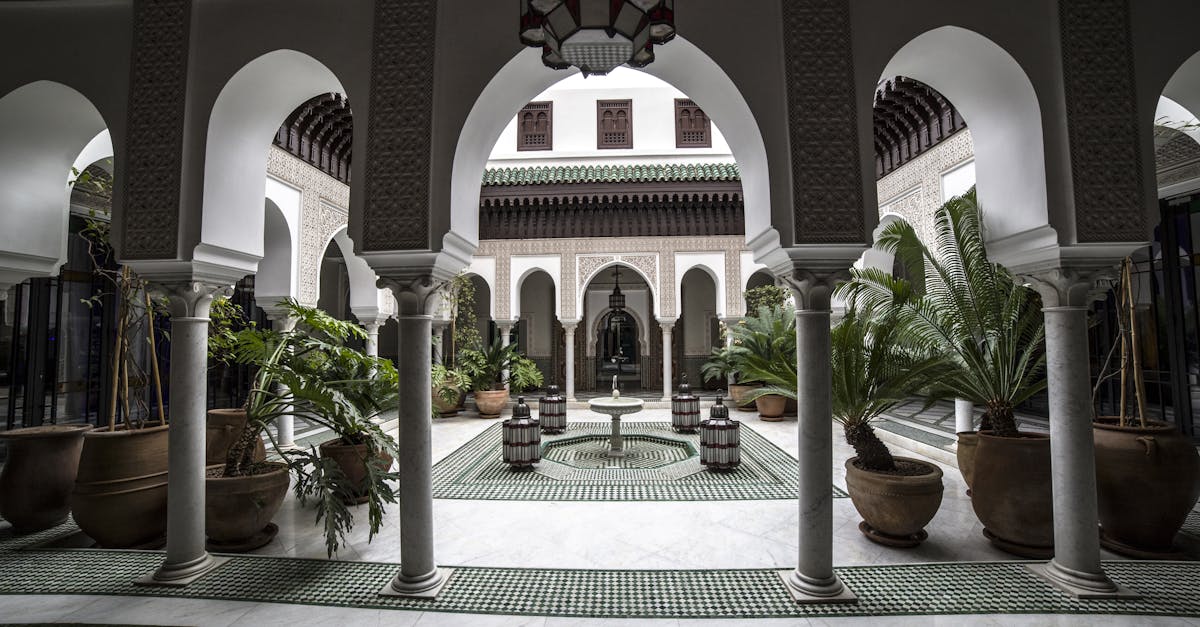
Traditional hammam buildings are designed around heat, humidity, water, and gradual movement between different spaces.
The Changing Area
The entrance and changing area is where visitors leave their street clothes and organize their bathing supplies. Depending on the facility, lockers, shelves, attendants, or designated storage areas may be available.
The Warm Room
The warm room provides a transition between the changing area and the hottest bathing space. It allows bathers to adjust to the increasing temperature before beginning the main cleansing routine.
The Hot Room
The hottest room is where much of the traditional hammam process takes place. High humidity and warm surfaces help create the environment needed for sweating, soap application, rinsing, and exfoliation.
Water is usually collected in buckets and mixed to reach a comfortable temperature before being poured over the body.
What to Bring to a Traditional Public Hammam
If you are visiting a neighborhood hammam rather than a private spa, it is useful to prepare your bathing supplies in advance.
- Saboun Beldi: Traditional Moroccan black soap.
- Kessa Glove: A textured glove used for body exfoliation.
- Towel: A clean towel for drying afterward.
- Plastic Sandals: Useful on wet tiled floors.
- Small Mat: A waterproof mat can make sitting on the floor more comfortable.
- Plastic Bucket: Some hammams provide or rent buckets, while others expect visitors to bring their own.
- Shampoo and Personal Toiletries: Bring whatever additional products you normally use.
- Clean Underwear or Swimwear: Useful for maintaining personal comfort and modesty.
Private hammams usually provide most of these items as part of the treatment, but it is still worth checking what is included when making a reservation.

Hammam Etiquette for First-Time Visitors
The most important part of visiting a traditional hammam is respecting the local environment. Rules can differ between establishments, so observing what other bathers do and asking staff when necessary is often the easiest approach.
Respect Gender Separation
Traditional public hammams maintain separate bathing arrangements for men and women. Depending on the neighborhood, the facility may have separate areas or operate different hours for each group.
Follow Local Clothing Customs
Modesty expectations vary between hammams and between men and women. Visitors should follow the rules of the particular facility rather than assuming that a hammam operates like a Western spa.
Private tourist hammams generally explain their clothing requirements before the treatment begins and may provide disposable garments.
Use Water Carefully
Water is collected in buckets and used for washing and rinsing. Avoid wasting water or allowing taps to run unnecessarily.
Keep Personal Space in Mind
Traditional hammams can become busy, particularly at popular times. Keep your belongings together, be aware of where your water flows, and avoid disturbing people who are bathing or relaxing.
Photography and Phones
Privacy is especially important inside a hammam. Do not photograph other bathers, and follow the establishment's rules regarding mobile phones and cameras. In many traditional hammams, taking photographs inside the bathing areas is inappropriate or prohibited.
Communicate With Your Attendant
If you hire an attendant for exfoliation, clearly communicate if the pressure is too strong, if the water is too hot, or if you want the treatment to stop. Simple Darija or French phrases can make the experience much easier.
How Much Does a Moroccan Hammam Cost?
Prices vary considerably depending on the city, neighborhood, facility, and type of experience.
A neighborhood public hammam is generally inexpensive compared with a private tourist spa. The basic entrance fee may be modest, while additional charges can apply for services such as an assisted scrub.
Private hammams and hotel spas are considerably more expensive because the price normally includes private facilities, staff, towels, products, and additional treatments.
Because prices change between businesses and cities, travelers should check the current price directly with the hammam before visiting rather than relying on a single national price.
Public Hammam vs. Private Spa: Quick Comparison
| Feature | Public Hammam | Private Hammam / Spa |
|---|---|---|
| Atmosphere | Local and communal | Quiet and private |
| Privacy | Shared bathing environment | Private treatment spaces are common |
| Equipment | Often bring your own | Usually provided |
| Scrub | Self-service or attendant | Usually performed by trained staff |
| Products | Basic traditional products | Traditional and spa products |
| Price | Generally inexpensive | Higher |
| Best For | Cultural immersion | Comfort and relaxation |
Useful Darija and French Hammam Phrases
A few simple expressions can make communication easier during a traditional hammam visit.
| English | Darija | French |
|---|---|---|
| Gently, please | Shwiya, afak | Doucement, s'il vous plaît |
| That's enough, thank you | Safi, shukran | C'est bon, merci |
| Hot | Skhoun | Chaud |
| Cold | Bared | Froid |
| Thank you | Shukran | Merci |
Tips for Your First Moroccan Hammam Experience
- Start with a private hammam if you feel uncertain: A guided treatment can help you understand the traditional process before trying a neighborhood bathhouse.
- Bring only what you need: Leave passports, expensive jewelry, and unnecessary valuables somewhere secure.
- Stay hydrated: Heat and steam can make you feel tired, so drink water before and after the experience.
- Do not rush: The hammam is traditionally a slow experience rather than a quick shower.
- Ask before assuming: Hammam rules differ between facilities, so staff are the best source for current local instructions.
- Tell the attendant about pressure: A traditional scrub can be firm, but it should not be painful.
- Respect privacy: The hammam is a personal and communal space, not a sightseeing attraction where visitors should freely photograph others.
The Cultural Meaning of the Moroccan Hammam
The importance of the Moroccan hammam goes beyond bathing. For generations, the hammam has connected personal hygiene with social interaction, family traditions, grooming, relaxation, and community life.
Its continued presence is particularly interesting because Morocco has changed dramatically in recent decades. Modern homes increasingly have private bathrooms, yet the traditional hammam remains part of life in many neighborhoods.
This combination of old and new explains why the hammam remains such an important cultural experience. It is simultaneously a practical bathhouse, a social institution, and a living example of Moroccan traditions adapting to modern life.
Final Takeaway: Experiencing the Moroccan Hammam
A Moroccan hammam is much more than a place to wash. It is a ritual built around heat, water, cleansing, exfoliation, conversation, and relaxation.
For travelers, the choice between a neighborhood hammam and a private spa depends largely on the type of experience they want. The neighborhood bathhouse offers a closer look at everyday community life, while a private hammam provides greater comfort, privacy, and guidance.
Whichever option you choose, approaching the experience with patience and respect will make it much easier to appreciate. Learn a few simple phrases, follow the local rules, protect people's privacy, and allow yourself enough time to slow down.
The Moroccan hammam has survived because it is more than a bathing tradition. It remains a place where personal care and community life meet, preserving an important part of Morocco's cultural heritage while continuing to adapt to contemporary life.
