
The first time I went to a traditional Moroccan hammam, I was expecting something closer to a normal spa. I quickly realized that it was not really like that. It felt much more connected to everyday life, especially in the older parts of Moroccan cities.
What caught my attention was that the bathing itself was only part of the experience. I kept noticing the way the rooms were arranged, how the heat changed as I moved further inside, how people used the water, and all the different products around me. The more I paid attention, the more I understood that the hammam was much more than simply a place to take a steam bath.
What I Noticed When I First Went Inside
One of the first things that surprised me was how simple the outside of the hammam could look. In older medina areas such as Fez, Marrakech, and Meknes, there is often not much to see from the outside. Once I went inside, though, the design started to make more sense.
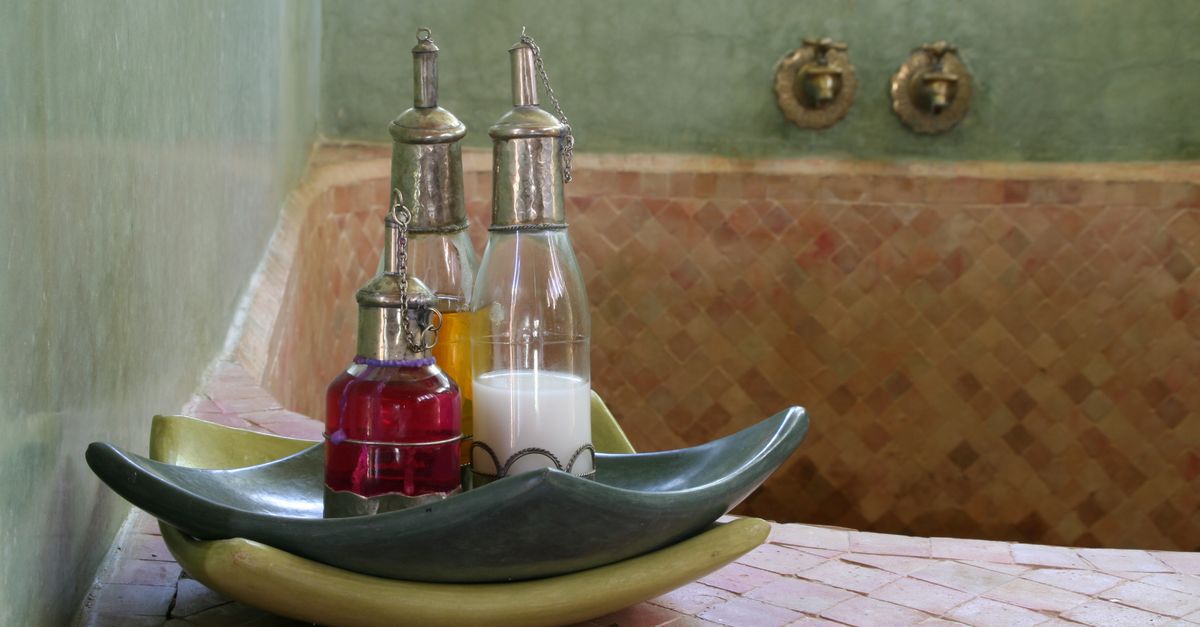
The walls are thick, and traditional hammams often use tadelakt, a waterproof plaster made from lime, black soap, and polished olive oil residue. I had not really thought about the walls before visiting. Seeing how well the material worked with all the heat and moisture made me appreciate that it was there for a reason, not just for decoration.
I also kept looking up at the ceilings. The vaulted brick arches and low domes have small circular glass openings called dhaw'iyya. The little points of light coming through the steam were one of the details I remember most. It gave the room a completely different feeling from a modern bathroom.
The Three Rooms I Experienced
I did not realize before going that a traditional hammam is divided into different rooms. You do not simply walk into one extremely hot room and start bathing. The temperature changes gradually as you move further inside.
I started in the outer room, known as El-Ghalid or El-Barrani. This is where people change and leave their shoes and clothes before going further inside. It also feels more social because the temperature is much closer to the outside.
Then I moved into El-Wastani, the warm middle room. For me, this felt like the easiest room to settle into before dealing with the strongest heat. It is also where things like washing hair, preparing soap, and taking a short break can happen.
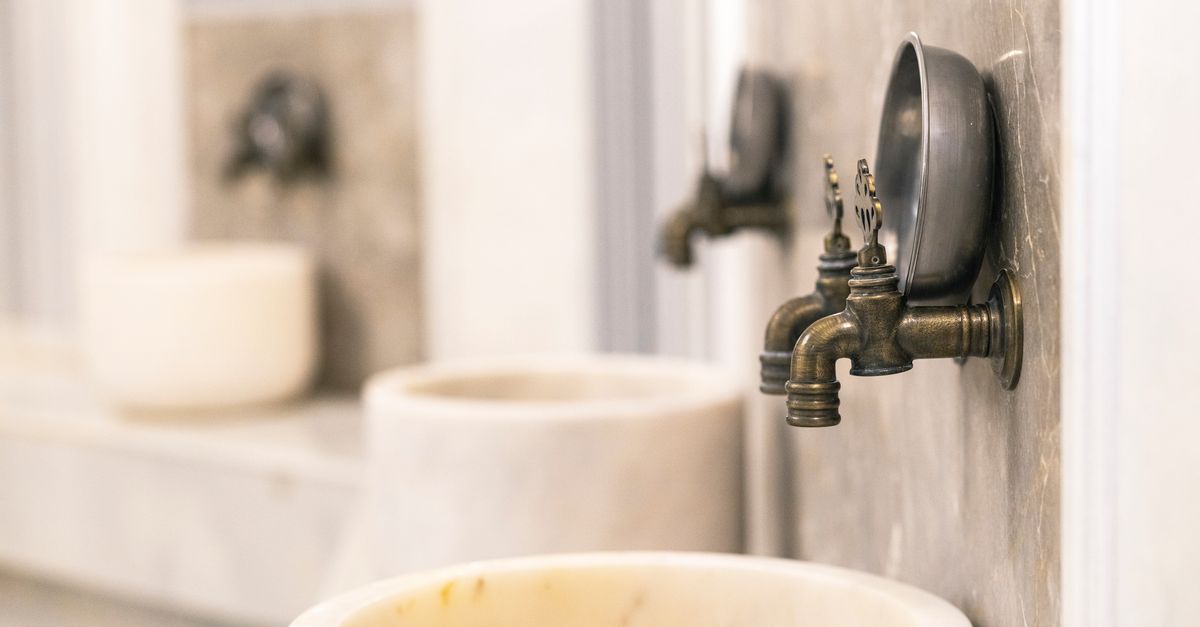
After that came El-Skhoun, the hottest room. The difference was noticeable as soon as I went further inside. The heat and humidity were much stronger, and the warm floors and benches added to it. Water from the taps is mixed in basins, and this is where the main washing and exfoliation take place.
Where All That Heat Comes From
One of the things I found most interesting was discovering how the hammam was heated. I had expected something more like the heating equipment you see in a modern spa, but the traditional system works very differently.
Under the building is the farnatchi, or farnatji, where the fire is traditionally maintained. Wood waste, carpenter shavings, compressed olive pits called jift, and other recycled biomass can be burned there.
The heat is then used in more than one way. It heats the large central copper boiler, known as the borma, while hot gases also move through channels underneath the floors. This heats the stone from below, which explains why the floor can feel so warm.
This was probably one of my favorite things to learn about. The more I looked at the hammam, the more I realized that the building itself is part of the experience. The furnace, floors, walls, water, and different rooms all have a role.

How the Hammam Routine Felt to Me
The bathing routine itself is quite simple once you understand the order. From my experience, it can easily take an hour or more because there is no need to rush through every part.
Getting Used to the Heat
After changing, I went into the hotter room with the things I needed for the bath. At first, I mostly concentrated on getting used to the heat. I poured warm water over my body and stayed there for a while before starting the actual washing.
I found that taking this time made a difference. My skin gradually became softer, and I felt much more comfortable with the heat instead of trying to do everything immediately.
Using Saboun Beldi
After warming up, I used saboun beldi. It is a dark, soft soap made from black olives and olive oil. If you are used to ordinary liquid soap, it looks and feels quite different because it does not produce lots of foam.
I spread it over the skin and left it for a while. After spending some time in the steam, it felt like the soap was simply another part of the preparation rather than something I needed to hurry through.
The Kessa Scrub
The kessa scrub was the part that felt most different to me. After rinsing away the soap, the rough glove is used to scrub the skin firmly.
You can do it yourself, or an attendant can help. The attendant may be known as a tayyaba for women or a tiyab or kassal for men. The glove is definitely rougher than anything I normally use at home, and the scrubbing feels much more thorough than an ordinary shower.
I remember being surprised by how much dead skin comes away during the process. It is not a gentle little scrub. The pressure is firm, so it is something I would want to get used to rather than rush through.
Ghassoul
After the scrub, ghassoul, also called rhassoul, can be used as a clay treatment. It is mixed with warm water, orange blossom water, or rosewater and then applied to the skin and hair.
I liked this part because it made the whole routine feel like it had a rhythm. First you warm up, then soften the skin, scrub, use the clay, and finally rinse everything away.
Finishing and Cooling Down
After rinsing off the clay, the final washing is done with warm water. Hair is washed in the warm room before returning to the outer area.
I actually liked this last part more than I expected. After spending so much time in the heat and steam, it felt good not to rush straight outside. Having some time to cool down and return to normal temperature made the ending of the experience feel much more comfortable.

The Social Side Was Just as Interesting
Another thing I noticed was that the hammam is not only about washing. It is a shared place, so there are certain habits and rules that make the experience work for everyone.
Men and women use the hammam separately. When one building serves a neighborhood, different hours are usually given to each group. Women may use it later in the morning and during the afternoon, while men may use it earlier in the morning and later in the evening.
Modesty is also part of the experience. Complete nudity is generally avoided in public hammams. Men usually wear swim trunks or dark underwear, while women may wear underwear or bikini bottoms. Having a clean, dry set of underwear ready afterward is something I would definitely remember.
I also noticed how careful people were with the water. Buckets and ladles are used from shared taps, and leaving water running without a reason is considered wasteful. When everyone is using the same space, it makes sense to be aware of how much water you are using.
The social side is something I appreciated more after understanding the history of the hammam. Traditionally, it has been a place for people to share news, prepare brides for weddings, and help with children and older family members. That makes it feel very different from walking into a private spa where everyone is there only for a treatment.

Public Hammam or Private Tourist Hammam?
If you are visiting Morocco, there is a noticeable difference between going to a neighborhood hammam and booking a private tourist hammam. I found the public version much more connected to normal local life, while the private option is more focused on privacy and comfort.
| Feature | Neighborhood Public Hammam | Private / Boutique Tourist Hammam |
|---|---|---|
| Primary Purpose | Daily hygiene, social interaction, low-cost utility | Relaxation, wellness, privacy, comfort |
| Typical Cost | Entry: 10–15 MAD; Attendant fee: 30–50 MAD | 250–800+ MAD inclusive of massage and treatments |
| Equipment Provided | None; bring your own bucket, glove, soap, and towels | Full kit provided: towels, robe, disposable underwear, products |
| Privacy Level | Communal room, shared open floor space | Private or dual treatment rooms |
| Heat Source | Traditional underground wood-fired furnace | Electric steam generator and underfloor electric heat |
| Atmosphere | Loud, steam-filled, energetic, busy family environment | Quiet, candlelit, ambient music, essential oils |
What I Would Take With Me Next Time
If I were going to a traditional neighborhood hammam again, I would make sure I had the basic supplies ready before going. Most of these things are easy to find in the local souks.
- Saboun Beldi: Sold by weight and sometimes scented with eucalyptus or lavender.
- Kessa Glove: I would choose one with a medium or coarse texture instead of a very thin synthetic glove.
- Ghassoul Clay: Available in dried flakes and mixed with warm water before use.
- Plastic Buckets and Ladle: These are easy to find around neighborhood hammam entrances.
- Flip-Flops / Rubber Sandals: I would definitely take these because the floors can become very wet and slippery.
- Modesty Underwear: I would keep a clean dry set for after the bath.
- Two Towels: One smaller towel for inside and one larger towel for drying afterward.
A Few Things I Would Keep in Mind
The heat is probably the main thing I would pay attention to. The inner rooms can become very hot and humid, and I found that taking my time made the experience much easier. Drinking water beforehand and taking a break when needed are simple things that help.
If I ever felt lightheaded or dizzy, I would leave the hottest room and sit somewhere cooler rather than trying to push through it.
The floors are another thing I would not ignore. Water, soap, and oil can make the tiles slippery, so rubber sandals are useful. I would also walk slowly instead of trying to move around quickly on the wet floor.
The kessa is something else I would be careful with. The scrub can be quite strong, especially when someone else is doing it. If the skin is sensitive, cut, badly sunburned, or affected by a skin condition, I would use lighter pressure or skip that part.
Why the Hammam Stayed With Me
What stayed with me most was how connected everything felt. The building, the heat, the water, the soap, the clay, and the people sharing the space all seemed to be part of one routine.
Before experiencing it, I would have described a hammam as an old-fashioned steam bath. After spending time inside one, that description feels too simple. The rooms have their own rhythm, the bathing has its own routine, and even small things like using water or moving around the space have their own place.
For me, that is what made the Moroccan hammam memorable. It was not simply about getting clean or relaxing for an hour. It felt like stepping into a small part of everyday life, and that was the part I found most interesting.
