
Choosing where to stay in Meknes is really a choice between two different sides of the city. You can stay close to the old medina, where historic buildings, narrow streets and traditional riads put you right in the middle of the city's past, or choose the Ville Nouvelle for easier access, modern hotels and a more familiar urban setup.
Meknes feels different from the busier tourist centers of Morocco. As one of the country's historic Imperial Cities, it has plenty of monuments and history, but the pace can feel noticeably calmer. That makes it a comfortable place to explore without trying to fit everything into a single rushed day.
Where you sleep matters, though. A riad inside the medina can make the historic center part of your experience, while a hotel in Ville Nouvelle may be much easier if you have a car, heavy luggage or an early train. After looking at the different parts of the city, these are the two areas I would consider first.

Understanding the Layout of Meknes
The easiest way to understand Meknes as a visitor is to think about the city in two main parts: the historic Old City and the newer Ville Nouvelle.
The Medina and Imperial City occupy the historic side of Meknes. This is where you find Place El Hedim, Bab Mansour, the old residential streets and many of the monuments associated with Sultan Moulay Ismail's 17th-century reign. Staying here means that many of the places you are likely to visit are within walking distance.
The Ville Nouvelle developed during the French Protectorate period. The streets are wider and more organized, with modern hotels, cafés, administrative buildings and access to the city's railway connections.
Neither area is automatically better. The right choice depends on whether you want the atmosphere of the old city or the convenience of a modern base.
Staying in the Medina and Around Place El Hedim
For a first visit focused on history and atmosphere, I would look at accommodation around the medina and Place El Hedim.
Place El Hedim is one of the natural reference points for exploring this part of Meknes. From here, it is easy to continue toward Bab Mansour and the surrounding historic streets. In the evening, the square becomes a lively place to walk, eat and watch everyday activity unfold.
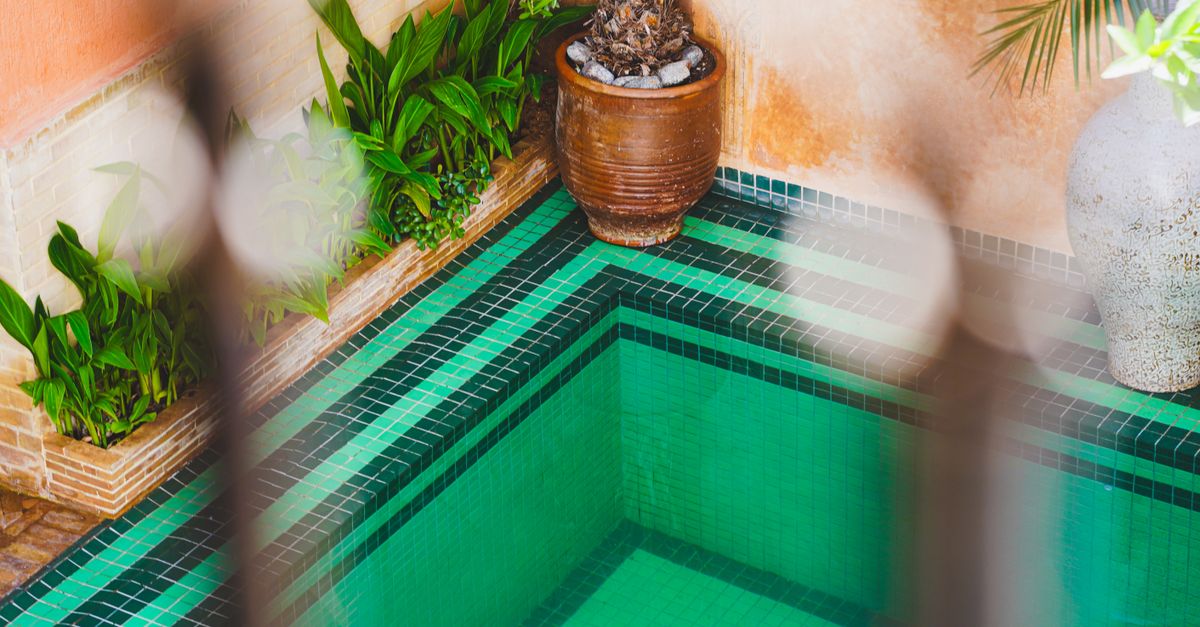
The accommodation here is mainly made up of riads and dars. These traditional homes are built around interior courtyards and often include decorative zellige tilework, carved wood and rooftop terraces.
What I like about staying in this kind of property is that the accommodation itself becomes part of the trip. Instead of returning to a generic hotel room after sightseeing, you are still surrounded by the architecture and atmosphere of the old city.
Things to Know Before Booking a Medina Riad
The main thing to remember is that the medina was not designed for modern vehicles. Cars cannot reach many of the narrower streets, so your taxi may leave you at the edge of the pedestrian area and you may need to walk the final part with your luggage.
Some riads can arrange help with luggage, so it is worth asking before arrival if you are carrying large bags.
Stairs are another consideration. Traditional buildings generally do not have elevators, and several levels of narrow stairs can be part of the experience. For travelers who need step-free access, a modern hotel may be a much easier option.
Location inside the medina also affects noise. A property close to a busy market street can feel lively late into the evening, while one tucked farther into a residential lane may be considerably quieter.
Ville Nouvelle: Easier, More Modern, and Better for Transport
Ville Nouvelle is the more practical choice if your priority is convenience.

The area around Boulevard Mohamed V and Place Administrative has a more modern city feel. Hotels here are generally easier to reach by car, and the wider streets make arriving with luggage much less complicated than navigating the old medina.
This is also the side of Meknes I would consider if I were planning a road trip through Morocco or needed to catch a train early in the morning. Elevators, conventional hotel entrances and easier vehicle access can make a surprisingly big difference when you are moving between cities.
The trade-off is atmosphere. You can reach the medina by taxi or on foot, but you are no longer sleeping inside the historic environment itself. Dining also tends to be more focused on cafés, bakeries, casual restaurants and modern establishments than on the traditional atmosphere found around the old city.
Riad or Hotel: Which Makes More Sense?
The choice between a riad and a modern hotel comes down less to luxury than to the kind of trip you are planning.

Why Choose a Riad?
A traditional riad makes the most sense if the atmosphere of historic Meknes is one of the main reasons you are visiting. Courtyards, decorative tilework, rooftop terraces and smaller-scale hospitality can make the stay feel connected to the city rather than separate from it.
Riads are particularly appealing for couples, photographers and travelers who enjoy spending time inside the property between walks through the medina.
Why Choose a Modern Hotel?
A modern hotel is easier when practical details matter most. Elevators, straightforward entrances, predictable room layouts, climate control and easier parking can all remove small complications from the trip.
For a road trip, a short stopover or a traveler carrying heavy luggage, I would not underestimate that convenience. The historic atmosphere can still be experienced during the day without necessarily having to sleep inside the medina.
What to Eat While Staying in Meknes
Meknes sits in an agricultural region known for olive groves, orchards and farming, and that connection with the surrounding countryside is reflected in the food.
One of the easiest ways to experience this side of the city is simply to eat where local residents eat rather than treating every meal as a special occasion.
Khlea
Khlea is a preserved and spiced beef preparation traditionally cooked with eggs and served with bread. It is associated with the food traditions of northern and central Morocco and can make a substantial breakfast.
Lamb with Prunes
A Moroccan lamb tagine with prunes combines slow-cooked meat with sweet and aromatic ingredients such as cinnamon, almonds and honey. It is the kind of dish that works particularly well as a relaxed evening meal.
Harira and Chebakia
Harira is a rich soup made with ingredients such as tomatoes, lentils, chickpeas, herbs and meat. It is often paired with chebakia, a sesame-and-honey pastry. Around the medina, these kinds of traditional foods are especially easy to encounter later in the day.
Volubilis and Moulay Idriss Zerhoun
One of the advantages of staying in Meknes is the opportunity to use the city as a base for exploring the surrounding historic sites.
Volubilis is the better-known excursion. The archaeological site preserves Roman columns, monumental arches and mosaic floors, giving you a chance to see a very different layer of Moroccan history outside the city itself.
Nearby, Moulay Idriss Zerhoun spreads across two hills and has a completely different atmosphere. Its narrow streets and elevated position make it worth combining with Volubilis rather than treating the two destinations as unrelated stops.
A half-day is a practical amount of time to allow for both before returning to Meknes. The exact journey time will depend on the transport you arrange and the amount of time you want to spend at each place.
Arriving in Meknes and Getting Around

Meknes is connected to Morocco's rail network, making it relatively straightforward to include in a wider trip through the country.
The city has two railway stations: Gare de Meknès and Gare de Meknès-Amir Abdelkader. Your choice of accommodation can make one more convenient than the other, so checking the station for your particular train before booking is worthwhile.
Inside the city, petit taxis are useful for journeys between the newer districts and the medina. If your accommodation is inside a pedestrian-only part of the old city, expect to finish the journey on foot.
Arriving With a Car
Driving to Meknes gives you flexibility, particularly if you plan to continue toward Volubilis or other parts of northern Morocco. The situation changes once you reach the medina, however.
I would avoid trying to take a rental car into narrow historic streets. Parking outside the medina and walking the remaining distance is much more practical. If your riad offers information about the nearest parking area or luggage drop-off point, ask for those details before arrival.
A Simple Way to Choose Your Area
If I were choosing a base in Meknes, I would start with the purpose of the trip rather than the hotel category.
- Choose the Medina or Place El Hedim if historic architecture, traditional riad life and walking access to the main sights are your priorities.
- Choose Ville Nouvelle if you value modern facilities, easier car access, elevators, straightforward luggage handling or proximity to the railway network.
- Choose a riad if the accommodation itself is part of the Moroccan experience you are looking for.
- Choose a modern hotel if convenience and predictable facilities are more important than staying inside the historic environment.
Final Thoughts
Meknes does not require a complicated accommodation strategy. The biggest decision is simply whether you want to wake up inside the historic atmosphere of the medina or have the practical advantages of the Ville Nouvelle.
For a first visit, I can see the appeal of staying near Place El Hedim. Being able to step outside and start walking through the old city without arranging transport changes the rhythm of the day. At the same time, a modern hotel in Ville Nouvelle can make more sense if Meknes is only one stop on a longer road or rail journey.
Whichever side you choose, leave some time to explore beyond the obvious monuments. Eat something local, walk through the quieter streets, visit the historic sites and, if your schedule allows, make the trip out to Volubilis and Moulay Idriss Zerhoun.
The best place to stay in Meknes is ultimately the one that fits the way you want to experience the city. The medina offers atmosphere and history; Ville Nouvelle offers convenience. Knowing that difference before booking makes the choice much easier.
