
Finding a good place to stay in Safi is a little different from choosing accommodation in Morocco's more polished tourist cities. Safi is a working Atlantic port, and that is part of what makes it interesting. Fishing boats, pottery workshops, old Portuguese walls, busy markets, and everyday local life all share the same small coastal city.
For me, the biggest thing to understand before booking is Safi's layout. The old medina sits down toward the port, while the newer part of the city spreads across higher ground above the Atlantic. There are also quieter coastal bases outside the city if you are traveling by car and want more of a beach escape. Where you stay can therefore change the whole rhythm of your visit.

Understanding Safi’s Layout: Where Travelers Usually Stay
Safi is spread across an uneven coastal landscape, with steep sections leading down toward the Atlantic. Once you understand this, choosing accommodation becomes much easier.
- The Upper Cliff and Corniche: The higher part of the city is where you will find many of the larger hotels, wider streets, easier parking, and open views toward the Atlantic. It is a convenient choice if you arrive by car or prefer a quieter place to sleep.
- The Old Medina and Port Area: Down below, the historic center feels much more intimate. The medina puts you close to markets, traditional streets, historic buildings, and the port. The trade-off is that the streets become narrow and vehicles cannot reach every part of the old city.
- Colline des Potiers: Just outside the medina, Potters' Hill is one of the most distinctive parts of Safi. This is where the city's long ceramics tradition becomes very visible, with workshops, kilns, and artisans working with clay. There are fewer accommodation options here, but it is worth considering the area when choosing where you want to spend your days.
- Coastal Bases Outside Safi: If your trip is part of a longer Atlantic road journey, places such as Oualidia and Souiria Nouveau can work as alternatives. They make more sense for travelers who want beaches, quieter surroundings, or resort-style accommodation and are happy to visit Safi as an excursion.
Option 1: The Cliffside and Corniche
If you are arriving in Safi by car, the upper part of the city is probably the easiest place to base yourself. The streets are more accessible, parking is generally simpler, and many hotels have open views toward the Atlantic.

Why Stay Here?
The main attraction is convenience. You can have the sea nearby without dealing with the tight lanes of the medina every time you return to your accommodation. For a road trip, that small difference can make the stay feel considerably easier.
Best For: Road trippers, families, travelers who prefer modern hotel facilities, and anyone who wants an ocean view without giving up easy vehicle access.
- What to Expect: Most accommodation is made up of conventional hotels, with some older properties alongside renovated or more contemporary options. Rooms facing the Atlantic are usually the most desirable.
- Getting Around: From the upper city, it is generally straightforward to take a petit taxi down toward the medina. This means you can enjoy the quieter upper area while still spending your days exploring the historic center.
- One Thing to Remember: The Atlantic breeze can feel surprisingly cool, particularly during winter evenings. If you are visiting between November and March, it is worth checking whether your accommodation has reliable heating or extra blankets.
Option 2: The Old Medina and Historic Center
Staying in the old medina gives you a very different experience. Instead of returning to a conventional hotel district at the end of the day, you are surrounded by the older side of Safi, where small shops, bakeries, workshops, and everyday neighborhood life continue around the historic streets.

Why Stay in the Medina?
Safi's medina is considerably less overwhelming than the famous old cities of Marrakech or Fes. That makes it appealing if you want to experience a historic Moroccan neighborhood without feeling as though every street has been arranged for tourism.
Best For: Independent travelers, couples, backpackers, photographers, and anyone more interested in atmosphere than resort facilities.
- Accommodation Style: Expect smaller guesthouses, traditional houses, and family-run properties rather than large luxury hotels. The character of these places is often part of the experience.
- Walkability: Once you are settled in, many of the historic sights, markets, workshops, and food spots can be reached on foot.
- Arriving With Luggage: This is where planning matters. Cars cannot reach many of the narrowest streets, so you may need to leave your vehicle outside the medina and walk the final section with your bags.
- Parking: If you are driving, ask your accommodation in advance where guests normally park. A short walk from a guarded parking area can be much easier than trying to navigate the old streets by car.
Option 3: Coastal Bases Near Safi
If Safi is only one stop on a longer Atlantic road trip, you do not necessarily have to sleep in the city itself. Nearby coastal destinations can give you a quieter base, especially if beaches and relaxation are just as important to you as sightseeing.

Oualidia
Oualidia is the more obvious choice if you want to combine a Safi visit with a coastal getaway. Its lagoon, seafood, beaches, and boutique accommodation give it a much more relaxed holiday atmosphere.
At roughly 65 kilometers north of Safi, it can work well for travelers who prefer to sleep near the water and make Safi a day trip. The choice is particularly attractive if you are already following the Atlantic coast by car.
Souiria Nouveau
South of Safi, Souiria Nouveau offers a quieter alternative. It is more suited to travelers looking for a simple coastal environment, holiday apartments, or a slower few days away from larger towns.
It does not have the same range of accommodation as Oualidia, but that can actually be part of its appeal for travelers who prefer somewhere less developed.
Practical Travel Logistics for Safi
Getting to Safi
Safi is relatively straightforward to reach, particularly if you are traveling along Morocco's Atlantic coast.
- By Car: From Casablanca or El Jadida, you can continue south along the Atlantic corridor toward Safi. From Marrakech, the western route provides a direct road connection to the coast.
- By Bus: Intercity buses connect Safi with several major Moroccan cities. The bus station is located in the lower part of the city, making it useful to check the exact location of your accommodation before arriving with luggage.
- By Train: Safi is connected to Morocco's railway network, although travelers coming from major cities may need to connect through another railway hub depending on their route.
Getting Around the City
For most visitors, petit taxis are the easiest way to move between the upper city and the medina. Distances are not huge, but Safi's slopes mean that a short ride can sometimes be much more comfortable than walking uphill.
If you are using a taxi, make sure you understand the fare arrangement before setting off and confirm that the meter is being used where applicable.
What to See During Your Stay in Safi
One reason I would avoid treating Safi as simply an overnight stop is the amount of character packed into the old city and its surrounding artisan districts. Even one full day gives you time to see several different sides of the city.
- Colline des Potiers: This is the place to see Safi's famous ceramics tradition up close. Workshops and kilns give you a much better sense of the work behind the colorful pottery sold throughout Morocco.
- Ksar El Bahr: The old sea fortress is one of Safi's most recognizable coastal landmarks. Its position beside the Atlantic makes it especially interesting for photography, although access conditions can change depending on conservation work and coastal safety.
- The Old Medina and Souks: Walking through the old streets is an easy way to experience Safi's everyday rhythm. The atmosphere feels more local and working than in Morocco's heavily visited tourist medinas.
- National Ceramics Museum: The museum provides useful context for the pottery tradition that you see throughout the city, including examples of Moroccan ceramics and decorative tilework.
Eating in Safi: Sardines, Seafood, and Local Flavors
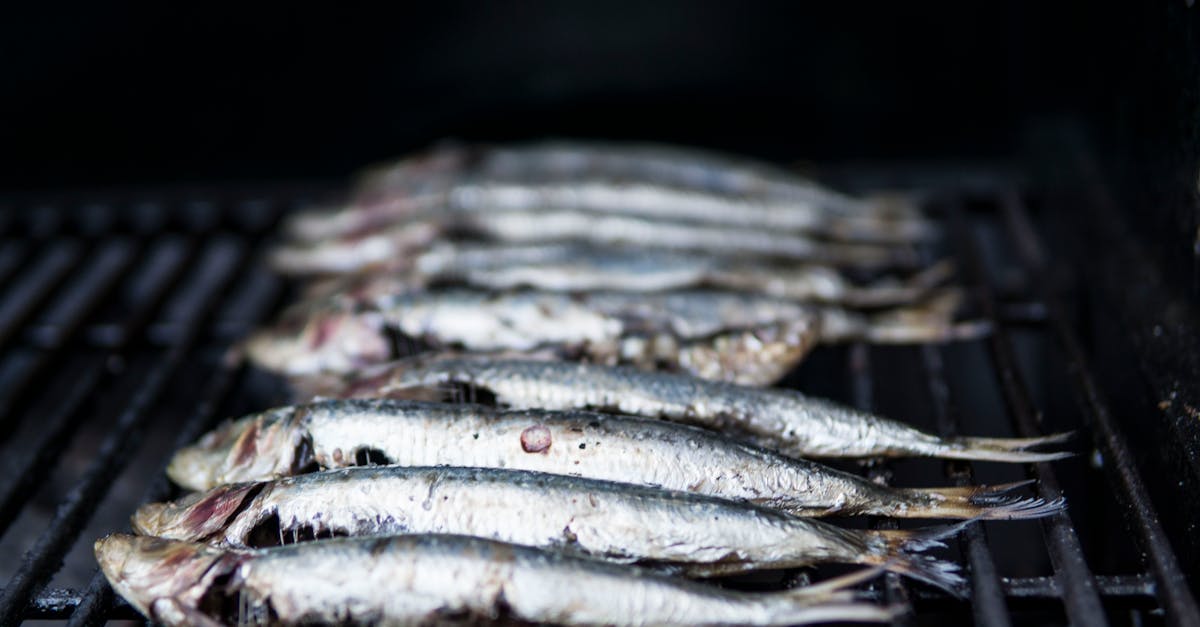
Safi's identity is closely tied to the Atlantic, so seafood should be part of the experience. The city is particularly associated with sardines, and eating them locally feels much more connected to Safi than simply ordering another standard Moroccan tagine.
- Fresh Sardines: Look for casual places near the port and fish market where sardines are grilled over charcoal and seasoned with charmoula. The combination of garlic, herbs, cumin, paprika, lemon, and olive oil gives the fish plenty of flavor without making the dish complicated.
- Fish Tagine: Seafood also appears in local tagines, often combined with tomatoes, peppers, preserved lemon, olives, and Moroccan spices.
- Local Pottery: One small detail that makes eating in Safi more memorable is seeing food served in locally produced ceramic dishes. Given the city's pottery tradition, the tableware itself becomes part of the experience.
Money, Payments, and a Few Practical Things to Know
- Cash: Larger hotels are more likely to accept cards, while small guesthouses, cafes, pottery workshops, and taxis are easier to handle with Moroccan dirhams.
- ATMs: You will find bank ATMs around the main parts of the upper city and near the larger avenues around the medina.
- Walking at Night: Safi is a working Moroccan city rather than a resort town. Normal urban awareness is sensible, especially on quiet medina streets or isolated sections of the coastal cliffs after dark.
- Buying Pottery: If you plan to take ceramics home, spend some time comparing pieces and prices before buying. The workshops around Potters' Hill give you plenty of opportunity to see different styles and finishes.
So, Where Should You Stay in Safi?
The best area really depends on what you want from Safi.
- Choose the Cliffside or Corniche if: You are driving, want ocean views, prefer conventional hotel facilities, and value easy parking.
- Choose the Old Medina if: You want to wake up surrounded by historic streets, walk to markets and landmarks, and experience a more intimate side of Safi.
- Choose Oualidia as your base if: You are more interested in beaches, lagoon views, seafood, and a relaxed coastal hotel experience, with Safi visited as a day trip.
Safi may not have the polished tourism infrastructure of Essaouira or the resort atmosphere of Oualidia, but that is exactly why I think it is worth considering. Staying in the right part of town lets you experience both sides of the city—the Atlantic-facing modern plateau and the older world around the medina and port. Give yourself enough time to slow down, explore the pottery workshops, eat fresh seafood, and simply watch the city work around you.
