
Stepping out into a Moroccan medina in the early morning air, one of the first smells to greet you isn't spice or roasting coffee—it is the earthy, toasted aroma of coarse semolina heating on iron griddles. Before the souks swell with shoppers and shopkeepers unroll their carpets, street bakers and neighborhood cafes are already turning out fresh batches of harcha. Golden-yellow, crusty on the outside, and delightfully crumbly within, this stovetop semolina bread is a cornerstone of daily life across the Kingdom.
Pronounced har-CHA (derived from the Arabic word harsh, meaning rough or abrasive, referring to its textured semolina coating), this round, pan-fried flatbread occupies a prized place on Moroccan breakfast tables and afternoon tea spreads. Whether torn hot and slathered with melted butter and wild honey or enjoyed savory with soft white cheese and olives, harcha is far more than simple fuel. It is an emblem of home cooking, communal warmth, and the timeless ritual of Moroccan hospitality.

What is Moroccan Harcha?
To the uninitiated eye, harcha might look like an oversized English muffin or a thick North American corn biscuit. However, its ingredient profile and texture are distinctly North African. Made primarily from fine semolina flour mixed with butter or oil, milk or water, a pinch of salt, sugar, and a touch of baking powder, harcha is cooked not in an oven, but directly on a heavy cast-iron pan or flat griddle (known locally as a makla or tajine).
Unlike yeast-leavened Moroccan breads like khobz, harcha relies on baking powder or gentle manual kneading for its light rise, producing a dense yet crumbly cake-like texture. Before hitting the heat, the dough rounds are rolled generously in coarse semolina. As the cake cooks over medium-low heat, this outer coating toasts into a crunchy, fragrant crust while the interior cooks into a soft, tender crumb.
Harcha comes in two main formats: individual hand-sized mini cakes (often sold at snack bars and modern cafes) and large, pie-sized discs made in traditional neighborhood bakeries, which are sliced into wedges upon order.
Ingredients and How Harcha is Made
The beauty of harcha lies in its rustic simplicity. The traditional recipe relies on pantry staples that have sustained Maghrebi households for centuries:
- Fine and Coarse Semolina (Smid): Semolina is the heart of harcha. Fine semolina provides structure to the dough, while coarse semolina is used for dusting, giving the bread its characteristic sandy, crispy exterior.
- Fat (Butter or Vegetable Oil): Butter yields a richer, melt-in-your-mouth pastry flavor, while vegetable oil or olive oil produces a slightly lighter, everyday bread. Many traditional cooks use a combination of melted butter and oil.
- Liquid (Milk or Water): Whole milk yields a soft, tender interior, though water or buttermilk (lben) is also commonly used in home kitchens.
- Leavening & Seasoning: A small amount of baking powder gives the bread lightness, balanced by a pinch of salt and a spoonful of sugar to encourage golden caramelization on the griddle.

The Artisanal Technique
Preparing harcha requires a delicate touch. Bakers combine the dry semolina with fat first—a process similar to making shortcrust pastry—rubbing the mixture between their fingers until every grain of semolina is coated in oil or butter. This technique prevents gluten formation, ensuring the bread remains crumbly rather than chewy.
Liquid is added gently until a soft dough forms. Because semolina absorbs moisture rapidly, the dough must be handled quickly. It is shaped into balls, coated liberally in coarse semolina, flattened into discs about half an inch thick, and placed onto a dry, ungreased heavy skillet. Slow, steady heating ensures the exterior turns deeply golden without burning before the center cooks through fully.
How and When to Eat Harcha
Harcha is versatile and eaten throughout the day, though two times are particularly sacred in Moroccan food culture: early morning breakfast (f'tour) and late afternoon tea time (kass atay).
The Classic Sweet Combination
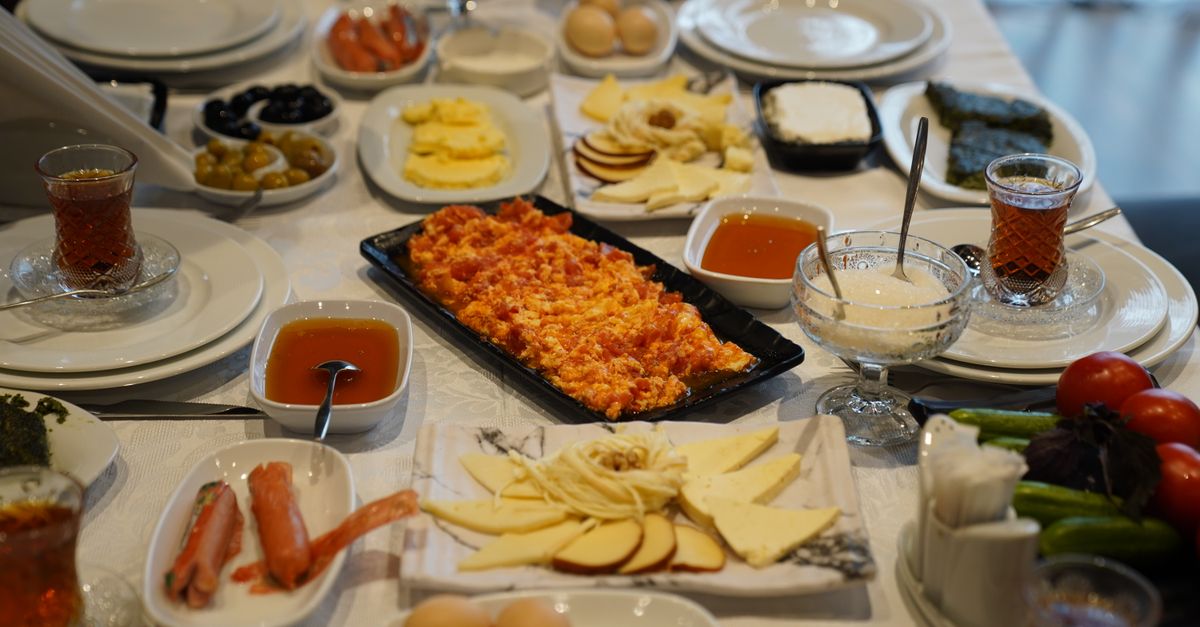
By far the most classic way to enjoy warm harcha is sliced open horizontally and drenched in a warm mixture of melted butter and orange blossom-infused honey. The hot, porous semolina absorbs the sweet syrup, creating a rich contrast with the crispy, salty crust. It is routinely served alongside small bowls of fig jam or wild wildflower honey for dipping.
The Savory Alternative
For those who prefer a savory bite, harcha pairs brilliantly with local dairy and spreads:
- Jben: Fresh, lightly salted Moroccan white goat or cow's milk cheese, similar to ricotta or farmer's cheese.
- Amlou: A thick, luxurious spread crafted from toasted almonds, pure argan oil, and honey, originating from the Souss region.
- Kiri or Laughing Cow (Vache Qui Rit): Ubiquitous across North Africa, soft processed cheese wedges spread onto piping hot harcha create a creamy, nostalgic local comfort food.
- Cured Olives & Olive Oil: Black or green Moroccan cured olives served alongside high-quality extra virgin olive oil for dipping.
Where to Find the Best Harcha in Morocco
You do not need to hunt far to find harcha in Morocco, but knowing where to look elevates the experience from a routine snack to an authentic culinary memory.
1. Neighborhood Mahlaba (Dairy Shops)
The absolute best place to taste everyday harcha is a local mahlaba. Found in every town and city quarter, these neighborhood dairy cafes serve fresh milk, buttermilk, yogurt, juices, and griddled breads. Here, harcha is baked fresh continuously throughout the morning and evening rush. You can sit at a small formica table, order a hot wedge of harcha slathered with cheese or honey, and pair it with a glass of raib (sweetened cultured milk) or hot coffee with milk (café au lait).
2. Street Food Stalls in Medina Souks
In bustling historical centers like Marrakech, Fes, Meknes, and Tangier, street vendors set up large circular iron griddles in the medina lanes during early morning hours and late afternoon (around 4:00 PM to 6:00 PM). Watching a baker handle massive rounds of golden semolina dough amidst clouds of flour and steam is a classic street performance. Street wedges are extremely inexpensive, usually costing between 3 to 7 Moroccan Dirhams (MAD) per serving depending on the toppings chosen.
3. Traditional Cafes and Riads
Most mid-range to luxury riads (traditional courtyard hotels) feature harcha as a centerpiece of their multi-course breakfast spreads, served alongside msemen (flaky layered crepes) and baghrir (spongy thousand-hole pancakes). Traditional outdoor cafes along city promenades also offer harcha breakfast combos accompanied by fresh orange juice and a teapot of mint tea.
Regional Variations of Harcha
While standard harcha is universal, regional touches add fascinating variety as you travel across the country:
- Harcha dial Achab (Herbed Harcha): In rural Berber communities and Atlas Mountain villages, fresh wild herbs such as thyme (za'atar), pennyroyal mint (fliou), or oregano are kneaded directly into the semolina dough. This produces an aromatic, savory bread that requires little more than olive oil for dipping.
- Harcha dial Ma'dnous (Onion & Herb Stuffed): Popular in North-Central Morocco, this savory variation stuffs the semolina dough with a sauteed filling of finely chopped onions, parsley, spices, and sometimes small strips of cured fat or beef.
- Oven-Baked Sweet Harcha (Harcha au Four): Found frequently in modern urban bakeries, this cake-like version includes yogurt or buttermilk, egg, and extra sugar in the batter. It is baked in a round tin in the oven rather than pan-fried on a griddle, resulting in a soft, cake-like slice dusted with coconut or semolina.
Cultural Context: Atay and the Spirit of Moroccan Hospitality
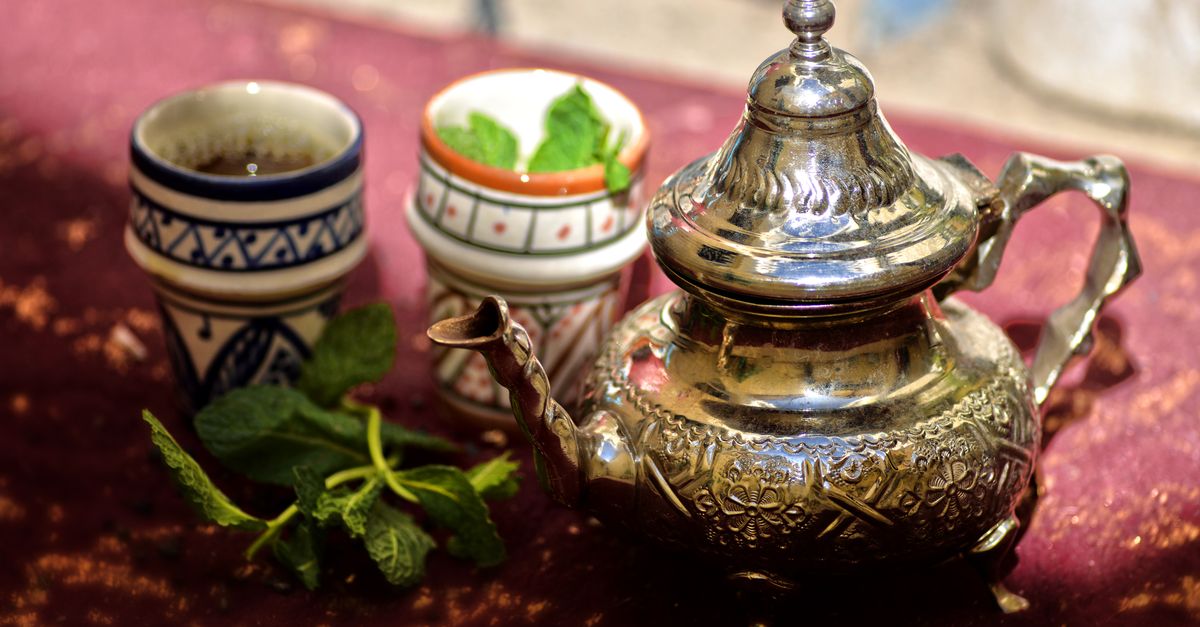
To eat harcha without tea is to miss half the story. In Moroccan cuisine, harcha and Atay Bi Na'na (traditional gun-powder green tea steeped with fresh spearmint and sugar) are inseparable partners. The astringent, sweet mint tea cuts cleanly through the rich butter and earthy semolina of the bread.
Serving tea and warm harcha is the core of Moroccan home hospitality. If you are invited into a local family home for late afternoon tea, you will almost certainly be offered fresh harcha alongside almonds, dates, and sweet pastries. It is customary to take bread with your right hand, tear off a manageable piece, and use it to scoop up cheese, press into honey, or wrap around an olive.
Practical Tips for Travelers
- Timing Matters: For the freshest, warmest experience, visit street stalls or mahlabas either between 7:00 AM – 9:30 AM for breakfast, or between 4:30 PM – 6:30 PM when locals gather for tea before dinner.
- Payment & Currency: Mahlabas and street bakery stalls operate almost exclusively on cash in local Moroccan Dirhams (MAD). Carry small coins and notes (10, 20, or 50 MAD notes), as vendors may struggle to break 100 or 200 MAD bills for a small bread purchase.
- Dietary Notes: Standard harcha is naturally vegetarian. However, vegans should ask if oil (zeit) or butter (zubda) was used in the dough, as butter and milk are standard in many recipes. Harcha is made from durum wheat semolina and is not gluten-free.
- Ordering Phrases: In Moroccan Darija (local Arabic), you can ask for harcha b'asl u zubda (harcha with honey and butter) or harcha b'jben (harcha with cheese).
