
Dramatically set against the backdrop of the jagged Rif Mountains, Tetouan (Tétouan) stands out as one of northern Morocco's most culturally distinct cities. Known as "The White Dove" (El Hamma el Beida), this historic city was rebuilt in the 15th century by Andalusian refugees—both Muslims and Jews—fleeing the Spanish Reconquista. This unique history created an extraordinary fusion of Hispano-Moorish architecture, traditional craftsmanship, and refined culinary heritage that remains vibrant today.
Unlike the high-volume tourist centers of Marrakech or nearby Chefchaouen, Tetouan retains an authentic, unhurried pace. Its ancient medina, recognized as a UNESCO World Heritage site, is widely considered one of the best-preserved and most complete in Morocco. This comprehensive guide covers how to respectfully navigate the ancient medina, experience authentic local culture, sample unique regional northern Moroccan dishes, and travel around the region effortlessly.
What Is Really Worth Seeing in Tetouan
Tetouan’s attraction lies in its preserved spatial layout, where distinct artisan quarters, historical religious monuments, and residential neighborhoods have functioned uninterrupted for centuries.
The UNESCO-Listed Old Medina
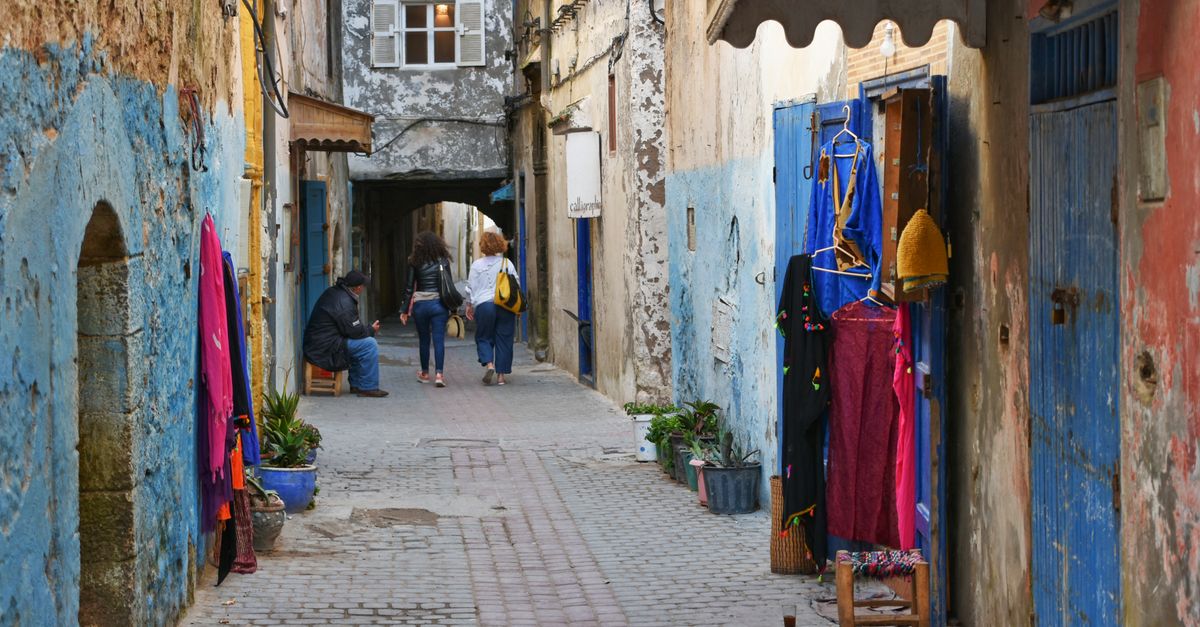
Why visit: Tetouan’s medina is a pristine example of Hispano-Moorish urban planning. Enclosed by historical stone walls and accessed through seven distinct gate doors (such as Bab El Oqla and Bab Rouah), the car-free medina features whitewashed residential streets, carved wooden porticos, and lively artisan markets arranged by trade, including tanners, carpenters, metalsmiths, and embroiderers.
Best time to visit: Morning hours between 9:30 AM and 12:30 PM when shopkeepers open their stalls and daylight illuminates the narrow alleys.
Realistic visit duration: 3 to 4 hours of unhurried walking.
How to get there: Centrally located; pedestrian access begins directly from Place El Meshwar or Place Moulay El Mehdi.
Price & Accessibility: Free access. It is family-friendly, though cobblestone stairways and narrow passages mean strollers are impractical; wearing comfortable walking shoes is essential.
Practical caution: Unlike larger tourist cities, local guides here may be less common, and streets are winding. While perfectly safe, using a offline GPS map or hiring an official local guide from the regional tourist bureau helps avoid getting lost in residential corridors.
The Artisanal School (École des Arts et Métiers Tétouan)
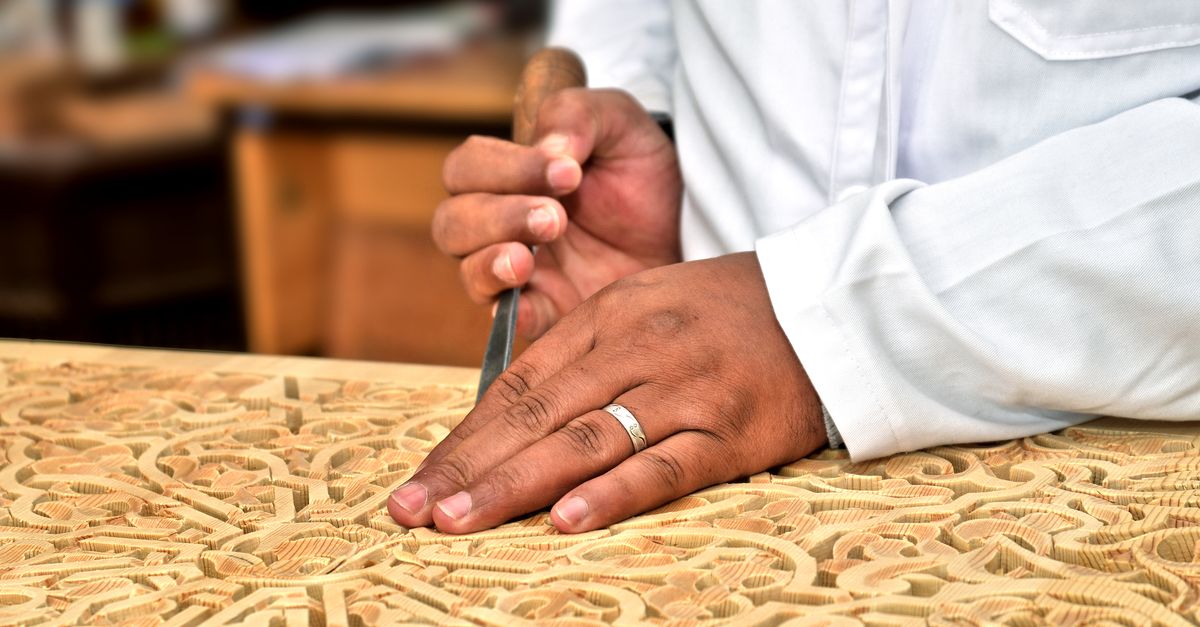
Why visit: Positioned near Bab El Oqla, this historic vocational institution was founded during the Spanish Protectorate era to protect and preserve traditional northern Moroccan crafts. Visitors can observe master artisans (Maâlems) teaching young apprentices classical arts including hand-painted wood (Zouak), sculpted plaster, zellige tilework, leather tooling, and wrought ironwork.
Best time: Weekday mornings (Monday through Friday) when active workshops are in session.
Realistic visit duration: 1 hour.
Price: Nominal entry fee (typically around 10 to 20 MAD).
The Mellah (Old Jewish Quarter)
Why visit: Located inside the medina perimeter, the historic Jewish quarter features noticeably different architecture than the rest of the medina, characterized by straight street grids, outer balconies, and decorative ironwork. It highlights the centuries of peaceful co-existence and shared heritage between Muslim and Jewish communities in northern Morocco.
Best time: Late morning or early afternoon.
Realistic visit duration: 1 hour.

Lesser-Known Spots and Quiet Escapes
The Spanish Ensanche District
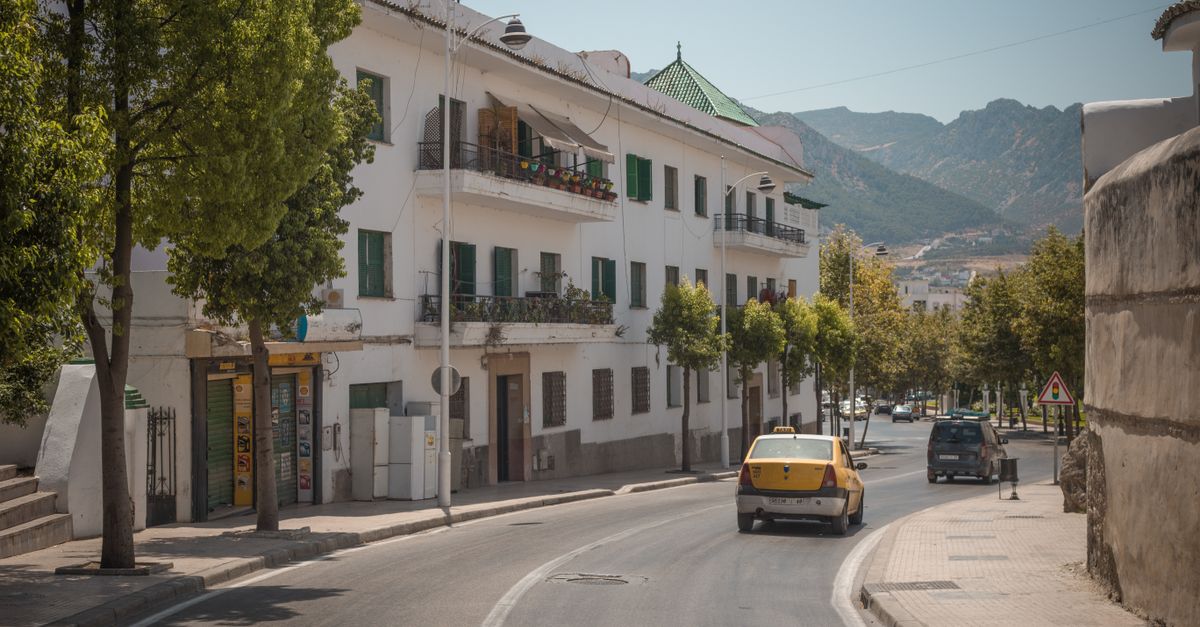
Directly bordering the western gates of the medina lies the Ensanche, built during the Spanish Protectorate period (1912–1956). Defined by broad circular plazas like Place Moulay El Mehdi, neoclassical white buildings, and Spanish colonial arches, this quarter offers a sharp architectural contrast to the medieval medina. It is the perfect place for a relaxed afternoon coffee or walk along Avenue Mohammed V.
Tetouan Archaeological Museum
Located near the border between the Ensanche and Medina, this modest yet fascinating museum displays historical artifacts from the ancient Roman city of Lixus and Tamuda. Highlights include detailed Roman mosaics, ancient coinage, and prehistoric pottery from northern Morocco, offering valuable context on the region's ancient pre-Islamic history.
Tetouan Culture & Medina Etiquette
Tetouan is a culturally proud and somewhat conservative city that sees fewer foreign tour groups than southern Moroccan hubs. Visitors are warmly welcomed, provided basic cultural norms are respected.
- Modesty and Dress Code: Modest attire is appreciated throughout the city. Covering shoulders and knees for both men and women is recommended when walking through residential medina quarters and traditional markets.
- Photography Protocol: Always ask permission before taking photos of local residents, market vendors, or children. Avoid taking photos inside working artisan stalls without engaging in polite conversation first.
- Navigating and Respecting Residential Streets: Dead-end alleys (derbs) in the medina lead to private family homes. Respect residential privacy by keeping noise levels down, especially in the evening.
- Bargaining Etiquette: Traditional craft markets in Tetouan cater primarily to local residents rather than tourists. While polite bargaining is acceptable for high-value items like leather or rugs, keep negotiations friendly and reasonable. Daily food items, bread, and small everyday goods have fixed local prices.
- Language Context: Spanish is widely spoken and understood across Tetouan alongside Moroccan Darija (Arabic), owing to northern Morocco's historical ties with Spain. French is also used in business and hotels, while basic English is common among younger hospitality staff.
Where and What to Eat in Tetouan
Tetouan’s local cuisine reflects a rich fusion of Andalusian refinement, Mediterranean coastal seafood, and hearty Rif mountain produce.
1. Tetouani Pastilla (Bastilla)
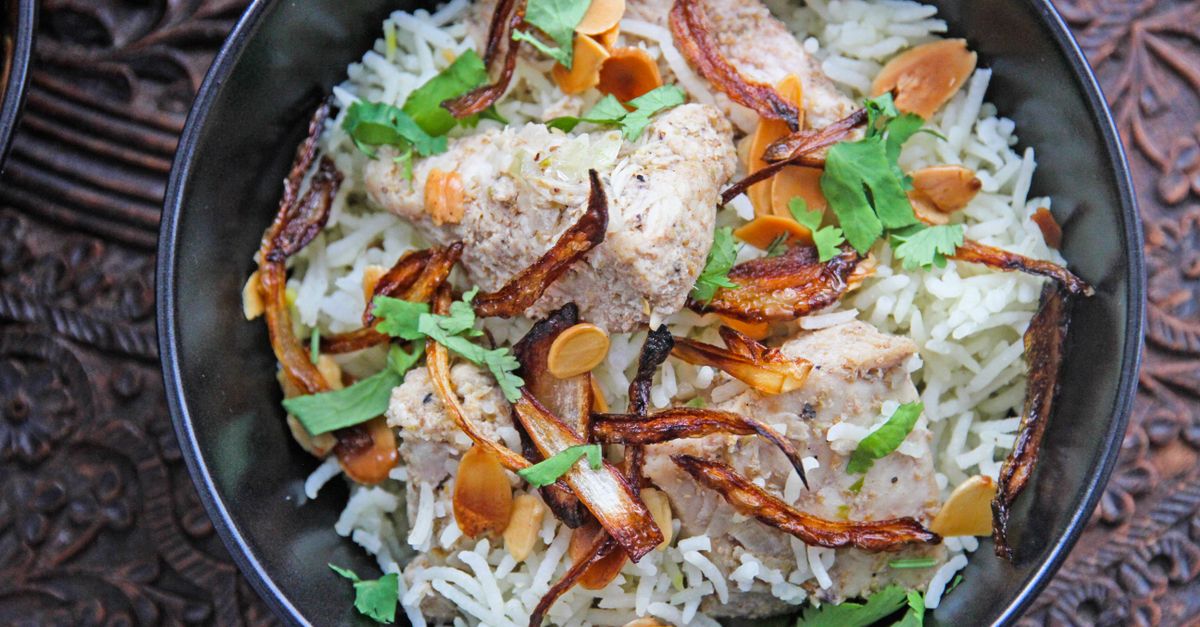
Ingredients & Connection: Unlike the extra-sweet variations found elsewhere, Tetouani pastilla balances sweet and savory flavors using thin flaky pastry layers stuffed with spiced shredded chicken, eggs cooked in rich onion sauce, roasted almonds, cinnamon, and orange blossom water, lightly dusted with powdered sugar.
When & Where: Traditionally served during family celebrations, weddings, and Friday gatherings. Visitors can order authentic pastilla at traditional Moroccan restaurants around the Ensanche district and major medina dining houses.
2. Northern Moroccan Fish Tagine (Tagine de Poisson à la Charmoula)
Ingredients & Connection: Freshly caught Mediterranean sea bass or swordfish simmered with tomatoes, bell peppers, carrots, lemons, and a generous marinade of fresh cilantro, garlic, cumin, paprika, and olive oil.
When & Where: Eaten primarily for lunch. Found in local seafood restaurants near Place Hassan II and along the road leading toward the coastal resort of Martil.
3. Jebli Cheese and Mountain Honey (Fromage Frais Beldi)
Ingredients & Connection: Fresh goat milk cheese traditionally pressed in woven palm frond molds, served alongside organic mountain honey and warm freshly baked flatbread.
When & Where: A staple breakfast and afternoon tea item. Local rural women (Jebli farmers) wearing distinctive striped red-and-white woven skirts (fouta) sell fresh cheeses in the morning markets near Bab El Oqla.
How to Get Around Tetouan and Surrounds
Getting around Tetouan is simple and cost-effective using the local transport system.
1. Navigating on Foot
The entire historic Medina and neighboring Ensanche district are best explored entirely on foot. Motorized vehicles are prohibited inside the medina walls, making comfortable footwear essential.
2. City Taxis (Petit Taxis)
Within city boundaries, small yellow Dacia or Fiat vehicles operate as Petit Taxis.
- Meter Requirement: Drivers are required to use the digital meter (compteur). Fares within the city center are inexpensive, rarely exceeding 10 to 20 MAD for short journeys.
- Capacity: Licensed for up to 3 passengers.
3. Regional Shared Taxis (Grand Taxis)
Larger shared taxis depart from designated terminals across the city and connect Tetouan with nearby coastal towns and cities:
- To Martil and Cabo Negro: Frequent 15-minute rides departing from the Martil taxi stand near the city center (around 5 to 10 MAD per seat).
- To Chefchaouen: Grand taxis and local regional buses depart regularly from the main Tetouan Gare Routière (bus station), taking approximately 1.5 hours.
Tetouan does not have a direct train station. The nearest main railway station is Tanger-Ville (Tangier), connected to high-speed Al Boraq trains. From Tangier, visitors can reach Tetouan in approximately 1 hour via CTM bus or private/grand taxi transfers.
How Long to Stay and Suggested Itineraries
Tetouan works well as a dedicated cultural destination or as an insightful stop on a northern Moroccan itinerary:
- 1 Day (Condensed Visit): Start with a morning exploration of the medina starting at Bab El Oqla, visit the École des Arts et Métiers, enjoy a traditional fish tagine lunch, and spend the afternoon strolling through the Spanish Ensanche and Place Moulay El Mehdi.
- 2 Days (Recommended Stay): Dedicate Day 1 to fully exploring the medina, artisan guilds, and the Mellah. On Day 2, visit the Archaeological Museum in the morning, followed by an afternoon side trip to the nearby coastal promenade of Martil or the beaches of Cabo Negro.
- 3 Days (Northern Explorer Base): Combine Tetouan's cultural attractions with a day trip into the surrounding Rif Mountains or nearby Rif villages, using Tetouan as a quiet, authentic base away from heavy tourist crowds.
Practical Trip Planning & Money Realities
Best Season to Visit
Spring (March to May) and Autumn (September to November) bring warm temperatures and clear mountain air, ideal for walking. Summers (July to August) are warm but manageable compared to inland cities due to coastal Mediterranean breezes, though nearby beaches fill up with domestic vacationers. Winters (December to February) are cool with occasional rainfall.
Money & Payment Guidance
- Currency: Moroccan Dirham (MAD). Cash is necessary for all transactions inside the medina markets, small cafes, grand taxis, and tipping.
- ATMs: Bank ATMs are plentiful throughout the modern Ensanche district along Avenue Mohammed V. Credit cards are accepted primarily in modern hotels and upscale restaurants.
Safety & Practical Awareness
Tetouan is a safe, friendly city with low rates of tourist-targeted crime. Standard urban precautions apply: keep personal belongings secure in crowded market passages, confirm grand taxi fares before departing, and respect local cultural norms throughout your stay.
