
Set against the dramatic backdrop of the jagged Rif Mountains in northern Morocco, Tetouan offers one of the most distinctive and authentic urban experiences in North Africa. Known locally as the White Dove (L'Colomba Blanca), the city served as a primary point of refuge for Muslims and Jews expelled from Andalusia during the Reconquista between the 15th and 17th centuries. This profound Iberian heritage remains etched into every aspect of Tetouan's identity, from its pristine, white-painted medina to its language, classical music traditions, and coastal gastronomy.
Unlike the heavily commercialized tourist centers of Marrakech or Fes, Tetouan remains an active, working city where commerce and daily life strictly cater to residents rather than foreign visitors. Designated as a UNESCO World Heritage site in 1997, its historic core is celebrated as one of the best-preserved and most intact medinas in Morocco. Navigating Tetouan successfully requires an understanding of local cultural norms, practical transport methods, and respect for its unique historic rhythm. This guide provides actionable insights for independent travelers seeking to experience Tetouan thoughtfully and efficiently.
Exploring the UNESCO-Listed Medina of Tetouan
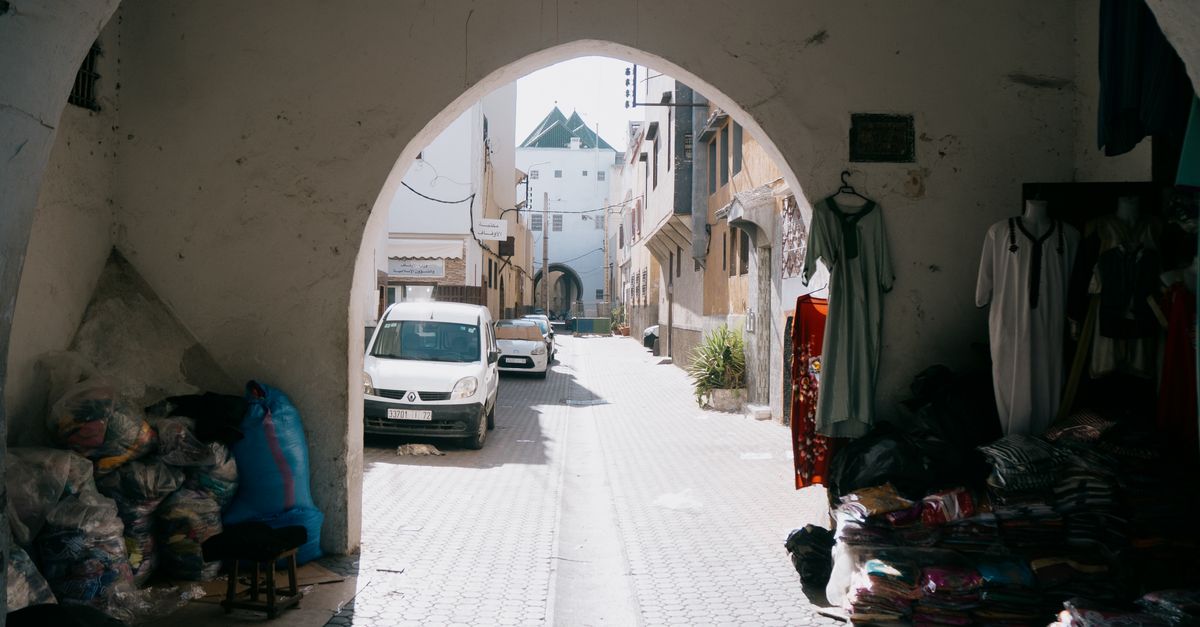
The Medina of Tetouan is notable for its compact, organized layout, enclosed by historic fortification walls punctuated by seven distinct historic gates. Rebuilt almost entirely from the late 15th century onward by Andalusian refugees led by Sidi Ali al-Mandri, the architecture directly reflects Spanish-Moorish influences characterized by crisp whitewashed facades, green-tiled details, light-filled courtyards, and narrow, stone-paved passages.
Because the medina remains a living neighborhood rather than a open-air market tailored for tourists, visitor interactions here feel grounded and genuine. Navigating the historic quarters offers an uninterrupted view into traditional artisan crafts, including leather tanning, zellige tile production, wood painting, and intricate embroidery.
- Why Visit: To experience an exceptionally authentic, working Moroccan medina virtually untouched by mass tourism.
- Best Time: Morning between 9:00 AM and 11:30 AM when traditional artisan workshops open, or late afternoon around 4:30 PM when local neighborhood activity peaks.
- Realistic Visit Duration: 3 to 5 hours for a comprehensive walkthrough.
- How to Get There: The main entry points link directly to the modern city center; main entry gates include Bab El Oqla (east) and Bab Tout (west).
- Approximate Price: Free access to explore all public streets and squares.
- Family Suitability: Very good for families with older children; narrow streets are strictly pedestrian, though cobblestone surfaces and occasional steps make strollers impractical.
- Practical Caution: Self-appointed guides can occasionally approach visitors near main entry gates such as Bab El Oqla. A simple, polite 'La, Shukran' (No, thank you) in Arabic or 'Non, merci' in French is almost always respected. Avoid taking photographs of artisan workers without explicit permission.
- Nearby Options: Artisanal School of Tetouan (Dar Sanaa) located right outside Bab El Oqla.

Key Attractions & Practical Highlights
Beyond simply wandering through the residential quarters, several specific historic landmarks help contextualize Tetouan's history and royal standing.
1. Place Hassan II (Place El Mechouar) & Royal Palace
Place Hassan II serves as the historic and symbolic bridge connecting the ancient medina with the modern Spanish-built Ensanche district. Dominated by the ornate facade of the Royal Palace (originally built in the 17th century and updated in the 20th century), this spacious public square features striking wrought-iron street lamps, geometric tiled fountains, and wide pedestrian walkways.
- Why Visit: Central hub where Spanish colonial architecture meets traditional Moorish fortifications.
- Best Time: Late afternoon as locals gather for evening promenades.
- Realistic Visit Duration: 30 to 45 minutes.
- How to Get There: Direct central access; walking distance from all central hotels and taxi stands.
- Approximate Price: Free entry to the public square. (The interior of the Royal Palace is strictly private and closed to the public).
- Family Suitability: High; broad, flat, and car-free space suitable for walking and resting.
- Practical Caution: Heavy security personnel guard the Royal Palace perimeter. Do not direct cameras or smartphones toward royal guards, official security posts, or the palace gates.
- Nearby Options: The Archaeological Museum of Tetouan and local cafes lining Avenue Mohammed V.
2. Dar Sanaa (School of Traditional Arts and Crafts)
Located near the eastern entrance of Bab El Oqla, Dar Sanaa is Morocco's oldest school dedicated to preserving traditional Andalusian crafts. Founded in the early 20th century, the institution trains young apprentices in historical arts including carved plaster, hand-painted wood (zouak), brasswork, carpet weaving, and zellige tile design.
- Why Visit: Direct insight into modern efforts to preserve medieval Andalusian artistic traditions.
- Best Time: Weekday mornings (Monday through Friday) when student workshops are actively in session.
- Realistic Visit Duration: 45 to 60 minutes.
- How to Get There: Situated directly adjacent to Bab El Oqla gate on the medina's eastern edge.
- Approximate Price: Standard entry fee is low (typically around 10 to 20 MAD per person).
- Family Suitability: Excellent for visitors interested in art, education, and hand craftsmanship.
- Practical Caution: Opening hours reflect standard civil working hours; closed on weekends and national holidays.
3. The Mellah (Historic Jewish Quarter)
Situated within the medina boundary near Bab El Mellah, Tetouan's historic Jewish quarter was established following the arrival of Sephardic Jews fleeing Spain. Distinct from medinas in interior Moroccan cities, the architecture here features outward-facing windows and wrought-iron balconies lining narrow, straight streets.
- Why Visit: Learn about the centuries-old co-existence of Jewish and Muslim communities in northern Morocco.
- Best Time: Morning to mid-day.
- Realistic Visit Duration: 45 minutes.
- How to Get There: Easily accessible on foot south of Place Hassan II.
- Approximate Price: Free entry to walk through public streets.
- Family Suitability: Good for walking history tours.

Tetouan’s Distinct Culinary Landscape
Tetouan’s gastronomy stands apart from standard Moroccan fare, showcasing clear Mediterranean and Spanish roots alongside delicate imperial flavors. Dishes here frequently balance savory, sweet, and tangy elements, heavily utilizing fresh coastal seafood and seasonal produce from the surrounding Rif valleys.
1. Tetouani Pastilla
- Ingredients: Ultra-thin layers of warqa pastry filled with spiced chicken or pigeon, roasted crushed almonds, cinnamon, orange blossom water, and lightly dusted with powdered sugar.
- Regional Link: Brought directly by Andalusian families; Tetouan's version is uniquely refined and lighter than interior variations, often prepared strictly for major family celebrations and holidays.
- When Eaten: Mid-day family lunch during Friday gatherings, weddings, and formal occasions.
- Where to Find It: Traditional family-run restaurants inside the medina or requested in advance at local riads.
2. Northern Moroccan Fish Tagine & Fried Seafood
- Ingredients: Freshly caught Mediterranean sardines, sea bass, or red mullet marinated in regional chermoula (garlic, fresh cilantro, paprika, cumin, lemon juice, and cold-pressed olive oil), stewed with sliced tomatoes and sweet peppers in a terracotta tagine.
- Regional Link: Tetouan’s proximity to the coastal port of Martil (just 10 kilometers east) ensures daily fresh catches.
- When Eaten: Traditional mid-day lunch.
- Where to Find It: Local eateries surrounding the fish market inside the medina, or casual seafood restaurants along the road to Martil.
3. Jebli Cheese (Jben)
- Ingredients: Fresh unpasteurized goat or cow milk curdled and drained in woven palm leaves, lightly salted.
- Regional Link: Crafted daily by women from the surrounding Jebala mountain villages who travel to Tetouan’s street markets to sell fresh produce.
- When Eaten: Morning breakfast alongside flatbread and olive oil, or late afternoon tea time.
- Where to Find It: Street market stalls near Bab El Oqla and the daily produce markets inside the medina.
Cultural Context, Etiquette, and Photography
Tetouan retains a conservative, family-oriented social fabric. Understanding local etiquette ensures respectful and meaningful interactions throughout your stay.
- Linguistic Dynamics: Spanish and Moroccan Arabic (Darija) are widely spoken throughout Tetouan, alongside French. Knowing basic Spanish phrases (such as Hola, Gracias, and Por Favor) is often even more useful here than in southern Moroccan cities.
- Attire Standards: While Tetouan welcomes travelers, conservative attire is respected. Both men and women generally wear clothing that covers shoulders and knees when moving through residential areas and traditional markets.
- Photography Protocols: Always request permission before photographing market vendors, local residents, or children. A polite request ('May I take a photo?' in Spanish, French, or Arabic) prevents discomfort. Strictly avoid photographing military installations, royal buildings, and police posts.
- Friday Prayer Routine: Friday is the holy day. Many commercial shops, craft workshops, and local markets in the medina close between 12:00 PM and 3:00 PM for mid-day prayers, reopening in the late afternoon. Plan sightseeing or dining around these hours.
Getting Around: Local Transport & Regional Connections
Tetouan is highly accessible via public transit, local taxis, and well-maintained regional highways.
1. City Transport: Petit Taxis & Walking
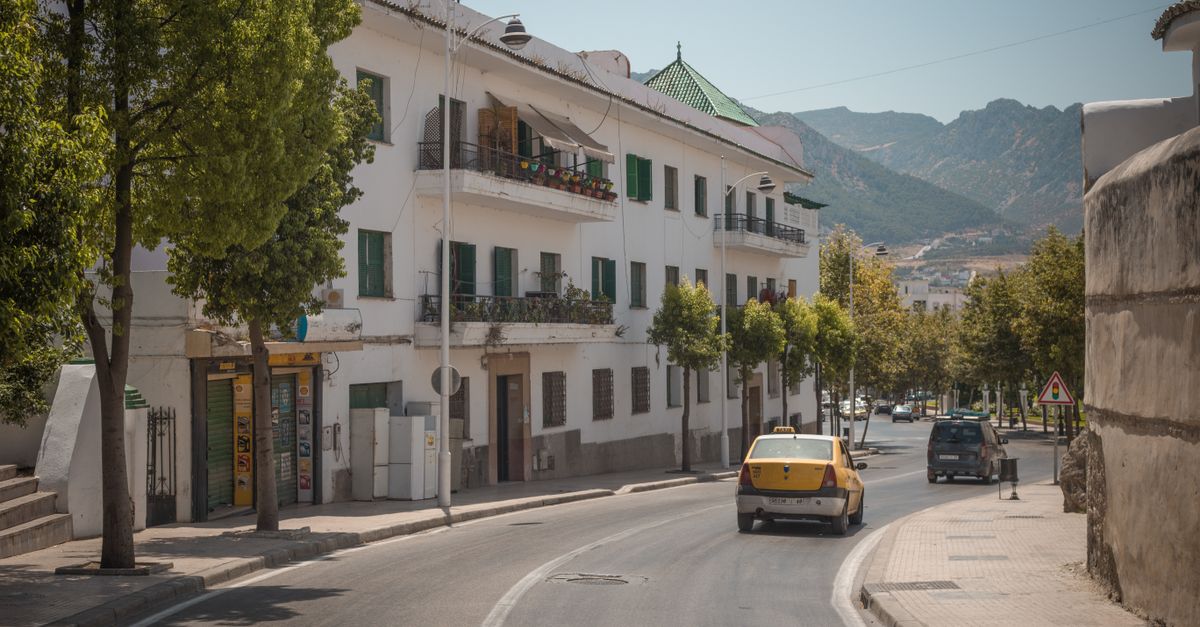
Intra-city transport in Tetouan relies primarily on small, bright yellow Petit Taxis. These vehicles operate strictly within city limits and can carry up to three passengers.
- Fares & Meters: Drivers are required by law to use the digital meter (compteur). Base fares start low, with average rides across town costing between 7 and 15 MAD. A minor surcharge applies after nightfall.
- Pedestrian Navigation: The entire medina is completely pedestrianized. Wear comfortable, non-slip walking shoes to manage cobblestones and incline variations.
2. Inter-City Transport: Grand Taxis & Buses
- Grand Taxis: Shared regional yellow Grand Taxis operate fixed routes connecting Tetouan to neighboring coastal towns such as Martil, Cabo Negro, M'diq, and Chefchaouen. Taxis depart from dedicated stations once all seats (typically six passengers) are filled, or you can purchase all seats for a private trip.
- Long-Distance Buses: The central CTM bus terminal offers clean, reliable daily connections to Tangier, Chefchaouen, Fes, and Casablanca.
- Train Access via Tangier: Tetouan does not have a direct train station. Travelers utilizing Morocco's high-speed Al Boraq rail line should take the train to Tangier-Ville station, then transfer to a connecting Supratours bus or private Grand Taxi for the remaining 60-minute drive east to Tetouan.
Best Time to Visit & Climate Considerations
Tetouan experiences a mild Mediterranean climate tempered by coastal air currents and northern mountain winds.
- Spring (March to May): Ideal conditions. Daily temperatures range between 18°C and 24°C (64°F to 75°F), offering clear views of the Rif Mountains and comfortable walking weather inside the medina.
- Autumn (September to November): Excellent traveling conditions. Summer crowds recede, sea temperatures along the nearby coast remain warm, and daily temperatures stay mild.
- Summer (July to August): Hotter and humid, with temperatures reaching 30°C to 34°C (86°F to 93°F). Coastal beach towns like Martil and M'diq fill with domestic holidaymakers, leading to higher local traffic.
- Winter (December to February): Cool with moderate rainfall. Temperatures drop to 8°C to 15°C (46°F to 59°F). Pack warm layers, as historic medina buildings are designed to keep heat out and rarely feature central heating systems.
Money & Operational Realities
Cash is essential when traveling in Tetouan. While upscale hotels and modern supermarkets accept international credit cards, street markets, local cafes, artisan workshops, and Petit Taxis operate exclusively in cash (Moroccan Dirham - MAD).
Major bank branches featuring reliable international ATMs (Guichet Automatique) line Avenue Mohammed V in the Ensanche district and surround Place Hassan II. Always carry smaller denominations (10, 20, and 50 MAD notes) to pay local taxi drivers and market vendors easily.
