
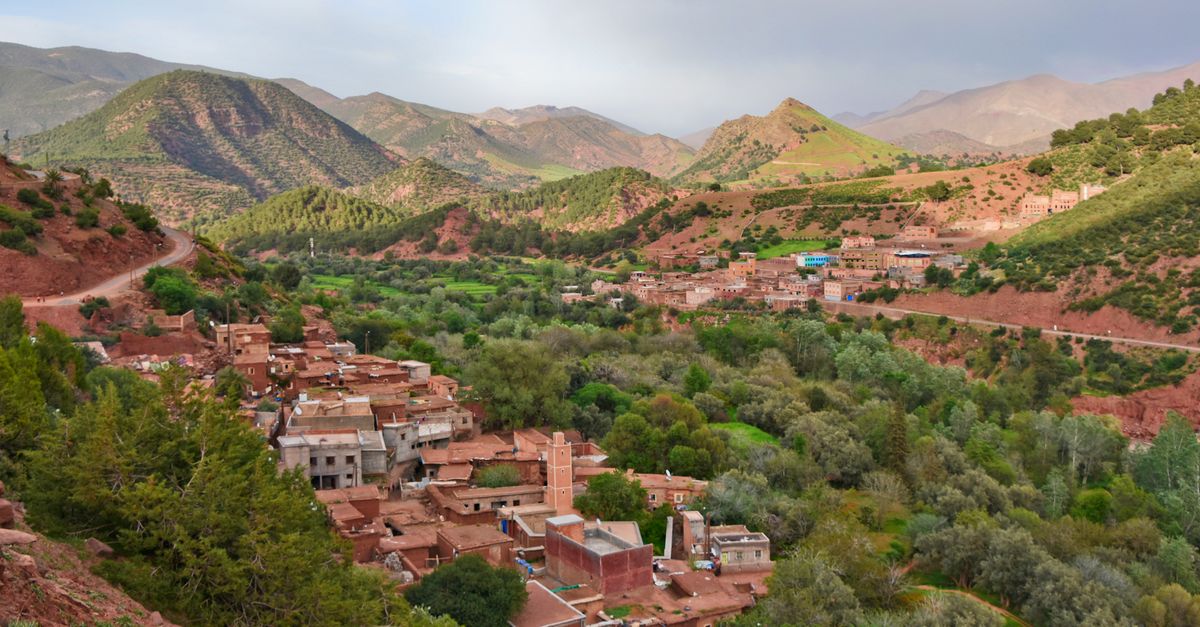
Travel through Morocco’s remote regions—from the terraced walnut orchards of the High Atlas to the palm-shaded oases of the Draa Valley—and you will inevitably encounter a level of warmth that transforms simple journeys into profound human connections. In rural Morocco, hospitality is not a commercial transaction or a curated tourist performance. It is a deeply ingrained cultural mandate rooted in centuries of Amazigh (Berber) heritage and Islamic ethics, where welcoming the stranger is viewed as both a moral duty and a divine blessing.
Whether you step into a remote mountain hamlet during an unexpected rainstorm or trek through an isolated valley, rural communities receive visitors with open doors, steaming pots of mint tea, and fresh flatbread. Understanding the dynamics of this hospitality allows travelers to navigate these encounters with sensitivity, respect, and deep appreciation, turning unexpected detours into unforgettable memories.
The Code of Hospitality: Sacred Traditions of the Countryside
In rural Morocco, hospitality is governed by time-honored cultural values, particularly within Amazigh communities. The concept of Diyafa (hospitality) dictates that a guest—expected or completely unexpected—is a gift to the household. Local tradition holds that bringing a guest into one’s home brings baraka (spiritual grace or blessing) to the family.
The Role of the Host and the Village
In smaller villages (known locally as douars), hospitality operates on both a household and a community level. If an outsider arrives in a village without a place to stay or food to eat, it is customary for village elders or local residents to take responsibility for their well-being. Historically, travelers in transit could rely on the village mosque or communal gathering space (jama'a) for shelter, while families took turns providing meals.
The Sacred Ritual of Mint Tea
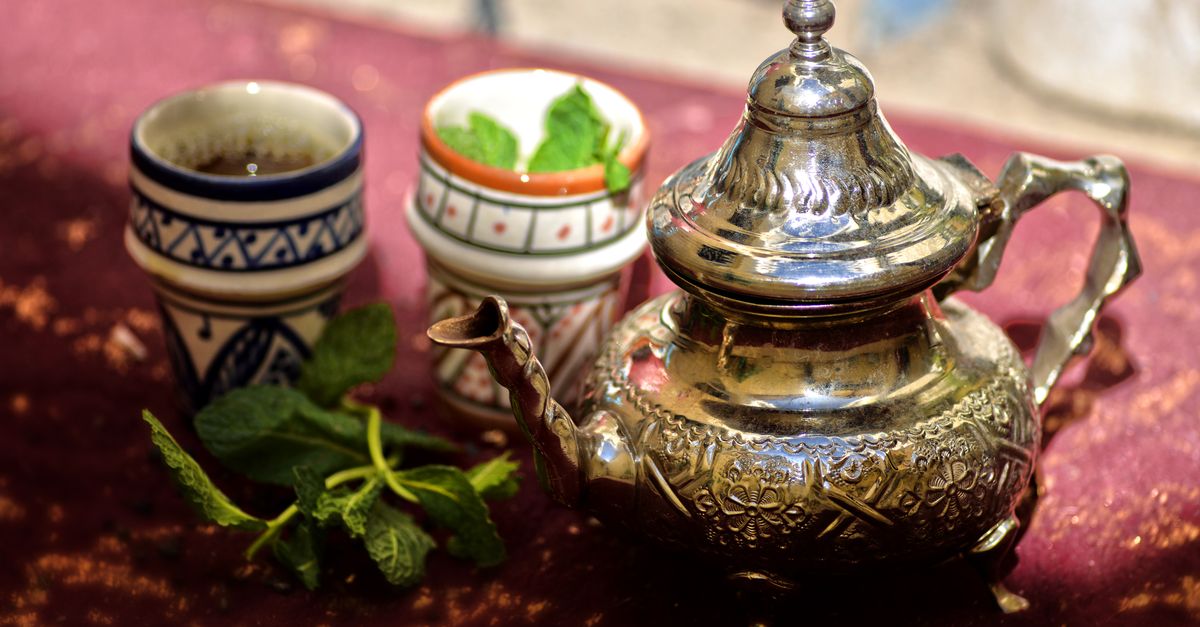
No encounter in rural Morocco begins without Atay—green tea brewed with fresh mint and generous amounts of sugar. Prepared by the head of the family or an honored host, the tea is poured from a height to create a delicate foam (rizza) on top, which serves both aesthetic and practical purposes by cooling the tea and trapping aromas. Accepting at least one glass of tea is an essential gesture of respect; refusing it outright can be perceived as rejecting the host’s goodwill.
Receiving Unexpected Guests: What Happens When You Arrive
If you break down on a rural piste, lose your path during a hike, or simply wander into a quiet village during an afternoon walk, the immediate response from locals is usually one of quiet curiosity followed by spontaneous care.
First Steps of Welcome
An initial greeting typically involves warm handshakes (often followed by placing the right hand over the heart as a sign of sincerity) and welcoming phrases in Moroccan Arabic (Darija) or Tamazight, such as "Marhaba" (Welcome) or "Ansuf yiswen". Guests are invited into the most comfortable room of the house, usually lined with colorful carpets and low foam couches (sdad'r).
Spontaneous Meals and Shared Tables
Even in households with modest resources, hosts will assemble a generous spread for an unexpected visitor. A quick visit yields warm flatbread (khobz), cold-pressed olive oil, wild thyme honey, almonds, and olives. If you stay longer, a tagine will be prepared. In rural homes, meals are traditionally served in a single large clay dish placed in the center of the table, with everyone eating from their designated section using pieces of bread as utensils.
Key Regions to Experience Authentic Village Hospitality
While hospitality is universal across Morocco, certain regions offer exceptional opportunities for travelers seeking respectful, immersed village experiences.
High Atlas Mountains: The Imlil and Ait Bouguemez Valleys
Located in the heart of the High Atlas, valleys like Ait Bouguemez (often called the "Happy Valley") and Imlil offer access to traditional Amazigh mountain life. Here, earth-and-stone houses cling to steep mountainsides overlooking green terraced fields of apples, walnuts, and barley.
- Why Visit: Experience authentic Amazigh village life, mountain homestays, and stunning alpine trekking.
- Best Time: April to June for wildflowers and pleasant temperatures; September to October for harvest season.
- How to Get There: Grand taxis and local minibuses operate from Marrakech to hub towns like Asni or Imlil (approx. 1.5 to 2 hours). Remote valleys like Ait Bouguemez require transfers via Azilal.
- Family Suitability: Excellent for active families; local guesthouses warmly welcome children.
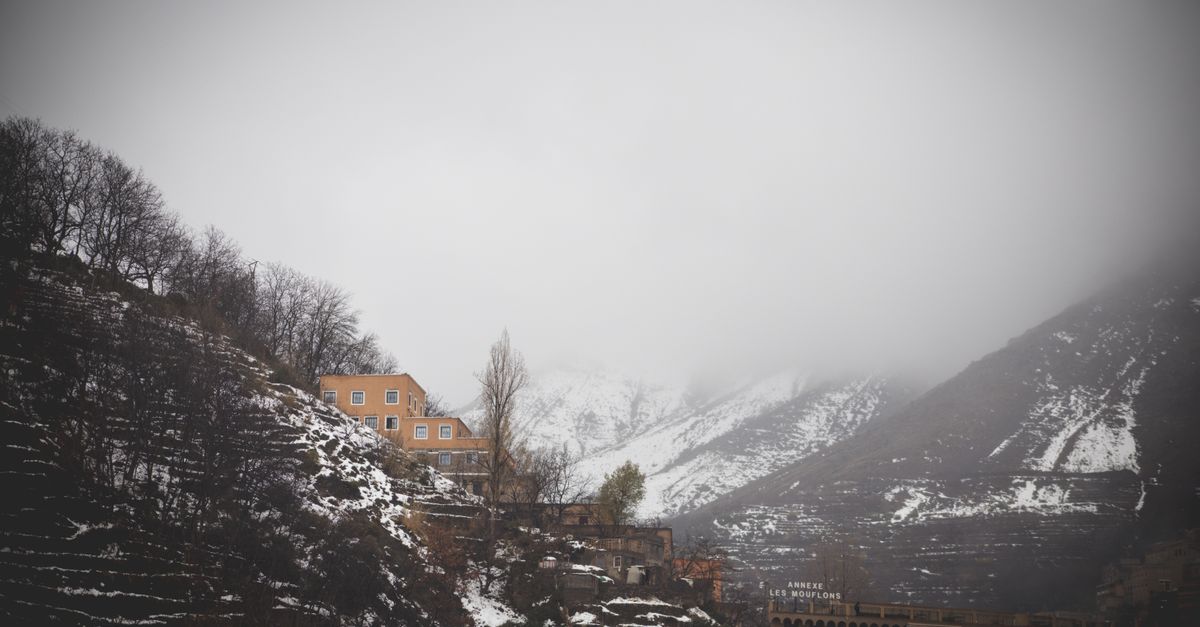
- Practical Caution: Winter months (December–February) bring cold temperatures and snow closures on high passes. Always travel with a local guide on longer treks.
Anti-Atlas and Ameln Valley
Surrounding the pink granite towers of Tafraoute, the Ameln Valley is dotted with quiet villages set among almond groves and ancient granaries (igoudar).
- Why Visit: Uncrowded walking routes, ancient communal architecture, and gentle, self-reliant mountain communities.
- Best Time: February (when almond trees bloom) through April, and October to November.
- How to Get There: Accessible via regional roads from Agadir or Tiznit (approx. 3 to 4 hours by rental car or regional bus).
- Useful Nearby Places: The fortified grain stores of Tiqki or Oumesnat, where traditional home museums demonstrate historical village life.
Local Food: What You Will Eat in a Rural Moroccan Home
Dining in a rural Moroccan home provides a direct connection to seasonal agriculture and traditional hearth cooking methods that commercial restaurants rarely replicate.
1. Khobz n'Tafarnout (Oven-Baked Mountain Bread)
Ingredients: Whole wheat flour, barley flour, yeast, water, and salt.
Regional Context: Traditional to the Atlas and Anti-Atlas regions.
When Eaten: Baked daily in the morning or late afternoon, served fresh with every meal.
Where to Find It: Baked in outdoor communal clay ovens (tafarnout) over wood and olive branches. Travelers often smell it baking along village footpaths.
2. Seasonal Rural Tagine
Ingredients: Local goat, mutton, or free-range chicken cooked slowly with seasonal vegetables (cardoons, turnips, squash, green beans), olive oil, saffron, ginger, and cumin.
Regional Context: Made across all rural regions, using ingredients sourced directly from the family garden or weekly market (souk).
When Eaten: Main afternoon lunch meal, served between 1:30 PM and 3:00 PM.
Where to Find It: Prepared over small charcoal braziers (majmar) at village guesthouses and family homes.

3. Beddouz / Seqsou n'Belboula (Barley Couscous)
Ingredients: Coarse barley semolina steamed over a rich vegetable broth containing pumpkin, cabbage, chickpeas, and turnips.
Regional Context: Particularly popular in the southern valleys and drier rural zones where barley thrives better than wheat.
When Eaten: Traditionally prepared on Fridays after mid-day prayers or for honored weekend guests.
Where to Find It: Rural family tables and community gatherings.
Etiquette for Travelers: Reciprocating Kindness Respectfully
When receiving hospitality in rural Morocco, understanding local social norms ensures that the interaction remains comfortable and respectful for both host and guest.
Entering a Home
- Remove Shoes: Always leave your shoes at the doorway or on designated mats before stepping onto carpets.
- Greetings: Greet elders first with a warm handshake. In conservative rural areas, men should wait for women to extend their hand first; if a hand is not offered, placing your right hand over your heart is the polite alternative.
- Private Spaces: Respect household privacy by not wandering into private family bedrooms unless invited.
Table Manners
- Use Your Right Hand: Eat, pass dishes, and accept food using your right hand, as the left hand is reserved for personal hygiene.
- Eat from Your Section: When sharing a central dish, eat strictly from the portion directly in front of you. Hosts will often push choice cuts of meat or vegetables toward you as a gesture of courtesy.
Handling Financial Transactions and Gifts
Rural hosts often refuse direct cash payments for spontaneous hospitality or tea, viewing money as something that commercializes a sacred cultural gesture. To show appreciation without causing offense:
- Bring Small Gifts: If visiting a village home, carrying small gifts such as sugar cones (qaleb ssoukar), high-quality tea, fresh fruit, or pastries from a town bakery is deeply appreciated.
- Support Local Crafts or Agriculture: Buy locally produced olive oil, honey, walnuts, or woven baskets directly from village families.
- Discreet Compensation: If staying overnight in an informal family home (rather than a registered guesthouse), leave money discreetly tucked under a plate or pillow when departing, or frame it as a gift for the children's school supplies.

Practical Trip Planning for Rural Morocco
Getting Around
Reaching rural villages requires flexibility. Public transport options include:
- Grand Taxis: Shared passenger Mercedes or minibuses that connect regional hubs to smaller villages. They depart only when full.
- Weekly Souk Transport: Local trucks and pickup buses run between remote hamlets and the regional market town on designated souk days.
- Rental Cars: A 4WD or high-clearance vehicle is recommended if you plan to navigate unpaved mountain roads (pistes). Always check weather forecasts before entering dry riverbeds (wadis), which are prone to flash floods.
Money and Cash Realities
Automated Teller Machines (ATMs) do not exist in rural villages. Credit cards are practically useless outside major towns and established eco-lodges. Always carry sufficient Moroccan Dirhams (MAD) in small denominations (20, 50, and 100 dirham notes) for transport, village shops, and tipping guides.
Respecting Local Photography and Privacy
Always ask permission before photographing people, particularly rural women and elders. If someone declines, respect their wishes immediately without pressing. Pointing cameras casually at children or inside private courtyard gardens is strongly discouraged.
Final Reflections on Rural Moroccan Travel
Traveling through Morocco's countryside offers a rare opportunity to step away from fast-paced urban tourism and experience human connections built on generosity and trust. By traveling with patience, humility, and an open heart, you will discover that the true beauty of Morocco lies not only in its dramatic landscapes, but in the enduring warmth of its rural villages.
