
Jben Cheese in Northern Morocco: A Traditional Taste of the Rif Mountains
High in the verdant, rugged peaks of Northern Morocco’s Rif Mountains, a distinct culinary tradition has flourished for centuries. While Moroccan cuisine is globally celebrated for fragrant tagines, spiced couscous, and delicate pastillas, the northern region offers something entirely unique to the kingdom's gastronomic landscape: Jben (often written as Jban or Jbn). This fresh, unpasteurized artisan cheese is deeply tied to the agro-pastoral heritage of the local Amazigh (Berber) and Jebala communities, representing a pure, unadorned reflection of the mountain terroir.
For travelers exploring the iconic blue-washed streets of Chefchaouen, the bustling souks of Tetouan, or the rural mountain villages tucked away in Talassemtane National Park, encountering Jben is inevitable. It is sold in vibrant local markets wrapped neatly in woven palm leaves, served alongside wildflower honey at breakfast, or stuffed inside warm, griddled flatbreads. Understanding Jben is not merely a lesson in dairy production—it is an entry point into the rural traditions, indigenous land management, and women's craft that sustain life across the Rif.
What is Jben? Understanding Northern Morocco's Fresh Artisan Cheese
Jben is a soft, fresh, unaged cheese traditionally crafted from raw goat’s milk, cow’s milk, or a blend of both, depending on the season and specific mountain valley. In the high elevation pastures of the Rif, goat's milk is the gold standard. The regional goats graze on wild thyme, rosemary, oak shrubs, and alpine grasses, imparting a delicate, floral, and herbaceous complexity to the milk that carries directly into the finished cheese.
Unlike aged European cheeses or firm pressed curds, Jben is soft, moist, and spreadable, with a texture ranging from velvety cream cheese to a light, pillowy ricotta or fresh chèvre. Its flavor profile is delightfully clean: mildly tangy, lightly salted, and gently lactic, with a soft milky sweetness. Because it is an unaged fresh cheese eaten within days—or even hours—of being pressed, Jben contains high moisture levels and possesses a vibrant, refreshing quality perfect for the warm Mediterranean climate of the north.
Key Characteristics of Traditional Jben
- Milk Source: Primarily raw mountain goat milk (sometimes blended with cow milk during peak spring lactation).
- Texture: Soft, creamy, spreadable, slightly crumbly yet moist.
- Flavor: Mild, citrusy tang, earthy, subtly grassy with a salty finish.
- Appearance: Bright snow-white curd, often bearing the distinctive geometric impressions of hand-woven palm baskets.
The Culinary Heritage and Craft of the Rif Mountain Cheesemakers
The production of Jben is fundamentally a women's craft, handed down through generations of rural homemakers and pastoralists in the Jebala region. Early each morning, women collect fresh milk from small household herds. The raw milk is gently warmed and curdled using natural coagulation techniques. Traditionally, vegetable rennet or local plant extracts were utilized alongside fermented whey, though animal rennet or fresh lemon juice and salt are also common in small-batch family production today.
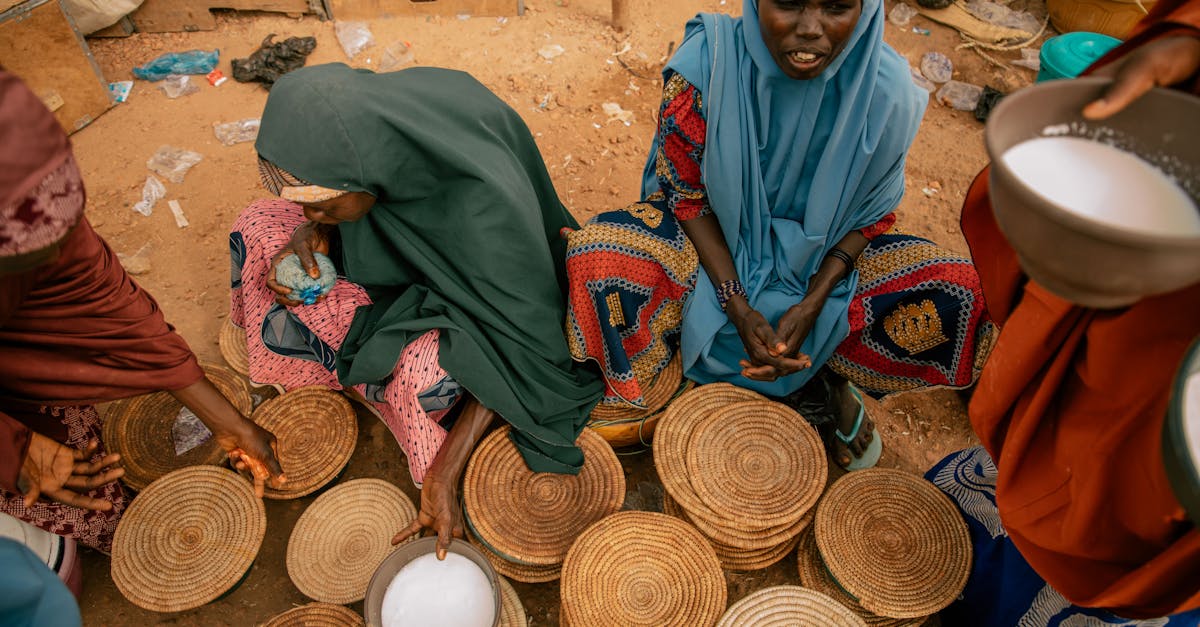
Once curds form, they are ladled into small, hand-woven molds known locally as gza or asloum, made from dried dwarf palm fronds (doum). These woven baskets serve a dual purpose: they allow the clear whey to drain off naturally while shaping the soft cheese into small round patties or conical domes. The woven palm leaves leave intricate, cross-hatched textured lines on the surface of the white cheese, creating a hallmark aesthetic that immediately distinguishes authentic artisanal mountain Jben from modern industrial imitations.
Because traditional Jben relies on raw milk and minimal processing without synthetic preservatives, it remains a highly perishable living food. Historically, this meant cheese was made daily for immediate family consumption or traded at weekly village souks. Today, local cheesemaking cooperatives in and around Chefchaouen have gained recognition through international slow food initiatives, preserving these ancestral techniques while improving hygiene and cold-chain logistics to support rural livelihoods.

Where to Taste and Buy Authentic Jben in Chefchaouen and Beyond
To experience Jben at its absolute finest, travelers should seek out authentic local settings where the cheese arrives fresh from the surrounding hills every morning.
1. The Chefchaouen Daily Souk and Monday/Thursday Markets
Chefchaouen is the undisputed capital for sampling mountain Jben. While small food shops across the medina stock fresh dairy daily, the best place to buy authentic cheese is directly from rural farmers. Every Monday and Thursday, women from the surrounding mountain villages descend upon Chefchaouen to set up a lively open-air market along Avenida Marcha Verde and near the West Gate of the medina.
- Why Visit: You buy directly from the women who milked the goats and pressed the cheese that morning. The cheese is frequently displayed on clean cloth wraps inside woven palm fronds.
- Best Time: Early morning between 8:00 AM and 11:00 AM when the selection is freshest and highest.
- Visit Duration: 1 to 2 hours to explore food stalls, buy produce, and sample dairy.
- Price Range: Expect to pay between 10 to 25 MAD per disk of fresh cheese, depending on size and whether it is pure goat or mixed milk. Prices vary by season and pasture conditions; carry small coins and cash notes.
- Practical Caution: Ask politely before taking photographs of market vendors, as many rural mountain women prefer not to be filmed or photographed.
2. Local Medina Bakeries and Breakfast Cafes in Chefchaouen
If you prefer a seated tasting experience, almost every local cafe and traditional guest house (riad) in Chefchaouen features Jben prominently on their breakfast menu. Excellent spots can be found around Place Outa el Hammam or tucked along quiet residential alleyways near Ras El Maa.
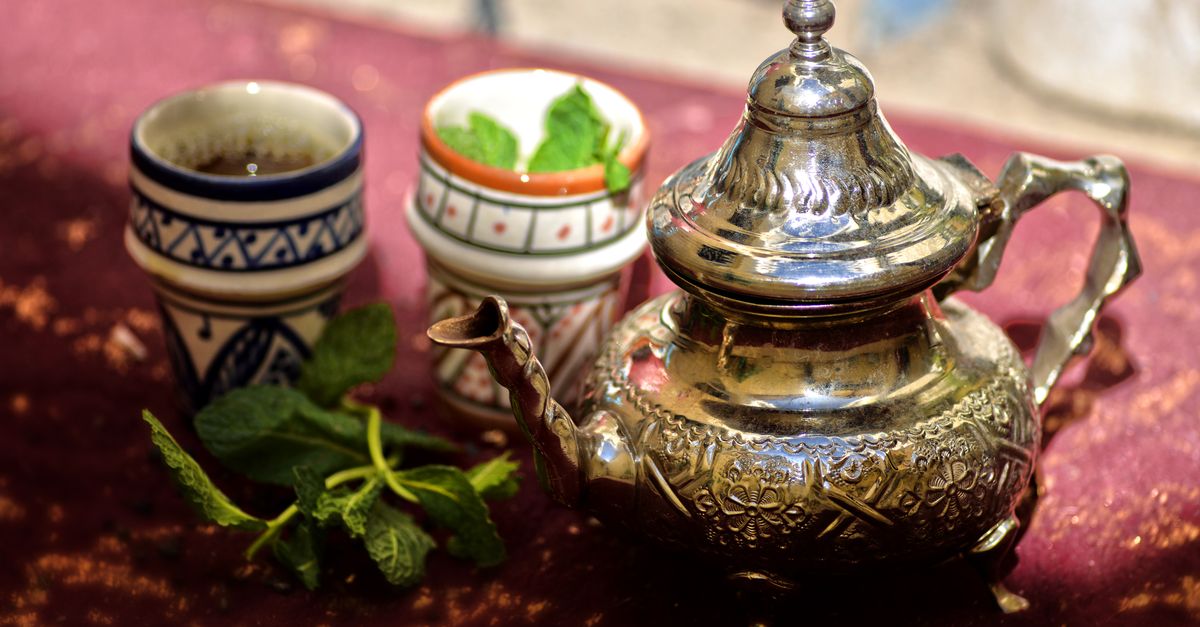
- Why Visit: Enjoy Jben drizzled with rich, amber-colored local mountain honey alongside freshly baked bread and hot mint tea or spiced coffee.
- Best Time: 8:00 AM to 10:30 AM for breakfast.
- Visit Duration: 45 minutes to an hour.
- Family Suitability: Excellent for families with children; the mild flavor and sweet honey pairing are widely loved by young travelers.
3. Tetouan Medina Markets
The UNESCO-listed Medina of Tetouan offers another exceptional venue for encountering Jben. In the bustling markets around El Ensanche and the historic grain market, mountain producers bring fresh cheeses wrapped in palm fronds daily.
- How to Get There: Tetouan sits approximately 65 km north of Chefchaouen, easily reached via grand taxi or CTM bus in under 90 minutes.
- What to Avoid: Avoid buying cheese that has been left sitting uncovered in direct midday sun for extended hours. Look for vendors who store their cheese in shaded, covered baskets or chilled display cases.
How to Eat Jben: Traditional Moroccan Culinary Pairings
In the Rif region, Jben is treated with quiet respect. Its preparation is intentionally minimalist to let the clean quality of the milk shine through. Here is how you will typically encounter and enjoy it:
The Classic Morning Spread
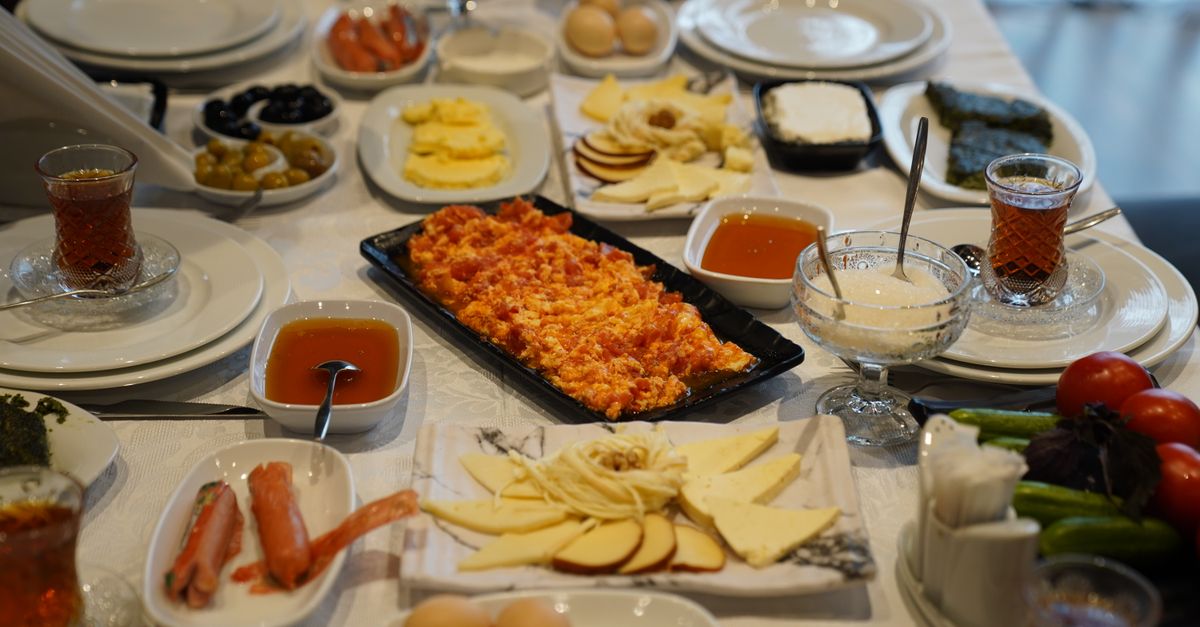
Jben is the undisputed star of the northern Moroccan breakfast table. It is served in a shallow clay dish, often lightly scored with a knife and drizzled generously with cold-pressed olive oil, sprinkled with dried wild thyme or oregano (za'atar), or paired with local mountain honey. It is spread liberally over:
- Khobz: Traditional round, crusty Moroccan sourdough bread baked in wood-fired communal ovens.
- Harcha: Golden, pan-fried semolina flatbreads with a rich, buttery interior and crispy crust. The warm semolina melts the outer edge of the cold Jben slightly.
- Msemen: Flaky, layered square pancakes that trap the soft cheese inside their tender layers.
Snacks and Savory Dishes
Beyond breakfast, Jben finds its way into afternoon snacks and savory regional creations:
- Stuffed Pastries: In northern bakeries, you can often purchase savory briouats (triangular phyllo pastry pockets) stuffed with Jben, fresh herbs, and occasionally black olives.
- Salads and Appetizers: Modern regional restaurants in Tangier and Chefchaouen frequently feature Jben crumbled over fresh tomato and cucumber salads or paired with roasted peppers.

Cultural Context and Etiquette When Buying Artisanal Cheese
Food in Morocco is deeply intertwined with hospitality, faith, and social cohesion. When engaging with local producers and cheese vendors in northern markets, keeping a few cultural nuances in mind will enrich your experience:
- Acknowledge the Producer: A polite greeting goes a long way. Use the local Arabic greeting Salam Alaykum (Peace be upon you) when approaching market stalls.
- Bargaining Etiquette: While bargaining is expected for handicrafts and souvenirs in the souks, small-scale food producers selling fresh agricultural goods like Jben operate on narrow margins. Prices for cheese are typically fixed and very modest; extensive haggling over fresh dairy is generally considered poor manners.
- Sanitation and Handling: Handle cheese with care and clean hands. If purchasing fresh unpasteurized cheese to eat later in your room or on a hike, keep it cool and consume it within 24 to 48 hours.
