
In Morocco, bread is not merely a side dish or an optional carbohydrate served in a basket beside your plate. It is the center of the table, the primary utensil, a sacred symbol of sustenance, and the living pulse of every neighborhood. Known universally across the country as khobz, this round, flat loaf is deeply woven into the social fabric of daily Moroccan life. To travel through Morocco without understanding its bread culture is to miss one of the most intimate windows into the nation’s heritage, hospitality, and daily rhythms.
From the bustling alleys of Marrakesh and Fes to quiet Berber villages in the High Atlas Mountains, the morning air carries the warm, unmistakable scent of wood smoke and baking dough. Whether scooped into a bubbling tagine, smeared with wild honey and argan oil at breakfast, or grabbed hot from a corner market stall, khobz is present at every single meal. Understanding how bread is made, shared, and respected offers travelers a profound connection to Moroccan culture that goes far beyond standard sightseeing.

The Soul of the Moroccan Table: Understanding Khobz
The standard Moroccan loaf, simply known as khobz, is a round, slightly flattened disc usually about eight to ten inches in diameter and an inch or two thick. Unlike fluffy European loaves or soft Indian flatbreads, classic khobz features a firm, textured crust and a dense, absorbent interior crumb specifically structured to scoop up sauces, oils, and cooked vegetables without falling apart.
Khobz is traditionally made from a mixture of white wheat flour, fine semolina (smida), or whole wheat flour, combined with water, salt, and yeast. In rural areas and smaller towns, barley flour (dchicha or belboula) is frequently blended into the dough, yielding a darker, highly nutritious loaf with an earthy flavor. An essential step in making khobz is pricking the top of the shaped dough with a fork or toothpicks before baking, which prevents large air pockets from forming and ensures an even, sturdy texture perfect for dipping.
Beyond its culinary utility, bread carries immense spiritual and cultural respect in Moroccan society. In Islamic tradition, food is seen as a divine blessing (baraka), and bread is the ultimate representation of that gift. Wasting bread is considered a serious moral misstep. If a piece of khobz accidentally falls onto the floor, a Moroccan will often pick it up, brush it off, kiss it, and press it against their forehead as a gesture of gratitude before placing it aside. Leftover bread is rarely thrown into the trash; instead, dry bread is collected, softened in milk for soups, fed to animals, or placed in designated spots off the street for scavengers or animals.
The Ritual of the Ferran: Morocco's Communal Ovens
To truly grasp Moroccan bread culture, one must look beyond the home kitchen to the ferran—the neighborhood communal wood-fired oven. Historically, every quarter (derb) in a Moroccan medina was built around five essential public institutions: the mosque, the hammam (public bathhouse), the fountain, the Quranic school, and the ferran.
Because private home ovens were rare in traditional medina houses due to space, heat, and high fuel costs, families prepared dough at home every morning. Women would knead flour, semolina, and water in large wide-rimmed earthenware bowls called gsa’a. Once shaped into round discs, the unbaked loaves were arranged on wooden boards, covered with clean kitchen towels, and carried to the local ferran by children or family members.

How the Ferran Works
Inside the subterranean heat of the ferran, a master baker (farrane) manages a massive, domed brick oven fueled by oak, eucalyptus, or sawdust. Despite managing dozens of boards containing hundreds of loaves from different households simultaneously, a skilled farrane rarely makes a mistake about which bread belongs to which family. Each family marks their dough with a unique stamp, a small cut pattern, or a specific arrangement of fork pricks on the top crust.
The baker uses a long-handled wooden paddle (frenda) to slide the round loaves into the intense, dry heat of the oven, expertly shifting them around the embers to ensure even baking. Within 10 to 15 minutes, the crust turns golden brown, and the loaves are placed back on the family’s wooden tray to be brought home warm just in time for lunch—the main meal of the day.
While modern electric and gas stoves are now common in modern apartments, millions of Moroccans in historic medinas like Fes, Meknes, and Essaouira still send their bread to the neighborhood ferran every day, preferring the superior crust, smoky wood aroma, and communal connection that no domestic oven can replicate.
Essential Varieties of Moroccan Bread You Must Try
While standard round khobz dominates daily lunch and dinner tables, Morocco boasts a rich landscape of regional, ceremonial, and breakfast breads. Sampling these distinct varieties offers a fantastic journey through the country's diverse topography and micro-climates.

1. Msemmen (or Rghaif)
Msemmen is a square-shaped, layered flatbread made from a pliable dough of flour, fine semolina, and warm water. The dough is stretched paper-thin on an oiled surface, folded repeatedly with butter and oil into a neat square envelope, and then seared on a hot flat iron griddle (farah). The resulting bread is flaky, laminated, and crispy on the outside while soft inside. It is predominantly served at breakfast or late afternoon teatime (kassrout), accompanied by warm honey, soft cheese (kiri or jben), or fig jam, and paired with hot mint tea.
2. Harcha
Harcha is a dense, crumbly pan-bread made from coarse semolina, butter or oil, milk, salt, and a touch of sugar. Cooked slowly on a heavy cast-iron skillet, it forms a pale, pebbled golden crust with a rich, cake-like interior. Harcha is best eaten hot, split open and slathered with melted butter and wild mountain honey or savory spreadable cheese. It is a staple at morning market stalls and street carts across Morocco.
3. Batbout (or Mkhamer)
Batbout is a soft, chewy, stove-top pan bread that resembles a thick pita pocket. Prepared with yeast and semolina, batbout expands dramatically on the griddle, creating a hollow interior. Small versions (mini-batbout) are frequently stuffed with spiced tuna, olives, boiled eggs, or grilled meats, making them one of the most popular street food snacks and Ramadan fast-breaking items across cities like Casablanca and Rabat.
4. Medfouna (Berber Pizza)
Originating in the desert edge region of Tafilalet and Rissani, Medfouna (literally meaning "buried") is a stuffed round bread filled with minced beef or lamb, suet, almonds, hard-boiled eggs, onions, and Saharan spices like cumin, paprika, and ginger. Baked until crisp, it is sliced into wedges like a pizza and served as a heart-warming main dish to honored guests visiting the south.
Table Etiquette: How to Eat with Bread in Morocco
In traditional Moroccan dining, bread replaces Western forks, knives, and spoons. Knowing how to use khobz correctly shows cultural respect and makes communal dining much smoother for travelers.
Rules of the Communal Table
- Use Only Your Right Hand: In Moroccan custom, the left hand is reserved for personal hygiene, while the right hand is strictly used for eating, passing dishes, and handling food.
- Tear Small Pieces: Break off a bite-sized piece of bread using your right thumb and first two fingers. Avoid tearing bread with both hands over the main serving dish.
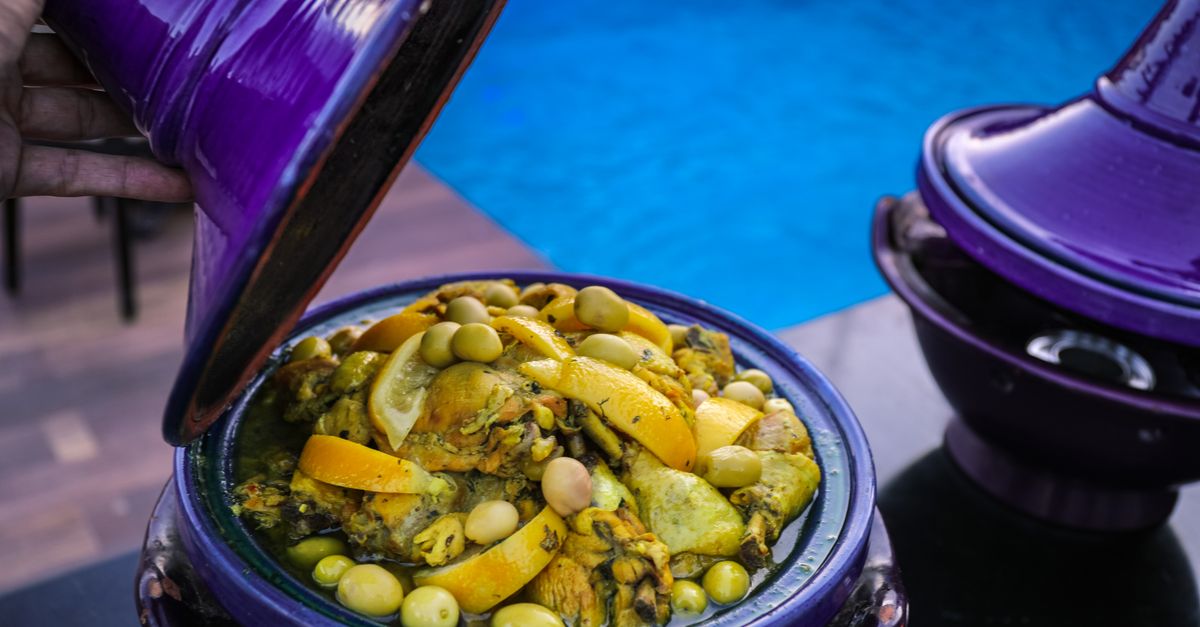
- Eat from Your Sector: When sharing a communal tagine or platter, eat only from the triangular wedge directly in front of you. Reaching across to someone else's side is considered poor manners, though a gracious host may occasionally push choice cuts of meat or vegetables toward your side.
- The Pinch Technique: Use your thumb and index fingers to hold the bread like a small pouch, pinching meat, vegetables, or cooked salads (like zaalouk) without letting your fingers directly touch the sauce.
How Travelers Can Experience Authentic Moroccan Bakery Culture
Experiencing Morocco's bread culture requires leaving resort buffets behind and venturing into neighborhood medinas. Here are practical ways to connect with this culinary tradition:

1. Take a Medina Culinary Walking Tour
In historic cities like Fes el-Bali or Marrakesh, local walking tours often include visits to an operating underground ferran. Visitors can watch the baker manage the massive brick oven, smell the fresh wood smoke, and sample hot khobz straight from the oven paddle. The best time to visit a ferran is between 10:00 AM and 12:30 PM, when local families deliver their dough for lunch.
2. Visit a Street Side Breakfast Cart
Every morning in towns across Morocco, street vendors set up griddles to cook fresh msemmen and harcha. A complete traditional breakfast—featuring a hot square of msemmen dripping with honey, a side of green olives, fresh goat cheese, and a glass of mint tea or espresso—costs very little and provides an unbeatable authentic taste of daily life.
3. Join a Home Cooking Class
Enrolling in a cooking class hosted by a local family or a riad cook often begins with a visit to the local market for flour and semolina, followed by hands-on kneading of your own khobz dough. Watching your custom-shaped loaf bake and then using it later that afternoon to eat the tagine you prepared yourself is one of the most rewarding cultural activities in Morocco.
