
Perched on the northernmost tip of Morocco where the Atlantic Ocean meets the Mediterranean, Tangier occupies a unique place in world geography and history. For decades during the mid-20th century, its status as an international zone attracted beat poets, writers, diplomats, and artists seeking bohemian freedom. Today, Tangier is a booming coastal city undergoing rapid modern development while retaining the romantic, complex soul of its historic heart.
Stepping off the high-speed train or ferry into Tangier presents an immediate contrast: sleek modern boulevards lined with palm trees giving way to the tangled, centuries-old alleyways of the Medina. To truly enjoy Tangier, travelers need a balance of sensible navigation skills for the historic quarters, an understanding of local customs, and the willingness to step outside the standard tour bus stops to explore quieter coastal neighborhoods and authentic seafood stalls.
Navigating the Historic Medina and Kasbah
The beating heart of Tangier is its walled Medina, a vibrant, densely populated maze built along steep coastal slopes. At the very top sits the Kasbah, the ancient fortified district offering sweeping panoramas across the Strait of Gibraltar toward Spain.

The Medina Alleyways & Petit Socco
Why visit: The Medina is an active neighborhood where daily life unfolds alongside traditional craft shops, spice markets, and cafes. Petit Socco (officially Place Souq ad-Dakhil) serves as the Medina's historic crossroads, ideal for people-watching over mint tea.
Best time: Early morning (around 9:00 AM) for quiet strolls before shops open, or late afternoon (4:00 PM to 7:00 PM) when the markets are lively.
Realistic visit duration: Half a day (3 to 4 hours).
How to get there: Enter on foot from Grand Socco (Place 9 Avril 1947), which connects the modern city to the historic core.
Price: Free to explore.
Family suitability: Good, though pushchairs and strollers are difficult to use on steep stone steps and narrow paths.
What to avoid: Avoid aggressive unofficial guides who insist you are walking the wrong way. A polite, firm "Non, merci" while continuing to walk works best.
Useful nearby places: Cinema Rif at Grand Socco for a coffee and local culture, and the Grand Mosque.
The Kasbah Museum of Mediterranean Cultures (Dar el-Makhzen)
Why visit: Housed in the former sultan's palace, this beautifully restored 17th-century building features traditional Andalusian-style courtyards, carved cedar wood, mosaic tilework, and artifacts detailing northern Morocco's history from antiquity to the Islamic era.
Best time: Morning right after opening to avoid tour groups.
Realistic visit duration: 1 to 1.5 hours.
How to get there: Walk uphill through the Medina to Place du Mechouar at the peak of the Kasbah.
Price: Approximately 30 to 70 MAD (prices vary by temporary exhibitions and residency status).
Family suitability: Very suitable; peaceful central courtyards offer space to rest.
What to avoid: Visiting during mid-day heat if walking up from the lower Medina without water.
Useful nearby places: Bab el-Bahr (Gate of the Sea) lookout point and Kasbah Cafe.
2>Lesser-Known Districts and Quiet CornersBeyond the primary tourist routes of the central Medina, Tangier features distinct residential neighborhoods that reveal the daily rhythm of the city.

The Marshan District
Why visit: Located west of the Kasbah, Marshan is a quiet, leafy residential area filled with colonial-era villas, green parks, and the famous Phoenician Tombs (Tombeaux Phéniciens). Local residents gather on the rocky cliffs at sunset to look across the water to Europe.
Best time: Late afternoon leading into sunset.
Realistic visit duration: 2 hours.
How to get there: A 15-minute walk west from the Kasbah gate, or a quick Petit Taxi ride from Grand Socco.
Price: Free access to public cliffside areas.
Family suitability: Excellent; wide pavements and open park spaces near Palais Marshan.
What to avoid: Unsecured cliff edges near the Phoenician Tombs—keep a close eye on young children.
Useful nearby places: Café Hafa, a historic terraced establishment operating since 1921 where guests sip mint tea overlooking the sea.
Ville Nouvelle and the Iberia Quarter
Why visit: Built during the International Zone era, these districts display Spanish, French, and Art Deco architectural influences. Wide avenues like Boulevard Pasteur offer a glimpse into modern local life, commercial bookshops, and traditional French-style bakeries.
Best time: Early evening during the daily paseo (evening stroll).
Realistic visit duration: 1.5 to 2 hours.
How to get there: Located immediately south of Grand Socco along Boulevard Pasteur.
Price: Free.
Family suitability: Highly suitable with wide sidewalk access.
What to avoid: High-traffic street crossings during peak afternoon rush hour.
Useful nearby places: Place de France, Terrasse des Paresseux (sloth terrace) for cannons and sea views.
Understanding Northern Moroccan Food Culture
Tangier’s gastronomy is distinct from inland cities like Marrakech or Fez. Mediterranean influences, Spanish history, and proximity to the ocean mean fresh seafood and aromatic herbs feature heavily in daily meals.
Essential Dishes to Try
- Tagine de Poisson (Fish Tagine): Made with fresh catches such as sea bass, swordfish, or red snapper cooked slowly in a clay vessel with cherchouba or chermoula (a marinade of coriander, garlic, cumin, paprika, lemon juice, and olive oil), layered with tomatoes, potatoes, and bell peppers. Found in traditional neighborhood eateries and dedicated seafood restaurants near the port. Typically consumed as a main lunch meal.
- Bissara (Fava Bean Soup): A velvety, warming soup made from dried split fava beans or green peas, garlic, and olive oil, heavily dusted with cumin and chili powder. Eaten primarily for breakfast or early lunch, especially during cooler months, served straight from huge steaming cauldrons at small street counters across the Medina.
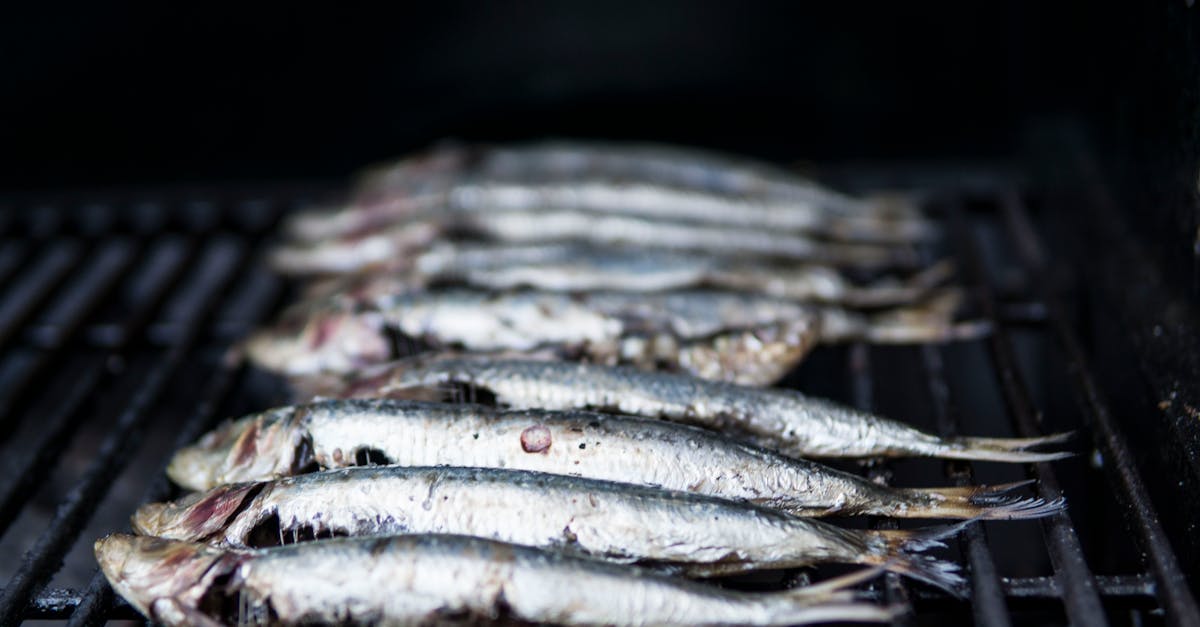
- Grilled Sardines: Freshly caught sardines coated in coarse sea salt or mild spice marinade and grilled over charcoal. Served with fresh khobz (bread) and tomato-onion salad at simple open-air stalls near the fishing port and local municipal markets during midday.
- Bocadillo Tangerino: A local street-food staple reflecting Spanish influences. A crusty baguette stuffed with canned tuna or grilled meats, boiled egg, olives, fried potatoes, and harissa sauce. Eaten as a quick lunch or late-afternoon snack from small sandwich shops throughout the city.
- Pastilla au Poisson: A northern variation of the classic Moroccan savory-sweet pastry. Fine, flaky warqa dough stuffed with spiced white fish, calamari, vermicelli noodles, and mushrooms, seasoned with ras el hanout and citrus. Often served at family gatherings or traditional Moroccan restaurants.
Getting Around: Ferries, High-Speed Trains, and Taxis
Tangier has exceptional transport links connecting it both regionally across Morocco and internationally to Europe.

High-Speed Rail (Al Boraq)
Morocco's flagship high-speed train, Al Boraq, operates directly out of Tangier Ville station. It connects Tangier to Kenitra, Rabat, and Casablanca in under two hours and fifteen minutes. Tickets should be booked ahead of time via the official ONCF website or at the station counter for the best rates and guaranteed seats.
Petit Taxis vs. Grand Taxis
Understanding local taxis is key to moving smoothly through the city:
- Petit Taxis: Small, bright turquoise/light blue sedans designed for travel within city limits. They accommodate up to three passengers. Drivers are required by law to use the meter (compteur). Always ensure the driver turns on the meter when your journey begins. A typical ride within the central city costs between 10 and 20 MAD during the day (with a small surcharge after dark).
- Grand Taxis: Larger shared vehicles (often white or silver) operating fixed routes between major hubs, outer districts, or nearby towns like Asilah and Chefchaouen. Passengers buy individual seats or can pay for the whole vehicle to travel privately.
Ferries from Spain
Tangier has two passenger ports:
- Tanger Ville Port: Located directly in the city center at the foot of the Medina. Fast foot-passenger ferries arrive here directly from Tarifa, Spain (taking roughly 60 minutes).
- Tanger Med Port: A massive commercial and passenger port located approximately 40 kilometers east of the city. Ferries from Algeciras, Spain, and long-distance ferries from Europe dock here. Dedicated shuttle buses and grand taxis connect Tanger Med to central Tangier (taking around 45 to 60 minutes).
Cultural Etiquette and Practical Daily Life

Dress Code and Social Norms
Tangier is a cosmopolitan city used to international visitors, but local customs lean conservative outside beach resorts. Dressing respectfully by covering shoulders and knees when exploring residential quarters or historic markets is appreciated. When photographing locals, market stalls, or artisans, always ask for permission first with a friendly "S'il vous plaît?" or "Munkin sura?" (May I take a picture?).
Money, Tipping, and Bargaining
The currency is the Moroccan Dirham (MAD). While major hotels, modern supermarkets, and refined dining establishments accept credit cards, cash remains king in the Medina, local transport, small cafes, and traditional markets. ATMs are widely available around Grand Socco, Place de France, and major banks in the Ville Nouvelle.
Tipping is customary in Morocco. Leaving 5 to 10 MAD at small cafes, rounding up taxi fares, or leaving 10% at sit-down restaurants is standard practice. Haggling is expected in souks when purchasing artisan goods, leather, or rugs, but should always be conducted in good humor and with respectful patience.
Safety and Common Sense
Tangier is generally safe for travelers. The primary nuisance involves touts offering unsolicited directions or guiding services, particularly around transit hubs and Medina entrances. Firmly state that you know where you are going. At night, stick to well-lit main thoroughfares like Boulevard Pasteur, Grand Socco, and primary Medina streets, avoiding unlit alleys late after midnight.
