
Tetouan Travel Tips: Medina Etiquette, Local Transport, and Andalusian Culture
Set against the dramatic backdrop of the Rif Mountains near the Mediterranean coast, Tetouan—often called the "White Dove" (Paloma Blanca)—stands out as one of Morocco’s most authentic, historically layered cities. Unlike its tourism-heavy neighbors, Chefchaouen and Tangier, Tetouan remains deeply uncommercialized. Its vibrant, UNESCO-listed Medina is widely considered one of the most complete and untouched historical urban centers in North Africa, preserving an architectural legacy brought directly by Andalusian refugees who rebuilt the city starting in the late 15th century.
Because Tetouan is a living, working regional hub rather than a curated tourist destination, traveling here requires a thoughtful approach. Understanding local customs, navigating the unique urban layout split between the medieval medina and the Spanish colonial Ensanche district, and mastering local transport options will unlock a profoundly rewarding journey into northern Moroccan culture.
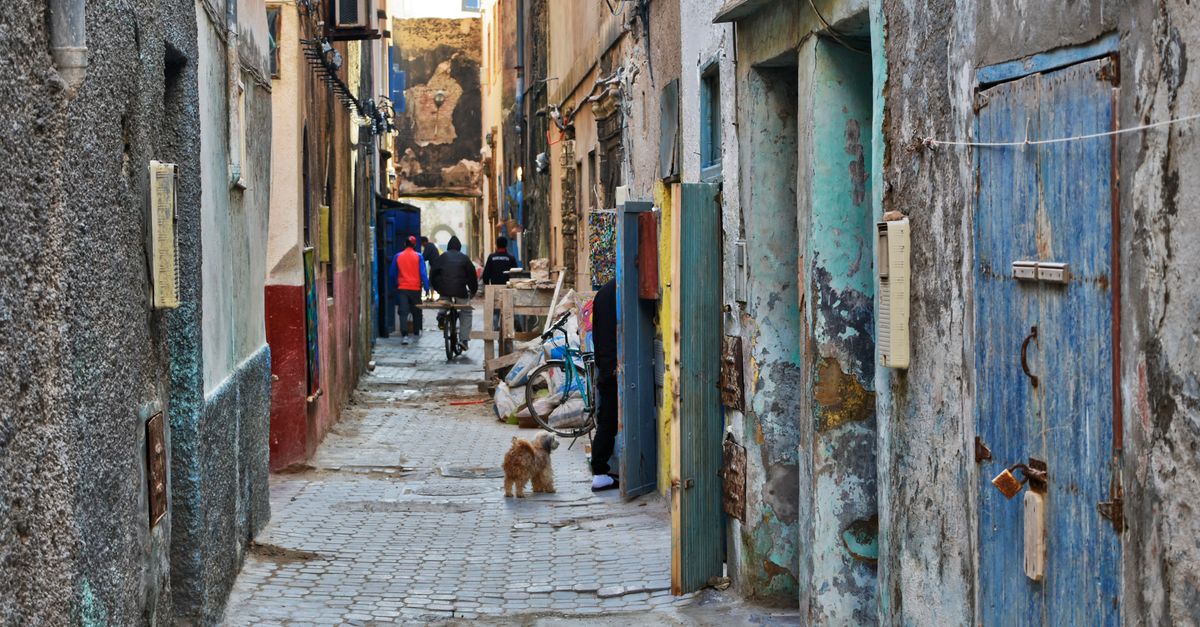
Best Time to Visit Tetouan and Climate Expectations
Tetouan enjoys a Mediterranean climate moderated by its proximity to both the sea and the Rif mountain range, leading to mild winters and pleasant, warm summers compared to the scorching interior of southern Morocco.
Spring (March to May)
Spring is an ideal time to explore Tetouan. Daily temperatures average between 18°C and 24°C (64°F–75°F), offering crisp, clear weather perfect for walking through the narrow medina streets and hiking in the surrounding countryside or nearby Martil coast.
Autumn (September to November)
Autumn brings mild temperatures and fewer seasonal regional visitors. Early autumn offers comfortably warm waters along nearby Mediterranean beaches like Cabo Negro, while October and November showcase beautiful light across the white hillside neighborhoods.
Summer (June to August)
Summer daytime temperatures typically range from 28°C to 33°C (82°F–91°F). Coastal breezes keep the heat manageable compared to inland cities like Fes, though daytime humidity can rise. July and August see an influx of domestic tourists visiting the nearby coastal resorts, leading to busier local transport hubs.
Winter (December to February)
Winters are cool and damp, with daytime highs around 15°C to 18°C (59°F–64°F) and night temperatures dropping to 8°C (46°F). Rain showers are more frequent during these months. Visitors traveling in winter should pack warm layers and verify that their accommodation offers effective heating, as older traditional structures retain cold air.
Navigating the UNESCO-Listed Medina with Respect
Tetouan’s Medina is an active residential and commercial center organized by historic trade quarters (suqs). Because it has not been heavily redeveloped for tourism, navigating requires self-reliance and environmental awareness.

Medina Layout and Key Landmarks
- The Historic Gates: The medina is framed by historic stone gates, including Bab El Oqla (east), Bab Remouz (south), and Bab Tout (west). These serve as critical navigation anchors when exiting or meeting drivers.
- The Spanish Ensanche Connection: The medina borders Place Hassan II, a massive central square connecting the historic Islamic walled city directly to the 20th-century Spanish colonial quarter (Ensanche), characterized by wide boulevards and whitewashed modernist architecture.
- Avoiding Getting Lost: Main thoroughfares connect the major gates to Place Hassan II. Secondary residential alleyways often end in dead ends (derbs). If you lose your orientation, walk downhill or ask local shopkeepers for directions toward
