
Few dishes capture the soulful essence of Moroccan cuisine quite like the tagine. Both the vessel itself—a distinct earthenware pot topped with a conical lid—and the slow-cooked savory stew prepared inside share this evocative name. Across North Africa, from the bustling medina alleyways of Fez and Marrakech to quiet Berber villages nestled in the High Atlas Mountains, the aromatic steam rising from a simmering tagine signals warmth, hospitality, and centuries of culinary heritage.
Creating an authentic Moroccan tagine is not merely about combining ingredients; it is a mindful ritual of layering flavors, controlling gentle heat, and allowing steam to perform its magic. Unlike quick stir-fries or high-heat roasts, tagine cooking relies on low-and-slow braising that transforms humble cuts of meat, fresh vegetables, aromatic herbs, and warm spices into tender, deeply harmonious meals. Whether you are replicating a favorite travel memory or exploring North African cooking for the first time, understanding the history and craft behind this dish unveils the heart of Moroccan hospitality.

Understanding the Vessel: Unglazed vs. Glazed Tagines
To understand the history of the tagine, one must look at how the vessel functions. The signature conical or dome-shaped lid serves a crucial technical purpose: as liquids simmer in the base, moisture rises, condenses along the cool inner walls of the cone, and drips back down onto the ingredients. This continuous self-basting cycle keeps meats moist and prevents vegetables from drying out, even with minimal added water, making it perfect for arid environments.
Unglazed Clay Tagines
Favored by traditional home cooks and professional chefs across Morocco, unglazed terracotta tagines offer an earthy flavor profile that deepens with every use. Because the clay is porous, it absorbs tiny amounts of oil and seasoning over time, seasoning the pot much like cast iron cookware. Unglazed vessels require an initial seasoning process—soaking in water for several hours, rubbing with olive oil, and slow-baking—before their first stovetop use. They excel at distributing gentle, even heat and imparting a subtle, rustic aroma to stews.
Glazed Clay and Ceramic Tagines
Glazed tagines feature a smooth finish, making them much easier to clean and maintain without requiring extensive pre-seasoning. When purchasing a glazed ceramic tagine for cooking, it is vital to ensure it is lead-safe and food-grade, as purely decorative ceramic tagines intended for serving cannot withstand direct thermal heat. Cast-iron tagines with enamel cones are also popular in modern kitchens for excellent heat retention on induction cooktops.
Cooking on Modern Cooktops: The Diffuser Rule
Traditional tagines are designed to sit directly over low charcoal embers on a clay stove known as a majmar. When using a clay tagine on modern gas, electric, or glass stove tops, thermal shock can cause the clay to crack. Always place a metal heat diffuser between the burner flame and the bottom of your tagine, setting the heat to low so the vessel warms gradually.
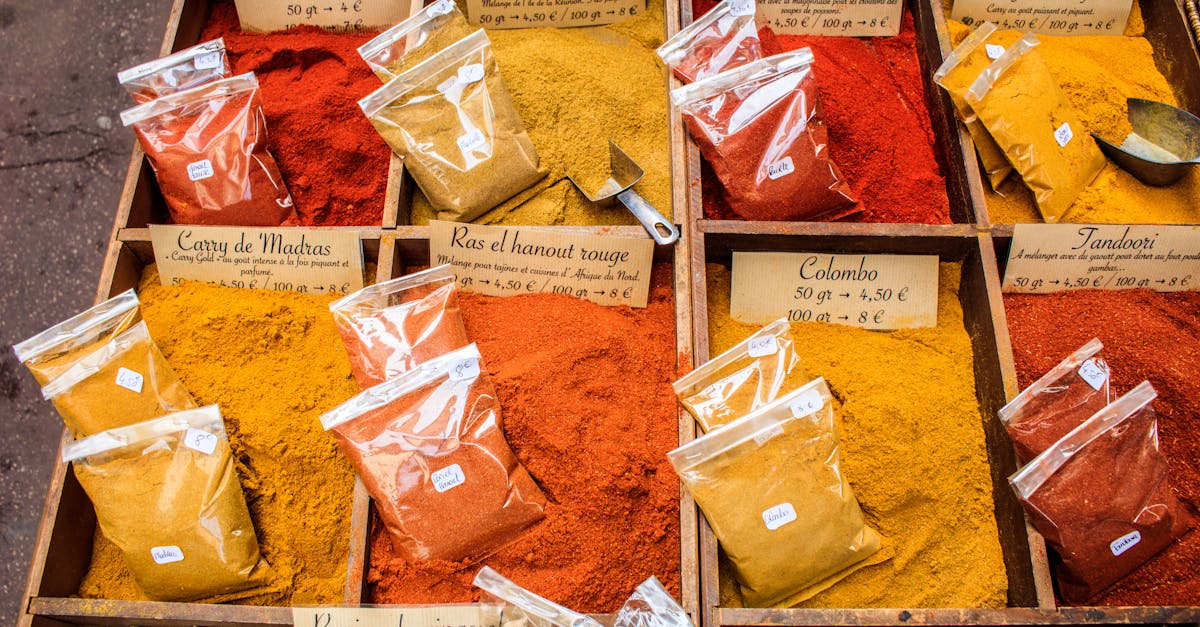
The Anatomy of Moroccan Spices and Essential Ingredients
Moroccan tagine flavor relies on a balanced synergy between warm spices, fresh aromatics, acidic brightness, and sweet notes. Unlike western stews that rely heavily on thick bone broths, tagine sauces (known locally as mraqa) form naturally from meat juices, rendered fat, onions, olive oil, and water infused with ground spices.
The Spice Foundation
Every traditional cook maintains a foundational spice pantry for building tagines. Essential single spices include:
- Ground Cumin (Kamoun): Earthy and nutty, essential for beef, lamb, and root vegetable tagines.
- Ground Turmeric (Kharkoum): Delivers brilliant golden color and mild, woody warmth.
- Ground Ginger (Skenjbir): Provides a sharp, aromatic bite that cuts through rich poultry and lamb.
- Paprika (Tahmira): Used extensively in fish (chermoula) and tomato-based vegetable tagines.
- Saffron (Za'frane Beldi): Pure saffron threads soaked in warm water yield unmatched floral fragrance and subtle golden hue.
- Ras el Hanout: A complex blend meaning 'top of the shop,' combining dozens of spices for depth.

Regional Variations Across Morocco
Tagines vary significantly depending on geography and seasonal produce. In coastal cities like Essaouira and Safi, seafood tagines featuring fresh fish, tomatoes, bell peppers, and tangy chermoula marinade are local staples. In northern regions near Tetouan, tagines incorporate Mediterranean influences with heavy uses of olive oil, dried figs, and wild oregano.
In the imperial cities of Fez and Marrakech, royal Andalusian heritage shines through sweet-and-savory pairings: lamb braised with dried prunes, toasted almonds, sesame seeds, and orange blossom water, or chicken tenderly braised with cured preserved lemons and green olives.

Cultural Context and Etiquette: Sharing a Tagine
In Moroccan culture, a tagine is rarely an individual meal. It is a communal centerpiece placed at the middle of the table, shared among family members and guests. Diners sit around the vessel and eat directly from the dish using pieces of crusty round Moroccan bread (khobz) held in the right hand to scoop up meat, vegetables, and sauce.
Traditional etiquette dictates that each person eats from the triangular wedge of the tagine directly in front of them. The host will often push prime cuts of tender meat or choice vegetables toward guests as a gesture of hospitality and respect.
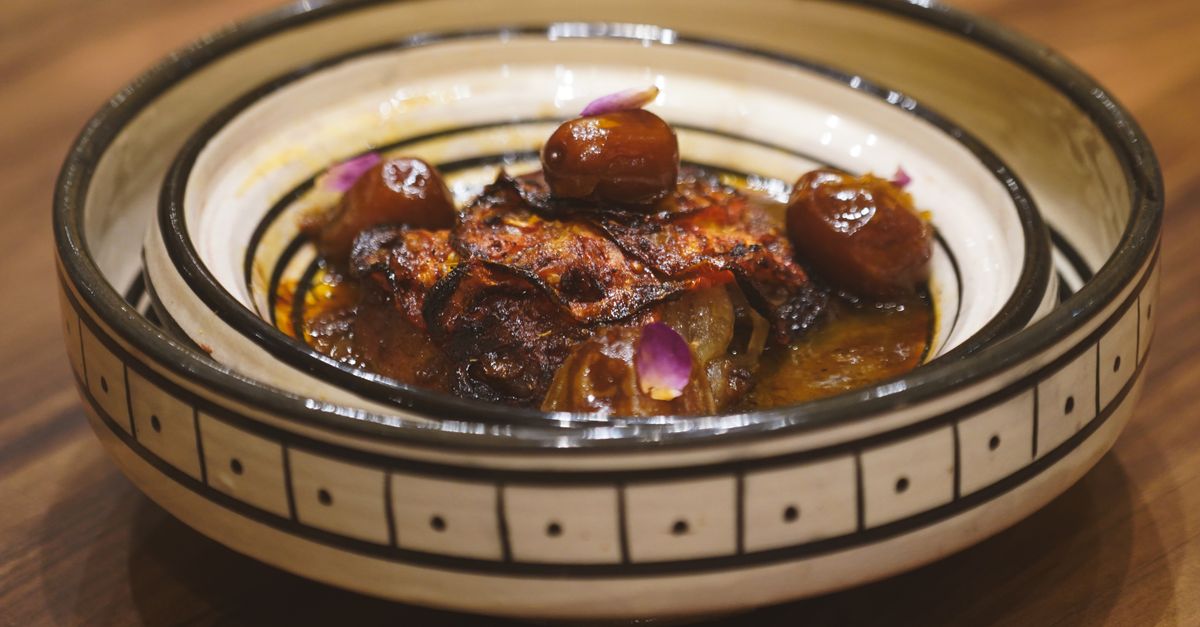
Where to Experience Authentic Tagines in Morocco
For visitors traveling through Morocco, finding an authentic tagine ranges from roadside stopovers to refined dining establishments in historical riads:
- Marrakech Medina & Djemaa el-Fna: While food stalls offer lively energy, local neighbourhood cookshops (moul tagine) located near spice markets serve deeply authentic slow-cooked beef and lamb tagines at reasonable prices.
- Fez el-Bali: The culinary capital offers exceptional traditional poultry tagines with preserved lemon inside restored medina palaces and family-run restaurants.
- High Atlas Mountains (e.g., Imlil Valley): Guesthouses prepare rustic Berber tagines using locally grown walnuts, apples, lamb, and mountain herbs cooked over wood embers.
- Safi Coast: Famous as Morocco's pottery center, Safi offers both handcrafted cooking tagines and coastal fish tagines fresh from the Atlantic fishing port.
