
Travelers navigating the dramatic, terraced landscapes of Morocco’s Northern Rif region quickly discover that the landscape is matched by an ancient ethos of generous, unpretentious hospitality and a fierce sense of identity. Shielded for centuries by steep limestone peaks and dense pine forests, the Tamazight (Berber) and Arab-Andalusian communities of the Rif Mountains have developed a distinct social code and cultural legacy. Here, welcoming a traveler is not regarded as a commercial transaction, but as a sacred communal duty grounded in honor, spiritual tradition, and genuine human connection.
While popular destinations like Chefchaouen introduce visitors to the aesthetic side of the region, venturing deeper into the surrounding valleys, Talassemtane National Park, and rural hamlets reveals the true heart of Rifian culture. Whether you are offered a steaming glass of wild herb-infused tea, fresh goat cheese wrapped in palmetto leaves, or shelter from an unexpected mountain rainstorm, understanding the nuances of Rifian guest culture elevates a journey through Northern Morocco from mere sightseeing to a meaningful cultural exchange.
Understanding Rifian Hospitality: Etiquette and Cultural Context
Hospitality in the Rif is deeply tied to the historical independence and self-reliance of mountain communities. Traditionally, rural homes were built to withstand rugged terrain, and the arrival of a stranger in an isolated hamlet carried great significance. In Amazigh tradition, a guest (anebgi) is viewed as a blessing to the household. Hosts take immense pride in sharing whatever food and comfort they possess, often preparing lavish meals even when resources are modest.
Core Etiquette and Cultural Norms
Understanding local customs ensures that your encounters are mutually respectful and rewarding:
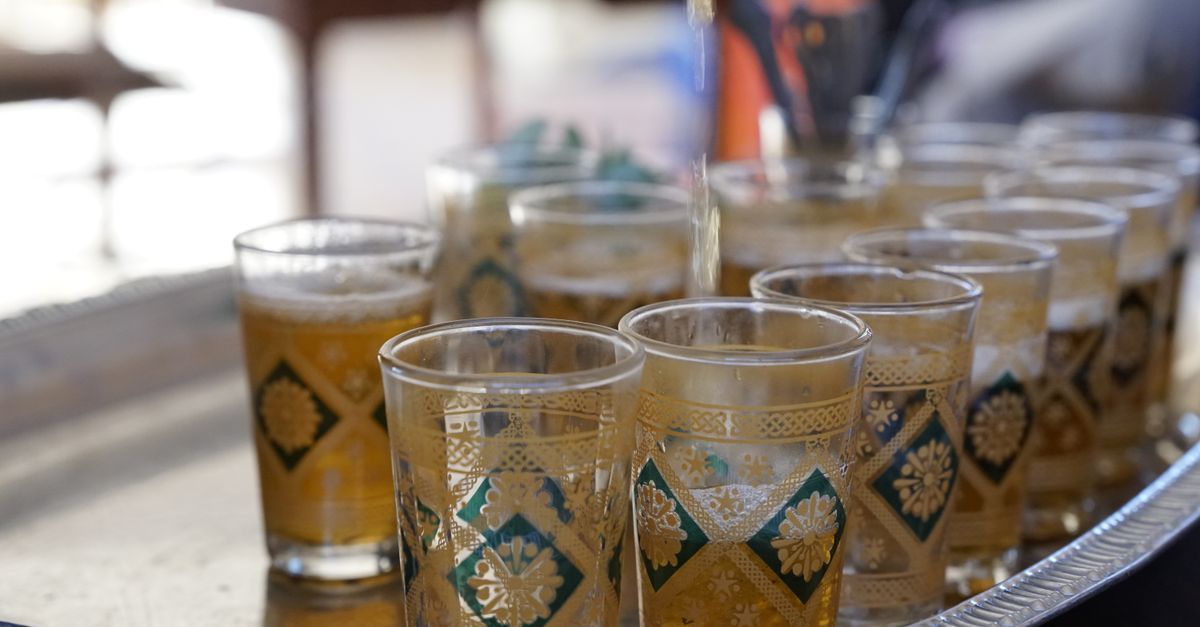
- The Tea Ceremony (Atay): Tea in the Rif differs subtly from the south. While green tea and mint are ubiquitous, mountain households frequently add wild herbs like pennyroyal (fliou), sage (salmia), or wild thyme (za'atar). Accepting at least two small glasses is customary; declining immediately can be perceived as polite hesitation, so hosts will gently insist.
- Shoes and Indoor Spaces: Always remove your shoes when entering a family home, village guesthouse (gîte d'étape), or carpeted salon. Pay attention to where your host places their footwear at the threshold.
- Handshakes and Greetings: Place your right hand over your heart after shaking hands as a sign of warmth and sincere respect. When greeting elders or members of the opposite sex in conservative rural hamlets, wait for them to extend a hand first; a gentle nod with a hand on the heart is always acceptable.
- Photography Protocol: Always ask permission before photographing local residents, particularly women, elders, and working farmers in rural weekly markets (souks). Privacy is highly valued in Rifian communities.
- Dining Etiquette: When sharing a communal tagine or dish, eat exclusively with your right hand using fresh bread as a utensil, keeping to the section of the platter directly in front of you.
Key Towns and Mountain Communities to Experience Local Culture
Experiencing authentic Rifian hospitality works best when balancing popular cultural centers with quiet, eco-conscious mountain hamlets. Here are the primary locations where guests can observe and participate in local life.

Chefchaouen (The Blue Pearl)
Why Visit: Famous for its indigo-washed medina, Chefchaouen offers an approachable gateway to Northern Moroccan architecture, Andalusian influence, and mountain hospitality.
Best Time & Visit Duration: Spring (April to June) or Autumn (September to November) offer pleasant temperatures. Plan for 2 to 3 days to explore both the medina and surrounding hillside paths.
How to Get There: CTM and local buses connect Chefchaouen directly with Tangier (approx. 3 hours), Tetouan (approx. 1.5 to 2 hours), and Fes (approx. 4 to 5 hours). Grand taxis are available from Tetouan and Tangier.
Practical Info: Free to wander the medina. Family suitability is high, though stroller travel is difficult due to narrow stone steps and steep alleys.
Practical Caution: Be prepared for persistent street vendors near main tourist hubs like Plaza Uta el-Hammam. A polite but firm La, Shukran (No, thank you) is usually effective.

Akchour and Talassemtane National Park
Why Visit: Located within the Talassemtane Biosphere Reserve, Akchour is renowned for the God's Bridge natural arch, pristine river cascades, and eco-guesthouses operated by local Rifian families.
Best Time & Visit Duration: Spring and early summer are ideal for hiking and swimming. A full day trip from Chefchaouen or an overnight stay in a rural guesthouse is recommended.
How to Get There: Shared or private grand taxis run daily from Chefchaouen to the trailhead at Akchour (approx. 45 minutes).
Practical Info: Free entrance to the national park; local guides can be hired at the trailhead. Moderate fitness is required for the full waterfall trek (3 to 4 hours round-trip).
Regional Flavors: Essential Dishes of the Rif
Rifian cuisine relies heavily on seasonal mountain agriculture, virgin olive oil, wild herbs, and artisan dairy production. Unlike the complex sweet-and-savory tagines of imperial cities like Fes or Marrakech, Northern Moroccan food emphasizes earthy, wholesome flavors cooked in clay vessels.
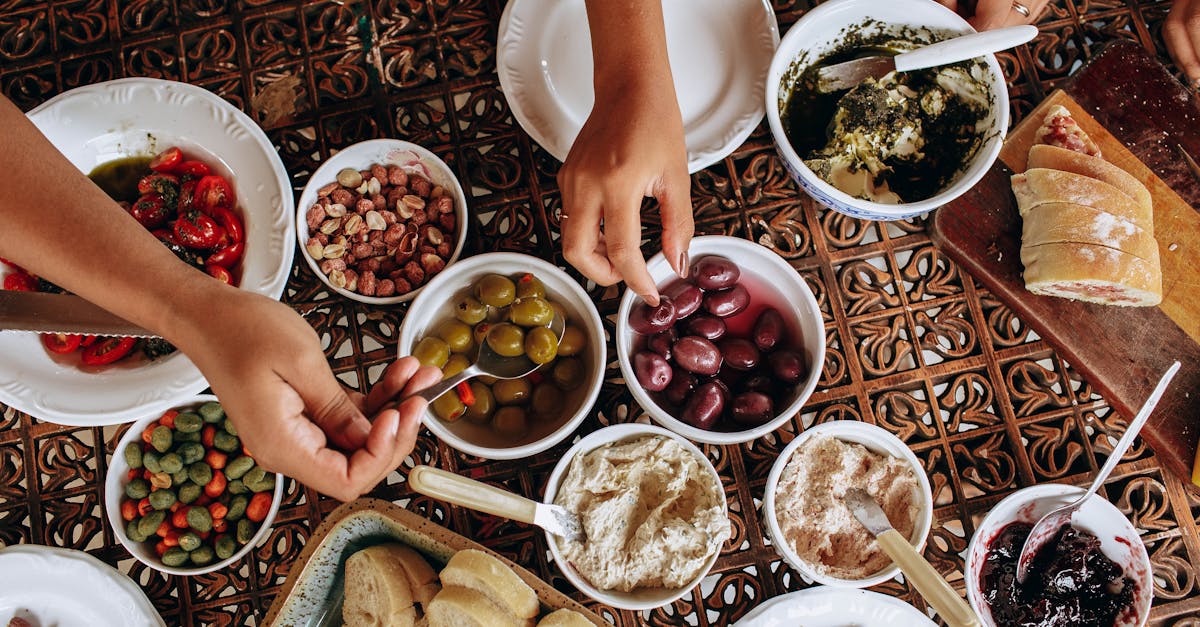
Jben (Rifian Fresh Goat Cheese)
Ingredients & Preparation: Raw goat's milk curdled using traditional vegetable rennet or lemon, strained through woven palm fronds, and lightly salted.
Regional Link & Occasion: Served throughout the Rif during breakfast or afternoon tea, often paired with wild wildflower honey, fresh black figs, and flatbread (khobz).
Where to Find It: Freshly made round wheels wrapped in palmetto leaves are sold every morning at local morning markets in Chefchaouen, Tetouan, and rural roadside stands across the province.
Bissara (Broad Bean Soup)
Ingredients & Preparation: Dried fava beans simmered with garlic, blended smooth, and served piping hot with a generous swirl of local extra virgin olive oil, ground cumin, and chili powder.
Regional Link & Occasion: The quintessential winter comfort food of Northern Morocco, eaten primarily during chilly mountain mornings and midday market days.
Where to Find It: Small, unpretentious local eateries (makhbazas and street stalls) throughout the Rif medinas, usually served with round crusty bread.
Practical Trip Planning and Navigating the Region Safely

Traveling through the Rif range requires thoughtful preparation due to mountain terrain and distinct socio-cultural dynamics. Respecting regional customs and planning transport routes in advance ensures a smooth journey.
- Respecting Local Traditions: Dress modestly, especially when traveling outside tourist-centric medinas into small rural villages. Covering shoulders and knees is appreciated by local community members.
- Navigating Rural Roads: Secondary mountain roads can be narrow with sharp hairpin turns. Drive carefully, particularly during winter rains when landslides or fog can occur.
- Navigating Kif Cultivation Areas: The central Rif region is historically associated with cannabis (kif) cultivation. When driving along isolated mountain routes between Issaguen (Ketama) and Chefchaouen, stick to main highways during daylight hours and politely decline any offers from roadside sellers.
