
When the final expulsion of Muslims and Sephardic Jews from the Iberian Peninsula unfolded following the fall of Granada in 1492, hundreds of thousands of refugees crossed the Strait of Gibraltar to northern North Africa. They brought with them centuries of refined urban culture, sophisticated botanical and architectural arts, culinary innovations, and a distinctive musical system known as Tarab Al-Andalusi. Today, this legacy remains vibrant across northern Morocco—shaping the social life, festive traditions, urban architecture, and daily cuisine of cities like Tetouan, Chefchaouen, Tangier, and Fez.
For travelers seeking more than superficial sightseeing, exploring northern Morocco through its Andalusian lineage offers a profound bridge between Europe and Africa. From the intricate courtly melodies performed during summer cultural festivals to the sweet-and-savory pastry traditions passed down through generations of home cooks, Andalusian heritage is a living, breathing identity rather than a static museum piece.

The Living Legacy of Al-Andalus in Northern Morocco
To understand the atmosphere of northern Moroccan cities, one must understand the historic ties to Islamic Spain (Al-Andalus). Over several centuries of migration—peaking in the 15th and 17th centuries—exiled families settled in distinct quarters of northern Moroccan towns, preserving their family keys, genealogies, and artistic traditions.
This heritage manifests strongly in three core cultural domains:
- Andalusian Classical Music (Al-Aala): A highly structured modal music system consisting of 24 original noubas (suites), of which 11 have survived intact. Performed using instruments like the oud (lute), rebab (bowed string instrument), violin held vertically on the knee, and darbuka (drum).
- Architectural and Urban Design: Interior-focused courtyard houses (riads), intricate zellij tilework, horseshoe arches, and lush Andalusian garden designs engineered around water basins.
- Craftsmanship and Guilds: Fine leatherwork, silk embroidery, wrought iron, and zellij ceramics, particularly concentrated in Tetouan and Fez.

Key Destinations for Andalusian Heritage and Festivals
Tetouan: The Pearl of Andalusian Morocco
Known historically as the "Daughter of Granada," Tetouan was extensively rebuilt in the late 15th century by Andalusian refugees led by Sidi Ali Al-Mandri. Its Medina is recognized as a UNESCO World Heritage site and represents one of the purest surviving examples of Andalusian-Moroccan urban culture.
- Why Visit: Experience authentic Moorish architecture, world-class traditional artisan workshops at the School of Traditional Arts and Crafts (Dar Sanaa), and attend prestigious classical music gatherings.
- Festivals & Events: Tetouan hosts regional gatherings dedicated to Andalusian classical music, often held in historical venues across the medina.
- Best Time to Visit: April to June and September to November, when ambient temperatures make walking the steep medina pleasant.
- Visit Duration: 2 full days minimum.
- How to Get There: Located 1 hour south of Tangier by grand taxi or CTM bus; approximately 45 minutes from the border near Ceuta.
- Practical Caution: Tetouan's medina is largely residential and working-class; respect local privacy by avoiding photographing people without permission, especially inside artisan workshops.

Chefchaouen: Sacred Music and Moorish Refuge in the Rif
Founded in 1471 as a small fortress by Moulay Ali Ben Rachid to fight Portuguese invasions, Chefchaouen grew rapidly with influxes of Andalusian Muslims and Jews. Beyond its famous blue-painted walls lies a deep tradition of Sufism, sacred poetry, and Andalusian musical preservation.
- Why Visit: To witness regional Sufi spiritual music gatherings that highlight female-led Andalusian vocal ensembles (such as Hadra Chefchaounia).
- Best Time: Spring (March–May) for mild mountain weather and blooming surrounding valleys.
- Visit Duration: 1 to 2 days.
- How to Get There: CTM and private buses connect Chefchaouen to Tangier (approx. 3 hours) and Tetouan (approx. 1.5 hours). No train service is available in the Rif mountains.
- What to Avoid: The central Outa el-Hammam square can become overcrowded with day-trippers between 11:00 AM and 4:00 PM; explore early in the morning or late afternoon for an authentic feel.
Tangier: The Gateway of Musical Fusion
Tangier's cosmopolitan history blends its international port status with deep Andalusian roots. Its proximity to Andalusia (just 14 kilometers across the Strait) makes it a natural venue for cross-strait cultural exchanges.
- Why Visit: Tangier regularly hosts cross-cultural arts gatherings, including classical music performances in restored palaces in the Kasbah and cultural centers across town.
- How to Get There: High-speed Al Boraq train connects Tangier directly to Casablanca and Rabat; ferry connections operate daily from Tarifa and Algeciras in Spain.

The Culinary Heritage: Tastes of Al-Andalus
Andalusian influences revolutionized Moroccan cuisine by introducing complex sweet-and-savory combinations, almond-based pastries, and refined spice blends. When visiting northern cities, seek out these classic dishes in traditional restaurants, family-run eateries, and medina bakeries.
Key Dishes and Flavors to Experience
- Pastilla (Bstilla): A paper-thin warka pastry stuffed with slow-cooked pigeon or chicken, spiced with saffron and ginger, layered with toasted crushed almonds, and dusted with powdered sugar and cinnamon. Originally brought from Moorish Spain, it remains a traditional ceremonial feast dish available in classic Moroccan restaurants and riads.
- M'hancha (Serpent Cake): A rolled pastry coil filled with almond paste, orange blossom water, and cinnamon, glazed with warm honey. Commonly served at social gatherings, local pastry shops, and festive family celebrations.
- Tagine d'Agneau aux Pruneaux et Amandes: Tender lamb cooked with saffron and cinnamon, topped with caramelized prunes and fried almonds—a classic balance of sweet and savory born in medieval Iberian kitchens, widely served across northern Moroccan restaurants.
- Northern Fish Tagines (Pescado al Horno): In Tetouan and Tangier, fresh fish from the Strait is baked with bell peppers, tomatoes, garlic, coriander, and olive oil—reflecting Mediterranean coastal traditions shared with southern Spain. Visitors can sample this dish in coastal seafood restaurants and medina eateries.
Cultural Etiquette and Local Customs
Understanding Social Life in the North
Social life in northern Morocco blends traditional Islamic practices with Mediterranean open-air cafe culture. Respecting local norms ensures warm interactions with residents:
- Music and Sacred Spaces: Many classical Andalusian musical performances take place in historic venues, restored riads, or near Sufi shrines (zaouias). Maintain quiet reverence during vocal performances, as texts often contain religious praise or classical love poetry.
- Cafe Culture: Traditional street cafes along main boulevards have historically been male-dominated, though mixed modern cafes are common in Tangier and modern city sectors. Travelers of all genders are welcomed warmly in cultural centers and tourist-oriented establishments.
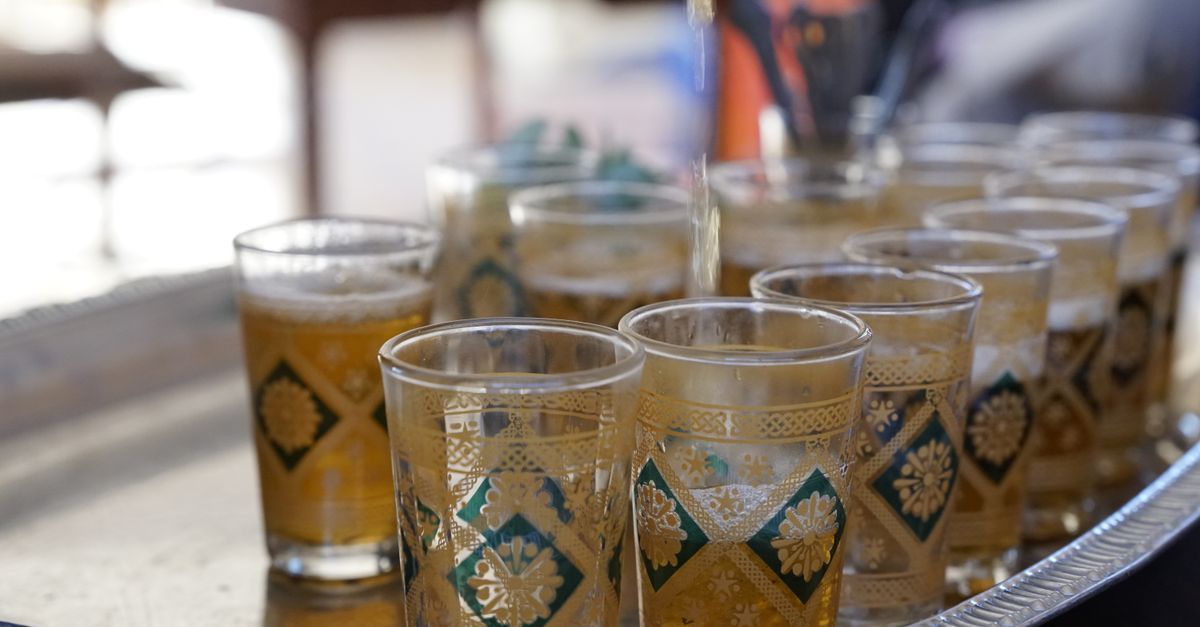
- Hospitality and Mint Tea: Accepting a glass of sweet mint tea (often flavored with wild herbs like pennyroyal or sage in the north) is a gesture of welcome. It is polite to accept with your right hand.
- Dress Code: While northern cities are accustomed to international visitors, modest clothing covering shoulders and knees is appreciated when navigating non-tourist medina neighborhoods and religious precincts.
Practical Trip Planning
Best Season to Visit
Spring (March through June) and Autumn (September through November) offer optimal weather. Spring brings pleasant temperatures across the Rif Mountains and coincides with several local spring cultural events. Summer months (July–August) can be crowded along the northern coast as domestic vacationers head to the beaches.
Getting Around Northern Morocco
- Train: The high-speed Al Boraq train links Tangier to Kenitra, Rabat, and Casablanca efficiently.
- Buses: CTM operates comfortable long-distance buses connecting Tangier, Tetouan, Chefchaouen, and Fez. Booking tickets in advance is recommended during holiday periods.
- Grand Taxis: Shared or private grand taxis are common for regional links like Tangier–Tetouan or Tetouan–Chefchaouen. Agree on prices beforehand if hiring a private taxi.
Money and Payments
Moroccan Dirham (MAD) is the official currency. Cash remains essential inside medinas, small markets, taxis, and family-run restaurants. Credit cards are accepted in major hotels and upscale establishments in Tangier and Tetouan. ATMs are widely available across all cities.
