
In Morocco, family is not merely a social unit; it is the central organizing axis of daily life, community, and cultural identity. To step into a Moroccan home during a family gathering is to experience dyafa—a deeply ingrained ethos of hospitality where guests are welcomed with an abundance of warmth, tea, and food. Whether for Friday afternoon couscous, a festive Aqiqah (baby naming ceremony), or a multi-day wedding celebration, family gatherings are meticulously structured around centuries-old customs of generosity, respect, and communal dining.
For travelers, understanding how Moroccan families host, eat, and spend time together provides a profound lens into the nation's culture. Beyond the bustling souks and historic medinas, the true heart of Morocco beats inside the home—centered around low round tables, steaming teapots, and generations of loved ones gathered in shared conversation.

The Hearth of the Home: What Defines Moroccan Family Gatherings
Moroccan family life is inherently multi-generational and extended. Household dynamics often encompass grandparents, parents, children, aunts, uncles, and cousins who maintain close daily contact even if they do not live under the same roof. Gatherings occur frequently, not just for grand milestones, but as a weekly cadence anchored by the Islamic calendar, seasonal harvests, and weekend reunions.
The physical space of the Moroccan home is explicitly designed to accommodate group gatherings. The primary architectural focal point of hosting is the salon marocain (Moroccan living room). Characterized by long, plush banquette seating (seddari) arranged in a continuous U or L-shape around low wooden tables, the salon eliminates hierarchy. Everyone sits at the same level, facing one another, making fluid conversation and shared eating natural.
The Ritual of Hosting (Dyafa): Welcoming Guests as Sacred Guests
In Moroccan tradition, welcoming a guest—whether an extended family member or an unexpected traveler—is considered a spiritual obligation and a source of immense pride. Generosity is measured by how comfortable and well-fed a guest feels.
1. The Mint Tea Ceremony (Atay)
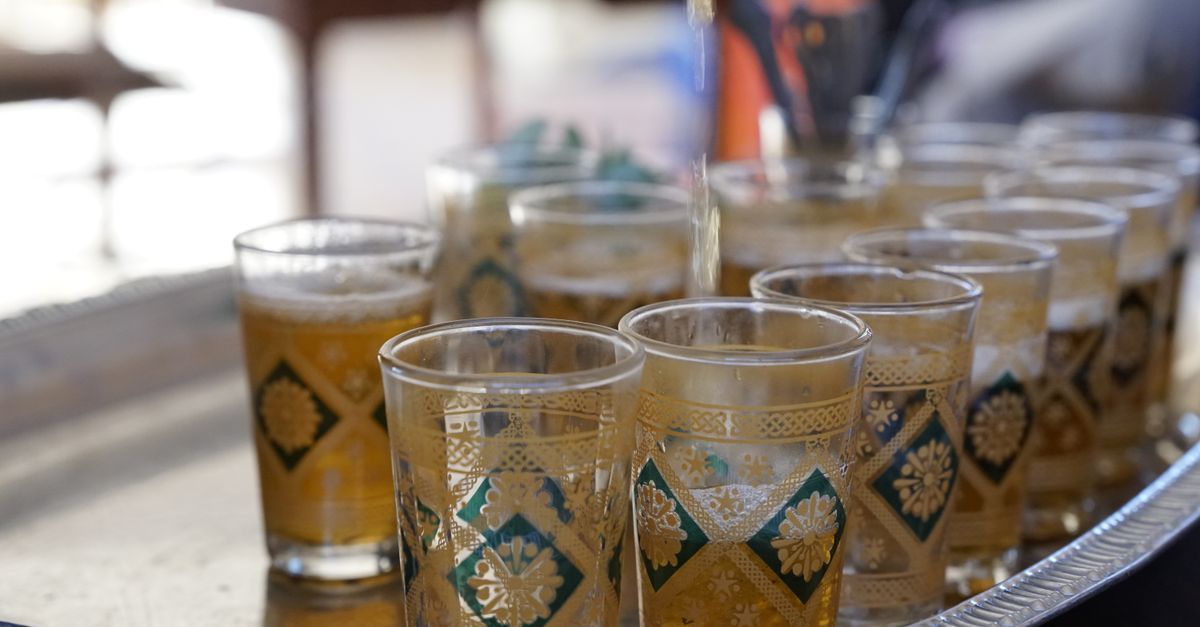
No gathering begins or ends without Atay, Moroccan mint tea. Prepared typically by the head of the household or an honored host, the tea is brewed using gunpowder green tea leaves, fresh spearmint (naana), and sugar. In colder months, herbs like wild thyme (za'atar), absinthe (sheeba), or lemon verbena (louiza) may replace or complement the mint.
The pouring ritual is an art form: the teapot is elevated high above the table, casting a long stream of hot tea into small glasses. This process cools the liquid slightly, aerates it, and creates a prized crown of froth (rezza) at the top of the glass, which signifies proper preparation and respect for the guest.
2. The Handwashing Ritual
Before a communal meal is served, host members often circulate with a traditional handwashing set consisting of a decorative metal basin (tasset) and pitcher (mraich). Warm water is poured over guests' hands, accompanied by a clean towel. Today, modern hand soap or hand sanitizer may complement this tradition, but the ceremonial gesture of preparing hands for a shared meal remains widespread in traditional settings.
The Table as Sacred Space: Culinary Traditions of Feasting
Food at a Moroccan family gathering is far more than nourishment; it is an act of communion. Dishes are almost always served on a single, large, central platter from which everyone eats together using their right hand or small pieces of crusty Moroccan bread (khobz).
Essential Dishes of Family Celebrations
- Friday Couscous (Couscous de Vendredi): Fridays mark the holy day of the week in Islam. Following the afternoon Jumu'ah prayers, families gather around a massive clay or ceramic bowl of hand-rolled semolina couscous topped with slow-simmered beef, lamb, or chicken, surrounded by seven distinct vegetables (typically zucchini, carrots, pumpkin, turnips, cabbage, chickpeas, and sweet potatoes). It is traditionally served with lben (chilled fermented buttermilk). Visitors can experience authentic Friday couscous at family-run restaurants or guest houses across the country, particularly in historical medinas like Fes and Marrakech.
- Slow-Cooked Tagines: Tagines served at family gatherings are richer and more complex than quick weekday versions. Classic gathering tagines include lamb or beef with sweet caramelized prunes, toasted almonds, and sesame seeds, or chicken with preserved lemons and cracked purple olives. Found nationwide, from home kitchens to local medina eateries.
- Pastilla (Bastilla): Strongly rooted in the imperial city of Fes, this masterpiece of Moroccan gastronomy is reserved for special family occasions, weddings, and formal dinners. It features paper-thin layers of warqa pastry stuffed with slow-cooked shredded pigeon or chicken, spiced with saffron, ginger, and cinnamon, layered with crushed sweetened almonds, and finished with a dusting of powdered sugar and cinnamon.
- Mechoui: During major events such as the festival of Eid al-Adha or large family reunions, an entire lamb is slow-roasted in a deep underground clay oven or outdoors on a spit until the meat becomes tender enough to pull apart with fingers. It is eaten simply with ground cumin and coarse salt, a specialty prominently found near Marrakech's Mechoui Alley.
- Traditional Sweets: After meals, families enjoy sweet treats such as Cornes de Gazelle (pastries filled with almond paste and orange blossom water), Briouats (honey-dipped fried almond triangles), and Chebakia (sesame and honey cookies, especially prominent during Ramadan). Available at traditional patisseries in every Moroccan city.

Key Ceremonies and Multi-Generational Celebrations
Family gatherings reach their peak during key life milestones and religious observances, where customs passed down across centuries are strictly observed.
1. Eid Celebrations and Ramadan Iftar
During Ramadan, families break their daily fast together at sunset during the Iftar (or Ftour). The table is laden with rich tomato and lentil soup (Harira), hard-boiled eggs sprinkled with cumin, dates, fresh juices, flatbreads (Rghaif and Baghrir), and pastries. During Eid al-Fitr and Eid al-Adha, multi-generational households spend days visiting relatives, exchanging gifts, and enjoying grand meals.
2. The Aqiqah (Baby Naming Ceremony)
Seven days after the birth of a child, families host an Aqiqah. The day begins with a traditional sacrifice (often a sheep), followed by a feast for extended family, neighbors, and community members. The mother is pampered, and the infant is formally named amid prayers, music, and festive meals.
3. The Moroccan Wedding (Aars)
A traditional Moroccan wedding is a multi-day family event involving extensive preparation, henna nights (Lilet el-Henna), musical performances, and elaborate banquets. It serves as a historic union not just of two individuals, but of two extended families who host hundreds of guests with endless rounds of tea, pastries, Pastilla, and tagines.

Cultural Etiquette and Practical Guidance for Visiting Travelers
If you are invited to a Moroccan home or a family-style dining experience, following basic cultural etiquette demonstrates respect and creates warm, lasting connections.
Essential Rules of Table Etiquette
- Use Your Right Hand: In Moroccan custom, the left hand is traditionally reserved for personal hygiene. Always use your right hand when taking bread, dipping into communal dishes, or accepting food and drink.
- Eat from Your Portion: When eating from a shared central platter, eat strictly from the section directly in front of you. Reaching across the platter is considered impolite, as hosts will naturally push prime pieces of meat or choice vegetables toward guests.
- Use Bread as a Utensil: Crusty Moroccan bread (khobz) functions as spoon, fork, and napkin. Break off small, bite-sized pieces and use your thumb and first two fingers to scoop up meat, sauce, and vegetables.
- Pace Yourself: Moroccan meals are multi-course marathons. Hosts will continuously encourage you to eat more with phrases like
