
Rising dramatically above the plains of Marrakech, Morocco's High Atlas Mountains offer one of North Africa's most extraordinary mountain landscapes. For travelers seeking a distinct contrast to the intense energy of urban medinas, these towering peaks present terraced valleys, ancient mud-brick villages, ancient Amazigh (Berber) traditions, and world-class trekking routes. Whether your goal is reaching the snow-dusted summit of Mount Toubkal or spending gentle days walking between peaceful mountain hamlets, thoughtful planning is key to an unforgettable journey.
A successful trip to the Atlas Mountains depends heavily on choosing the right mountain base, understanding seasonal weather shifts, and respecting local cultural norms. This guide cuts through generic tourist advice to give you practical, field-tested insights on village hubs, hiking routes, local etiquette, regional cuisine, and essential logistics for a seamless expedition.
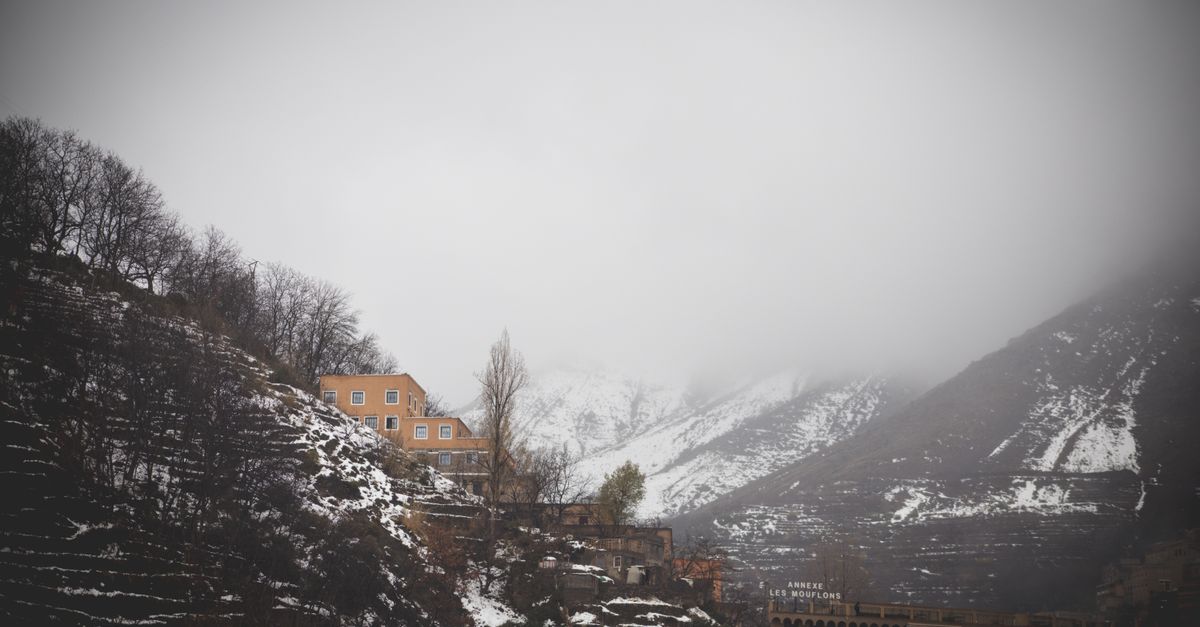
Choosing the Right Mountain Base: Where to Stay
Your choice of base determines the pace, difficulty, and flavor of your Atlas experience. Villages vary widely in accessibility, altitude, infrastructure, and atmosphere.
Imlil: The Trekkers' Hub
Why visit: Located at roughly 1,740 meters, Imlil is the undisputed epicenter of High Atlas trekking and the starting point for ascending Mount Toubkal. Surrounded by walnut groves and dramatic rock faces, it offers the highest concentration of licensed guides, guesthouses (gîtes d'étape), gear rentals, and transport connections.
Best time: April to June and September to November for optimal trekking conditions.
Realistic duration: 2 to 4 days depending on your trekking itinerary.
How to get there: Shared taxis (grand taxis) depart frequently from Marrakech's Sidi Mimoun terminals to Asni, where connecting taxis head straight up to Imlil. Private transfers take about 90 minutes.
Price expectation: Accommodation ranges widely from budget dorm guesthouses (around 150–300 MAD per night including dinner and breakfast) to mid-range lodges (600–1,500 MAD) and luxury eco-resorts like Kasbah du Toubkal.
Family suitability: Moderate. Great for active families, though steep stone pathways in the village require surefootedness.
What to avoid: Spontaneous treks into high passes without checking local weather forecasts or hire requirements.
Ouirgane: Peace, Orchards, and Lower Altitudes
Why visit: Situated in a fertile valley at roughly 1,000 meters altitude, Ouirgane offers a much milder climate, lush red-earth landscapes, pine forests, and olive groves. It is perfect for travelers who want gentle day walks, relaxed bike rides, and luxury hideaways rather than high-altitude mountaineering.
Best time: March to May when spring blossoms carpet the valley floor.
Realistic duration: 2 days for relaxation and light walking.
How to get there: About 75 minutes southwest of Marrakech along the R203 road toward the Tizi n'Test pass. Accessible via grand taxi via Asni or direct private transfer.
Price expectation: Excellent boutique lodges and guesthouses ranging from 500 MAD to premium luxury retreats over 2,500 MAD per night.
Family suitability: High. Gentle terrain, warmer temperatures, and swimming pools at many properties make it ideal for children.
Aroumd (Aremd): Authentic High-Altitude Living
Why visit: Perched on a massive moraine spur above Imlil at 1,900 meters, Aroumd offers spectacular views over the Mizane Valley. It provides a quieter, more traditional village atmosphere with direct access to higher trails.
Best time: Late spring through autumn.
Realistic duration: 1 to 3 days.
How to get there: Accessible on foot or by mule from Imlil (roughly 40 to 60 minutes uphill hike).
Price expectation: Mostly family-run gîtes d'étape charging 200–400 MAD per person including home-cooked meals.
Family suitability: Suitable for families with older, active children capable of light uphill hiking with luggage carried by mules.
Ourika Valley & Setti Fatma: Day Trips and Waterfalls
Why visit: Located closer to Marrakech, Ourika features lush riverbanks and the famous seven waterfalls at Setti Fatma. It is ideal for quick day trips, though heavily touristed.
Practical caution: Setti Fatma gets extremely crowded on summer weekends with local holidaymakers. The hike to the upper waterfalls requires scramble-walking over slippery boulders. Wear shoes with deep tread, avoid illegal guide touts at the river bridge, and skip the area during heavy rains due to flash flood risks.

Top Hiking Routes & Mountain Trails
Trekking in the High Atlas ranges from gentle valley strolls between orchards to challenging alpine ascents requiring technical preparation.
Mount Toubkal Ascent (4,167m)
As the highest peak in North Africa, Mount Toubkal attracts mountain lovers worldwide. The standard route takes two days starting from Imlil, sleeping overnight at the Toubkal Refuge (CAF) or Refuge Les Mouflons at 3,207 meters before an early morning summit push.
- Trail Difficulty: Strenuous non-technical climb. In winter and early spring, crampons and ice axes are mandatory.
- Guide Requirement: Official security regulations in Toubkal National Park strictly require all hikers undertaking the Toubkal ascent to be accompanied by a licensed mountain guide. Checkpoints exist along the route (notably at Sidi Chamharouch), where passports and guide documentation are checked.
- Duration: 2 full days minimum (3 days recommended for better acclimatization).
Azzaden Valley & Juniper Forests Circuit
For those seeking solitude away from peak crowds, the loop connecting Imlil to the Azzaden Valley via the Tizi n'Mzik pass (2,489m) reveals spectacular pine and juniper forests, cascading waterfalls near Azib Tamsoult, and striking red clay architecture in villages like Tizi Oussemed.
- Trail Difficulty: Moderate to challenging day walks or 3-day trekking circuit.
- Duration: 1 to 3 days depending on route selection.
Day Treks: Imlil to Tamatert Pass
An accessible half-day walk leads from Imlil up to the Tizi n'Tamatert pass (2,279m). The route offers panoramic vistas looking across to the Imnane Valley on one side and the Mizane Valley on the other. It is ideal for acclimatization or casual day hikers.

Understanding Atlas Mountains Weather & Best Times to Visit
Weather in the mountains varies drastically depending on altitude and season. Temperatures can swing up to 20°C (36°F) between daytime valley sun and evening high-altitude breezes.
Spring (March to May)
Spring is widely considered the prime season for visiting the High Atlas. Wildflowers bloom across terraced orchards, valley rivers flow strong with snowmelt, and daytime temperatures range comfortably between 15°C and 25°C in mid-altitude valleys. High mountain passes clear of snow by late April.
Summer (June to August)
While lowland Marrakech swelters under 40°C+ heat, lower Atlas valleys like Ouirgane remain warm (30°C–32°C), and higher altitude bases like Imlil stay pleasantly cool (20°C–25°C). Peak summits are clear of snow, making it peak season for Toubkal ascents. However, afternoon thunderstorms can trigger sudden flash floods in tight gorges.
Autumn (September to November)
Similar to spring, autumn brings crisp air, stable weather, clear skies, and golden walnut foliage. Ideal conditions for multi-day trekking circuits across high passes.
Winter (December to February)
Winter transforms the High Atlas into an alpine environment. Heavy snowfall blankets areas above 2,000 meters. Daytime valley temperatures average 10°C–15°C, dropping below freezing at night. Toubkal ascents require winter mountaineering gear, crampons, and experienced guides. Ensure your accommodation offers heated rooms or a traditional log fireplace (cheminée).

Amazigh Culture & Local Mountain Etiquette
The native inhabitants of the Atlas Mountains are the Amazigh people (often historically referred to as Berbers). Their warm hospitality, deep relationship with land, and distinct language (Tamazight) form the soul of the region.
Cultural Etiquette for Visitors
- Dress Respectfully: Mountain communities are traditional and conservative. While sportswear is standard on trails, keep shoulders and knees covered when walking through villages, visiting local homes, or stopping at village shops.
- Photography Protocol: Always ask verbal permission before photographing local residents, particularly village elders and children. Avoid photographing women working in fields or doing household chores without explicit consent.
- Greetings & Hospitality: It is customary to greet locals with a warm touch to the chest after a handshake and the phrase Azul (Hello in Tamazight). If invited into a private home for tea, accept graciously and remove your shoes before stepping onto carpets.

Local Food: High Atlas Culinary Specialties
Food in the High Atlas is hearty, organic, and deeply rooted in seasonal mountain agriculture.
Tagine d'Agneau aux Pruneaux et Noix (Lamb Tagine with Prunes & Walnuts)
Ingredients & Flavor: Slow-cooked lamb stewed with saffron, ginger, cinnamon, local honey, topped with dried prunes and toasted local walnuts harvested directly from valley trees.
Regional Link: The High Atlas valleys—particularly around Imlil and Asni—are famous across Morocco for their extensive walnut groves. Adding local walnuts adds a distinct crunch and nuttiness unique to mountain tagines.
Typical Time & Occasion: Served as a rich evening meal after long treks or presented to honored guests during social gatherings.
Where to Find It: Standard evening fare at traditional village guesthouses (gîtes d'étape) and mountain lodges throughout Imlil and Aroumd.
Berber Soup (Harira Jabalia / Soup Tmazight)
Ingredients & Flavor: A thick, comforting soup made with barley or cracked wheat, lentils, chickpeas, tomatoes, wild herbs like thyme, and aromatic mountain olive oil.
Regional Link: Designed for high-altitude cold weather, utilizing durable mountain grains and herbs harvested along riverbanks.
Typical Time & Occasion: Eaten hot as a starter for dinner or as a filling breakfast before heading out on early morning treks.
Where to Find It: Served at local village eateries, roadside stopovers in Asni, and prepared daily in high-altitude refuges like Refuge du Toubkal.
