
Stepping into Marrakech for the first time is an intense sensory experience. The scent of roasted cumin and orange blossoms drifts through labyrinthine alleys, horse-drawn carriages clatter past motorbikes weaving through impossibly narrow streets, and the call to prayer echoes from the Koutoubia Mosque over the iconic pink-ochre adobe city walls. For unprepared travelers, Morocco's Red City can feel overwhelming, but with the right preparation, it becomes an unforgettable, deeply rewarding destination.
This comprehensive guide breaks down everything a first-time traveler needs to know to navigate Marrakech smoothly. From mastering the labyrinthine Medina and negotiating taxi fares to dodging persistent scams, bargaining respectfully in the souks, and tasting regional culinary specialties, these practical tips will ensure your adventure in Marrakech is exhilarating rather than exhausting.
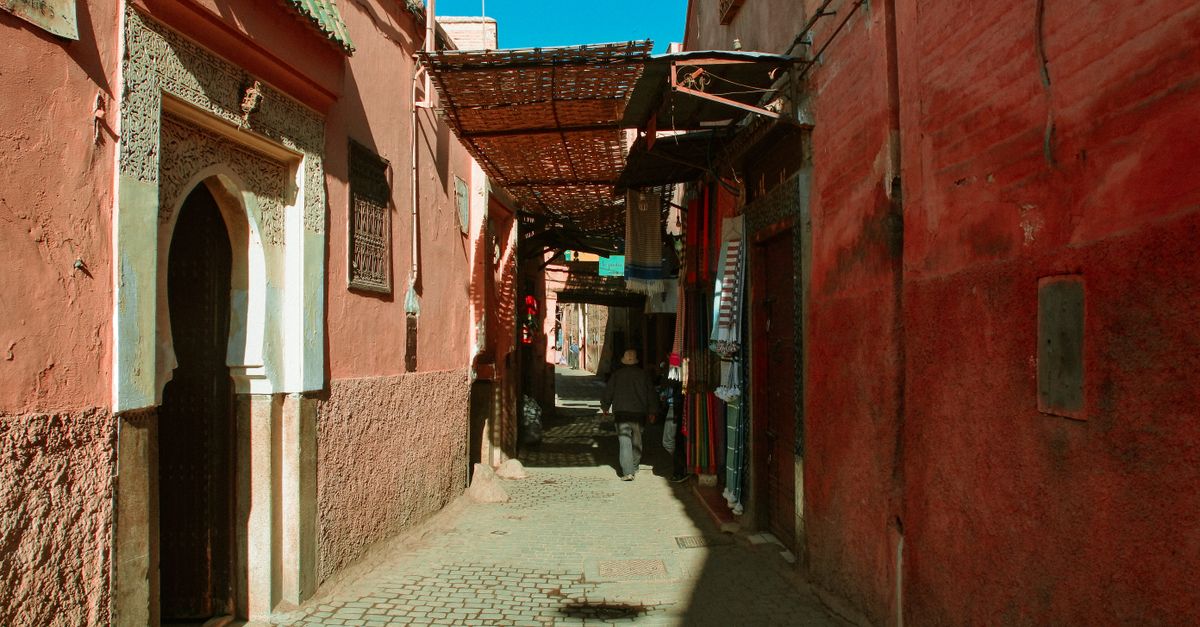
Navigating the Medina Without Losing Your Mind
The historic center of Marrakech, known as the Medina, is a UNESCO World Heritage site encased within miles of historic 12th-century ramparts. It is an intricate maze of thousands of twisting residential alleys, dead-end alleyways (derbs), and bustling market corridors. Accepting that you will get lost is the first step toward enjoying it.
How the Street Layout Works
The Medina is organized radially around the central square of Jemaa el-Fna. Major thoroughfares radiate outward from the square toward the main historical gates (babs), such as Bab Doukkala or Bab Agnaou. These main arterial streets are generally wider, lined with shops, and packed with pedestrian and scooter traffic. When you turn off a main thoroughfare, you enter quieter residential dead-end lanes where riads (traditional courtyard houses) are located.
Digital vs. Physical Navigation Tips
Standard navigation apps like Google Maps can be notoriously unreliable inside the Medina. High walls block GPS signals, and tiny footpaths are frequently mislabeled. Instead, download offline mapping apps such as Maps.me or Organic Maps prior to arrival; these rely on crowdsourced data from OpenStreetMap, which tracks individual alleyways and dead ends much more accurately in Marrakech.
When walking, pay attention to physical landmarks. Note the specific design of your riad's door, unique arches, or specific archway signs. Look for official street signs fixed to walls; yellow signs with arch icons generally lead toward Jemaa el-Fna, while red signs point toward major exit gates.
What to Do When You Are Completely Lost
If you lose your sense of direction, avoid standing in the middle of a narrow alley staring blankly at your smartphone—this signals vulnerability to opportunistic uncommissioned guides. Instead, step inside a local shop, cafe, or hotel lobby to check your position. If you need directions, ask a shopkeeper fixed inside his store or an older resident sitting at a doorway. Avoid asking young teenagers standing on street corners, as this often leads to unwanted guided walks followed by demands for payment.
The Art of Bargaining in the Souks
The souks of Marrakech represent one of Africa's largest and most vibrant traditional marketplaces. Divided historically by trade—such as Souk Semmarine (textiles), Souk Haddadine (blacksmiths), and Souk Cherratine (leather)—shopping here is an immersive cultural transaction where prices are rarely marked.

Rules of Negotiation
Bargaining is expected for non-perishable goods, souvenirs, leather craft, ceramics, carpets, and metalwork. However, it should always remain a polite and good-natured social exchange, not an argument. Here is the process:
- Research beforehand: Visit fixed-price cooperatives (such as Ensemble Artisanal near Koutoubia) before hitting the souks to get a realistic baseline cost for carpets, leather bags, and spices.
- Never state an initial price first: Let the vendor quote the opening price. This initial number is typically higher than the expected selling price.
- Counter gracefully: Counter with a lower fraction of their initial offer, depending on how inflated it seems.
- Move incrementally: Work your way slowly toward a middle ground. Polite conversation and light humor go a long way.
- The walk-away technique: If you cannot reach an agreement on a price you feel comfortable with, politely thank the seller and walk away. If the offer was realistic, they will often call you back to accept; if they let you walk, you know you pushed below reasonable costs.
Cash vs. Card Realities
Cash is key in the souks. While higher-end carpet showrooms, boutiques, and fixed-price shops accept credit cards, local artisans, spice vendors, and small stall owners deal almost exclusively in Moroccan Dirhams (MAD). Always carry small bills (20, 50, and 100 dirham notes) because vendors frequently lack change for 200 dirham bills on small purchases.
Taxis and Transport: Negotiating Fair Fares
Getting around outside the pedestrianized Medina requires an understanding of the city's distinct taxi network.

Petit Taxis vs. Grand Taxis
Marrakech has two main types of taxis:
- Petit Taxis: Small ochre-colored vehicles that operate strictly within city limits. They hold a maximum of three passengers. By law, drivers must activate the electronic meter (the compteur) upon starting the ride.
- Grand Taxis: Larger shared vehicles operating on fixed routes between Marrakech and surrounding towns, or serving the airport. They run on fixed seat rates or flat rates for private hire.
Navigating the Taxi Meter Conflict
The most frequent challenge first-timers encounter is drivers refusing to turn on the meter, particularly around major tourist hubs like Jemaa el-Fna, Majorelle Garden, and the main railway station. Always insist on the meter by politely saying "Compteur, s'il vous plaît" before getting into the car.
If the driver refuses and demands an inflated flat fare, simply close the door and wait for the next taxi. During off-peak hours inside central districts (Gueliz to Medina edge), a meter fare is quite inexpensive. At night, a legally sanctioned surcharge applies to the metered rate.
Ridesharing and Transport Alternatives
Ride-hailing apps operating in Marrakech can be convenient for securing locked-in pricing without verbal negotiation. Public buses operated by ALSA cover primary corridors, including airport express routes between Menara Airport and central hubs.
Scams and Common Mistakes to Avoid
Marrakech is statistically very safe regarding violent crime, but nuisance street scams targeting tourists occur in high-density areas.

1. The "Road Closed" / Fake Guide Scam
As you walk through the Medina, individuals may call out: "That street is closed today!" or "The square is this way!" This is frequently a tactic to redirect you, leading you through quiet alleys to a shop or demanding a fee for leading you back to the main path. Ignore unsolicited instructions and continue walking confidently along your chosen path.
2. Unsolicited Henna Tattoo Artists
In Jemaa el-Fna square, women carrying henna photo books will sometimes aggressively grab visitors' hands and begin applying dye without clear agreement, subsequently demanding inflated fees. Keep your hands relaxed and close to your chest when passing through artist zones, and firmly say "Non, merci" without stopping.
3. Animal Exploitation in Jemaa el-Fna
Snake handlers and monkey handlers operate in the central square. They will frequently attempt to place animals on the shoulders or hands of passing tourists and charge steep fees for photo opportunities. Avoid touching or taking photos of these animals unless you intend to pay, as handlers will confront you vigorously for payment.
4. Tannery Overcharging
The traditional tanneries at the eastern edge of the Medina (Bab Debbagh) offer a view of traditional leather dyeing, but they are known for assertive self-appointed guides. Unofficial guides may corner you at the entry, hand you a sprig of mint, lead you on a short tour, and aggressively demand compensation upon exit. If you wish to visit, clarify tour pricing clearly beforehand or visit with an officially licensed municipal guide.
Key Sights & How to Plan Visits
Bahia Palace
- Why Visit: A 19th-century palace showcasing intricate mosaic tilework (zellij), painted cedar ceilings, and tranquil garden courtyards.
- Best Time: Early morning near opening to avoid group tours.
- Visit Duration: 1 to 1.5 hours.
- Getting There: Located in the southern Medina; a short walk south of Jemaa el-Fna.
- Family Suitability: Excellent; open courtyards that are easy to walk through with children.
- Practical Caution: Expect queues at the ticket booth during peak hours. There is minimal shaded seating in main courtyards.
Ben Youssef Madrasa
- Why Visit: One of Northern Africa's largest historic Islamic schools, renowned for breathtaking architecture, carved stuccowork, and student quarters.
- Best Time: Early morning or late afternoon.
- Visit Duration: 45 minutes to 1 hour.
- Getting There: Located in the northern Medina, accessible by foot from Jemaa el-Fna via Souk Semmarine.
- Practical Caution: Narrow staircases leading to the upper dorm chambers require careful steps when busy.
Jardin Majorelle & Yves Saint Laurent Museum
- Why Visit: Electric cobalt-blue botanical garden restored by Yves Saint Laurent and Pierre Bergé, alongside a fashion museum.
- Best Time: Early morning pre-booked slot.
- Visit Duration: 2 to 3 hours total for both sites.
- Getting There: Located outside the Medina in Gueliz/Majorelle; a short taxi ride from Medina edges.
- Practical Caution: Tickets must be booked online in advance via the official portal; physical ticket counters on site do not sell walk-up passes.
Local Food Guide: What and How to Eat
Moroccan cuisine in Marrakech is rich with aromatic spices, slow-cooked meats, preserved lemons, and fresh local produce. Eating well here ranges from humble street-side stalls to atmospheric rooftop riad restaurants.

1. Tagine
- Ingredients: Slow-cooked meats (beef, lamb, chicken) or fish, stewed with vegetables, olives, preserved lemons, dried plums, or almonds cooked in a cone-shaped clay vessel.
- Regional Connection: The staple dish across Morocco, perfected over centuries by indigenous Amazigh (Berber) cooks.
- When Eaten: Typically eaten during lunch as the main meal of the day, shared communally using flatbread (khobz) rather than utensils.
- Where to Find: Served in almost every local neighborhood eatery, formal restaurant, and riad throughout Marrakech.
2. Tanjia Marrakchia
- Ingredients: Cuts of beef or lamb marinated in garlic, cumin, saffron, preserved lemon, and smen (aged salted butter), sealed in an urn-shaped clay pot.
- Regional Connection: Marrakech's distinct signature specialty. Traditionally prepared by workers, who took the clay urns to the local neighborhood bathhouse (hammam) furnace to slow-cook beneath embers for hours.
- When Eaten: Lunch or early evening gatherings among friends.
- Where to Find: Authentic butcher shops and specialty restaurants near Mechoui Alley, located just off the northeastern corner of Jemaa el-Fna.
3. Pastilla (Bastilla)
- Ingredients: Thin layers of warkha pastry filled with spiced chicken or pigeon, toasted almonds, cinnamon, and powdered sugar, creating a sweet-savory balance.
- Regional Connection: Andalusian-Moroccan culinary heritage found in historic cities like Fes and Marrakech.
- When Eaten: Served during festive occasions, celebrations, and formal dinners.
- Where to Find: Traditional Moroccan restaurants, riad dining rooms, and select specialized bakeries.
4. Harira Soup and Chebakia
- Ingredients: A rich tomato base cooked with lentils, chickpeas, tiny vermicelli noodles, cilantro, parsley, and meat broth. Served alongside Chebakia (honey-coated sesame cookies).
- Regional Connection: Traditional hearty comfort food eaten nationwide.
- When Eaten: Traditionally breaks the fast during Ramadan, but consumed daily in late afternoons and evenings as an affordable street meal.
- Where to Find: Small street soup stalls around Jemaa el-Fna and residential neighborhood markets.
Cultural Etiquette and Practical Essentials
Dress Code Expectations
Marrakech is a cosmopolitan destination, but it remains socially conservative. While resort hotel grounds are relaxed, modest dress is expected in public spaces, souks, and residential Medina streets. Covering shoulders and knees helps avoid unwanted attention and shows respect to local norms.
Photography Etiquette
Always ask permission before photographing local residents, shopkeepers, or artisans. Many street vendors prefer not to be photographed without consent. Never photograph military personnel, police officers, government buildings, or security checkpoints.
Mosque Access
Active mosques in Morocco—including the famous Koutoubia Mosque—are closed to non-Muslim visitors inside. Non-Muslim travelers are welcome to admire the architecture, minarets, and surrounding gardens from the outside exterior.
Money, ATMs, and Tipping
- Currency: Moroccan Dirham (MAD). Cash is necessary for daily expenses.
- ATMs: Use ATMs attached to major bank branches inside the Medina near major gates or along Avenue Mohammed V in Gueliz. Avoid standalone street ATMs.
- Tipping (Baksheesh): Tipping is modest but widely practiced. Round up small taxi fares, leave 5% to 10% in sit-down restaurants, and tip hotel porters or riad staff for luggage assistance.
Practical Trip Planning Summary
Best Season to Visit
The optimal times to visit Marrakech are autumn (September to November) and spring (March to May). Daytime temperatures during these months are comfortably warm, ideal for walking. Summer brings extreme heat exceeding 40°C, making daytime exploration challenging.
Ideal Duration
Plan for 3 to 4 days to cover Marrakech's main historical sites, souks, and dining scenes without feeling rushed. If using Marrakech as a base for day trips to the Atlas Mountains, Agafay Desert, or coastal Essaouira, allow 5 to 7 days.
Family Travel Notes
Marrakech is welcoming toward families with children. However, strollers are difficult to push over uneven Medina cobblestones and narrow market lanes; soft baby carriers are strongly recommended instead. Keep bottled water handy and ensure children drink only sealed treated water.
Final Checklist for First-Timers
- Download offline maps before arriving at your hotel.
- Arrange airport transport through your riad or use the airport express bus for your initial arrival to avoid transport stress.
- Carry small dirham banknotes for daily purchases and tips.
- Book high-demand tickets (like Jardin Majorelle) online well in advance.
- Approach navigation with patience: Wandering through the souks is part of the experience.
