
When crisp winter air sweeps down from the High Atlas Mountains or damp chill settles over the coastal medinas of Tangier and Essaouira, Morocco’s morning pulse changes. Long before tourists arrive at bakery counters for French croissants and café au lait, workers, market vendors, and early risers gather around steaming brass kettles deep within the souks. They are there for one thing: bessara (also spelled bissara or besara), Morocco’s ultimate cold-weather breakfast dish.
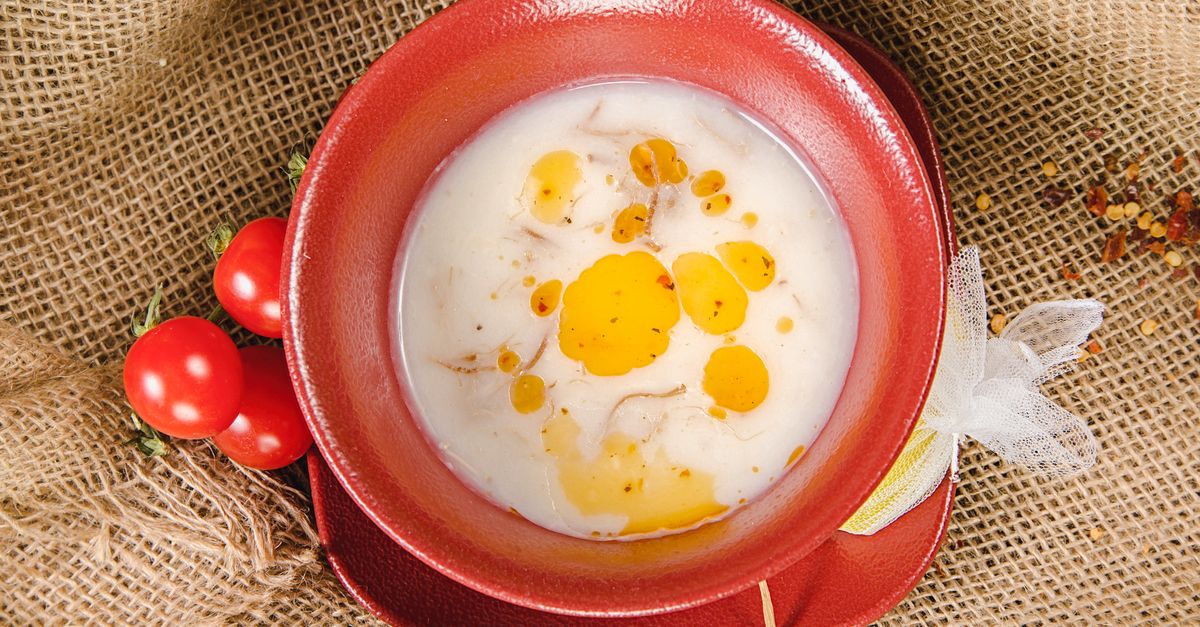
Bessara is a velvety, comforting soup made from simmered dried broad beans (fava beans) or split peas, puréed with garlic, cumin, salt, and generous glugs of extra virgin olive oil. Served piping hot in rustic terracotta bowls alongside freshly baked round flatbread (khobz), this simple dish is more than mere nourishment; it is an essential winter ritual, an incredible value, and a window into authentic everyday Moroccan culture.
What is Bessara? Morocco’s Winter Powerhouse Dish
At its core, bessara embodies the beauty of North African peasant cuisine—turning modest, shelf-stable staples into a deeply satisfying masterpiece. Historically rooted in rural Amazigh (Berber) communities and popular across North Africa for centuries, this hearty legume dish provided affordable, high-protein energy to farmers working cold fields and traders trekking across mountain passes.
The preparation is straightforward yet requires patience. Dried fava beans are soaked and boiled gently with whole garlic cloves until completely tender. Once cooked down, the mixture is blended or whipped into a smooth, silky cream. When served, the cook ladles the golden soup into a bowl, creates a small well in the center, and pours in a liberal puddle of dark, peppery olive oil. Diners customize their bowl at the table using small tins of earthy cumin and chili powder (harissa or sudaniya).
The Morning Ritual: How and Where Locals Eat It
In Moroccan cities and villages, bessara stalls are easy to spot once you know what to look for. Seek out small storefronts featuring large cauldrons positioned right at the street entrance. You will see thick clouds of steam rising into the chilly morning air and a steady queue of locals standing or perched on narrow wooden benches.
Eating bessara is an interactive experience. Spoons are optional; the traditional and preferred method is to tear off a piece of warm, crusty khobz, scoop up the thick purée, and convey it to your mouth, capturing a bit of raw olive oil and spice in every bite. It is fast, communal, and unpretentious. Most specialty shops operate from early morning through midday, closing up shop as soon as the day's batch runs out.

Regional Variations: Dried Fava Beans vs. Split Peas
While the fundamental spirit of bessara remains consistent across Morocco, regional preferences dictate the main ingredient:
- Fava Bean Bessara (Foul Yabis): Preferred in northern regions like Tangier, Chefchaouen, and the Rif Mountains, as well as historic medinas like Fès and Meknès. This version has a rich, earthy flavor and a warm beige or golden hue.
- Split Pea Bessara (Jilbana): More common in southern regions and coastal towns like Marrakech and Essaouira. Made from dried green split peas, this variation offers a brighter green color and a slightly sweeter, milder flavor profile.
- The Hybrid Blend: Some medina cooks mix both dried fava beans and split peas in equal measure to achieve a balanced flavor and vibrant texture.

Cultural Context and Etiquette for Food Travelers
Joining locals at a neighborhood street counter is one of the most rewarding cultural experiences you can have in Morocco. To navigate the experience comfortably and respectfully, keep these practical etiquette tips in mind:
- Dining Style: If communal seating is full, it is customary to share a bench. A warm greeting like “Salam Alaykum” is always welcomed.
- Right Hand Rules: If eating with bread instead of a spoon, use your right hand to hold and scoop the food, as the left hand is traditionally reserved for personal hygiene.
- Customizing Spice: Condiment pots containing cumin, red pepper, and extra olive oil sit on the counter. Feel free to sprinkle extra spices over your bowl according to your preference.
- Payment Realities: Bessara is extremely affordable, typically costing between 5 to 15 Moroccan Dirhams (MAD) per bowl including bread. Always pay in cash using small coins or bills, as stall owners cannot break large banknotes.

Practical Guide: Finding the Best Bessara in Morocco
To experience authentic morning bessara, skip hotel breakfast buffets and head out early into the old medinas. Here is how to find top spots in key destinations:
1. Tangier & The Northern Rif
Why Visit: The cold coastal breeze makes Tangier one of the best cities to enjoy fava-bean bessara topped with intense Rif mountain olive oil.
Where to Look: Search around Petit Socco or near the Grand Souk in the early morning. Look for small hole-in-the-wall shops popular with port workers and vendors.
2. Fès Medina (Fes el-Bali)
Why Visit: The ancient car-free alleys of Fès get cool in winter mornings, making a warm bowl of soup an ideal stop while exploring.
Where to Look: Along the main thoroughfares of Tala'a Kebira and Tala'a Seghira. Look for stalls displaying garlic bulbs and stacks of fresh round flatbread.
3. Marrakech Medina
Why Visit: Southern Morocco offers the split-pea variation, providing a lighter contrast to northern broad-bean recipes.
Where to Look: Just off Jemaa el-Fnaa in the food alleyways near Bab Agnaou or in the spice market areas.

Local Food Spotlight: What Else to Try for Breakfast
While bessara is a winter staple, Morocco's morning food landscape offers several complementary items:
- Harira: A fragrant tomato, lentil, and chickpea soup thickened with herbs, often enjoyed during Ramadan or evening hours, served with sweet dates.
- Msemen & Melwi: Flaky, square or round layered flatbreads cooked on a flat griddle, served warm with honey, butter, or soft cheese.
- Harcha: Dense, crumbly pan-fried semolina bread cakes that pair well with mint tea or coffee.
- Sfenj: Moroccan ring doughnuts fried to order in large cauldrons of hot oil, crisp on the outside and soft inside, usually eaten plain or dusted with sugar.
Essential Winter Travel & Planning Tips
- Best Season: November through March brings cool mornings ideal for warm street food. Mountain regions experience significant winter chill.
- Timing: Arrive during early morning hours. By midday, most dedicated bessara stalls sell out and transition to lunch offerings.
- Safety & Hygiene: Choose busy stalls with high customer turnover where the soup is kept continuously hot.
- Family Notes: The mild base flavor of broad beans and olive oil makes bessara accessible for children, who can enjoy dipping bread without adding spicy peppers.
