
Bessara in Northern Morocco: Why This Humble Soup Is a Breakfast Staple
High in the dramatic, cedar and pine-scented peaks of Northern Morocco's Rif Mountains, mornings do not start with delicate pastries or sweet preserves. Instead, as dawn breaks over historical hubs like Chefchaouen, Tetouan, and Tangier, the crisp mountain air fills with the rich, earthy aroma of bessara (often spelled bissara). Made from slowly simmered dried fava beans or split peas, blended into a velvety purée, and crowned with local olive oil, ground cumin, and red chili, this unassuming pulse dish is the undisputed heart of northern Moroccan morning food culture.
For generations, Amazigh (Berber) and Jebala agrarian communities across the northern ranges relied on bessara to fuel grueling agricultural labor during frosty highland winters. Today, it stands as one of the purest, most enduring examples of Mediterranean mountain gastronomy—sustaining, deeply aromatic, and inextricably bound to the region's agricultural calendar. For visitors traveling through Northern Morocco, sharing a warm bowl of bessara at a street corner or busy souk eatery provides a genuine connection to daily local life, generous hospitality, and ancestral foodways.

What Is Bessara? The Soul of Northern Moroccan Comfort Food
Bessara is a nutrient-dense, restorative pulse soup cooked until dried broad beans or split green peas thoroughly breakdown into a silky texture. While pulse purées exist in various forms across North Africa and the Levant, Northern Morocco—particularly the northern highlands and coastal hinterlands—claims the dish as a cornerstone of identity. Unlike central or southern Moroccan variations that occasionally integrate complex herb bundles, northern recipes remain decidedly refined in their minimalism, letting the intrinsic flavor of legumes and cold-pressed olive oil take center stage.
Unlike celebratory dishes like pastilla or slow-braised tagines saved for family gatherings, bessara belongs entirely to the rhythmic routine of daily life and street food. It is universally accessible, remarkably wholesome, and consumed by people of every background. A generous bowl typically costs between 5 to 15 Moroccan Dirhams (MAD) in local eateries, making it one of the most affordable, comforting, and authentic culinary experiences in the kingdom.
Essential Ingredients and Culinary Crafting of Northern Bessara
The beauty of authentic northern bessara relies on absolute quality across a handful of raw ingredients:
- Fava Beans (Foul Gnaoua) or Split Peas (Jelbana): Dried, peeled broad beans form the traditional base in highland towns like Chefchaouen. In other northern zones or depending on seasonal availability, split green peas are utilized, yielding a vibrant pale-green variation.
- Garlic: Whole native garlic cloves are simmered alongside the legumes from the start, softening until they fully dissolve into the soup to impart a mellow, aromatic backdrop.
- Water and Sea Salt: Balanced carefully to ensure a smooth, velvety consistency without relying on artificial thickeners or excessive broths.
- Extra Virgin Olive Oil (Zait Zaytoun): An indispensable finish. Olive oil from the northern hills—particularly from renowned pressings around Ouezzane and Taounate—is peppery, rich, and poured liberally into the hot bowl just before serving.
- Cumin (Kamoun) and Harissa or Cayenne: Applied liberally at the table. Cumin aids digestion while adding warm aromatic notes, and red pepper provides customizable heat.
Traditionally, cookshops simmered bessara for hours in heavy clay vessels (ghrafe) over glowing wood embers, stirring continuously with wooden paddles (mehraje) until the beans collapsed naturally. While modern kitchens frequently use blenders for consistency, traditional street vendors across the north still keep massive copper or stainless-steel caldrons simmering slowly throughout the early morning hours.

The Morning Ritual: When, How, and Where Bessara Is Eaten
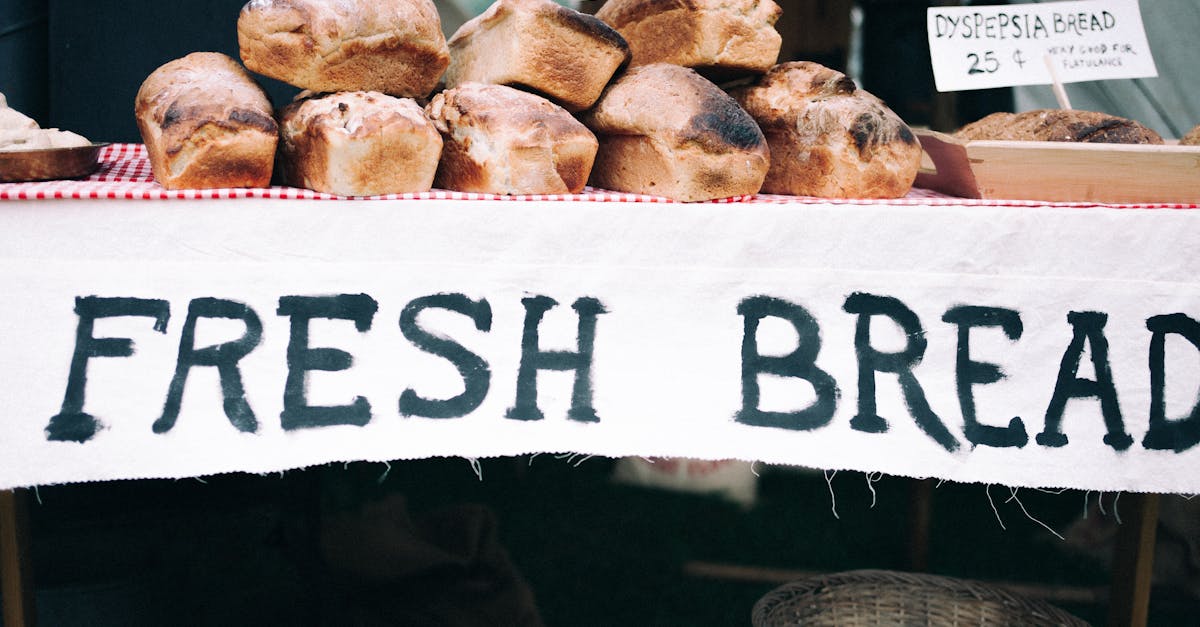
Bessara is primarily a morning meal, prepared in the early hours of dawn and served continuously until late morning. In street markets (souks) and neighborhood eateries, large steamy kettles anchor small stalls, sending thick plumes into the chilly air. Laborers, market vendors, students, and commuters sit shoulder-to-shoulder at narrow tables, enjoying hot bowls accompanied by round loaves of flatbread (khobz).
Dining on bessara is a tactile, interactive affair. Utensils are rarely used; diners tear off pieces of crusty wheat or barley bread, pinch them into small scoops, and dip straight into the center of the bowl, lifting up the soup alongside pools of spiced olive oil. It is common to pair the meal with fresh sweet mint tea or a side of cured green olives, raw onion, and small salted fish in coastal towns.
Cultural Traditions and Table Etiquette in the Northern Highlands
To eat bessara in Northern Morocco is to engage in an age-old communal social ritual. Keeping standard local customs in mind enhances the dining experience:
- Communal Eating: When sharing a single large clay dish among a group, always eat from the portion directly in front of you using your right hand.
- Reverence for Bread: In Moroccan food culture, bread is regarded as a fundamental blessing (na'ma). Handle it respectfully, avoid leaving wasted crusts behind, and never lay a loaf upside down on the table.
- Appreciating the Vendor: Street cooks (bessari) take profound pride in their master cauldrons. Offering a warm greeting such as "Lla ytik sahha" ("May God grant you health") is always appreciated.
- Dietary Suitability: Bessara is naturally vegan, gluten-free (when eaten without wheat bread or substituted with gluten-free grains), rich in protein, and free from artificial additives, making it an ideal meal choice for travelers with diverse dietary requirements.

Key Destinations to Experience Authentic Bessara
Chefchaouen Medina
Beyond its famous blue-painted lanes, Chefchaouen harbors a deeply rooted culinary scene. Skip tourist-centric outdoor cafes on Place Outa el Hammam for breakfast and navigate toward neighborhood stalls near Bab el-Sor or the lower medina market. Between 6:30 AM and 9:30 AM, local spots serve piping hot bowls made from local broad beans alongside warm barley flatbread.
Tetouan Medina
In the UNESCO World Heritage-listed Medina of Tetouan, food culture reflects a blend of Hispano-Moorish and mountain Jebala traditions. Inside the busy thoroughfares near Souk El Hout, long-running food counters cater to local artisans. Tetouani bessara is celebrated for its exceptionally smooth texture and heavy drizzling of premium olive oil sourced from surrounding orchards.
Rural Weekly Souks
Traveling through rural northern provinces like Chefchaouen, Ouezzane, or Al Hoceima on market days offers access to temporary outdoor kitchens. At these weekly gatherings, cooks prepare bessara over open fires in massive metal pots, feeding farmers who travel from remote villages.

Practical Travel Tips for Food Lovers in Northern Morocco
Best Time for Bessara
Autumn through early spring (October to April) is the quintessential season for enjoying hot soups in Northern Morocco. Temperatures in the high mountain elevations drop considerably, making a steaming bowl of bean purée especially satisfying. This period also coincides with the local olive harvest (November through January), ensuring the olive oil garnish is vibrant, fruity, and peppery.
Transportation & Getting Around
Major hubs like Tangier, Tetouan, and Chefchaouen are well connected by CTM buses and shared long-distance grand taxis. Exploring rural market towns requires private vehicle rentals or local grand taxi connections. Mountain roads feature steep inclines and sharp bends; drive cautiously and budget extra time for transit during rainy or foggy winter conditions.
Payment & Currency Considerations
Cash is mandatory at local soup counters, market stalls, and neighborhood eateries. Credit cards are not accepted in traditional breakfast establishments. Keep small dirham coins and low-denomination banknotes (5, 10, and 20 MAD notes) handy, as small stalls rarely have change for 100 or 200 MAD bills early in the morning.
Health & Food Safety
Select busy stalls with high customer turnover where kettles stay boiling hot throughout the morning. Because cold-pressed olive oil is added raw right before eating, ensure the vendor keeps condiment bottles covered and clean. If you are sensitive to heavy legumes, request a generous dusting of ground cumin, which traditionally balances the meal and aids digestion.
Summary of the Northern Moroccan Food Experience
| Aspect | Details |
|---|---|
| Core Dish | Bessara (Fava Bean or Split Pea Purée/Soup) |
| Peak Season | October to April (Coincides with cool weather & fresh olive oil harvest) |
| Typical Cost | 5 MAD – 15 MAD (~$0.50 – $1.50 USD) per bowl |
| Dining Context | Breakfast / Early Morning; local street stalls, market markets, medina eateries |
| Traditional Meal Companion | Freshly baked wheat/barley flatbread, olive oil, cumin, mint tea |
