
Bessara for Breakfast in Morocco: How Locals Start Cold Winter Mornings
As early morning mist settles over the blue alleyways of Chefchaouen, the cold mountain air carrying down from the Rif range hits with sharp intensity. Long before the craft shops open their doors or tour groups gather in the central plazas, the narrow stone corridors ring with the steady clatter of ceramic bowls and heavy brass ladles. Inside tiny, narrow shops barely wider than a doorway, cauldrons of thick yellow soup simmer quietly over steady gas fires. Workers in heavy woolen djellabas, taxi drivers ending night shifts, and local shopkeepers crowd around wooden counters, waiting for a bowl that has fueled Moroccan mornings for generations: Bessara.
While international travelers often associate Moroccan cuisine with fragrant tagines, tender couscous, or rich tomato-based stews like Harira, local winter mornings belong almost exclusively to Bessara. This unpretentious, silky puree of dried fava beans or green split peas is far more than a simple breakfast choice; it is a vital cold-weather coping mechanism, an affordable nutritional powerhouse, and an enduring ritual of communal hospitality across North Africa.
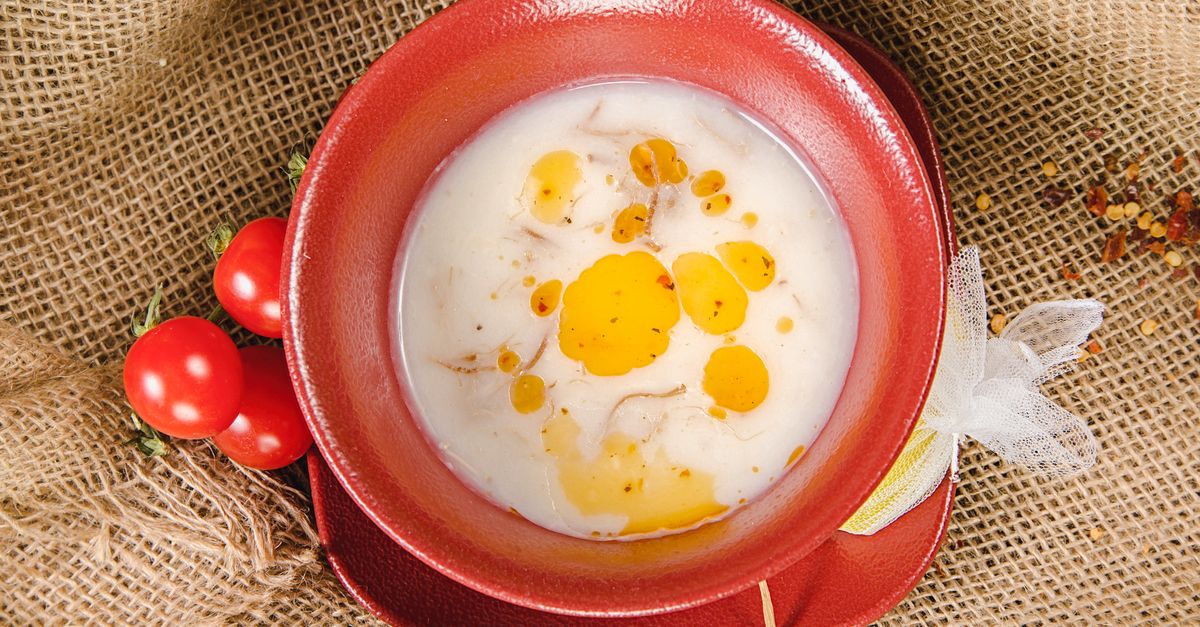
What is Bessara? Ingredients, Flavor, and Texture
At its core, Bessara (also spelled Bissara) is a masterclass in culinary simplicity, transforming humble staple crops into a rich, comforting meal through slow cooking and thoughtful seasoning.
The Core Ingredients
The standard foundation of authentic Moroccan Bessara consists of just a few fundamental elements:
- Legumes: Dried, peeled fava beans (known locally as foul) serve as the traditional baseline throughout northern and central Morocco. In eastern regions and parts of the Middle Atlas, dried green split peas (jebana) are frequently used instead, yielding a sweeter flavor and a vibrant pale-green color. Many traditional cooks prefer a half-and-half mix of both.
- Garlic: Whole peeled garlic cloves are simmered directly alongside the legumes, melting into the broth to create a savory, aromatic background without sharp pungency.
- Water and Salt: Simple spring water and sea salt build the cooking liquid, allowing the natural nuttiness of the legumes to take center stage.
- Finishing Oils and Spices: Bessara is never served unadorned. Every bowl is finished at the counter with a generous pour of extra virgin olive oil, a heavy dusting of ground cumin, and an optional sprinkle of cayenne pepper or dried chili flakes (sudaniya).
Flavor Profile and Texture
When properly prepared, Bessara boasts a silky, velvety texture similar to a thick pea soup or a hot, liquid hummus. It is hearty enough to coat the back of a spoon, yet fluid enough to be easily scooped up with fresh, warm flatbread. The flavor is earthy, comforting, and deeply savory, balancing the natural sweetness of soft-cooked beans with the sharp punch of raw garlic, the warming bitterness of cumin, and the peppery fruity bite of cold-pressed local olive oil.

Cultural Context: Why Moroccans Eat Bessara for Breakfast in Winter
Understanding Bessara requires looking past the plate and examining the rhythm of daily life in Morocco’s historic medinas and rural agrarian towns.
Seasonal Comfort in Cold Climate Regions
Moroccan winters, particularly in northern coastal areas like Tangier, mountain enclaves like Chefchaouen and Tetouan, and interior valleys like Fes and Meknes, bring damp, biting cold. Traditional homes and medina buildings are designed with thick stone or earth walls intended to retain cool air during scorching summer months, meaning interior spaces offer little warmth in winter. A boiling bowl of garlic-infused bean puree consumed at daybreak provides slow-burning complex carbohydrates, healthy plant proteins, and immediate thermal relief before the workday begins.
An Affordable Everyday Staple
Historically rooted in rural farming culture, Bessara remains one of the most accessible and democratic foods in Morocco. A generous bowl complete with olive oil, spices, and a fresh round of local bread typically costs between 5 and 15 Moroccan Dirhams (MAD), making it an affordable, highly nutritious meal for manual laborers, students, and budget travelers alike. In local street stalls, rich and poor sit side-by-side on low wooden benches, sharing counter space in total equality.
Bessara vs. Harira: Understanding Morocco's Two Iconic Soups
Visitors to Morocco frequently confuse Bessara with Harira, yet the two soups serve entirely distinct social roles, flavor profiles, and culinary occasions.
Harira: The Festive Evening Classic
Harira is a complex, multi-layered soup built from a rich tomato base, soaked chickpeas, brown lentils, fine vermicelli noodles, fresh cilantro, parsley, celery, warm sweet spices (ginger, turmeric, cinnamon), and tender cuts of beef or lamb. Thickened with a flour-and-water slurry (tadweera) and enriched with aged clarified butter (smen), Harira is quintessentially associated with dusk and evening dining. It is world-famous as the dish used across Morocco to break the daily fast during the holy month of Ramadan, usually accompanied by sweet dates and honey-soaked chebakia pastries.
Bessara: The Morning Fuel
In contrast, Bessara is an exercise in minimalist plant-based cooking. It contains no tomatoes, no whole legumes, no meat broth, and no complex spice paste. It is predominantly a morning meal available from dawn until early afternoon, designed for efficient fuel rather than festive evening indulgence.

How to Order and Eat Bessara Like a Local
Navigating a neighborhood breakfast stall in a Moroccan medina is straightforward once you know the basic dining rhythm.
1. The Utensil Is Bread
While vendors will happily provide a spoon upon request, traditional etiquette relies on warm Moroccan round bread (khobz). Tear off a bite-sized piece of crusty bread with your right hand, pinch it between your thumb and fingers to form a small scoop, and use it to dip directly into the thick soup, grabbing a pocket of hot olive oil and cumin with every bite.
2. Customize Your Bowl at the Counter
Every traditional soup counter features metal tins or ceramic pots filled with ground cumin, dried red chili powder, and extra olive oil. Do not hesitate to sprinkle additional cumin or spicy pepper across your bowl to match your personal preference.
3. Standard Breakfast Pairings
A classic Bessara breakfast is almost always accompanied by a glass of hot, freshly brewed Moroccan mint tea (Atay) heavy with wild mint or winter herbs like wormwood (sheeba). In coastal northern towns, some morning diners also pair their bowl with black olives or a side of fresh goat cheese.

Where to Experience Authentic Bessara in Morocco
While small morning soup counters operate in virtually every city across the kingdom, certain regions and medinas are legendary for their Bessara quality.
1. Chefchaouen and the Northern Rif Mountains
The blue town of Chefchaouen is widely considered the spiritual home of northern-style Bessara. Made predominantly from dried fava beans and doused in vibrant green olive oil harvested from nearby mountain groves, the soup here is exceptionally silky and aromatic. Look for small nameless shops situated along the streets leading toward Plaza Uta el-Hammam between 7:00 AM and 11:00 AM.
2. Tangier’s Medina and Harbor Quarter
In Tangier, the morning harbor breeze makes a steaming bowl of split-pea or fava Bessara essential. Tiny stalls clustered around the Grand Socco and the narrow residential lanes of the Kasbah serve harbor workers and locals starting their morning routine. The style here often leans slightly thicker, heavy on garlic and raw olive oil.
3. Fes el-Bali
The ancient, maze-like medina of Fes offers outstanding traditional soup stalls, particularly near major gates like Bab Bou Jeloud and along the main artery of Talaa Kebira. Fassi vendors often offer a choice between pure yellow fava bean Bessara and bright green split-pea variations, served out of massive polished cauldrons.

Practical Advice for Food Travelers
To enjoy authentic local food safely and comfortably on your trip, keep these practical considerations in mind:
- Operating Hours: Bessara is strictly an early-day dish. Stalls typically open around 6:00 AM or 7:00 AM and often sell out completely by midday. Do not expect to find fresh Bessara at local medina stalls late in the afternoon or evening.
- Identifying Quality Stalls: Look for humble shops packed with local residents, with a high turnover of steaming cauldrons. High turnover ensures the soup is served piping hot, fresh, and thoroughly cooked.
- Dietary Information: Bessara is naturally vegan, dairy-free, and gluten-free on its own. However, because it is eaten almost exclusively with wheat bread, travelers with gluten sensitivities should bring their own suitable alternative bread or eat the soup directly with a spoon.
- Payment: Neighborhood breakfast counters operate exclusively in small cash denominations. Keep 5, 10, and 20 MAD coins or small banknotes ready, as stall holders may not have change for larger 100 or 200 MAD bills early in the morning.
Conclusion: Embracing Morocco's Winter Morning Tradition
Stepping up to a crowded street counter on a chilly mountain morning, holding a warm earthenware bowl of aromatic Bessara, offers an intimate look at authentic Moroccan daily life. Free from pretension and anchored in centuries of regional agricultural history, this simple bean puree remains one of North Africa's finest culinary treasures—proving that the most memorable travel meals are often found in the humblest bowls.
