
Bessara for Breakfast in Morocco: How Locals Start Cold Winter Mornings
On crisp mornings in the medinas of Tangier, Fes, and Chefchaouen, a distinct, comforting aroma drifts through narrow alleyways long before the rest of the city fully awakens. It is the earthy scent of simmering fava beans, crushed garlic, and toasted cumin—the unmistakable perfume of Bessara (also spelled Bissara or Bisar). This silky, puréed soup is one of Morocco’s most beloved culinary institutions: humble, deeply satisfying, and rich in history.
Yet to view Bessara merely as a simple bean soup is to miss its deep culinary soul. While the legumes provide body and warmth, the true centerpiece of the experience is the generous pour of unrefined Moroccan extra virgin olive oil added right before serving. In Moroccan gastronomy, olive oil is not an afterthought or a cooking medium; it is a primary flavor element. Understanding the relationship between Bessara and its liquid-gold topping opens a window into the agricultural heart and vibrant food heritage of Morocco.

What is Bessara? Morocco’s Ultimate Comfort Food
Bessara is a classic North African purée made primarily from dried split fava beans (ful) or dried split green peas (jilban), simmered slowly with abundant garlic, sea salt, water, and occasionally a hint of cumin. Once the legumes soften into a velvety consistency, they are blended or hand-mashed until completely smooth.
Historically rooted in rural agrarian life, Bessara was developed by farmers and laborers who needed an affordable, protein-dense meal to sustain long hours of physical work. Over centuries, it evolved into an undisputed national staple enjoyed across all social strata. While available year-round, Bessara reigns supreme during winter and late autumn when temperatures drop and cold mountain winds sweep across the Rif and Middle Atlas regions.
The Liquid Gold: Why Moroccan Olive Oil Defines the Dish
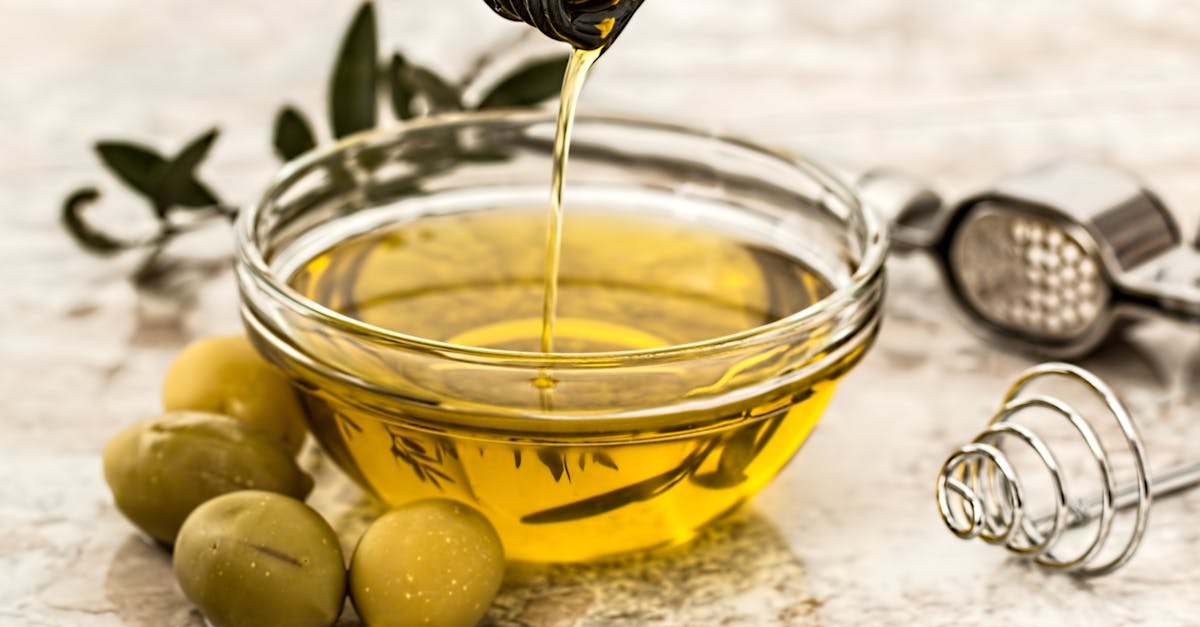
If the bean base of Bessara forms the canvas, Moroccan olive oil is the masterstroke that brings the dish to life. Pouring olive oil over Bessara is not merely decorative—it completely transforms the texture, mouthfeel, and taste profile of the soup.
The Terroir of Moroccan Olive Oil
Morocco is one of the world's ancient producers of olive oil, with groves stretching across the Haouz plain around Marrakech, the fertile Fes-Meknes region, and the northern slopes of the Rif mountains. The dominant indigenous cultivar, Picholine Marocaine, produces an oil known for its robust character: intensely fruity, peppered with a signature throat-catching pungency, and rich in polyphenols (antioxidants).
The Chemistry of Flavor Balance
When warm, freshly ladled Bessara meets raw, cold-pressed olive oil, a remarkable culinary reaction occurs:
- Texture Emulsification: As you swirl the oil into the hot bean purée with a piece of crusty bread, the oil creates a silky glaze that tempers the natural starchiness of the legumes.
- Aromatics Release: The heat of the soup warms the raw olive oil, releasing volatile aromatic compounds—notes of green tomato, fresh-cut grass, and roasted artichoke.
- Flavor Balancing: The naturally peppery finish of fresh Moroccan olive oil cuts through the heavy earthiness of fava beans and sweet garlic, providing bright acidity and contrast.
Without high-quality olive oil, Bessara can feel dense and dry. With a generous pool of vibrant green oil, it becomes a luxurious, multi-layered delicacy.
Anatomy of the Perfect Bowl: Spices, Garlic, and Garnishes
An authentic serving of Bessara relies on an unpretentious yet deliberate combination of ingredients and garnishes. Each element plays a distinct role in balancing the dish.

1. The Legumes
Northern Moroccan variations (particularly around Tangier and Tetouan) heavily favor dried split fava beans, which produce a pale golden, nutty purée. Central and inland regions often blend fava beans with split green peas, or use split peas exclusively, yielding a slightly sweeter soup with a soft olive-green hue.
2. The Garlic Base
Garlic is cooked directly with the beans rather than fried beforehand. Whole, peeled cloves soften alongside the legumes, imparting a deep, sweet, allium foundation without harshness.
3. The Finishing Spices
Just before serving, two vital spices are sprinkled across the olive oil pool:
- Cumin (Kamoun): Freshly ground cumin adds warm, earthy aromatic notes and aids in digesting legumes.
- Paprika or Cayenne (Felfla Hlouwa or Harra): Sweet paprika adds color, while red chili powder brings subtle heat that cuts through the rich oil.
Cultural Context and Etiquette: How and When to Eat Bessara
To truly appreciate Bessara, travelers should understand its social role in Moroccan daily life.

When and Where It Is Consumed
Bessara is traditionally a morning dish, eaten for breakfast or early lunch. Small, specialized hole-in-the-wall eateries known locally as moul bessara open at dawn, bubbling with massive cauldrons. By early afternoon, most vendors have sold out completely. It is rare to eat Bessara for dinner in traditional settings.
Dining Etiquette
Bessara is rarely eaten with a spoon in authentic local eateries, though utensils are available upon request. The proper traditional way to enjoy it is with warm, crusty Moroccan round bread (khobz):
- Tear a small, bite-sized piece of bread using your right hand.
- Pinch the bread between thumb and fingers to form a small scoop to gather the soup, ensuring you catch a mix of warm purée, raw olive oil, and spices.
- Bessara is frequently served communal-style in shallow earthenware bowls or clay dishes, shared among friends or family.
Where to Experience Authentic Bessara in Morocco
While available across the kingdom, certain cities and regions are famous for their distinct Bessara traditions.

1. Tangier and the North (Rif Region)
The northern coast is widely considered the spiritual home of fava bean Bessara. In Tangier's Grand Socco or inside the Petit Socco medina alleys, small soup shops serve steaming bowls topped with intensely peppery olive oil pressed in nearby Rif olive groves.
- Why Visit: Taste the classic fava bean preparation in its traditional geographic heartland.
- Best Time: Early morning between 7:00 AM and 10:30 AM.
- Duration: 20–30 minutes for a quick, energized breakfast.
- Getting There: Walkable from any central medina location in Tangier.
- Price Range: Highly affordable (typically 5 to 15 Moroccan Dirhams per bowl).
2. Meknes and the Fes Plain
The region surrounding Meknes and the ancient town of Moulay Idriss Zerhoun is the center of Moroccan olive oil production. Here, the olive oil added to Bessara is often hyper-local, fresh from neighborhood mechanical presses.
- Why Visit: Experience farm-fresh olive oils paired with green pea and fava bean blends.
- Practical Tip: Visit between November and January during the olive pressing season to sample oil pressed just days prior.
Practical Travel Advice for Food Lovers
Planning to explore Morocco's street food culture requires a few practical guidelines to ensure a safe and enjoyable journey.
Money and Payment
Street stalls and local soup eateries operate strictly on cash (Moroccan Dirham - MAD). Small denominations (10, 20, and 50 Dirham notes or coins) are appreciated, as vendors rarely have change for large 100 or 200 Dirham bills early in the morning.
Hygiene and Health
Bessara is one of the safest street food items in Morocco because it is boiled continuously at high temperatures and served steaming hot. Choose busy stalls with high turnover. Ensure the bread served alongside is fresh and covered.
Dietary Notes
Bessara is naturally vegan, gluten-free (if eaten without wheat bread), nutrient-dense, and highly satisfying. Travelers with gluten sensitivities can ask to enjoy it with a spoon.
Bringing the Experience Home
You don't need a trip to North Africa to recreate the magic of Bessara, but you do need the right topping. When cooking at home, split fava beans or green split peas can be gently simmered with garlic and water until soft, then puréed. However, the crucial step lies in the finish: source a high-quality, single-origin extra virgin olive oil—preferably from Morocco, Spain, or Greece—and pour it liberally over the warm soup right before serving, followed by a pinch of cumin and sweet paprika.
As Moroccans have known for generations, Bessara is proof that culinary greatness does not require expensive ingredients—only time, tradition, and a generous pour of liquid gold.
