
With thousands of kilometers of Atlantic and Mediterranean coastline, Morocco boasts one of Africa's richest maritime culinary traditions. While interior cities like Marrakech and Fes are celebrated for slow-cooked lamb, saffron-infused chicken, and sweet-and-savory pastillas, coastal communities from Tangier down to Dakhla live by the rhythm of the ocean tides. From bustling port grills smoke-filled with sizzled sardines to aromatic clay tagines simmering on coals, Moroccan seafood cooking is a masterclass in combining ocean-fresh ingredients with bold, aromatic seasoning.
At the center of almost every traditional Moroccan fish dish is a fundamental culinary element: fresh flavor balance. Moroccans rarely over-complicate seafood or smother it in heavy cream sauces. Instead, they elevate the natural taste of catch-of-the-day fish using citrus, earthy spices, vibrant herbs, and heat. Whether you are sampling street food at a coastal fishing port or dining in a family-run seaside restaurant, understanding how Moroccans prepare seafood offers a delicious window into the kingdom's heritage.

The Golden Rule: Chermoula Marinade
You cannot talk about Moroccan seafood without starting with chermoula (sometimes spelled charmoula). Chermoula is not merely a marinade; it is the cornerstone of Moroccan marine cuisine. Virtually every home cook, fishmonger, and street vendor relies on this fragrant blend to season fish before grilling, frying, or baking.
What is in Traditional Chermoula?
While regional variations exist across Morocco, classic green chermoula consists of a finely chopped or pounded mix of fresh cilantro (coriander) and flat-leaf parsley, garlic, ground cumin, sweet paprika, fresh lemon juice, coarse sea salt, and extra virgin olive oil. For extra depth, cooks frequently add a splash of white vinegar, a dash of ground coriander seed, or harissa (spicy red chili paste) for a subtle kick.
In northern cities along the Mediterranean, such as Tetouan and Tangier, cooks sometimes prepare a red chermoula that leans heavily into sweet roasted peppers, smoked paprika, and cayenne pepper, providing a warm, fiery color and robust depth to firm white fish.
How Chermoula is Used
Chermoula serves three main roles in Moroccan cooking:
- Marinade: Whole fish or fillets are scored along the skin and rubbed generously with chermoula, then left to absorb the citrus and herb oils for anywhere from 30 minutes to several hours before cooking.
- Basting Sauce: As fish grills over hot coals, extra chermoula thinned with olive oil is brushed over the skin to prevent drying and build up a smoky glaze.
- Sauce Base: When making fish tagines, chermoula forms the seasoning base for the tomato, pepper, and potato sauce that simmers around the fish.
The Core Seafood Cooking Methods in Morocco
Moroccan cooks utilize four distinct methods to prepare seafood, each suited to specific types of fish and dining settings.

1. Sardines Grilled Over Wood Charcoal
Morocco is one of the world's largest exporters of sardines, and locally, this modest fish is treated with absolute reverence. Charcoal grilling (grillade) is the most iconic way sardines are prepared across port towns like Essaouira, Safi, and Agadir.
Freshly caught sardines are dressed in sea salt, sometimes lightly stuffed with chermoula or sliced herbs, and placed whole into wire grill baskets. They are grilled directly over glowing charcoal embers. The heat renders the oily fish skin crispy and smoky while keeping the interior rich and tender. Served piping hot straight off the grill with a side of raw onion, cumin salt, and freshly baked crusty bread (khobz), this is the quintessential Moroccan coastal lunch.
2. Deep-Frying and the Popular Fry Basket (Fritura)
Frying is widely practiced in urban markets and local seafood stalls. Small to medium-sized fish such as anchovies, sole, whiting (merlan), squid, and small red mullet are common candidates for the frying pan.
Rather than using heavy batter or thick breadcrumbs, Moroccans dredge clean fish lightly in fine durum wheat semolina or flour seasoned with salt and cumin. The fish is shallow- or deep-fried in hot vegetable oil until golden and crisp. The result is a feather-light crust that preserves the moisture of the fish without feeling greasy. A typical local order is a fritura mixta—a platter heaped with fried whiting, calamari rings, and small sardines, garnished simply with fresh lemon wedges.
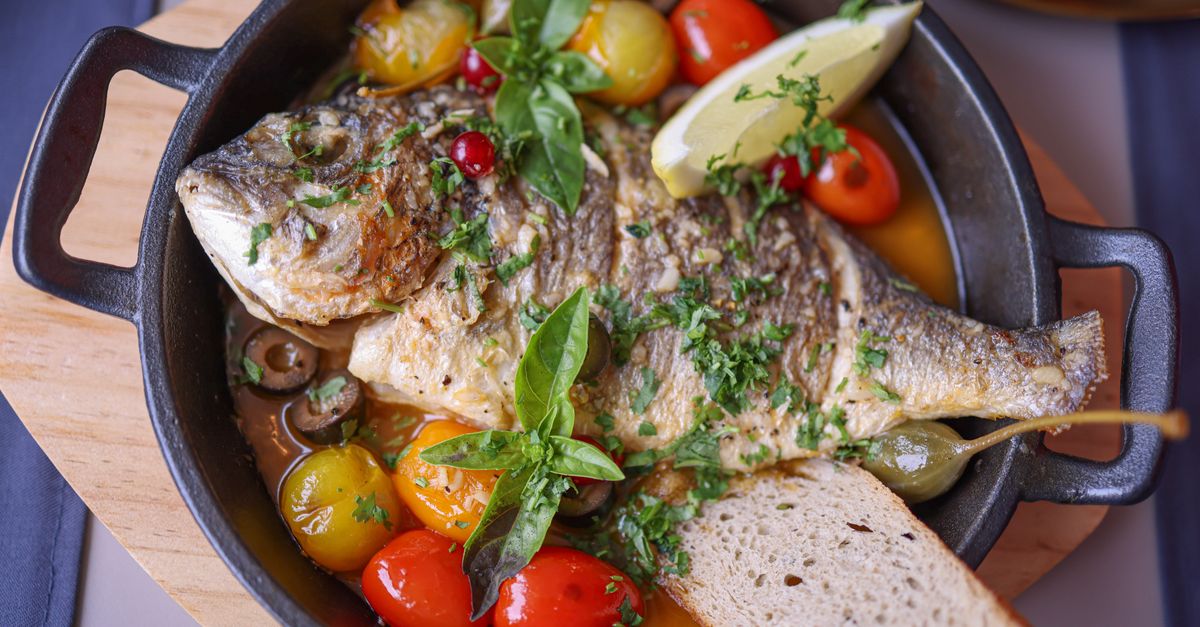
3. Moroccan Fish Tagine with Vegetables and Preserved Lemon
The tagine—both the conical earthenware vessel and the slow-cooked stew made within it—takes on a unique character when applied to seafood. Because fish cooks far faster than lamb or beef, a fish tagine requires careful layering.
First, hard vegetables like sliced potatoes and carrots are placed at the very bottom of the tagine to create a heat shield and prevent burning. Sliced tomatoes, bell peppers, garlic, and generous spoons of chermoula are layered next. Firm-fleshed fish—such as sea bass, sea bream, swordfish, or conger eel—is placed on top of the vegetables. The dish is sealed with sliced preserved lemons (l'hamd markad) and briny green or red olives.
As the vessel gently heats over charcoal or a low flame, the vegetables release their natural juices, fusing with the chermoula and preserved lemon to create a thick, savory, citrus-infused gravy. The fish steams gently on top, absorbing the fragrant steam without breaking apart.
4. Clay Oven Baking and Seafood Pastilla
For celebratory occasions and family gatherings, larger whole fish (such as wild sea bass or red snapper) are stuffed with a mixture of chermoula, rice or vermicelli noodles, black olives, and chopped lemon, then baked in communal neighborhood ovens (ferran) or home ovens.
Another festive seafood specialty is Seafood Pastilla (Bastilla di al-Hout). Unlike the sweet-and-savory chicken pastilla from Fes, the seafood version is strictly savory and spicy. Layers of paper-thin warqa pastry are filled with a mix of sautéed white fish, shrimp, squid, glass noodles, mushrooms, garlic, harissa, soy sauce, and lemon juice. Baked until shatteringly crisp and golden, it offers a distinct fusion of Moroccan spice and coastal ingredients.

Top Coastal Destinations for Seafood Lovers
If you want to experience authentic Moroccan seafood cooking firsthand, these key coastal locations offer exceptional culinary experiences:
Essaouira
Why Visit: The breezy Atlantic port of Essaouira is synonymous with fresh seafood. Watching the iconic blue wooden boats dock at the harbor as fishermen unload the morning catch is an essential travel experience.
Local Experience: Head to the open-air seafood stalls positioned near the port entrance. You select your raw fish, prawns, or lobster directly from ice displays, agree on the weight and price, and watch as it is seasoned with chermoula and grilled over open embers right in front of you.
Practical Details: Most port grills operate daily from around 11:00 AM until late afternoon. Expect to pay around 50 to 120 MAD per person depending on whether you choose humble sardines or higher-end species like sea bream or shrimp. Cash in Moroccan Dirham is strictly required.
Casablanca (La Squala & Market Quarter)
Why Visit: Morocco's economic hub features sophisticated Atlantic dining, combining traditional Moroccan tagines with Spanish and French culinary influences.
Where to Eat: Visit the Marché Central (Central Market) for lunch. Here, you can buy raw seafood directly from historic market fishmongers and take it to neighboring small fry shops inside the arcade, where they will fry or grill it for a small preparation fee.
Tangier and the Mediterranean Coast
Why Visit: Where the Atlantic meets the Mediterranean, Tangier offers a distinct seafood culture influenced by Andalusian techniques. Seafood paella, sizzling garlicky prawns, and fried squid are as common as traditional tagines.
Best Time: Visit during spring or autumn for comfortable weather and bustling harbor fish halls like the Grand Socco market district.

Cultural Context and Etiquette for Eating Seafood in Morocco
Understanding local food culture ensures an authentic and respectful dining experience:
- Eating with Bread: Moroccans rarely use forks for traditional fish tagines or fried fish platters. Instead, fresh crusty round bread (khobz) is used as an utensil. Pinch a small piece of bread between your thumb and first two fingers of your right hand to scoop up fish, vegetables, and sauce.
- The Right Hand Rule: As with all traditional dining in Morocco, always use your right hand when taking food from a shared dish or bowl.
- Sharing is Standard: Tagines and fried platters are typically served communally. Eat from the section of the dish directly in front of you rather than reaching across to another person's side.
- Freshness Indicator: Coastal Moroccans eat seafood based on daily catches, not fixed menus. If a fishmonger or grill operator tells you sardines or calamari aren't available today because the sea was rough, trust their judgment and pick whatever came off the boats that morning.
Practical Advice for Travelers
Safety and Hygiene at Fish Stalls
Eating at port stalls is a highlight of traveling in Morocco, but simple common sense applies. Pick busy stalls with high turn-over where local families are dining. Ensure your fish is grilled or fried thoroughly to order in front of you, rather than selecting precooked fish sitting under heat lamps. Avoid raw seafood shellfish unless you are in a high-end established restaurant.
Money and Tipping
Informal seafood stalls, port grills, and market eateries do not accept credit cards; carry sufficient cash in Moroccan Dirham (MAD). At informal stalls, a small tip of 5 to 10 MAD is appreciated. In sit-down casual restaurants, leaving a 10% cash tip for good service is standard practice.
Best Season for Seafood
While seafood is available year-round, summer (June through September) is peak season for sardine fishing along the Atlantic coast, when the fish are at their fattest and most flavorful. Spring and autumn provide ideal travel weather for exploring coastal port towns without extreme heat or summer holiday crowds.
Summary: Essential Moroccan Seafood Dishes to Try
| Dish Name | Key Ingredients | Cooking Method | Where to Find It |
|---|---|---|---|
| Grilled Sardines | Whole sardines, sea salt, cumin, optional chermoula | Charcoal grill | Port stalls in Essaouira, Safi, Agadir |
| Fish Tagine | Firm white fish, potatoes, tomatoes, preserved lemon, olives, chermoula | Slow steam in earthenware tagine | Traditional restaurants, seaside cafes, local homes |
| Fritura Mixta | Whiting, calamari, sole, semolina flour coat | Deep frying | Market stalls, Casablanca Central Market |
| Seafood Pastilla | Warqa pastry, white fish, shrimp, squid, vermicelli, harissa, spices | Baked in oven | Celebratory banquets, specialized bakeries, formal dining |
