
Perched on the northwestern tip of Africa where the Atlantic Ocean collides with the Mediterranean Sea, Tangier possesses a distinct culinary identity shaped by tides, trade routes, and centuries of multicultural encounters. The city’s geography dictates its table: cold Atlantic currents supply meaty pelagic fish like sardine and mackerel, while the warm Mediterranean yields sweet red mullet, octopus, calamari, and red prawns. For food lovers, navigating Tangier’s seafood landscape offers an intimate look into the daily rhythm of this legendary port city.
From the early morning cacophony of the central fish markets to smoke-filled seaside stalls charcoal-grilling fresh sardines, eating seafood in Tangier is as much a social ritual as a culinary journey. Whether you are cracking sea salt crusts at a portside cantina or tasting a complex fish tagine steeped in spicy chermoula, understanding where to go, what to order, and how locals dine will turn a simple meal into an unforgettable highlight of northern Morocco.

The Culinary Crossroads: Atlantic Meets Mediterranean
Tangier’s unique position on the Strait of Gibraltar influences both its marine biodiversity and its cooking techniques. Unlike inland Moroccan cities such as Marrakech or Fes, where preserved meats and sweet-and-savory fruit pairings dominate, Tangier relies heavily on garlic, fresh coriander, cumin, lemon juice, olive oil, and paprika to elevate fresh seafood without overpowering its natural flavor.
Spanish influences run deep here due to proximity and historical ties. Tapas-style fried fish platters (pescaíto frito), seafood paellas, and garlic-infused prawns share table space alongside classic North African clay-pot tagines and harira soups enriched with shellfish. Understanding this blending of traditions is key to navigating the menus across the Medina, the Kasbah, and the modern Ville Nouvelle.
Where to Experience Tangier's Seafood Culture
1. Tangier Central Fish Market (Marché Central)
Located near the edge of the Ville Nouvelle and a short walk from the Grand Socco, the Marché Central is the beating heart of the city’s daily food supply. Entering the seafood hall presents an incredible sensory experience: ice-filled marble counters heaped with silvery sardines, sea bass, red snapper, skate, sea bream, octopus, and massive swordfish trunks.
- Why Visit: To experience authentic local market culture and observe the sheer variety of marine life caught daily in the Strait. It is also an ideal spot to buy raw fish directly from fishermen and take it to neighboring grill shops to be cooked on the spot.
- Best Time: Between 8:30 AM and 11:30 AM when the morning haul arrives and energy is highest.
- Visit Duration: 45 minutes to 1.5 hours (longer if staying to eat at nearby fry shops).
- How to Get There: Easily accessible on foot from the Grand Socco or via a quick 'Petit Taxi' ride from any central location.
- Price Level: Market prices vary daily by weight and season; raw sardines are extremely affordable, while wild sea bass and prawns command higher rates.
- Family Suitability: Excellent, though floors can be slick and wet; keep children close in crowded aisles.
- Practical Caution: Wear sturdy, slip-resistant shoes. Cash in Moroccan Dirham (MAD) is required.

2. Port of Tangier & Port Fishing Basin (Tangier Ville)
The revitalized Tangier Ville Port area blends modern marina promenades with working fishing docks. In the working port zone, colorful wooden trawlers unload their catches early in the morning and late in the afternoon, surrounded by shouting fishmongers and soaring seagulls.
- Why Visit: The port offers direct access to basic, unpretentious seafood eateries where the distance from boat to grill is measured in meters.
- Best Time: Late morning to observe the boats, or around 1:00 PM for lunch at nearby portside eateries.
- Visit Duration: 1 to 2 hours.
- How to Get There: Walkable from the lower edge of the Medina or a 5-minute taxi from downtown.
- Price Level: Very reasonable for casual dining; high-end marina dining options nearby charge premium prices.
- Family Suitability: Great for strolling along the marina wall after lunch.
- Practical Caution: Be mindful of active port machinery and heavy vehicle traffic near working dock gates.
3. The Seaside Sardine Stalls of Playa & Malabata
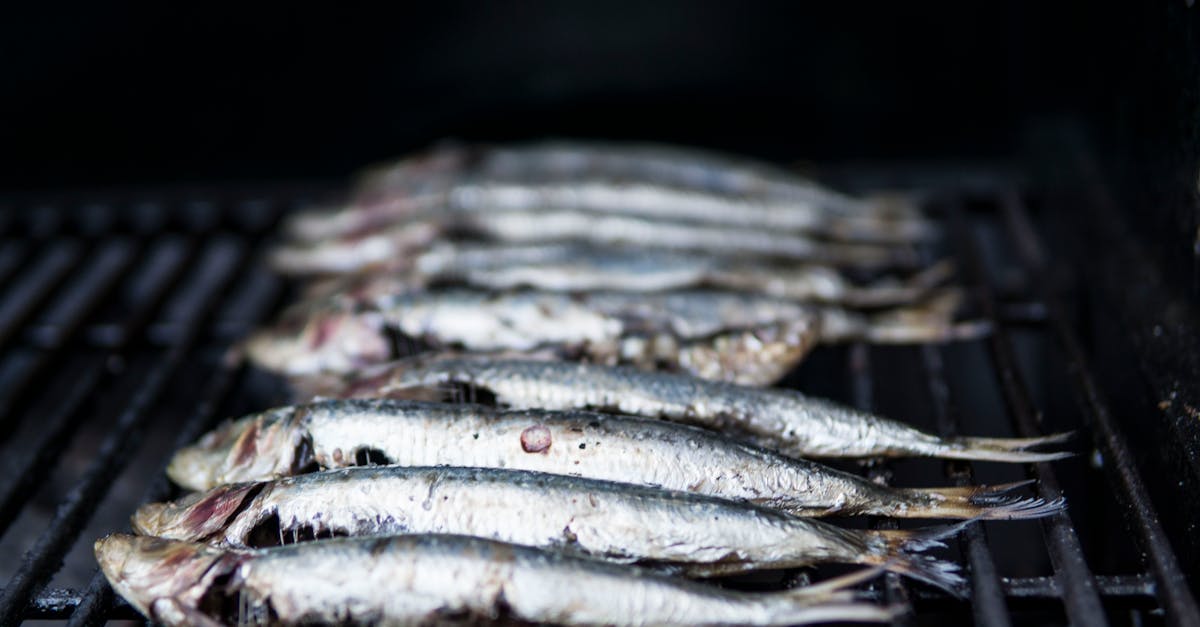
Along the beach promenade (Avenue Mohammed VI) stretching toward Malabata, casual open-air grills and pop-up seafood stalls operate, particularly during warmer months. Charcoal braziers spew fragrant smoke laden with sea salt, cumin, and roasting fish skins.
- Why Visit: Eating simple grilled sardines on paper plates with a squeeze of fresh lemon and a side of crusty round bread while watching the waves is the definitive Tangier street food experience.
- Best Time: Late afternoon (4:00 PM to 7:00 PM) for an early dinner or sunset snack.
- Visit Duration: 45 minutes.
- Price Level: Budget-friendly; a generous plate of grilled sardines costs very little.
- Family Suitability: Very casual and open-air, perfect for families with energetic kids.
- What to Avoid: Avoid stalls where fish is left sitting under the sun without adequate ice coverage.
Essential Tangier Seafood Dishes to Try
When dining in Tangier, look out for these iconic local dishes across markets, neighborhood joints, and traditional Moroccan restaurants:
1. Chawa d'Sardines (Charcoal-Grilled Sardines)
- Ingredients: Fresh sardines whole or butterflied, coarse sea salt, cumin, optional light coating of chermoula marinade.
- Cultural Context: Sardines are the backbone of Tangier's coastal diet. Highly nutritious and abundant, they are eaten several times a week by locals across all social strata.
- When to Eat: Lunch or late afternoon snack.
- Where to Find: Street grills near the port, market-side stalls, and beachside eateries.
2. Fish Tagine with Chermoula (Tagine d'Poisson)
- Ingredients: Firm white fish (sea bass, red snapper, or conger eel), tomatoes, bell peppers, potatoes, lemon slices, olives, and a heavy dose of chermoula (cilantro, parsley, garlic, cumin, paprika, chili, lemon juice, and olive oil).
- Cultural Context: Slow-cooked in a heavy clay tagine, allowing the spices and vegetable juices to deeply infuse the fish meat without drying it out.
- When to Eat: Primary lunch dish.
- Where to Find: Traditional Moroccan restaurants in the Medina and family-run neighborhood sit-down eateries.

3. Fritura de Pescado (Mixed Fried Fish Platter)
- Ingredients: A variety of small ocean fish including whiting, baby squid, small red mullet, anchovies, and shrimp lightly dredged in semolina or flour and flash-fried in crisp vegetable oil.
- Cultural Context: Directly inherited from Spanish coastal tradition, served with fresh lemon wedges, spicy harissa, and crusty bread.
- When to Eat: Lunch or dinner.
- Where to Find: Specialized fried fish shops (friteries) inside the central market and around the port area.
4. Pastilla au Poisson (Seafood Pastilla)
- Ingredients: Thin, flaky warqa pastry stuffed with white fish, vermicelli noodles, shrimp, calamari, mushrooms, coriander, harissa, soy sauce, and lemon juice. Unlike sweet poultry pastillas, this version is purely savory and spicy.
- Cultural Context: Reserved for special gatherings, celebrations, or elaborate family weekend lunches in northern Morocco.
- Where to Find: High-end Moroccan restaurants, specialty bakeries in the Medina, or by special order.
Cultural Context & Dining Etiquette
Understanding local food customs enhances your culinary interactions in Tangier:
- Hand Etiquette: When eating communal dishes like tagine or sardine platters with bread, locals use their right hand, pinching food using bread as an eating utensil.
- Freshness Standard: Moroccans are extremely particular about fish freshness. If a fishmonger or cook says the fish was caught that morning, it is expected to have clear eyes, firm flesh, and a clean sea smell.
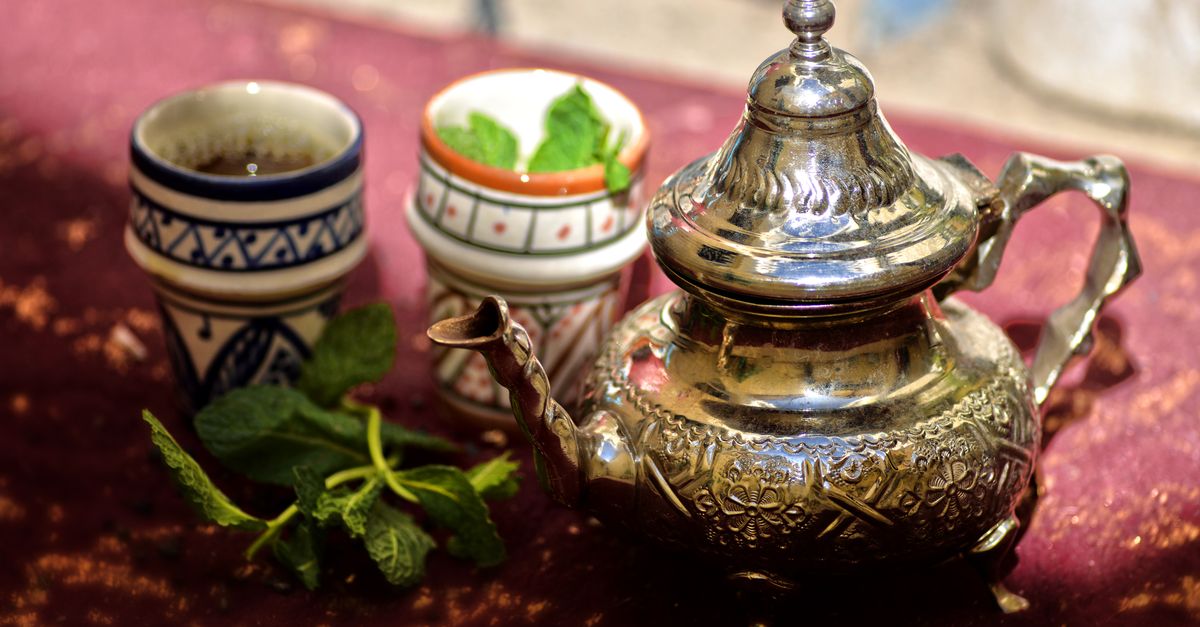
- Tea Pairing: Hot Moroccan mint tea (sweetened green tea with fresh mint) is commonly served after a heavy seafood meal to aid digestion. Cold tap water is generally avoided during meals; opt for bottled mineral water (still or sparkling).
- Tipping: A tip of 5% to 10% is customary and appreciated in casual and mid-range restaurants, while small change is left at informal market stalls.
Practical Trip Planning for Seafood Lovers
Best Season for Seafood in Tangier
While seafood is harvested year-round, spring (April to June) and autumn (September to November) offer optimal weather, moderate sea conditions, and excellent catches. Sardines are particularly plump and flavorful during the warmer summer months, though city tourist crowds peak in July and August.
Getting There & Transport
- By Train: Tangier Ville Station connects to Casablanca, Rabat, and Kenitra via the Al Boraq high-speed train, making access swift and smooth.
- Getting Around Town: 'Petit Taxis' (light blue with a yellow stripe) are plentiful, inexpensive, and operate on meters within city limits. They are ideal for moving between the Medina, the Central Market, and the Port.
Payment Realities
Cash (Moroccan Dirham - MAD) remains essential for fish markets, casual street stalls, and small neighborhood grills. Credit cards are accepted primarily in mid-to-high-end restaurants and hotel dining rooms. Always carry small bills (20, 50 MAD) for market purchases.
Health & Food Safety Tips
- Choose high-turnover stalls where you can see fish being cooked to order over high flame or hot oil.
- Avoid raw or undercooked shellfish unless dining at established, high-grade seafood establishments with verified cold-chain practices.
- Washing hands before and after meals at designated wash basins is standard practice across traditional Moroccan eateries.
