
Perched high in the Middle Atlas mountains at an elevation of 1,665 meters (5,462 feet), Ifrane presents an immediate and surprising contrast to the rest of Morocco. Known widely as the "Little Switzerland of Morocco," this peaceful mountain town exchanges the dense clay medinas, labyrinthine alleyways, and bustling souks found in nearby Fez or Meknes for wide tree-lined avenues, manicured public gardens, steep pitched red-tile roofs, and European-style stone chalets. Built by French architects during the protectorate era in the 1930s as a cool refuge from the summer heat of the inland plains, Ifrane remains one of the cleanest, safest, and most distinct destinations in North Africa.
Whether you are seeking crisp alpine air, exploring the ancient Atlas cedar forests inhabited by wild Barbary macaques, planning a winter snow day, or using the town as a serene sanctuary on a road trip between Fez and the Sahara Desert, Ifrane delivers an entirely different perspective on Moroccan life. This guide outlines everything you need to know to plan a smooth trip, from seasonality and wildlife ethics to regional food and essential day trips across the Middle Atlas.

What Makes Ifrane Unique: Morocco's Little Switzerland
The urban landscape of Ifrane is defined by garden city principles. Unlike traditional Moroccan cities built around enclosed medinas and interior courtyard riads, Ifrane features open lawns, broad boulevards, and detached gabled houses. The town center is exceptionally pedestrian-friendly, organized around tranquil public parks, clean plazas, and pine-shaded sidewalks that encourage relaxed strolling.
At the center of town stands the famous Stone Lion of Ifrane (Lion d'Ifrane), a stone sculpture carved into a massive granite boulder in the 1930s. Legend holds it was sculpted by an Italian prisoner of war to honor the last wild Atlas lion that once roamed these mountains. Today, it serves as the most popular landmark for photos and a convenient meeting point for travelers exploring the central plaza.
Ifrane is also a prestigious educational and administrative center. It hosts Al Akhawayn University, an American-style liberal arts university founded in 1993 by King Hassan II of Morocco and King Fahd of Saudi Arabia. The manicured, high-altitude campus contributes to the town's quiet, secure, and youthful atmosphere, while strict local municipal codes ensure architectural consistency and remarkable cleanliness throughout the municipality.
Exploring the Ancient Cedar Forests of Cèdre Gouraud
The primary natural draw surrounding Ifrane is the vast Ifrane National Park, home to the largest remaining concentration of Atlas Cedar trees (Cedrus atlantica) in North Africa. This biosphere is a critical sanctuary for biodiversity, hosting diverse bird species, ancient flora, and native wildlife.
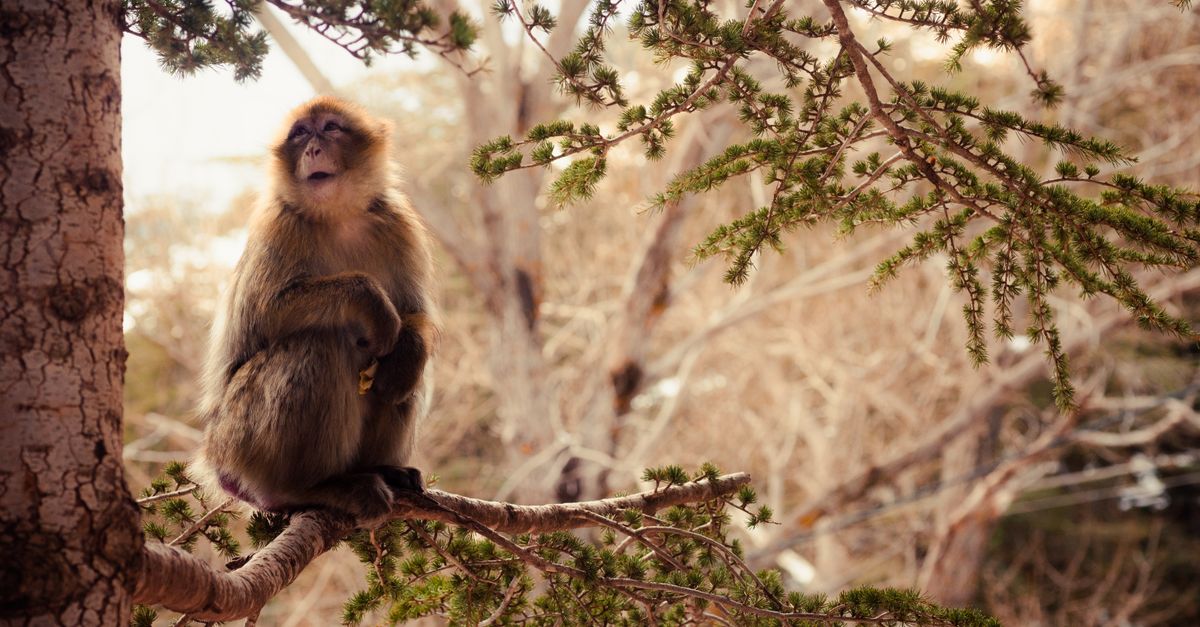
Visiting Cèdre Gouraud and Seeing Barbary Macaques
- Why visit: Located approximately 20 kilometers southwest of Ifrane near the town of Azrou, the Cèdre Gouraud forest is famous for its towering cedar canopy and native population of Barbary macaques—the only wild monkey species native to Europe and North Africa. The area historically featured a legendary 800-year-old cedar tree named after French General Henri Gouraud. While the ancient tree itself died in the early 2000s, its massive trunk remains a historic landmark, surrounded by magnificent living cedars.
- Best time to visit: Mid-morning or late afternoon, when light filters through the pine canopy and macaques are active along forest paths.
- Realistic visit duration: 1.5 to 3 hours for light walking and wildlife viewing.
- Access and location: Accessible via taxi or rental car down the N13 route toward Azrou, turning off onto paved forest access tracks. Parking area is available near the trail entrances.
- Cautions and wildlife ethics: While the wild Barbary macaques are accustomed to human presence, visitors should maintain a respectful distance. Do not attempt to hold, pet, or corner the animals, and avoid feeding them processed junk food or plastic wrapped items, as human feeding disrupts their natural foraging habits and diet. Keep personal belongings, snacks, and shiny objects secured inside bags.
- Family suitability: Highly suitable for families; broad forest paths allow easy walking for children.
Seasonal Guide: When to Visit Ifrane
Because of its high altitude, Ifrane experiences four distinct seasons, making its calendar unique compared to coastal or desert regions in Morocco.

Spring is widely considered the best overall time to visit Ifrane. Daytime temperatures are comfortably cool, ranging between 15°C and 22°C (59°F–72°F). The surrounding hillsides bloom with wildflowers, mountain streams flow at full volume from melting winter snows, and outdoor hiking trails throughout the national park are in prime condition.
Summer (June to August)
While lowland cities like Fez and Marrakech frequently endure scorching summer heat exceeding 40°C (104°F), Ifrane remains pleasantly mild, with high temperatures generally hovering around 28°C to 30°C (82°F–86°F) and refreshing mountain breezes at night. It is a very popular weekend getaway for local travelers seeking respite from summer heat, so book accommodations in advance during July and August.
Autumn (September to November)
Autumn brings crisp, dry air and dynamic seasonal foliage as poplar, maple, and oak trees scattered through town parks shift into gold and orange tones against the evergreen cedar backdrop. High temperatures average 18°C to 24°C in September and drop to around 12°C by late November. It is an ideal season for photography and quiet nature walks before winter sets in.
Winter (December to February)
Winter turns Ifrane into a snow-covered wonderland. Sub-zero temperatures at night are common, and heavy snowfalls frequently blanket red chalet roofs, evergreen branches, and public gardens. Visitors come to enjoy the snow, sit by open fireplaces, and explore nearby winter recreational areas. Ensure your lodging offers adequate heating, and carry proper winter clothing, as mountain nights get very cold.
Top Things to Do and See in and Around Ifrane
Michlifen Resort and Winter Recreation
- Why visit: Located roughly 19 kilometers southeast of Ifrane, Michlifen is set in an extinct volcanic crater surrounded by cedar forests. During winter months with sufficient snowfall, it operates as a destination for sledding, snow games, and recreational skiing. In warmer seasons, it offers scenic panoramic views over the Middle Atlas plateau.
- Best time: January and February for snow activities; May through October for mountain air and scenic viewpoints.
- Access: Reached by road via route P7016 in 25–30 minutes by car or private grand taxi from downtown Ifrane.
- Practical cautions: Snow coverage varies significantly year to year. Check current weather conditions before driving out specifically for winter sports. Equipment rentals are available on-site through local operators during peak snow days.
Vittel Water Sources and Ain Vittel Cascades
- Why visit: Located just 3 kilometers outside the town center, Ain Vittel is a natural spring and park area surrounded by dense eucalyptus and oak forest. A gentle stream flows through the forest, forming small waterfalls and quiet shaded pools popular for afternoon walks and picnics.
- Best time: Springtime, when water flow from snowmelt is at its highest peak.
- Realistic visit duration: 1 to 2 hours.
- Access: Easily reached by a 30-minute flat walk from downtown Ifrane or a quick 5-minute taxi drive. Local vendors near the entrance offer short horseback rides along designated forest paths for a negotiable fee.
Middle Atlas Culinary Specialties: What and Where to Eat
Food in Ifrane and the broader Middle Atlas region blends traditional Berber mountain cuisine with high-altitude products, heartier stews, and fresh mountain trout.

Fresh Mountain Trout (Truite)
- Ingredients and preparation: Freshly caught rainbow trout from local mountain springs and fish farms, typically grilled over wood charcoal, seasoned with fresh herbs, salt, lemon, and olive oil, or pan-fried until crisp.
- Regional link: The clean, cold waters of the Middle Atlas streams make Ifrane and nearby Ras El Ma prime locations for trout farming.
- Typical occasion: Relaxed weekend lunches.
- Where to find it: Specialized trout restaurants along the streams near Ras El Ma, as well as sit-down establishments in central Ifrane.
Middle Atlas Lamb Meshwi
- Ingredients and preparation: Tender local mountain lamb marinated lightly in salt and cumin, slowly pit-roasted whole or grilled over hot charcoal until butter-soft.
- Regional link: Mountain pastures support high-quality livestock, making slow-roasted lamb a culinary staple in rural Middle Atlas towns.
- Typical occasion: Family gatherings, Friday celebrations, and special travel lunches.
- Where to find it: Traditional roadside grills and specialty meat restaurants in nearby Azrou market quarters and along major highway junctions leading into Ifrane.
Berber Tagine with Dried Fruit and Mountain Honey
- Ingredients: Grass-fed beef or lamb cooked low and slow in a clay tagine with onions, ginger, saffron, cinnamon, toasted almonds, dried figs or prunes, and a drizzle of local wild thyme or wildflower honey.
- Regional link: Reflects the winter warming needs and agricultural produce of Atlas mountain communities.
- Where to find it: Most traditional Moroccan restaurants around the main town plaza (Place Marché) in Ifrane.
Day Trips and Regional Circuit Ideas
Ifrane serves as an excellent base for exploring the diverse landscapes and heritage of the Middle Atlas region.
Azrou (17 km southwest)
Azrou is a major Berber town situated at a strategic crossroads in the Middle Atlas. Famous for its vibrant weekly Tuesday souk, red-roofed houses, handcrafted cedar wood carvings, and Berber carpet weaving cooperatives, Azrou provides a direct, authentic window into daily mountain life. Combine a visit to Azrou with a morning hike in the nearby Cèdre Gouraud forest.
Zaouiat Cheikh and Lakes Circuit (Day Circuit)
For visitors with a rental vehicle, driving the Dayet Aoua lake circuit is a pleasant half-day excursion. Dayet Aoua is a natural mountain lake surrounded by pine forests and poplar trees, located about 15 kilometers northeast of Ifrane. It offers birdwatching, seasonal boat rentals, and quiet lakeside trails. Note that water levels fluctuate based on annual rainfall.
Practical Travel Tips: Navigation, Transport, and Packing
- Getting There: Ifrane is situated roughly 60 kilometers south of Fez (about a 1-hour drive) and 65 kilometers southeast of Meknes. Grand taxis and CTM long-distance buses run daily routes between Fez bus station and Ifrane.
- Getting Around: Downtown Ifrane is compact and best explored on foot. For visits to national park sites, Cèdre Gouraud, or nearby towns, hire a local grand taxi for a fixed or agreed-upon rate, or rent a car in Fez.
- Clothing Essentials: Pack in layers regardless of the season. Mountain evenings remain cool even in summer. If visiting between November and March, bring a warm heavy coat, waterproof shoes, thermal layers, and accessories like gloves and a beanie.
- Cash and Payments: ATMs are readily available around the central commercial square in downtown Ifrane. While major hotels and upscale cafes take credit cards, local taxis, small eateries, and forest craft stands accept cash only (Moroccan Dirham).
