
Ifrane Travel Tips: Seasons, Cedar Forests, Day Trips, and What Makes This Moroccan Mountain Town Different
Perched high in the Middle Atlas mountains at over 1,600 meters above sea level, Ifrane catches almost every first-time visitor off guard. Clean avenues lined with red-tiled chalets, manicured public gardens, steep-pitched roofs designed for heavy winter snow, and a crisp alpine breeze create an environment that feels entirely unexpected in North Africa. Often dubbed "Little Switzerland," Ifrane offers a dramatic contrast to the medieval labyrinths of Fes and the sun-baked plains of Marrakech.
Built during the French protectorate era in the 1930s as a garden city and hill station, Ifrane was intentionally designed as an escape from the sweltering summer heat of the lowland plains. Today, it serves as a prestigious university town, home to Al Akhawayn University, as well as a year-round retreat for Moroccan families and international travelers seeking fresh air, ancient cedar forests, and mountain hiking trails. This guide provides realistic practical tips, seasonal insight, local food context, and recommended day trips to help you plan an authentic visit.
What Makes Ifrane Different From the Rest of Morocco?
The primary element that sets Ifrane apart is its urban planning and architecture. Rather than dense mudbrick medinas or whitewashed coastal ramparts, the town features broad, tree-lined boulevards, stone villas, and sloping tiled roofs meant to shed snow. It consistently ranks among the cleanest towns in North Africa, with manicured public lawns and clear mountain springs running through surrounding parks.
However, beneath its European aesthetic lies deep Amazigh (Berber) heritage. The surrounding Middle Atlas territory has been inhabited for millennia by indigenous Amazigh communities whose culture, language, and pastoral rhythms shape daily life throughout the region. Staying in Ifrane allows travelers to experience an intriguing hybrid: modern alpine comfort paired with warm, mountain Berber hospitality.
The Stone Lion of Ifrane
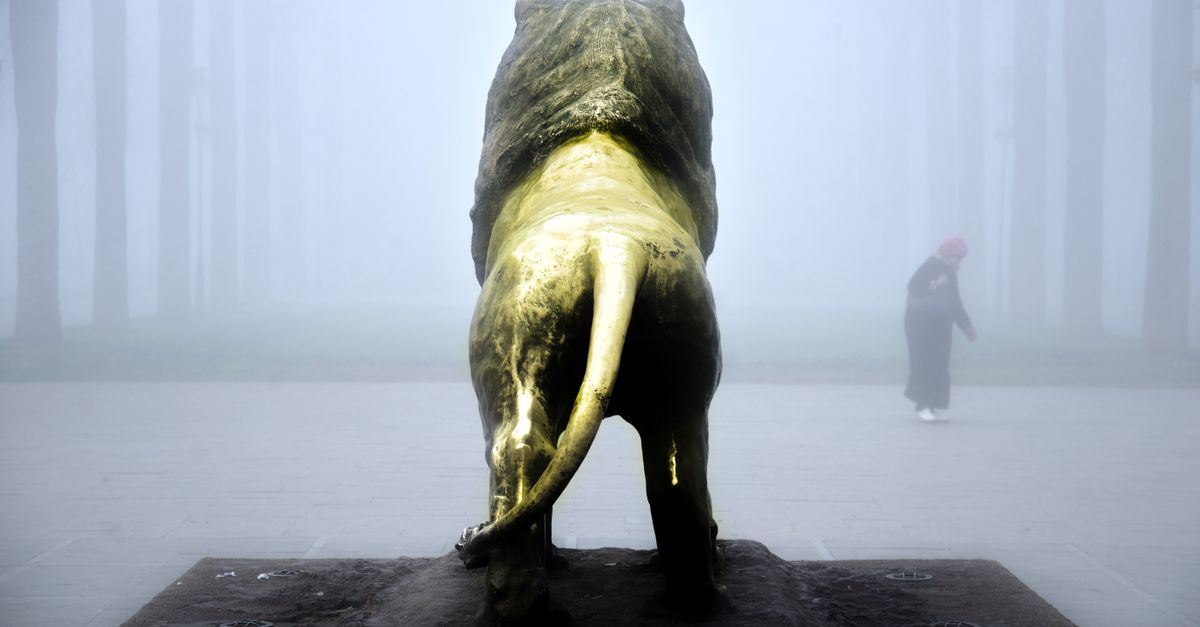
Located in a central park near the downtown promenade, the carved Stone Lion (Lion d'Ifrane) is the town's most famous landmark. Carved during World War II, legend holds it was crafted by a German prisoner of war in homage to the extinct Atlas lion that once roamed these mountains.
- Why visit: It is the iconic photo spot and historical symbol of the town center.
- Best time: Early morning or late afternoon when light is soft and crowds are minimal.
- Visit duration: 15 to 30 minutes.
- How to get there: Situated right in central Ifrane, easily reachable on foot from any central hotel.
- Family suitability: Excellent; kids can run around the adjacent green park.
- Practical caution: Expect small crowds queuing for photos on peak weekend afternoons.
Exploring the Cedar Forests and Atlas Wildlife
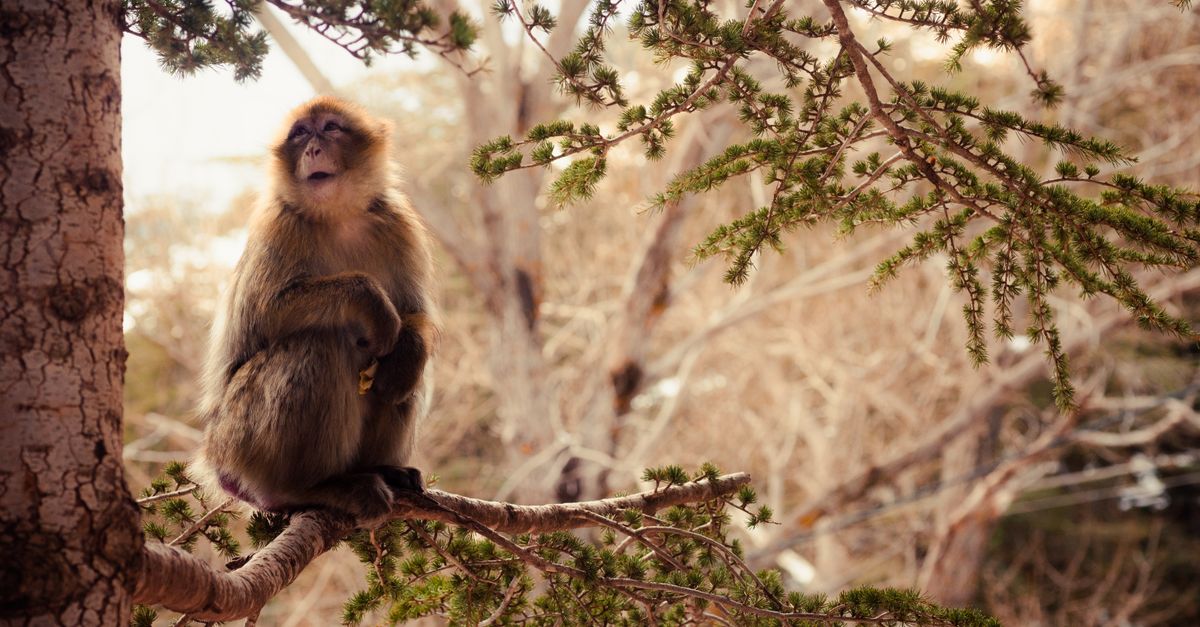
Ifrane National Park encompasses one of North Africa's largest remaining stands of Atlas Cedar (Cedrus atlantica). These ancient forests provide vital sanctuary for native flora and endemic fauna, including the endangered Barbary macaque (Macaca sylvanus)—the only native primate species in Africa north of the Sahara.
Cèdre Gouraud Forest and the Barbary Macaques
Located roughly 20 kilometers south of Ifrane near the town of Azrou, the Cèdre Gouraud forest area is famous for its towering century-old cedar trees and resident monkey troops.
- Why visit: Walk under giant ancient cedars and observe wild Barbary macaques in their natural habitat.
- Best time: Morning hours when monkeys are active and trail paths are quiet.
- Visit duration: 1.5 to 3 hours.
- How to get there: Best accessed by rental car or private grand taxi driver hired from Ifrane or Azrou.
- Price: Forest access is free. Informal parking attendants usually charge around 10 to 20 MAD.
- Family suitability: Very high, provided children are supervised around wildlife.
- Practical caution: Do not feed the macaques junk food or bread. Hand-feeding makes animals aggressive and dependent. Maintain a safe physical distance and secure your personal belongings.
Understanding Ifrane Across the Four Seasons
Unlike much of Morocco where dry heat dominates, Ifrane experiences four distinct, pronounced seasons. Understanding these shifts is crucial for planning clothing and logistics.
Spring (March to May)
Spring brings blooming wildflowers, rushing mountain streams, and comfortable daytime temperatures ranging between 14°C and 22°C. It is the finest season for daylight hiking in Ifrane National Park and visiting nearby lakes (Dayets). Pack light layers and a waterproof shell jacket for spring rains.
Summer (June to August)
While lowlands like Fes and Marrakech regularly top 40°C, Ifrane stays significantly cooler, with daytime averages around 26°C to 30°C and refreshing evening breezes. It is peak domestic holiday season, so hotel reservations should be booked well in advance.
Autumn (September to November)
Crisp temperatures and golden foliage make autumn a picturesque period to explore. Crisp mornings (8°C to 15°C) give way to sunny afternoons. Autumn is ideal for low-crowd sightseeing and peaceful nature photography.
Winter (December to February)
Sub-zero temperatures and snowstorms transform Ifrane into a winter wonderland. Small nearby ski slopes at Michlifen open depending on snowfall depth. Hotels charge winter heating supplements, and driving requires care on icy roads. Warm thermal base layers, heavy coats, and insulated waterproof footwear are essential.
Culture and Etiquette in the Middle Atlas
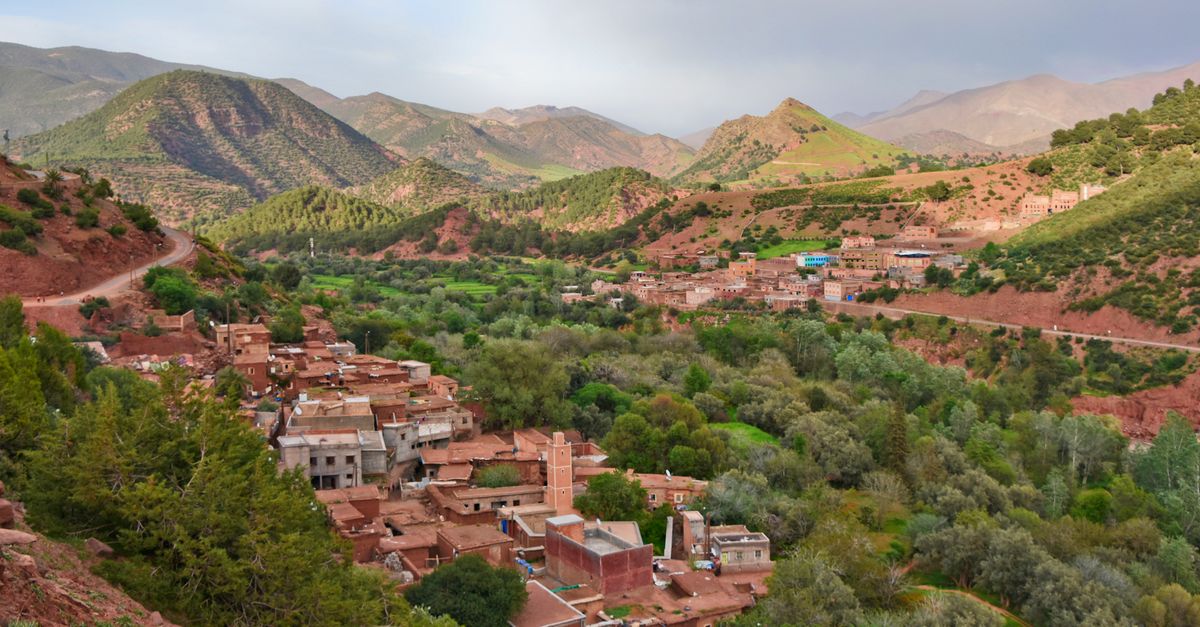
Life in the Middle Atlas moves at a calm, traditional rhythm centered on community values and seasonal agriculture. While Ifrane town center hosts a cosmopolitan student body due to the international university, the surrounding villages are deeply rooted in rural Amazigh traditions.
- Greeting style: Politeness is highly valued. A gentle handshake accompanied by touching your right hand to your heart is the standard respectful greeting.
- Dress code: While summer tourists wear western casual wear, modest clothing (covering shoulders and knees) remains appreciated when visiting local village markets or traditional neighborhoods.
- Photography etiquette: Always ask permission before taking close-up photographs of local people, particularly elders and market vendors in rural areas.
- Tipping: Tipping around 10% in sit-down restaurants and rounding up small amounts for taxi drivers or luggage handlers is customary and appreciated.

Local Food Culture in Ifrane and the Middle Atlas
Food in the Middle Atlas combines hearty mountain staples designed to combat cool weather with fresh regional produce and freshwater fish.
Fresh Mountain Trout (Truite de l'Atlas)
Because of the clean, cool mountain streams and nearby fish hatcheries like Ras El Ma, freshwater trout is a signature specialty rarely found on coastal Moroccan menus.
- Ingredients: Freshly caught rainbow trout grilled plain with lemon and herbs, or baked with tomatoes, garlic, cumin, and olive oil.
- When eaten: Typically enjoyed as a hearty lunch dish.
- Where to find: Riverside rustic restaurants around Ras El Ma, as well as family-run seafood and grill places along the main road to Azrou.
Middle Atlas Lamb and Goat Tagine
Mountain pastures produce high-quality tender meat cooked slowly over charcoal in traditional earthenware tagines.
- Ingredients: Slow-cooked lamb or goat, prunes, toasted almonds, saffron, ginger, and wild mountain herbs like thyme or rosemary.
- When eaten: Midday family meals and weekend gatherings.
- Where to find: Traditional Moroccan restaurants in central Ifrane and bustling roadside grill stalls in Azrou.
Fresh Cedar Honey and Berber Flatbread (Tafarnout)
Local beekeepers harvest rich, dark honey infused with nectar from cedar, thyme, and oak blossoms.
- Ingredients: Pure wild mountain honey paired with warm, stone-baked flatbread.
- When eaten: Morning breakfast or afternoon mint tea break.
- Where to find: Small artisanal honey shops along rural roads, local markets, and traditional breakfast cafes.
Best Day Trips from Ifrane
Azrou and Its Tuesday Souk
Located just 17 kilometers southwest, Azrou is an authentic Amazigh mountain city surrounded by limestone crags and forests.
- Why visit: Experience genuine local life, explore artisan woodcarving workshops, and shop for handwoven Berber carpets.
- Best time: Tuesday morning when the weekly regional souk gathers farmers and craftsmen from surrounding valleys.
- Duration: Half-day trip (3 to 5 hours).
- How to get there: Frequent 20-minute ride via shared grand taxi or regional bus from Ifrane central station.
- Useful nearby place: Combine with a visit to the Cèdre Gouraud forest nearby.
Bhalil and Sefrou
Situated roughly 50 to 60 kilometers north toward Fes, these historic settlements offer deep cultural heritage without big-city tourism pressure.
- Why visit: Bhalil is famous for its unique inhabited cave dwellings built into hillside limestone walls, while Sefrou features a quiet historical medina and river walk.
- Visit duration: Full-day trip (5 to 7 hours).
- How to get there: Best reached with a rental car or hired private driver for the day.
- Practical caution: Respect residents in Bhalil; hire a certified local guide to visit cave homes politely without intruding on family privacy.
Practical Trip Planning & Travel Logistics
Getting There and Transport
Ifrane has no train station. The nearest major railway hub is in Fes (approx. 60 km north). From Fes Railway Station or CTM bus terminal, regular grand taxis and long-distance buses connect to Ifrane in roughly 1 to 1.5 hours depending on traffic. Renting a car in Fes gives maximum flexibility for exploring scattered forest trails and mountain villages.
How Long to Stay
For a general relaxed look at the town and main cedar forest spots, 1 to 2 days is ideal. If you plan to hike extensively, visit local artisan markets, and take day trips to Azrou, Sefrou, and local lakes, budget 3 full days.
Money and Payments
While modern hotels and higher-end establishments in Ifrane accept major international credit cards, cash (Moroccan Dirham - MAD) is absolute king in local markets, small cafes, grand taxis, and forest parking areas. Several reliable ATMs are available around central Ifrane's commercial zone, but carry small cash denominations for driver tips and informal purchases.
Safety and Common-Sense Notes
Ifrane is exceptionally safe, quiet, and easy to navigate on foot. Standard commonsense rules apply: keep valuables secure, double-check weather forecasts before setting off on rural mountain hikes, and carry plenty of bottled drinking water during summer outings.
