
Perched high in the Middle Atlas mountains at an elevation of over 1,600 meters (5,400 feet), Ifrane offers a striking contrast to the labyrinthine medinas of nearby Fes and the arid plains surrounding Marrakech. Built during the French protectorate era in the 1930s as a garden city and hill station, Ifrane features pitched red-tile roofs, timber-framed houses, pristine public parks, and clean, tree-lined boulevards. For many visitors, stepping into Ifrane feels less like exploring traditional Morocco and more like arriving in a serene Swiss mountain village.
However, Ifrane is far more than a European-style architectural curiosity. It serves as the primary gateway to the vast Middle Atlas forest ecosystem, home to century-old Atlas cedar trees, rare Barbary macaques, and serene volcanic lakes known locally as dayats. Whether you visit to escape the scorching summer heat of the lowlands, play in the winter snow, or hike quiet mountain trails, successful trip planning requires an understanding of its unique climate, regional transport dynamics, and ecological boundaries.
Best Seasons and Climate Realities
Due to its high altitude, Ifrane experiences four distinct seasons, a rarity across much of North Africa. Understanding these seasonal shifts ensures you pack correctly and set realistic expectations for outdoor activities.
Winter (December to February)
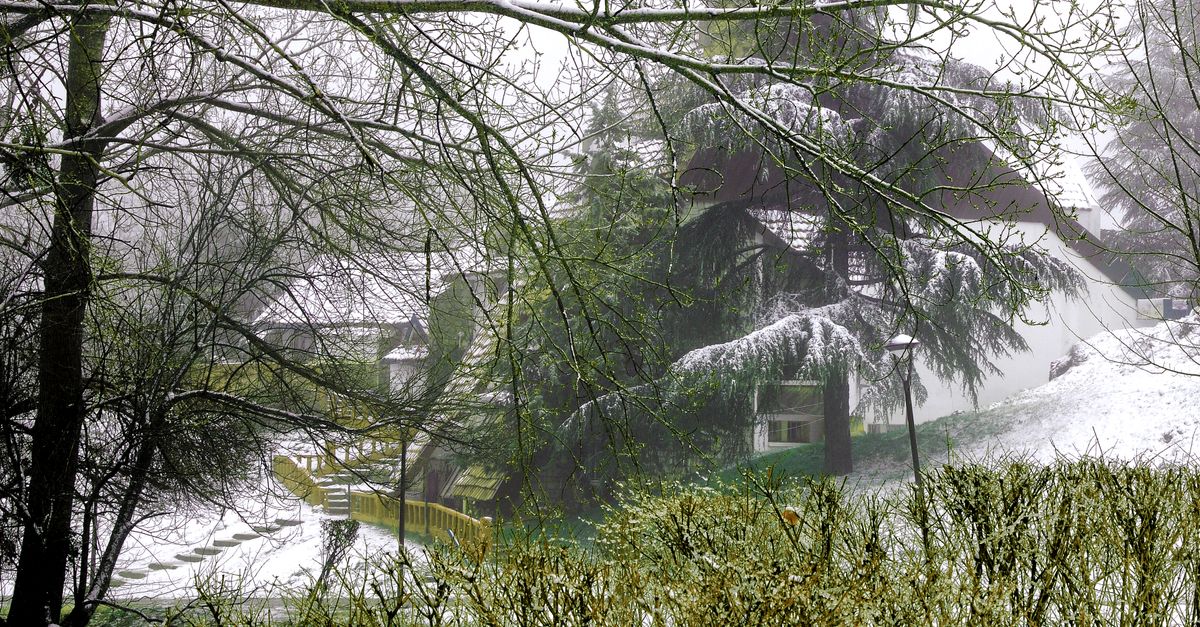
Winter turns Ifrane into Morocco's premier cold-weather retreat. Temperatures regularly drop below freezing at night, averaging between -2°C and 8°C (28°F–46°F). Snowfall is common, transforming the surrounding pine and cedar forests into winter landscapes. Skiing enthusiasts head to Michlifen, a modest ski area located 19 kilometers away. If visiting during winter, carry heavy thermal layers and confirm that your hotel or guest house offers modern central heating, as mountain nights grow bitter cold.
Spring (March to May)
Spring is an exceptional season to visit as snowmelt fills local lakes, streams, and waterfalls. Temperatures range comfortably between 14°C and 22°C (57°F–72°F). High alpine wildflowers bloom across the valleys, making this the prime season for nature photography, birdwatching, and hiking in Cèdre Gouraud Forest. Bring light jackets and waterproof footwear for crisp mornings and occasional spring showers.
Summer (June to August)
While lowland cities like Fes and Meknes simmer in extreme summer heat often exceeding 40°C (104°F), Ifrane offers a cool refuge with average temperatures between 25°C and 30°C (77°F–86°F). Lowlands locals swarm the town on summer weekends, filling public parks and outdoor cafes. If visiting in summer, book accommodation several weeks in advance to secure availability.
Autumn (September to November)
Autumn brings mild daytime weather, golden autumn foliage among non-evergreen tree species, and sharp reductions in tourist numbers. Daytime temperatures range from 15°C to 24°C (59°F–75°F). It is an ideal time for quiet forest walks and peaceful day trips without summer holiday crowds or winter road closures.

What Makes Ifrane Unique: Urban Planning and History
Unlike historic Moroccan cities that grew organically around trade routes and fortified medinas over centuries, Ifrane was purposefully planned by French urban planners in the 1930s. Designed as a mountain relief station for colonial administrators, the town was laid out around green belts, gentle slopes, and strict aesthetic rules that mandated sloped alpine roofs designed to shed heavy winter snowfall.
Today, Ifrane retains this spotless urban character. It is widely regarded as one of the cleanest towns in Africa. The presence of Al Akhawayn University—a prestigious public, English-language university established in the 1990s—adds an international, youthful vibe to the town center. The contrast between traditional Amazigh mountain heritage in surrounding rural villages and the neat, polished municipal center gives the region a distinct identity within Morocco.
Top Sights and Natural Experiences
Ifrane Stone Lion (Lion d'Ifrane)
Why Visit: Located near the town center park, this landmark stone sculpture was carved into natural rock during World War II, likely by a prisoner of war. It commemorates the extinct Atlas lion that once roamed these mountains and stands as Ifrane's most recognized photo landmark.
Best Time: Early morning or late afternoon to avoid photo queues.
Realistic Duration: 15–20 minutes.
How to Get There: Positioned in central Ifrane, a short walk from the central park and main boulevard.
Price: Free.
Family Suitability: Excellent for families with children.
Caution: Watch for high pedestrian foot traffic on surrounding pathways during peak summer afternoons.

Cèdre Gouraud Forest and Barbary Macaques
Why Visit: Located approximately 12 kilometers southwest of Ifrane, this ancient Atlas cedar forest is famous for its towering trees and native population of Barbary macaques—North Africa's only native primate species.
Best Time: Morning hours when light filters through the high cedar canopy.
Realistic Duration: 1.5 to 3 hours.
How to Get There: Accessible by short drive or grand taxi along the N13 road toward Azrou.
Price: Free general entry; modest tipping applies for local guides or official parking attendants.
Family Suitability: Very high; children love observing wildlife in natural settings.
Caution: Do not feed or closely approach the wild macaques. Feeding human snack foods harms their health and can spark aggressive behavior.
Vittel Springs (Source Vittel) and Parc la Prairie
Why Visit: A tranquil woodland spring area just outside town, where footpaths run along freshwater streams surrounded by high poplars and oak trees.
Best Time: Spring or early summer mornings when water volume is high.
Realistic Duration: 1 to 2 hours.
How to Get There: Located roughly 3 kilometers from the town center; accessible by foot, petit taxi, or short drive.
Price: Free entry; optional short pony or horse rides offered by local handlers usually cost a negotiable fee.
Family Suitability: Great for picnics and casual outdoor walks.
Caution: Springs can dry to a trickle during late summer or dry years.

Local Culinary Guide: Flavors of the Middle Atlas
Ifrane’s mountain environment influences its culinary offerings, blending hearty Amazigh tradition with fresh high-altitude ingredients.
Atlas Mountain Trout (Truite de l'Atlas)
Dish Profile: Fresh freshwater trout sourced from nearby cold-water mountain streams and aquaculture centers such as Ras El Ma.
Ingredients: Whole trout grilled over open coals or baked in a tagine with fresh herbs, olive oil, lemon, garlic, and wild thyme.
Regional Link: The cold, oxygen-rich waters of the Middle Atlas streams provide ideal conditions for trout, making it a regional specialty distinct from coastal fish dishes.
Typical Occasion: Leisurely weekend lunch.
Where to Find It: Specialized trout restaurants lining the road near Ras El Ma and local eateries along the main dining strips in central Ifrane.
Berber Tagine with Mountain Vegetables
Dish Profile: A slow-cooked, hearty stew topped with locally grown root vegetables and wild herbs.
Ingredients: Beef, lamb, or free-range chicken layered with potatoes, carrots, turnip, peas, olive oil, saffron, ginger, and cumin, cooked in a heavy clay dish.
Regional Link: Traditional sustenance for Middle Atlas mountain communities needing high-energy meals during cold months.
Typical Occasion: Daily lunch or evening winter meal.
Where to Find It: Traditional roadside diners and local restaurants in central Ifrane and neighboring Azrou.

Culture, Etiquette, and Mountain Respect
While Ifrane appears modern and European in design, the social fabric of the surrounding region remains deeply rooted in conservative Amazigh traditions. Understanding local norms ensures smooth, respectful interactions during your visit.
Dress and Public Behavior
Due to the university presence and influx of domestic tourists, dress codes in central Ifrane are generally relaxed compared to rural villages. However, modest attire covering shoulders and knees is appreciated when visiting smaller rural communities or non-tourist establishments. Public displays of affection should be kept modest.
Environmental and Wildlife Conservation
The fragile Middle Atlas cedar ecosystem faces challenges from climate change, overgrazing, and unmanaged tourism. Stick to designated walking trails when exploring forest reserves, dispose of trash in municipal receptacles, and avoid purchasing wild wood products harvested illegally from ancient cedar trees.
Practical Logistics, Transport, and Day Trips
Getting to Ifrane
Ifrane has no commercial airport or direct train station. The nearest major transport hub is Fes, located approximately 60 kilometers to the north.
- By Grand Taxi: Shared or private grand taxis run frequently between the Fes central taxi hub and Ifrane, taking roughly 1 to 1.5 hours depending on road conditions.
- By Bus: National bus carriers like CTM operate scheduled daily bus routes linking Fes, Meknes, and regional mountain towns directly to Ifrane’s central bus terminal.
- By Car: Renting a car provides maximum flexibility for visiting forest reserves and mountain lakes. Roads connecting Fes and Meknes to Ifrane are paved and well-maintained, though winter drivers should check for mountain pass snow closures.
Day Trip: Azrou and its Tuesday Souk
Located just 17 kilometers south of Ifrane, Azrou is a lively Amazigh market town framed by high green mountains. Visiting Azrou offers an authentic look at daily regional trade. If visiting on a Tuesday, do not miss the vibrant outdoor souk where mountain villagers gather to trade livestock, fresh produce, handwoven rugs, and local honey.
Day Trip: Dayat Aoua Volcanic Lake
Situated roughly 15 kilometers northeast of Ifrane, Dayat Aoua is a tranquil natural lake surrounded by oak timber forests and gentle hiking trails. It is a popular spot for birdwatching, picnicking, and pedal boating when water levels are high. It provides a peaceful, quiet escape from central town crowds.
