
For centuries, the phrase Diyafah—the sacred duty of hospitality—has defined social life across Morocco. To cross a Moroccan threshold as a guest, whether entering a mud-brick Amazigh home in the High Atlas or a sprawling merchant residence in the Fes medina, meant entering a sanctuary where honor dictated that you were fed, rested, and protected. This deep commitment to welcoming outsiders is rooted in Islamic values, Amazigh communal solidarity, and a history of trade where welcoming strangers was integral to social trust.
Yet, as Morocco undergoes rapid urban transformation, economic shifts, and an expanding global tourism economy, the mechanics of hospitality are recalibrating. Today's travelers experience a fascinating dual reality: centuries-old tea rituals and spontaneous invitations exist side-by-side with modern urban cafes, boutique riad stays, and shifting personal boundaries among younger generations in cities like Casablanca, Rabat, and Marrakech.
The Core Pillars of Traditional Moroccan Hospitality
To understand how Moroccan hospitality is changing, one must first recognize its historical foundation. Traditional guest customs were built on generous home-centered entertaining where privacy and welcome existed in harmonious balance.
The Sacred Ritual of Atay (Mint Tea)
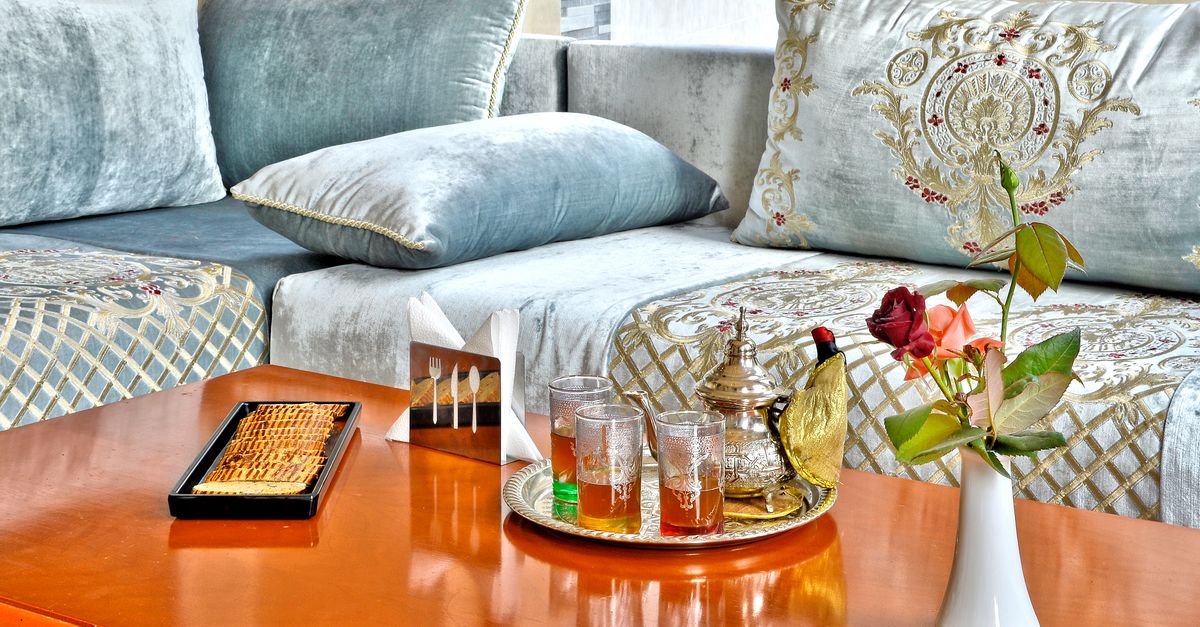
Known affectionately as Moroccan whiskey, green tea brewed with fresh spearmint and sugar is the universal signature of welcome. Traditionally prepared by the head of the household, serving atay is an active ritual rather than a casual beverage offering. Pouring the tea from a height into small glasses creates a light foam on top—called the reghwa—which demonstrates care and skill. Refusing a first glass of tea is traditionally viewed as a rejection of the host's goodwill.
The Communal Table
Traditional Moroccan dining centers around shared communal dishes, primarily tagines and Friday couscous. Guests are seated in the salon marocain (a living room lined with long, plush banquettes) and invited to eat from a central clay or ceramic platter. Etiquette dictates eating with the right hand, taking food from the section directly in front of you, and reserving choice pieces of meat or vegetables for guests.
The Sanctuary of the Home
Moroccan homes are historically designed around interior courtyards, particularly in dense medinas. Plain outer walls reveal little of inner family life. Inviting a guest inside is a major sign of respect and trust, temporarily granting the outsider inclusion in family domestic comfort.

How Modernization and Urbanization Are Shaping Guest Customs
Over the past two decades, Morocco's demographic center has shifted toward cities. Apartment living, modern work schedules, and economic realities are redefining how hosts extend hospitality.
From Home Salons to Third Spaces
In mid-20th-century Morocco, entertaining almost exclusively took place in the home. Today, in bustling centers like Casablanca and modern districts like Marrakech's Guéliz, social encounters frequently move to modern cafes, patisseries, and neighborhood restaurants. Busy urban families may no longer have the bandwidth to prepare multi-course tagines for spontaneous drop-in visitors, preferring to gather over coffee or pastries in public spaces. This shift preserves social connection while accommodating modern schedules.
Commercialized Hospitality and the Riad Revolution
The rise of transformed medina mansions (riads) into boutique guesthouses has introduced a hybrid hospitality style. Travelers now experience traditional architectural splendor paired with professional service. While this allows visitors access to historic domestic spaces, it transforms a once purely personal interaction into a commercial service exchange where warmth remains real alongside professional boundaries.
Generational Shifts in Personal Space
Younger Moroccans maintain strong pride in their heritage, but they view personal privacy and time differently than previous generations. While elders might insist on keeping a guest for multiple hours and several meals, younger hosts are more accustomed to structured plans. Spontaneous visits are gradually giving way to advance phone calls or text messages.

Navigating Hospitality as a Traveler: Etiquette and Cultural Nuances
Understanding local expectations prevents misunderstandings and ensures warm, respectful interactions across both traditional rural settings and modern urban centers.
Accepting and Refusing Offers Gracefully
When offered tea or food by a shopkeeper or host, accepting is the easiest way to show respect. If you must decline due to time or dietary needs, place your right hand over your heart, offer a warm smile, and say La, Shukran (No, thank you). The hand-on-heart gesture signifies that the refusal comes with genuine appreciation.
Home Visit Etiquette
- Remove shoes: Check if shoes are stacked near the entrance; step off your footwear before walking onto woven rugs or carpets.
- Right hand rule: Use your right hand for eating, passing dishes, and shaking hands.
- Bring a gift: If invited to a home, bringing high-quality fruit, dates, or fine bakery pastries is standard practice. Avoid bringing alcohol unless you are completely certain your hosts consume it.
- Dress thoughtfully: Modest clothing covering shoulders and knees is appreciated during home visits, especially in rural areas or conservative neighborhoods.
Tipping and Reciprocity
In traditional contexts, home hospitality was never monetized. However, in modern tourism settings, tipping (baksheesh) is part of daily service interactions. Tip small amounts in local currency (MAD) to drivers, local guides, and café servers.

Local Culinary Hospitality: Dishes That Express Welcome
In Morocco, food is a primary language of welcome. Specific dishes signal high honor and special occasions.
1. Tagine d'Agneau aux Pruneaux (Lamb Tagine with Prunes and Almonds)
Ingredients: Tender lamb slow-cooked with saffron, ginger, cinnamon, topped with caramelized prunes and toasted almonds.
Regional Link & Occasion: Served nationally during celebratory family meals, honor dinners, and festive gatherings. The rich savory-sweet balance represents generous hospitality.
Where to Find: Traditional family-run restaurants, home dinners, and specialty Moroccan dining rooms across cities like Fes, Marrakech, and Meknes.
2. Friday Couscous (Couscous aux Sept Légumes)
Ingredients: Steamed semolina grains topped with stewed beef or lamb, chickpeas, and seasonal vegetables like zucchini, carrots, pumpkin, turnips, and cabbage.
Regional Link & Occasion: Eaten traditional after Friday midday prayers. Sharing a large communal platter of couscous with family, neighbors, or guests is a weekly act of community bonding.
Where to Find: Local neighborhood eateries every Friday, or homestays in regions like the High Atlas and southern valleys.
3. Pastilla (B'stilla)
Ingredients: Thin warqa pastry layered with shredded spiced pigeon or chicken, toasted almonds, cinnamon, and powdered sugar.
Regional Link & Occasion: Native to Fes, this complex sweet-and-savory dish is served to honor special guests at weddings and major banquets.
Where to Find: Traditional Fassi restaurants in Fes and classic Moroccan dining establishments in Marrakech and Rabat.
4. Mint Tea and Moroccan Pastries (Cornes de Gazelle)
Ingredients: Green tea brewed with fresh spearmint leaves and sugar, served alongside almond paste pastries scented with orange blossom water.
Regional Link & Occasion: The standard arrival welcome across all regions of Morocco in homes, riads, and business meetings.
Where to Find: Street cafes, traditional patisseries, and as a welcome gesture in hotels and riads throughout the country.

Practical Guide for Experience-Focused Travelers in Morocco
Transportation and Getting Around
Morocco features an extensive transport network. The high-speed Al Boraq train connects Tangier, Kenitra, Rabat, and Casablanca. Conventional ONCF trains link major urban centers like Marrakech, Fes, and Meknes. For intra-city travel, use metered Petit Taxis (ensure the meter is on) or regional Grand Taxis for shared intercity routes.
Best Season to Visit
Spring (March to May) and Autumn (September to November) offer pleasant weather across Morocco for exploring medinas and rural regions. High summer (July–August) brings intense heat to inland cities like Marrakech and Fes as well as southern desert areas.
Money, Payments, and Tipping Realities
The local currency is the Moroccan Dirham (MAD). While mid-to-high-end hotels, modern restaurants, and boutique shops accept major credit cards, cash remains widely necessary for small vendors, taxis, and medina markets. Keep small dirham notes (10, 20, 50 MAD) accessible. ATMs are widely available in urban centers.
Safety and Practical Considerations
Morocco is generally welcoming and safe for travelers, though dense medina environments require practical awareness:
- Unsolicited guides: In busy medina areas, individuals may offer unsolicited directions and ask for payment. A polite, firm refusal (La, Shukran) and walking steadily is the standard approach.
- Navigation: Download offline map applications before exploring dense historic medinas.
- Photography: Ask permission before taking close-up photos of craftspeople or locals in daily settings.
By approaching Morocco with open curiosity and respect for its evolving customs, travelers can build genuine connections across both modern city life and traditional spaces.
