
In Morocco, food is far more than mere sustenance; it is a profound cultural language rooted in Islamic tradition, Amazigh (Berber) heritage, and centuries of trans-Saharan and Mediterranean exchange. To sit at a Moroccan table is to participate in an ancient ritual where hospitality is considered a sacred duty. Guests are welcomed not just into a home, but into the family circle, where the central dish represents unity, abundance, and warmth. Understanding how food functions as a gesture of generosity transforms any journey through the kingdom from a simple culinary tour into a deeply human experience.
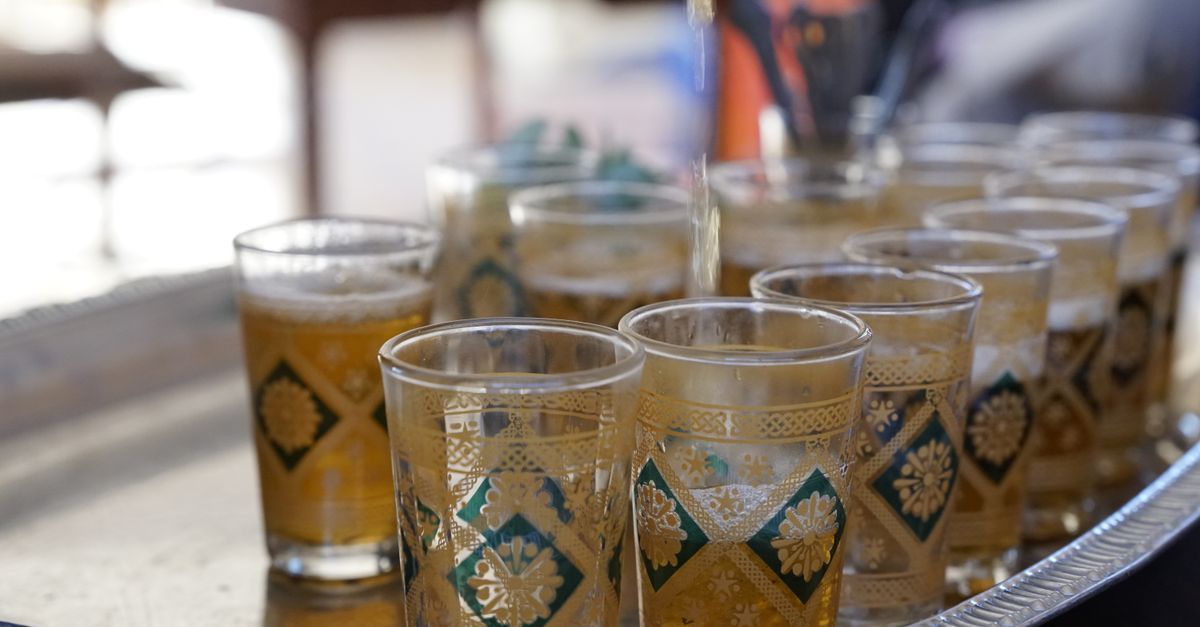
Whether you are sipping gunpowder green tea steeped with fresh spearmint in a Marrakech riad, tearing off warm pieces of crusty round bread to scoop lamb tagine in Fez, or sharing a communal mound of fluffy Friday couscous in a High Atlas village, the dynamics of the table remain constant. Generosity dictates that the host offers their absolute best, while respect dictates that the guest accepts with open gratitude. This guide delves into the etiquette, culinary traditions, and regional flavors that define Moroccan communal dining, giving travelers the practical knowledge to navigate tables across the country with grace.
The Philosophy of Moroccan Hospitality
In traditional Moroccan society, the guest is viewed as a blessing sent by God (dief Allah). Refusing hospitality or offering a meager portion is seen as a failure of character. This ethos stems from nomadic desert roots and Islamic teachings that emphasize neighborliness and charity. When a traveler enters a Moroccan home, the host will routinely prepare far more food than could possibly be consumed by those present. Overabundance is intentional; it reassures guests that they are cherished and that the household spares no effort on their behalf.
This philosophy extends well beyond formal dinner invitations. You will encounter spontaneous expressions of generosity everywhere in daily life. A carpet merchant will offer a glass of sweet mint tea before negotiations begin; a baker at a neighborhood furnace (ferran) might offer a pinch of warm semolina cake; a home cook in a small village might insist you sit down for a shared lunch simply because you passed by during mealtime. Accepting these gestures with polite appreciation is the first step toward understanding Moroccan culture.
Anatomy of the Moroccan Communal Table
The layout of a traditional Moroccan meal reflects its social purpose. Dining typically takes place around a low, round table called a m'ida, surrounded by comfortable built-in banquettes (seddari). The round shape ensures that every diner is equal distance from the center, reinforcing the communal spirit. Rather than individual plates pre-portioned in a kitchen, major courses arrive in single large vessels placed at the absolute center of the table.
Bread—specifically khobz, a dense, round flatbread baked daily—serves as utensil, plate, and staple food. Diners use pieces of bread held between their fingers to scoop up stews, vegetables, and meats. This direct physical connection to the food creates an intimate, unpretentious atmosphere. Before the meal begins, a brass basin and pitcher (tas wa abriq) or warm scented towels are often brought around the table so guests can wash their hands, a ritual repeated when the meal concludes.

Essential Dishes That Embody Moroccan Generosity
Moroccan cuisine is celebrated worldwide for its complex sweet-and-savory flavor profiles, slow-cooked tenderness, and aromatic spices such as cumin, saffron, cinnamon, ginger, and turmeric. Certain classic dishes carry immense social weight and highlight the generous nature of the cuisine.
1. Couscous (Kseksou)
- Typical Ingredients: Fine durum wheat semolina steamed multiple times over broth, topped with tender beef, lamb, or chicken, cooked with vegetables (zucchini, carrots, pumpkin, turnips, chickpeas) and sweet caramelized onions with raisins (tfaya).
- Cultural Connection: Inscribed on UNESCO's Intangible Cultural Heritage list, couscous is the ultimate communal dish. It is traditionally eaten on Friday—the Muslim holy day—after mid-day prayers, bringing extended families together around a single large clay bowl.
- When & Where to Find: Served on Fridays in private homes, traditional restaurants, and neighborhood eateries across Morocco. While tourist restaurants serve it daily, visiting a local spot on Friday yields the most authentic preparation.
2. Slow-Cooked Tagine
- Typical Ingredients: Meat (lamb, goat, chicken, or beef) or fresh fish layered with vegetables, preserved lemons, olives, prunes, or toasted almonds, cooked slowly in a conical earthenware vessel over charcoal burners (majoun).
- Cultural Connection: The conical lid captures steam and drips condensed moisture back onto the ingredients, making tough cuts tender and intensely flavorful. It represents regional self-sufficiency, using seasonal farm produce.
- When & Where to Find: Eaten daily for lunch or dinner. Available in roadside eateries, medina cafes, upscale restaurants, and gas station grill spots throughout Morocco.

3. Pastilla (B'stilla)
- Typical Ingredients: Paper-thin layers of warqa pastry filled with slow-cooked shredded pigeon or chicken, toasted spiced almonds, eggs, cinnamon, and orange flower water, dusted with powdered sugar and cinnamon.
- Cultural Connection: Originating in Fez with Andalusian roots, Pastilla is an elaborate dish reserved for weddings, grand celebrations, and honored guests. Its complex preparation demonstrates high respect for the visitor.
- When & Where to Find: Served at special events, traditional Fez eateries, and high-end Moroccan restaurants in major cities like Fez, Rabat, and Marrakech.
4. Mechoui
- Typical Ingredients: Whole lamb or shoulder seasoned with salt and cumin, pit-roasted over wood coals for hours until the meat falls off the bone.
- Cultural Connection: A festive centerpiece for celebrations and large gatherings, emphasizing communal feast dynamics where guests pull off tender morsels by hand.
- When & Where to Find: Found in specialty pit-grill stalls, particularly in the mechoui alley near Jemaa el-Fnaa in Marrakech, as well as special event catering.

Table Etiquette: Rules of the Shared Dish
Sharing a single plate with multiple people requires a shared understanding of etiquette. Following these simple practices ensures a harmonious dining experience:
- Eat with the Right Hand: In Moroccan culture, the right hand is reserved for eating and greeting, while the left hand is kept for hygienic tasks. Use your right thumb and first two fingers to hold bread and scoop food.
- Stick to Your Triangle: Imagine the communal dish divided into pie slices radiating from the center to each diner. Eat exclusively from the section directly in front of you. Reaching across to another diner's section is considered poor manners.
- Respect the Host's Gestures: The host will often pick out prime pieces of meat or choice vegetables and place them directly in front of guests. Accept these offerings gratefully.
- Leave Food on the Plate: Finishing every last grain of food indicates that the host did not provide enough. Leaving a small portion behind signals that you are completely satisfied and abundant provision was made.

Experiencing Authentic Food Culture Across Regions
While the principles of hospitality remain constant across Morocco, regional specialties offer distinct culinary landscapes worth exploring:
- Marrakech & Southern Oases: Famous for Tanjia Marrakchia (beef or lamb slow-cooked with preserved lemon and smen in a clay urn nestled in ash furnaces) and rich, fragrant tagines cooked over open coals.
- Fez & Meknes: The imperial heartland of Moroccan gastronomy, known for intricate sweet-and-savory combinations, delicate pastry work, and complex spice blends such as Ras el Hanout.
- Coastal Cities (Essaouira, Oualidia, Tangier): Known for fresh seafood tagines, grilled sardines seasoned with herbaceous chermoula marinade, and coastal influence on Mediterranean dining customs.
By approaching the Moroccan table with openness, respect, and a readiness to share, travelers unlock a rich cultural connection that stays long after the meal ends.
