
Step across the threshold of almost any home, riad, or shop in Morocco, and within minutes you will likely be offered a steaming glass of sweet mint tea. This gesture is not merely polite customer service or an icebreaker; it is the physical manifestation of Diafa, the centuries-old cultural pillar of Moroccan hospitality. In Moroccan society, welcoming a guest is considered both a sacred spiritual obligation and a source of profound personal pride.
For travelers, experiencing this open-hearted warmth is often the highlight of a trip to North Africa. However, truly appreciating Moroccan hospitality requires understanding its deep historical roots, social significance, and the subtle etiquette that governs every interaction. From the high peaks of the Atlas Mountains to the labyrinthine medinas of Fes and Marrakech, here is a guide to understanding, navigating, and honoring the generous spirit of Morocco.
The Philosophy of Diafa: Hospitality as a Sacred Duty
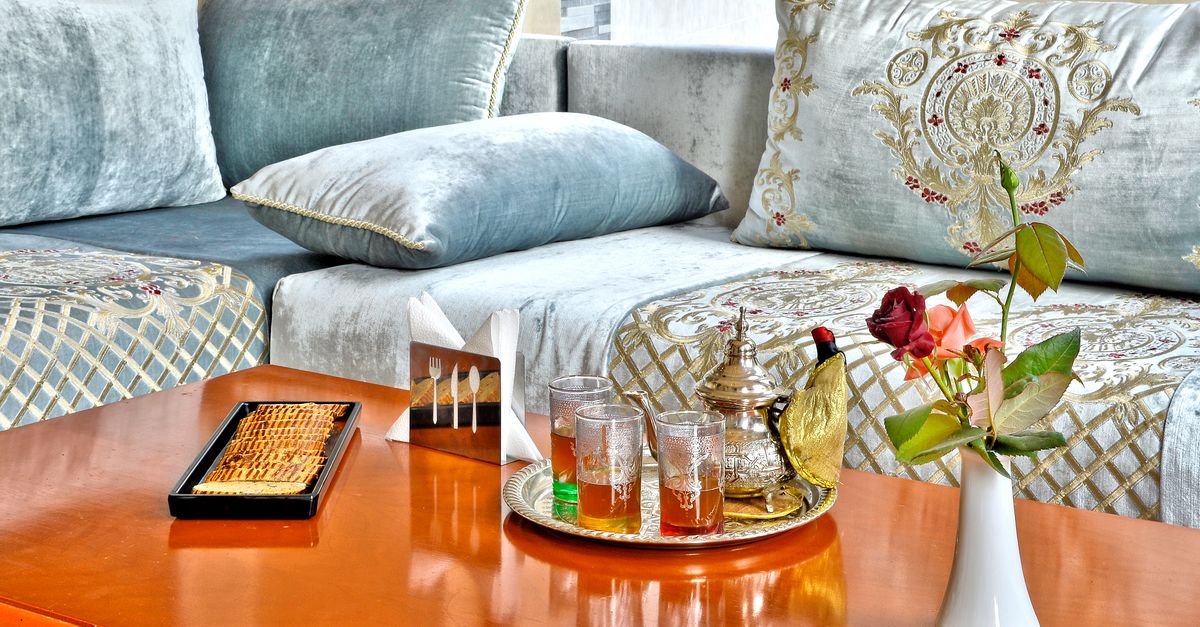
To understand Moroccan hospitality, one must look to the intersection of Amazigh (Berber) tribal customs and Islamic traditions. Historically, nomadic Amazigh communities traversing the harsh Sahara Desert and rugged Atlas Range relied on mutual aid for survival. Turn away a traveler in the desert, and they might not survive the night. Thus, offering food, shelter, and protection to strangers became an unwritten code of honor.
With the arrival of Islam, this code was further enshrined. In Islamic tradition, a guest is seen as a blessing brought by God, and hosting is an act of worship. The traditional Moroccan proverb, "Li ja w jab, Allah yaj3al fiha l-baraka" (Whoever comes brings blessings with them), captures this belief. A host does not feel burdened by an unexpected visitor; rather, they feel honored to share whatever food and comfort they possess.
The Moroccan Tea Ritual: More Than Just a Beverage
No discussion of Moroccan culture is complete without Atay—the famous Moroccan mint tea, often lightheartedly referred to as "Berber Whiskey." Tea in Morocco is never just a quick drink; it is a ceremonial expression of welcome.
The Elements of Atay
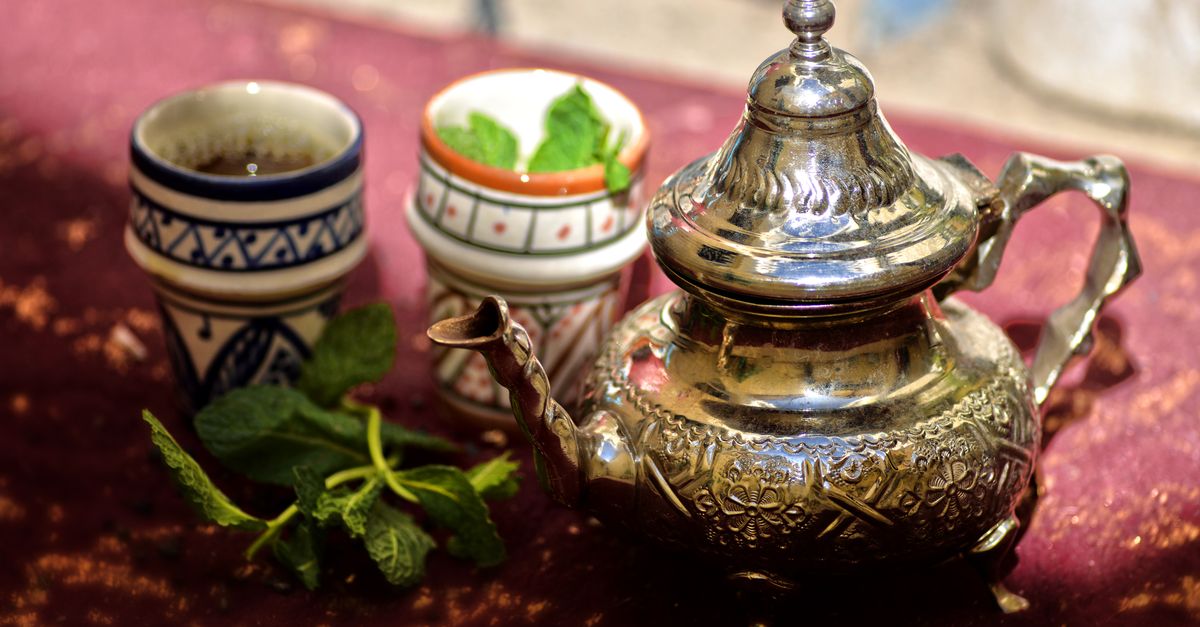
Traditional Moroccan tea combines Chinese gunpowder green tea, generous handfuls of fresh spearmint (na'na'), and large blocks of sugar. In cooler seasons, herbs like wild thyme, sage, or lemon verbena (louiza) are added for warmth and medicinal qualities.
The Art of the Pour
Preparing and serving tea is traditionally performed by the male head of the household or an honored host. The tea is poured from a high distance above the small glass cups. This dramatic pour serves practical and symbolic purposes: it aerates the tea to create a delicate foam top (called the regga) and cools the boiling liquid down to a drinkable temperature. Accepting a glass of tea when offered is the single most important gesture of respect a traveler can make.
Living Moroccan Hospitality: Riads, Homestays, and Markets
Travelers encounter Moroccan generosity in various forms across the country, from high-end hospitality to spontaneous interactions in everyday life.
1. The Riad Experience
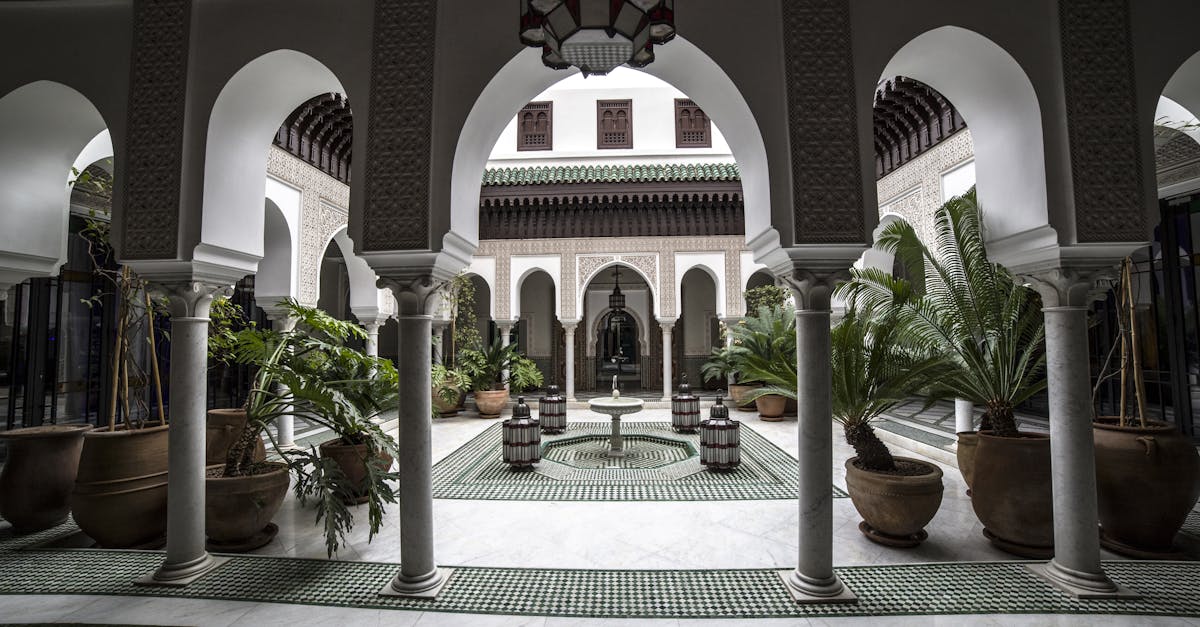
- Why experience it: Riads are traditional Moroccan mansions built around an inner courtyard or garden. Designed to keep family life private from the street, their plain exterior walls open up into serene, beautifully tiled oases. Staying in a riad offers intimate, personalized hosting that reflects traditional home life.
- Best region: The historical medinas of Marrakech, Fes, Meknes, and Essaouira.
- Duration: 2–4 nights minimum to truly absorb the atmosphere.
- Traveler advice: Because riads are located deep within pedestrian-only medinas, arrange luggage assistance or a transfer through your host beforehand to avoid getting lost upon arrival.
2. Mountain Village Homestays (High Atlas & Anti-Atlas)
- Why experience it: In rural Amazigh villages, such as those in the Imlil Valley or the Todra Gorge, hospitality remains unaffected by commercial tourism. Staying with a local family offers an authentic glimpse into daily bread-baking, farming, and community life.
- Family suitability: Outstanding. Moroccan culture is deeply child-focused, and families traveling with children are welcomed with immense warmth.
- What to avoid: Avoid treating rural homes like photo sets. Always ask permission before photographing people, especially women and elders.
Essential Etiquette: How to Be a Gracious Guest in Morocco
Receiving hospitality is an art form in itself. Navigating invitations with poise ensures that both host and guest feel honored and respected.

Key Cultural Norms
- Remove shoes when entering: If you see shoes stacked near the doorway of a home or salon, remove yours before stepping onto the carpets or rugs.
- The right hand rule: Always use your right hand for eating communal food, passing dishes, and shaking hands. The left hand is traditionally reserved for personal hygiene.
- Accepting tea: Refusing a first cup of tea can be seen as a mild rejection of friendship. If you cannot drink it due to sugar concerns, politely accept the glass, take a symbolic sip, and express gratitude ("Shukran").
- Dining from a shared dish: When eating a tagine or couscous from a central platter, eat only from the triangular wedge of food directly in front of you. Do not reach across the dish.
- Bringing a gift: If invited to a local home for dinner, bring a modest gift such as high-quality pastries, fruits, or sugar cones. Avoid bringing alcohol unless you are entirely certain your host consumes it.
A Taste of Welcoming: Food as an Expression of Love
Food is the ultimate currency of affection in Morocco. Portions are intentionally generous because a host’s worst fear is that a guest might leave the table unsatisfied.

Key Cultural Dishes
- Tagine: A slow-cooked stew named after the conical clay pot it is cooked in. Featuring combinations like chicken with preserved lemons and olives, or lamb with prunes and almonds. Regional variations abound, such as fresh fish tagines along the Atlantic coast in Essaouira or Safi. Served daily for lunch or dinner in roadside stalls, local neighborhood eateries, and high-end riads.
- Friday Couscous: Steamed fine semolina grains topped with tender meat, chickpeas, and seven seasonal vegetables. Deeply tied to religious and social life, it is traditionally enjoyed on Fridays following midday congregational prayers. Visitors can experience authentic Friday couscous at specialized traditional restaurants or through home dining experiences.
- Pastilla (B'stilla): A complex savory-sweet pie consisting of paper-thin warqa pastry filled with shredded spiced chicken or pigeon, roasted almonds, orange blossom water, cinnamon, and powdered sugar. Stemming from the Andalusian-Moroccan tradition of Fes, it is served during weddings, religious holidays, and formal dinners honoring guests. Available at classic restaurants in Fes, Marrakech, and major city bakeries.
- Msemen and Baghrir: Msemen (square, layered flatbread) and Baghrir (spongy, yeast-leavened semolina pancake with tiny holes) are served hot with butter and honey. Found nationwide at daily breakfasts and late-afternoon tea sessions (Casse-Croûte) in neighborhood bakeries and local cafes.
Practical Trip Planning & Realities
Best Time to Visit
Spring (March to May) and Autumn (September to November) offer pleasant temperatures nationwide, making long conversations over tea in outdoor courtyards ideal. Summer (July–August) can be extremely hot in inland regions like Marrakech and Fes, though coastal towns like Essaouira remain cool.
Money & Payment Realities
Morocco is primarily a cash economy outside of major hotels and established restaurants. The currency is the Moroccan Dirham (MAD). Always carry small bills (20 and 50 dirham notes) for tipping street vendors, porter assistance in medinas, or small purchases in local souks. Tipping (baksheesh) for small services is customary and appreciated.
Safety & Common Sense
Morocco is generally safe for travelers. However, popular tourist areas feature persistent shopkeepers and unofficial guides. It is important to distinguish between genuine, spontaneous hospitality and commercial hustling. If someone offers to guide you through the medina or invites you into a carpet shop under the guise of casual friendship, expect a sales pitch or a request for money. A polite, firm "La, Shukran" (No, thank you) accompanied by a warm hand on your heart will gracefully resolve most unwanted pushiness without cause for offense.
