
Perched dramatically above the mouth of the Loukkos River where it empties into the Atlantic Ocean, Larache is one of Morocco’s most authentic maritime towns. Unlike its heavily visited neighbors, Tangier and Asilah, Larache operates at a natural rhythm dictated by tides, seasonal winds, and maritime harvests. Fishing is not merely an economic sector here; it is the town’s living heartbeat, shaping everything from architectural layouts to daily family routines.
For food lovers and culturally curious travelers, Larache offers an unpretentious gateway to authentic Moroccan coastal food culture. Here, seafood is defined by immediate freshness, centuries of blended Spanish-Moorish heritage, and straightforward preparation techniques that highlight the natural flavors of the Atlantic sea.
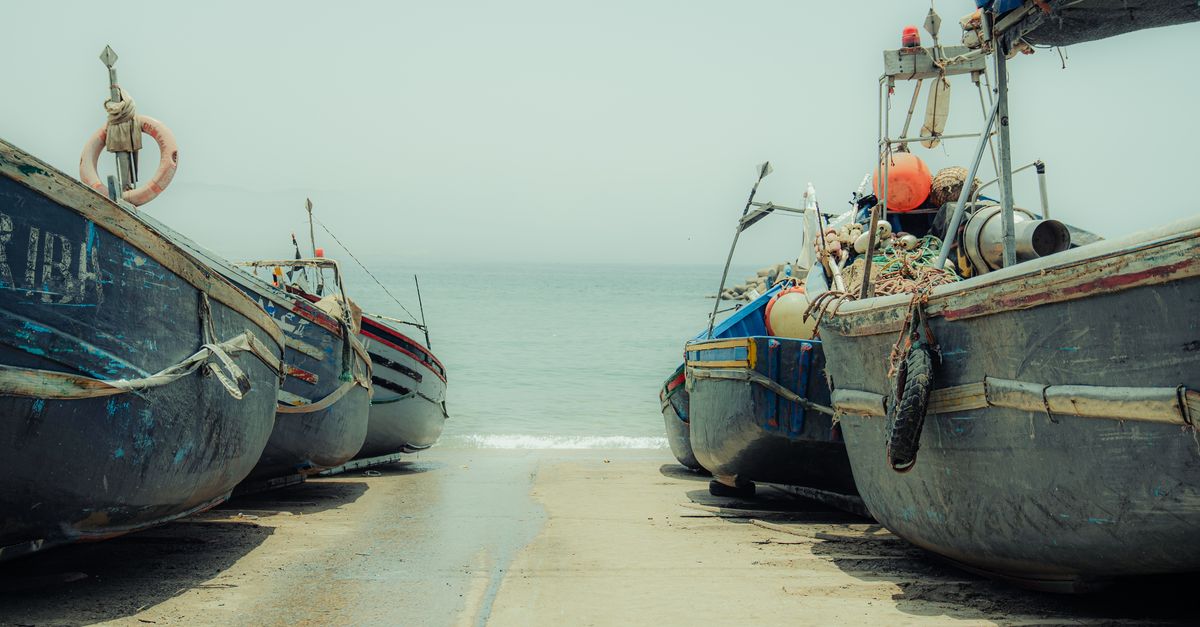
The Soul of Larache: Atlantic Fishing Heritage
To understand the food culture of Larache, one must understand its position along the Atlantic shelf. The waters offshore are enriched by northern oceanic currents, creating prime feeding grounds for wild sardine schools, anchovies, sea bass, sea bream, octopus, squid, and deep-water prawns. Fishing has sustained this coastline since the ancient Phoenician and Roman periods, when nearby Lixus was a prominent Mediterranean exporter of garum (fermented fish sauce).
Today, Larache’s harbor accommodates two primary fleets: large industrial sardine trawlers and a vibrant artisanal fleet of bright blue wooden boats known locally as floukas. Every afternoon, as the fleet returns across the river bar, the port springs into chaotic, synchronized action. Fishermen haul heavy crates of shimmering silver sardines, repair nylon nets along the dock, and conduct energetic auctions right off the gangways.
Navigating the Port and Fish Market (Marché Central)
The culinary journey in Larache begins at the water’s edge and moves directly into the town's central markets. Experiencing these spaces gives travelers a clear window into daily northern Moroccan life.
The Fishing Port Auction and Docks
Why Visit: The port offers an unscripted look at a working Atlantic fishing hub without tourist polish. Watching the unloading of afternoon catches connects you directly to the source of your meal.
Best Time: Late afternoon, typically between 3:00 PM and 5:30 PM, when coastal boats return to unload their catches.
Realistic Duration: 45 to 60 minutes.
How to Get There: Located at the base of the city center downhill from Place de la Libération; easily reachable on foot from anywhere in central Larache.
Price / Entry: Free access to public working quay areas. Visitors should step carefully around wet tiles and moving crates.
Family Suitability: Excellent for older children interested in boats and sea life; keep younger kids close due to wet floors and active vehicle traffic.
Practical Caution: Wear sturdy, non-slip footwear. Avoid blocking working fishermen or taking close-up photos of individuals without asking permission first.
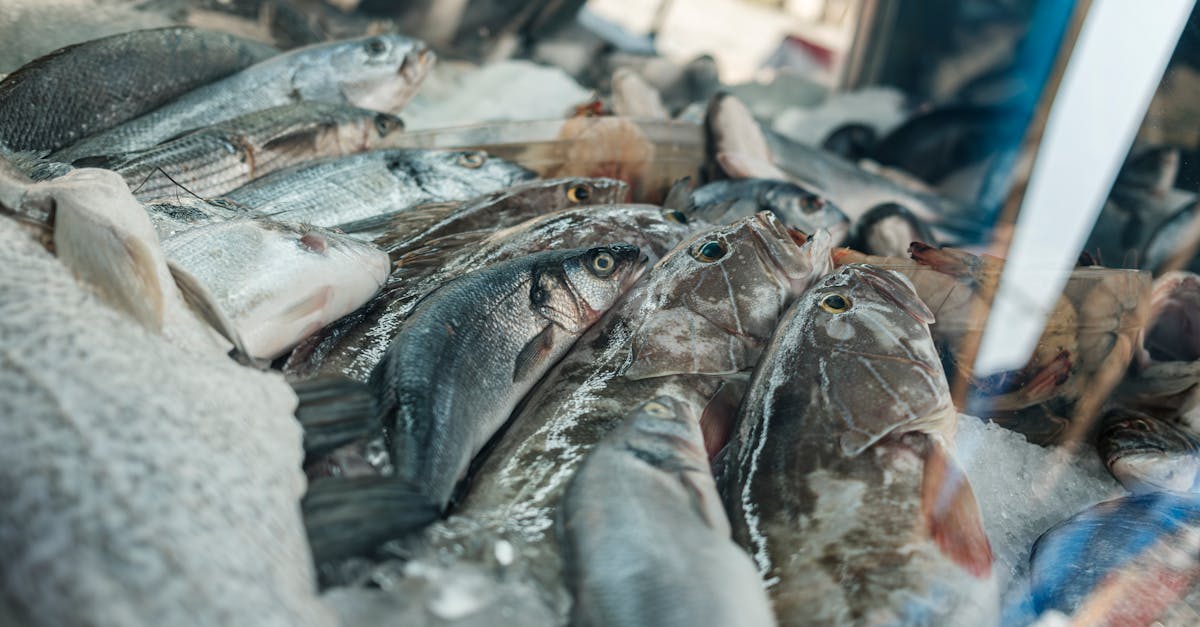
Marché Central (Central Covered Market)
Why Visit: Located right near the center of town, this historic covered market features pristine displays of sea bass (loup de mer), red mullet (rouget), sole, cuttlefish, and regional shellfish displayed on beds of crushed ice.
Best Time: Morning between 8:30 AM and 11:30 AM for peak activity and full market stalls.
Realistic Duration: 30 to 45 minutes.
How to Get There: Situated just off Place de la Libération in the Spanish-built Ensanche district.
Price / Entry: Free to wander. Fresh fish prices vary daily based on sea conditions and catch volume.
Useful Nearby Places: Traditional spice shops and produce stalls sit adjacent to the market, providing fresh lemons, ground cumin, coriander, and garlic used in local fish marinade.
Essential Culinary Signature Dishes
The culinary style of Larache is distinct within northern Morocco, heavily influenced by its former Spanish protectorate status alongside enduring Andalusian-Moorish traditions. Here are the core dishes to sample:

1. Fritura Mixta (Northern Moroccan Fried Fish Platter)
Typical Ingredients: A mix of small whiting, squid rings, sole, small red mullet, and anchovies, dusted lightly with wheat flour and fried in hot vegetable oil until crisp.
Regional Context: Directly reflecting the Hispano-Moroccan heritage of the region, fritura mixta is served with fresh lemon wedges and simple sea salt, allowing the sweetness of fresh fish to dominate.
When & Where to Find It: Served widely during lunchtime in casual portside eateries, seafood stalls, and neighborhood fish fryers.
2. Sardines à la Charmoula (Grilled or Fried Stuffed Sardines)
Typical Ingredients: Fresh Atlantic sardines butterflied and filled with a vibrant paste of garlic, fresh cilantro, flat-leaf parsley, ground cumin, paprika, olive oil, and lemon juice (charmoula).
Regional Context: Sardines are the undisputed dietary staple of Larache. High in omega-3 oils and rich in flavor, they are eaten several times a week across all social strata.
When & Where to Find It: Eaten fresh off open-air wood charcoal grills near the market and port starting at noon.
3. Tagine de Poisson à la Larachienne (Coastal Fish Tagine)
Typical Ingredients: Firm sea bass, red snapper, or conger eel layered with sliced potatoes, ripe tomatoes, green bell peppers, preserved lemons, and green olives in a spiced tomato broth cooked in a terracotta vessel.
Regional Context: Unlike inland meat tagines which lean sweet with dried fruits, coastal tagines are tangy, savory, and rich in herbs.
When & Where to Find It: Standard lunch fare at sit-down traditional restaurants throughout the city center.
4. Gambas al Ajillo (Garlic Prawns)
Typical Ingredients: Fresh Atlantic prawns sizzled in extra virgin olive oil with minced garlic, dried chili peppers, and fresh parsley, served piping hot in a small clay dish.
Regional Context: A direct tapas legacy from Spanish culinary influence, prepared using locally caught cold-water prawns.
When & Where to Find It: Served as a starter in sit-down restaurants along the corniche and in central dining establishments during afternoon and evening dining hours.
Where and How to Eat Seafood in Larache
Dining on seafood in Larache spans a broad range of styles, from basic street stalls to comfortable sit-down dining rooms. Knowing how the local food ecosystem operates helps travelers enjoy the best meal possible.

1. The Purchase-and-Cook System
One of the most authentic dining traditions in Larache involves buying your own raw fish directly from the fishmongers at the Marché Central or port stalls. Once purchased, carry your selection to nearby neighborhood grill joints (grillades). For a small preparation fee, cooks will clean, season, and grill your seafood over charcoal or fry it to order, serving it alongside fresh bread, spicy tomato salsa (harissa), and mint tea.
2. Casual Portside Stalls
Clustered around the perimeter of the port, simple open-air stalls cater to dockworkers and locals. Benches and plastic tables line the street, offering straightforward menus featuring fried sardines, calamari, and whiting. These venues prioritize high turnover and immediate freshness over ambiance.
3. Sit-Down Seafood Restaurants
Along the Boulevard Mohamed V and near the seafront promenade, mid-range family-run restaurants present structured multi-course seafood meals. Here, visitors can comfortably enjoy complete tagines, shrimp cocktails, paellas, and grilled whole fish served with cooked Moroccan salads (taktouka and zaalouk).
Culture and Etiquette Around Food in Larache
Understanding local dining customs ensures a respectful and enjoyable culinary trip:

- Seasonality Rules: Local menus follow daily catches rather than static printed lists. If storm activity keeps boats in port, fish selection will be naturally limited.
- Lunch Is the Main Event: Seafood is primarily eaten during lunch, between 1:00 PM and 3:30 PM, when fish is freshly landed. Evening seafood options are often limited to larger restaurants.
- Hand Etiquette: Casual seafood, particularly fried fish and sardines, is frequently eaten using fresh crusty round bread (khobz) held in the right hand to pinch bites without needing utensils.
- Language Context: Menu items and seafood names are widely spoken in a blend of Moroccan Arabic (Darija), Spanish, and French. Terms like calamar, gambas, and boquerones remain in common local usage.
Practical Trip Planning for Food and Coastal Explorers
Adding a seafood-focused visit to Larache into a broader northern Moroccan itinerary is straightforward with proper planning.
When to Visit
Spring (April to June) and autumn (September to November) offer mild temperatures and active fishing seasons. Summer brings warmer weather and lively night activity along the promenade, though crowds increase slightly with domestic vacationers.
Getting Around
Larache is compact and walkable. Central landmarks like Place de la Libération, the Medina, the Marché Central, and the port are all within comfortable walking distance of one another. Small blue grand taxis connect central areas to outlying transport hubs.
Combining Food with Historical Sightseeing
A culinary excursion in Larache pairs naturally with exploring the town’s rich historic heritage. Spend your morning touring the ancient Phoenician-Roman ruins of Lixus located just north across the Loukkos River, return to town for a freshly grilled seafood lunch, and spend the late afternoon strolling through the Spanish-built Ensanche district and the historic seaside Medina fortification (Castillo de las Cuevas).
