
Nestled against the dramatic backdrop of the Rif Mountains near the Mediterranean Sea, Tetouan holds a distinct place in Morocco’s cultural landscape. Often called the White Dove (La Paloma Blanca), the city served as a major refuge for Andalusian Muslims and Jews expelled from Spain in the 15th century. This profound historical tie reshaped Tetouan, creating a unique synthesis of Hispano-Moorish architecture, artisan crafts, and culinary traditions that remain vibrant today.
Unlike busier tourist hubs, Tetouan offers an authentic look into everyday northern Moroccan life. Its medina, recognized as a UNESCO World Heritage Site, remains one of the most complete and untouched historical centers in the country. Neighboring the medina is the Ensanche, a 20th-century district constructed during the Spanish Protectorate era (1912–1956), offering a striking contrast of wide avenues and Spanish colonial architecture. Navigating this charming destination smoothly requires clear practical information about regional transport, cultural norms, and local experiences.
Navigating Tetouan: Transport and Arrival
Understanding local transport options helps you transition easily between regional bus terminals, nearby coastal towns, and Tetouan’s historic center.
Petit Taxis within City Limits
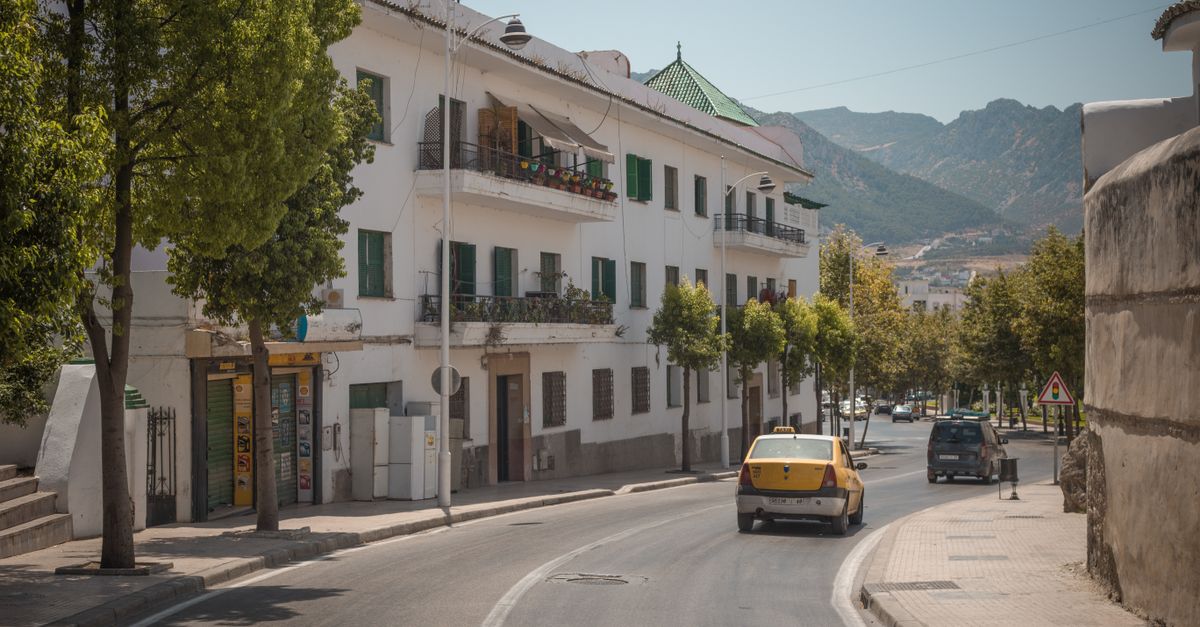
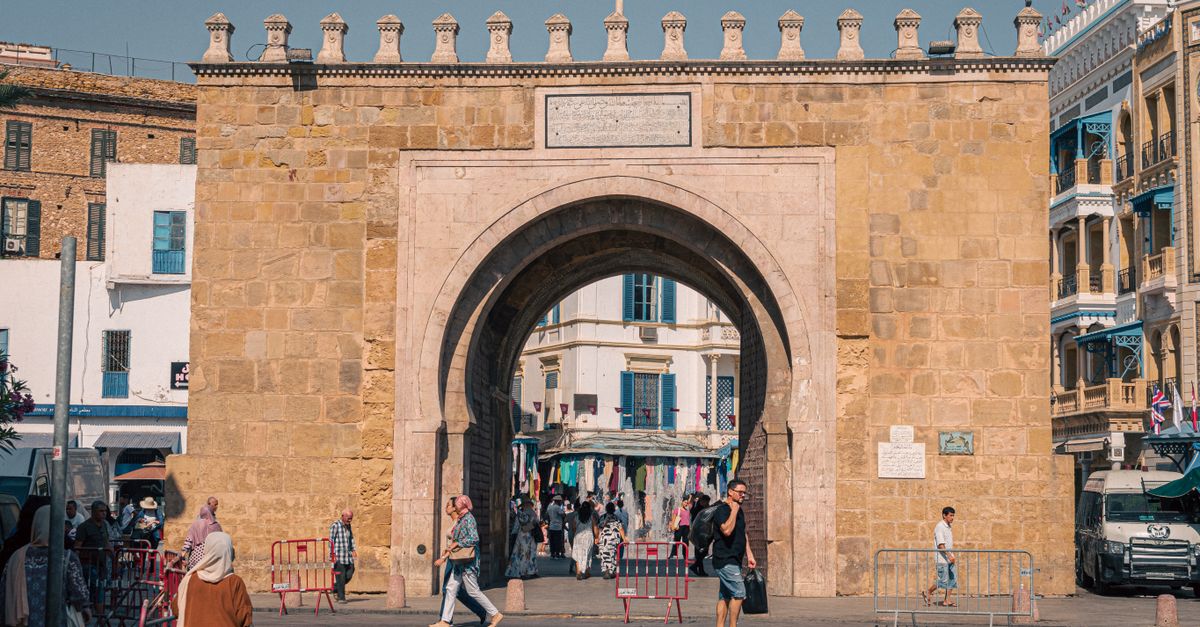
Intra-city travel in Tetouan relies heavily on Petit Taxis, which are bright yellow sedan cars. They carry up to three passengers and operate strictly within the urban perimeter. Driver meters (compteurs) are standard practice; always ensure the driver switches on the meter when you step inside. Rates within the central city are very affordable, though a standard surcharge applies after dark. Note that Petit Taxis cannot enter the pedestrianized medina streets, so drivers will drop you at the nearest gate, such as Bab El Oqla, Bab Remouz, or Place Hassan II.
Grand Taxis for Regional Routes
Grand Taxis are shared vehicles operating along fixed routes between Tetouan and neighboring towns. Key taxi hubs connect travelers to coastal resorts like Martil, M'diq, and Fnideq, or south toward Chefchaouen. Passengers can pay for a single seat in a shared taxi or purchase all seats to reserve the vehicle privately for direct, faster travel.
Arriving in Tetouan
- By Bus: Long-distance buses operated by CTM and Supratours arrive at Tetouan’s central bus station (Gare Routière), located slightly south of the city center. A short yellow Petit Taxi ride connects the terminal directly to Place Hassan II or medina entry points.
- By Air: Sania Ramel Airport (TTU) lies roughly 6 kilometers northeast of the city center, offering select domestic flights and seasonal European routes. Taxis are readily available outside the arrivals terminal. Alternatively, travelers arriving at Tangier Ibn Battouta Airport (TNG) can take a grand taxi or bus from Tangier to Tetouan, a scenic journey taking roughly one hour.
- On Foot: The medina and the Ensanche district are fully pedestrian-friendly. Comfortable footwear with good traction is essential, as medina alleyways often feature sloped stone paving and stairs.
Exploring the UNESCO-Listed Medina and Ensanche
Tetouan’s layout offers a clear visual shift between two historical eras: the 15th-century Andalusian medina and the early 20th-century Spanish Ensanche.
The Andalusian Medina
Surrounded by historical defensive walls pierced by seven historic gates (such as Bab El Oqla, Bab Tout, and Bab Remouz), the medina is organized into distinct quarters dedicated to specific trades and communities. Unlike medinas built with high enclosing walls, Tetouan’s alleyways feature lower whitewashed houses, green wooden doorways, and intricate wrought-iron window grills reminiscent of southern Spain.
The Ensanche District
Directly adjoined to the medina at Place Hassan II, the Ensanche district was laid out during the Spanish Protectorate. Its main pedestrian boulevard, Avenue Mohammed V, features low-rise white neoclassical and modernista buildings, sidewalk cafes, and open plazas like Plaza Primo. It is an ideal neighborhood for a relaxed evening stroll (paseo) when locals gather to socialise.

Key Attractions and Cultural Sights
Tetouan’s landmarks emphasize its living heritage, artistic tradition, and regional history.
Dar El Oddi (Cultural Space)
- Why Visit: A beautifully restored traditional medina residence showcasing historical maps, vintage postcards, prints, and artwork documenting Tetouan’s evolution over the centuries.
- Best Time: Late morning or early afternoon for a quiet visit.
- Visit Duration: 45 minutes to 1 hour.
- How to Access: Located inside the medina near Place Hassan II.
- Practical Caution: Signage inside narrow streets is modest; use offline map applications to track your path.
- Family Suitability: Suitable for all ages, though narrow staircases require care with young children.
School of Traditional Arts and Crafts (Dar Ba Mohamed Ben Karrish)
- Why Visit: Positioned near the Bab El Oqla gate, this institution preserves master artisan traditions. Visitors can observe students learning wood carving, zellij tilework, leatherwork, plaster carving, and fine metalwork.
- Best Time: Weekdays during morning instructional hours.
- Visit Duration: 1 hour.
- Price: Nominal entry fee collected at the door.
- Family Suitability: Excellent for families interested in craftsmanship and education.
Archaeological Museum of Tetouan
- Why Visit: Features Roman mosaics, prehistoric artifacts, coins, and pottery recovered from ancient settlements along northern Morocco's coast, including Lixus and Tamuda.
- Best Time: Morning hours.
- Visit Duration: 1 hour.
- Nearby Options: Located near the Ensanche and Place Hassan II, making it easy to combine with a walk along Avenue Mohammed V.
Medina Etiquette and Cultural Respect
Because Tetouan’s medina is a residential community rather than a commercial tourist enclave, observing courteous local etiquette ensures a welcoming experience.
Dress and Demeanor
Modest attire is appreciated when exploring residential quarters and commercial souks. Clothing covering shoulders and knees aligns well with local norms. A quiet, polite demeanor helps maintain the peaceful character of narrow neighborhood lanes.
Photography Etiquette
Always ask permission before photographing residents, shop owners, or artisans at work. A simple nod and polite request ("S'il vous plaît?" or "Mumkin sura?") shows respect. Avoid taking photos of local women or children without explicit consent, and never photograph security personnel or official buildings near Place Hassan II.
Navigating Market Transactions
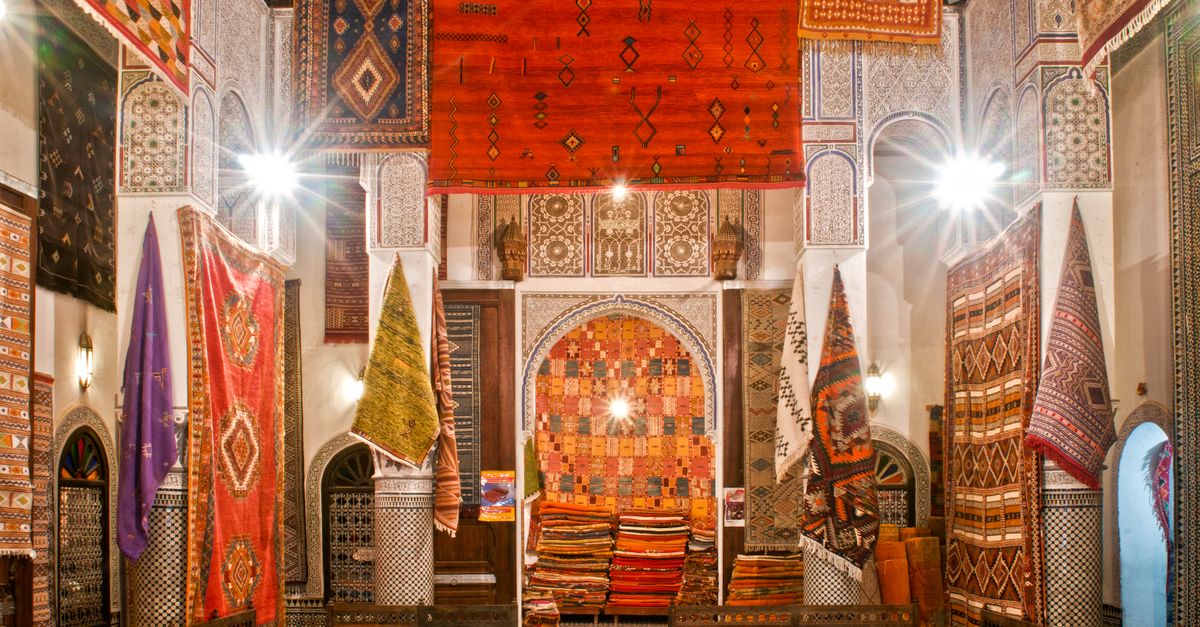
Commerce in Tetouan’s souks serves everyday local households. Prices for staples, bread, spices, and produce are fixed and standard. Bargaining is normal primarily for handmade artisan goods, leatherwork, and carpets. Keep negotiations friendly, respectful, and calm.
Tetouan’s Food Scene: Regional Specialties
Tetouan’s cuisine is celebrated across Morocco for its refined blend of Andalusian, Arab, and Mediterranean culinary traditions, featuring distinctive sweet-and-savory combinations.
Signature Dishes to Try
- Pastilla Tetouania: Unlike the pigeon or seafood pastillas of other regions, Tetouan's signature pastilla features tender shredded chicken cooked with eggs, butter, and fragrant spices, layered inside thin warqa pastry, topped with finely ground sweet almonds, cinnamon, and powdered sugar. It is traditionally served during celebrations and special family gatherings, as well as in traditional medina dining venues.
- Caliente (Kalinti): A beloved local street snack derived from Spanish influence (from Spanish caliente, meaning hot). Made from a simple batter of chickpea flour, water, oil, and eggs, baked in large round copper trays until golden with a soft interior. Served hot dusted with cumin and chili pepper, wrapped in paper. You will find neighborhood bakeries and mobile carts selling it late in the afternoon across the Ensanche and medina borders.
- Bissara: A smooth split fava bean soup seasoned heavily with garlic, olive oil, cumin, and paprika. Served steaming hot alongside fresh crusty bread, it is a staple winter breakfast or mid-morning meal at small neighborhood soup counters.
- Tagine de Poisson (Fresh Fish Tagine): Given Tetouan’s close proximity to the port of Martil, fresh daily catches like sea bass, red mullet, or swordfish are slow-cooked in earthenware dishes with chermoula marinade, tomatoes, bell peppers, and preserved lemon. Found across fish restaurants in both the city center and nearby coastal strip.
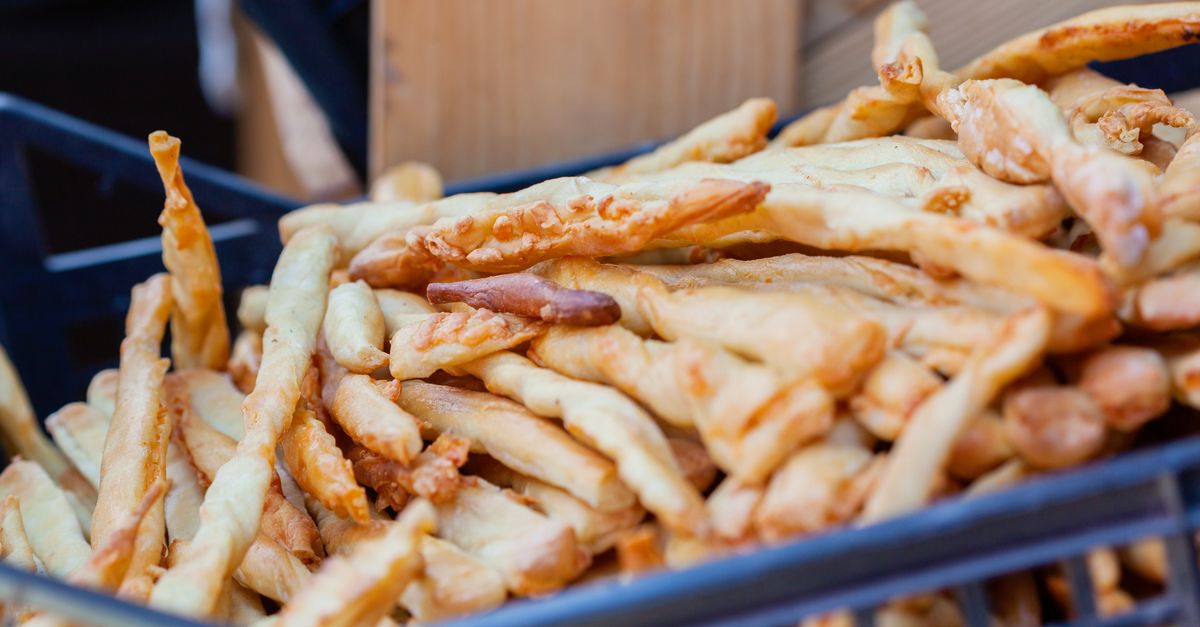
- Tetouani Pastries (Fekkas and Horns of Gazelle): Tetouan is famous for almond-based pastries flavored with orange blossom water. Local bakeries along Avenue Mohammed V offer exquisite boxes perfect for afternoon tea.
Practical Trip Planning
Best Time to Visit
Spring (April to June) and autumn (September to November) offer ideal temperatures for exploring the medina on foot, with mild weather and clear views of the Rif Mountains. Summer (July and August) brings warm temperatures and coastal holiday traffic to nearby beaches, while winter is cool with occasional rainfall.
Recommended Time Needed
Plan for at least 1 to 2 full days to cover Tetouan’s medina, museums, and Ensanche district without rushing. If using Tetouan as a base to explore coastal towns like Martil or nearby mountain trails, consider a 3-day itinerary.
Money and Payment Realities
- Cash Usage: Tetouan relies heavily on cash transactions in Moroccan Dirham (MAD). Taxis, street markets, local cafes, and medina shops do not accept credit cards.
- ATMs: Bank ATMs are widely available along Avenue Mohammed V and near Place Hassan II. Carry small denomination bills (10, 20, and 50 MAD) for taxis and minor purchases.
Safety and Local Advice
Tetouan is a peaceful and safe city for travelers. Unlike larger centers, persistent unsolicited guides are uncommon. If someone offers directions you do not need, a firm and polite "Non, merci" is sufficient. Stick to main lighted thoroughfares when walking back to your accommodation after dark.
