
Known affectionately across Morocco as Pichón Blanco (The White Dove), Tetouan sits dramatically in the Martil River valley against the green backdrop of the Rif Mountains. Unlike Marrakech or Fes, Tetouan offers an authentically preserved urban culture shaped directly by centuries of Hispano-Moorish history. After the fall of Granada in 1492, Andalusian refugees rebuilt and expanded the city, creating a distinct blend of Spanish colonial elegance and classical Moroccan artistry. Today, its UNESCO-listed medina remains one of the most complete and untouched historic city centers in North Africa.
Navigating Tetouan successfully requires an understanding of its unique cultural cadence, transport systems, and social customs. This comprehensive travel guide equips you with practical advice on getting around, medina etiquette, top historic sites, unique northern Moroccan gastronomy, and cultural traditions.

Navigating Tetouan: Arrival and Local Transport
Tetouan is compact and well-structured, divided clearly into three distinct eras: the medieval 15th-century Medina, the early 20th-century Spanish colonial district known as Ensanche, and modern suburban districts extending toward the Mediterranean coastline.
Arriving via Sania Ramel Airport (TTU)
Tetouan Sania Ramel Airport is located just 6 kilometers (3.7 miles) east of the city center. It handles select domestic connections and seasonal European regional flights.
- Grand Taxis: Yellow grand taxis line up directly outside the airport terminal exit. Standard fares to central Tetouan or Place Hassan II typically range between 50 MAD and 100 MAD depending on passenger count and luggage volume. Confirm the flat price prior to stepping into the vehicle.
- City Taxis: Small blue city taxis (Petit Taxis) are frequently seen near the airport perimeter road and offer meter-based trips into town for light travelers.
Getting Around the City
- Petit Taxis: Tetouan’s local city taxis are painted a distinctive bright yellow. By law, drivers must activate the digital meter (compteur). A typical ride between the Ensanche, central bus station, and medina gates costs between 7 MAD and 15 MAD. Keep small dirham coins or 10 MAD notes handy.
- Grand Taxis (Collective Taxis): Shared grand taxis operate fixed intercity and suburban routes from specific depots. Yellow taxis departing from the main station connect Tetouan directly to nearby coastal towns like Martil, Cabo Negro, and M'diq for modest per-seat fares.
- Walking: Tetouan is best explored on foot. The Ensanche district features pedestrianized avenues like Rue Mohamed V, and the entire Medina is completely car-free.
Essential Etiquette for Exploring Tetouan’s UNESCO Medina

Navigating the Seven Historic Gates
The city walls retain seven historic entry gates (babs), each giving access to dedicated artisan quarters and residential sectors. Prominent gates include Bab El Oqla in the east, Bab Tout in the west, and Bab Saida in the north. Using these landmarks helps you navigate through the labyrinthine streets without getting disoriented.
Medina Etiquette and Cultural Norms
- Dress Modestly: While Tetouan is comfortable and hospitable, loose-fitting clothing covering shoulders and knees is appropriate when walking through residential medina quarters and near religious sites.
- Respectful Photography: Always request permission before taking photos of market vendors, craftspeople, or residents. A polite request in Darija ("Mkin tsawwer?") or French ("Puis-je prendre une photo?") is appreciated. Avoid taking photos inside mosques or aiming lenses into private family doorways.
- Navigating Touts and Guides: Unofficial guides are far less prevalent in Tetouan than in larger tourist centers. If someone offers unprompted directions, a polite but firm "La, Shukran" (No, thank you) or "Non, merci" allows you to continue independently. Official licensed guides can be booked through the local tourist office or certified hotel front desks.
- Shopping and Haggling: Souks in Tetouan are partitioned into specialized guilds (tanners, woodworkers, leather crafters, and metal smiths). Haggling is normal for artisan crafts, carpets, and leather goods, but should remain lighthearted and friendly. Grocery markets, bakeries, and simple street stalls operate on fixed daily prices.
Top Cultural Landmarks and Historic Sites
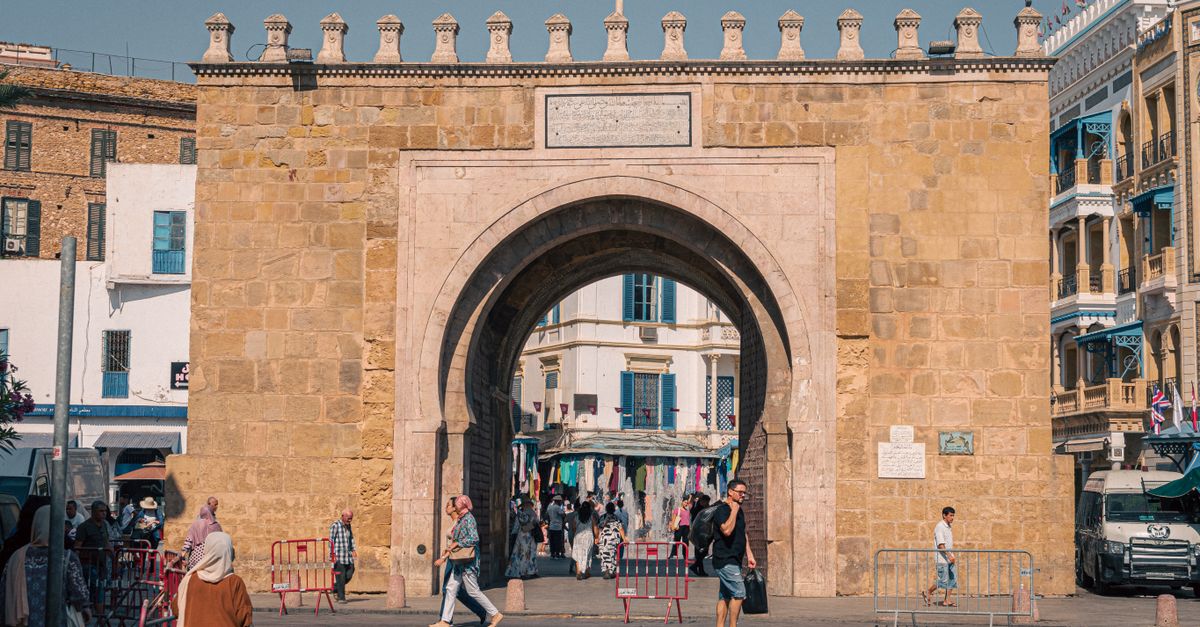
Medina of Tetouan (UNESCO World Heritage Site)
Why Visit: Exceptionally preserved medieval streetscapes, whitewashed houses with traditional Andalusian wrought-iron balconies, and authentic artisan guilds active in open workshops.
Best Time: Morning (9:00 AM – 12:00 PM) when workshops open, or late afternoon.
Visit Duration: 3 to 4 hours.
Access: Pedestrian entry through Bab El Oqla, Bab Remouz, or Place Hassan II.
Family Suitability: Excellent, though strollers are impractical due to narrow cobblestone stairs; baby carriers are recommended.
Practical Cautions: Watch for donkey carts in narrow lanes and yield space along the walls.
Place Hassan II and Royal Palace Exterior
Why Visit: The central connecting plaza linking the medieval medina to the Spanish Ensanche district, flanked by high defensive walls and majestic palace gates.
Best Time: Late afternoon when local families gather to stroll and socialize.
Visit Duration: 30 to 45 minutes.
Practical Cautions: Photography directly targeting armed guards stationed outside royal entrances is strictly prohibited.
Ethnographic Museum (Musée Ethnographique Bab El Oqla)
Why Visit: Housed within the historic fortress walls near Bab El Oqla, this museum showcases regional northern Moroccan wedding attires, musical instruments, traditional zellige tilemaking techniques, and historic wood carvings.
Best Time: Midday to escape afternoon heat.
Visit Duration: 1 to 2 hours.
Nearby Places: Artisan School (Ecole des Métiers d'Art) directly opposite the entrance.
Tetouan Culinary Guide: Local Flavors and Spanish-Moorish Cuisine
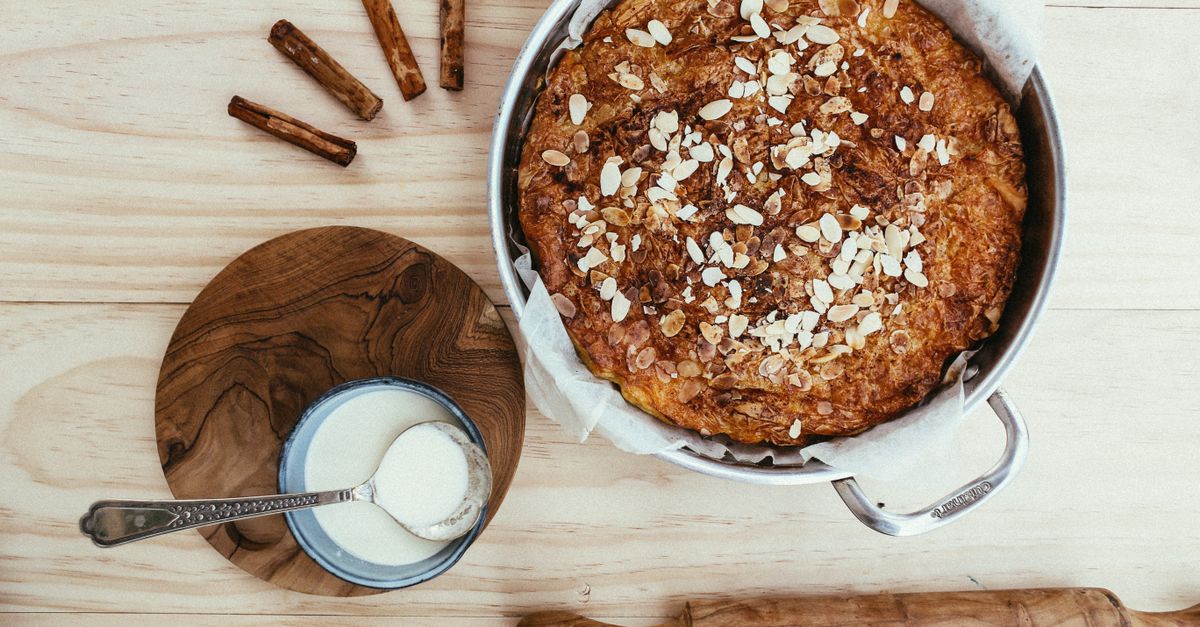
Tetouani cuisine represents a culinary crossroad where Andalusian, Ottoman, Berber, and Spanish flavors converge in delicate, highly refined dishes.
1. Pastilla Tetouania (Sweet and Savory Chicken Pastilla)
- Ingredients: Shredded cooked chicken seasoned with saffron, cinnamon, nutmeg, and onions, wrapped in paper-thin warqa pastry sheets, baked until golden, and dusted with icing sugar and cinnamon.
- Regional Connection: Unlike the pigeon or seafood pastillas of Fes, Tetouan's classic version balances savory poultry and sweet spice layers according to traditional royal Andalusian recipes.
- When Eaten: Major festive gatherings, weddings, Friday family meals, and celebratory lunches.
- Where to Find: Traditional Moroccan restaurants in the Ensanche and specialized medina dining houses.
2. Sayaddia and Fresh Mediterranean Seafood
- Ingredients: Catch of the day (sea bass, red mullet, or swordfish) charcoal-grilled or cooked in a rich tomato, garlic, paprika, and cumin tagine sauce.
- Regional Connection: Reflects Tetouan's close historical tie to the Mediterranean fishing ports of Martil and M'diq.
- When Eaten: Midday lunch meal.
- Where to Find: Neighborhood seafood restaurants situated around Rue Mohamed V and coastal fish eateries along the Martil promenade.
3. Tetouani Pastries (Kaak and Dulces Tradicionales)
- Ingredients: Almond paste, orange blossom water, sesame seeds, and aniseed baked into ring-shaped cookies (Kaak d'Tetouan) or delicate marzipan sweets.
- Regional Connection: Direct heritage of Andalusian pastry-making traditions refined across generations in neighborhood ovens.
- When Eaten: Mid-afternoon tea (Atay) and religious holiday celebrations.
- Where to Find: Traditional bakeries near Bab Tout and historic patisseries in the Spanish Quarter.
Experiencing the Andalusian Soul of the White Dove

Music, Architecture, and Language
The living heritage of Tetouan is visible in everyday details across the urban landscape:
- Andalusian Classical Music: Tetouan is a primary sanctuary for classical Al-Aala (Andalusian-Moroccan) music. Intricate melodies played on violins, lutes, and hand drums are featured during cultural festivals, evening hotel performances, and private celebrations.
- Hispano-Moorish Architecture: Notice the distinct architectural transition when walking across Place Hassan II. The medina features whitewashed interior courtyards (riads) with central fountains and green zellige tiles, while the Spanish Ensanche showcases early 20th-century Neo-Arabic and Art Deco facades painted in pristine white and dark green.
- Linguistic Tapestry: Northern Darija spoken in Tetouan contains a high proportion of modern Spanish loanwords. Spanish remains widely understood and spoken alongside French, particularly by shopkeepers, taxi drivers, and elder residents.
Practical Trip Planning Summary
- Best Time to Visit: Spring (April to June) and Autumn (September to November) offer sunny days and comfortable walking temperatures (18°C to 25°C). Summers are warm and popular with regional beachgoers heading to nearby Mediterranean resorts.
- Recommended Length of Stay: 2 to 3 full days allows ample time to tour the Medina, explore the Ensanche, visit local museums, and take a quick coastal excursion to Martil or Cabo Negro.
- Currency and Cash: The Moroccan Dirham (MAD) is used for all transactions. While modern supermarkets and hotels accept major international credit cards, cash is necessary for market vendors, petit taxis, and small cafes. ATMs are abundant in the Ensanche area.
- Safety: Tetouan is safe and relaxed. Standard awareness is recommended in crowded souks—keep personal items secure and avoid unlit alleyways late at night.
