
In Morocco, the slow simmer of spices, smoldering embers, and braised ingredients defines the rhythm of daily culinary life. The clay tagine pot is far more than an ornamental serving piece; it is an ingenious culinary invention designed to convert humble ingredients into tender, deeply aromatic feasts using minimal water. From the labyrinthine alleyways of historic medinas like Marrakech and Fes to quiet village kitchens in the High Atlas, tagines bubble steadily over small terracotta braziers known as kanoun.
Understanding tagine requires looking at its historic roots and practical mechanics. It demands exploring the vibrant spice stalls of local souks, learning how unglazed earth infuses flavor, and appreciating the social warmth of communal dining. Whether savoring a melt-in-your-mouth lamb tagine with prunes, a zesty chicken dish infused with preserved lemon and olives, or a rustic vegetable vessel cooked over live coals, this guide explores the heritage, ingredients, venues, and etiquette of Morocco's iconic culinary craft.

The Clay Tagine: Vessel, Technique, and Philosophy
The word tagine refers simultaneously to two distinct things: the iconic conical earthenware pot and the slow-cooked stew prepared inside it. Originating among the indigenous North African Amazigh (Berber) populations, the conical vessel was engineered for arid environments where water was a precious resource. The thick base distributes heat evenly, while the high, cone-shaped lid causes steam to condense and drip constantly back down onto the cooking ingredients, self-basting the food in its own concentrated juices.
Unglazed vs. Glazed Clay
Local home cooks and seasoned chefs generally prefer unglazed earthenware for daily cooking. Raw clay absorbs seasoned fats and subtle woodsmoke over time, imparting an earthy depth to the dish. Decorative, glazed, or painted tagines sold widely in tourist markets are often designed purely for serving or home décor; unglazed pots, once seasoned thoroughly with oil and water, are the heavy-duty workhorses of the traditional Moroccan kitchen.
The Art of Slow Charcoal Cooking
While modern urban apartments increasingly rely on gas burners fitted with metal heat diffusers, authentic tagines are traditionally cooked over low charcoal embers on a clay brazier. Slow simmer times—often stretching from two to four hours—allow tough cuts of meat to tenderize naturally while absorbing layers of ground spices, whole garlic cloves, and fresh herbs.
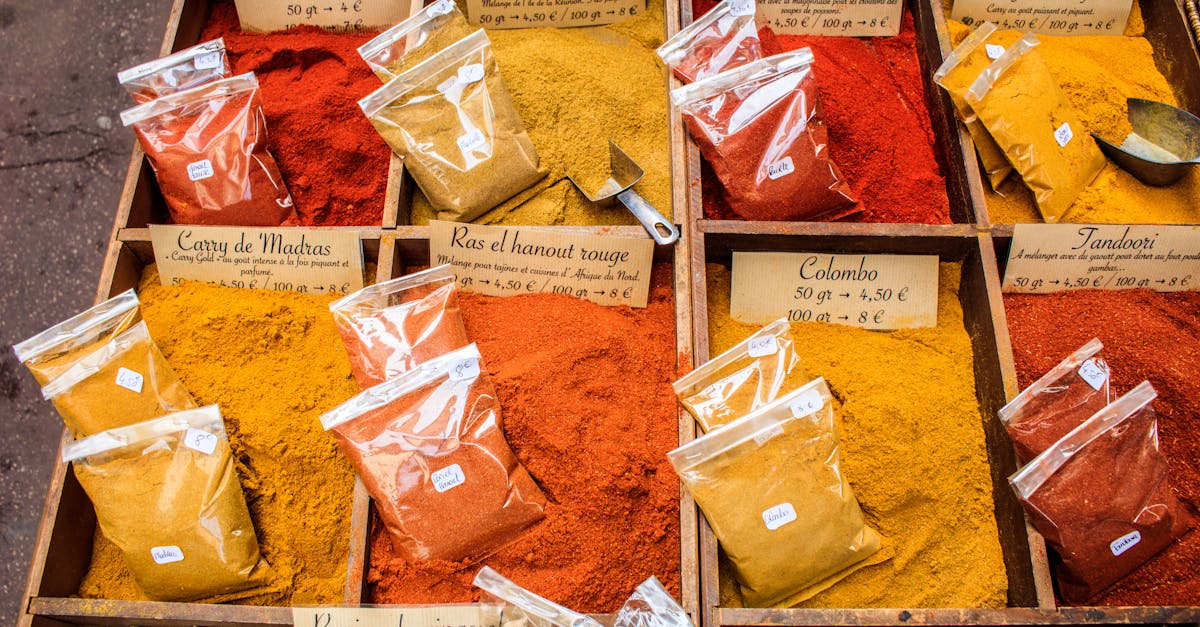
Essential Spices of the Moroccan Table
Moroccan cuisine achieves its signature complexity not through intense fiery chili heat, but through balanced, layered aromatic spice blends. Morocco's positioning at historic trade crossroads brought together produce from coastal valleys, desert oases, and mountain routes.
- Cumin (Kammoun): Essential in Moroccan cookery, freshly ground cumin provides an earthy, warm foundation for meats and braised vegetables.
- Saffron (Za'afran): Harvested in regions like Taliouine, pure saffron threads are dissolved in warm water to impart a subtle floral note and rich golden color to delicate tagines.
- Turmeric & Ginger: A fundamental pairing for poultry and fish dishes, providing digestive warmth, vibrant color, and light pepperiness.
- Ras el Hanout: Translating to "head of the shop," this master blend varies by spice artisan (attar) and can contain anywhere from 10 to over 30 individual spices, including cardamom, nutmeg, mace, cinnamon, and dried rosebuds.
- Preserved Lemons & Olives: Lemons cured in salt and juice lend a bright, tangy counterpoint that cuts through the richness of slow-cooked meats.

Classic Tagine Varieties Across Regions
While regional variations exist across Morocco, several core recipes represent the classic repertoire found throughout the country.
1. Lamb or Beef with Prunes and Almonds
A flagship dish of Moroccan hospitality, frequently served at celebrations and family gatherings. Meat is braised with saffron, ginger, cinnamon, and onions until tender, then topped with sweet prunes simmered in honey and orange blossom water, garnished with fried almonds and toasted sesame seeds.
2. Chicken with Preserved Lemon and Olives
The everyday benchmark of traditional home cooking. Chicken is marinated in a chermoula mixture of cilantro, parsley, garlic, cumin, and lemon juice, then gently stewed with cracked red or green olives and strips of preserved lemon peel.
3. Kefta Tagine (Spiced Meatballs with Eggs)
Ground beef or lamb seasoned with cumin, paprika, onion, and herbs is shaped into small meatballs and cooked in a reduced tomato and garlic sauce. Right before serving, eggs are cracked directly into the bubbling vessel to poach in the residual steam.
4. Berber Vegetable Tagine
Originating from mountain communities, this vegetarian staple features a conical arrangement of seasonal produce—potatoes, carrots, zucchini, tomatoes, and peas—seasoned with olive oil, cumin, paprika, and garlic over sweet sliced onions.
5. Tangia Marrakchia (A Related Specialty)
While distinct from a conical tagine, no study of slow-cooked Moroccan earthenware is complete without Tangia. Specific to Marrakech, this dish consists of cuts of beef or lamb seasoned with cumin, saffron, preserved lemon, garlic, and smen (aged butter), sealed inside an amphora-shaped clay pot. The vessel is brought to a neighborhood wood-fired oven (ferran), where it sits in warm ash for hours until tender.

Navigating Markets and Culinary Landmarks
To understand tagine craftsmanship, visiting historic markets and culinary quarters offers valuable insight into ingredient sourcing and traditional preparation methods.
Rahba Kedima (Marrakech)
Located in the heart of the Marrakech medina, this historic spice square is lined with spice merchants and traditional apothecaries. Bins of ground spices, herbs, and cosmetic clays line the stalls. Visitors can observe spice merchants blending custom powders or source local Taliouine saffron by weight.
Neighborhood Ferrans
Across traditional Moroccan medinas, small communal bakeries (ferrans) sit tucked into residential quarters. Historically, families brought their home-assembled tagines, tangias, and trays of flatbread (khobz) to be cooked in the residual heat of the neighborhood wood furnace, a tradition that still endures in many districts.
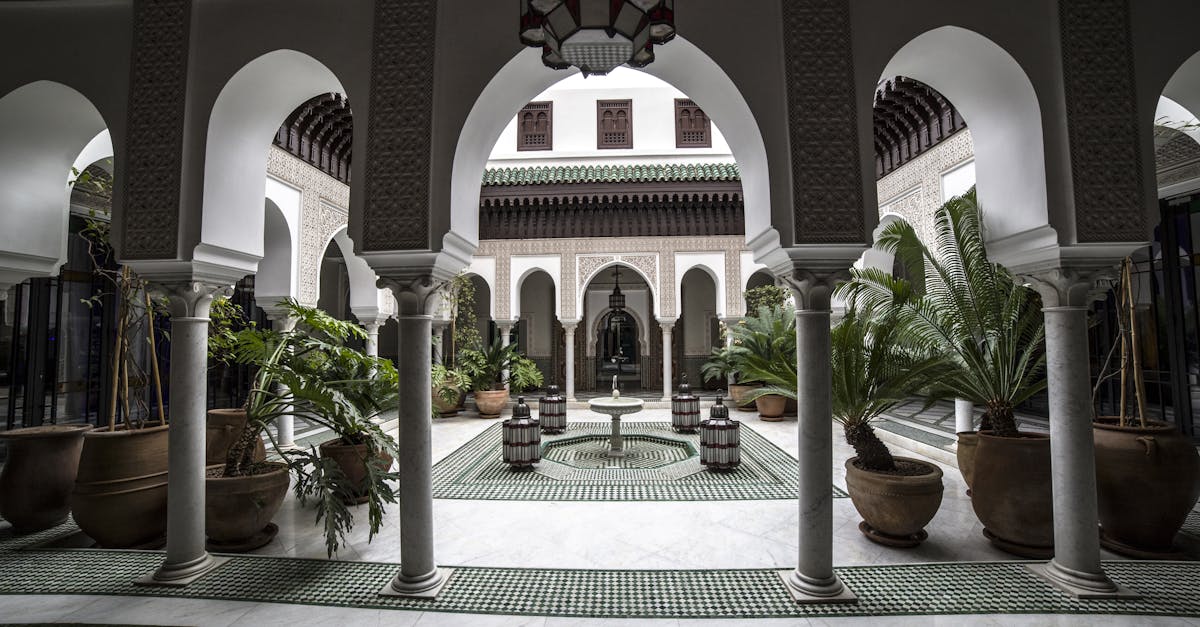
Hands-On Culinary Experiences and Cooking Classes
Taking a practical cooking class is one of the most effective ways to understand tagine preparation. Established workshops guide participants through ingredient selection, spice balancing, and heat regulation.
What to Expect from a Culinary Workshop
- Market Sourcing: Walking through medina market stalls to select fresh produce, herbs, and spices under local guidance.
- Spice Layering: Learning how to layer whole and ground spices rather than relying on standardized commercial mixtures.
- Bread Preparation: Kneading traditional round flatbread (khobz), which serves as both staple food and primary utensil.
- Communal Meal: Enjoying the finished dish in a quiet courtyard setting paired with traditional mint tea.
Established culinary venues, such as La Maison Arabe Culinary Workshops in Marrakech or independent cooking schools in Fes and Rabat, offer practical sessions. Cooking workshops typically run 3 to 5 hours and cost between 350 MAD and 700 MAD ($35–$70 USD) per person depending on group size and menu.
Cultural Etiquette and Practical Dining Advice
Dining around a shared tagine follows established cultural customs. Keeping these social practices in mind ensures a respectful dining experience:
- Eat with the Right Hand: When eating from a shared communal vessel, diners traditionally use their right hand, using bread to gather food.
- Bread as a Utensil: Pieces of round flatbread (khobz) are used to scoop up sauces, vegetables, and meat, acting as a natural utensil.
- Respect Your Portion: Diners generally eat from the section of the dish directly facing them. Reaching across the pot to select specific pieces of meat is considered poor form; hosts often offer choice pieces to guests during the meal.
- Understanding Preparation Time: Authentic tagines require slow simmering. Dishes served almost immediately in high-turnover tourist spots may be pre-boiled and assembled in the pot. Slow-cooked tagines at dedicated local venues are either prepared continuously throughout the day or ordered in advance.
Practical Travel Planning
Best Time to Visit
Spring (March to May) and Autumn (September to November) provide comfortable weather for exploring urban medinas and countryside regions, with daytime temperatures generally ranging from 20°C to 28°C (68°F–82°F). Midsummer months (July and August) can see temperatures exceed 40°C (104°F) in inland cities.
Transport and Mobility
Historic medinas are pedestrian zones best explored on foot. Wear comfortable footwear suitable for stone paving. For travel outside historic centers to modern districts, local metered taxis (Petit Taxis) are standard; confirm the meter is active upon starting the trip.
Currency and Transactions
Cash in Moroccan Dirham (MAD) is required for market stalls, neighborhood bakeries, and small eateries. Cards are widely accepted at established restaurants, hotels, and organized workshops. Carrying smaller banknotes and coins is helpful for daily purchases and gratuities.
