
Deep within Fes el-Bali, the world’s largest car-free urban area, scent serves as your primary compass. Amidst the aroma of cedar wood and freshly tanned leather floats a rich, slow-simmered bouquet: sweet cinnamon, pungent ginger, earthy saffron, and tender meat breaking down inside a conical clay vessel. This is the tagine of Fez—a dish that transcends basic sustenance to become a living archive of Morocco’s imperial history.
While tagine is enjoyed across all regions of Morocco, the ancient city of Fez refined it into an aristocratic culinary art. Shaped by centuries of royal dynasties, Andalusian heritage, Saharan spice trade, and Arab-Berber traditions, Fassi tagines stand out for their complex pairing of sweet and savory notes, meticulous spice layering, and unhurried preparation. To understand tagine in Fez is to understand the very heart of Moroccan haute cuisine.

The Soul of Fassi Cuisine: Sweet, Savory, and Royal Influence
The culinary philosophy of Fez was forged during its eras as Morocco’s capital under historic dynasties such as the Marinids and Saadians. Royal court kitchens catered to sultans with lavish feasts, developing complex flavor profiles that remain distinct from the vegetable-forward tagines of the Atlas Mountains or the seafood dishes of coastal Essaouira.
Fes el-Bali became an epicenter for intricate techniques of marinating meats and layering sweet ingredients with savory cuts. The signature characteristic of Fassi tagines is the harmonious pairing of slow-cooked meat (typically lamb, mutton, or beef) with dried fruits, honey, toasted nuts, and aromatic spices like cinnamon and saffron. This delicate balance reflects the medieval Andalusian heritage brought by Moorish refugees who settled in the city starting in the 9th century.
Essential Fez Tagines You Must Try
When dining in Fez, travelers will encounter several distinct variations that showcase the city’s mastery of the earthenware vessel. Understanding what makes each dish unique ensures you order with intent rather than at random.
1. Tagine Lham bel Barkook (Lamb with Prunes and Almonds)
Name & Context: The iconic royal banquet dish of Fez.
Typical Ingredients: Tender lamb shoulder or shank, dried prunes, honey, cinnamon, saffron, sesame seeds, and fried whole almonds.
Flavor Profile: Savory meat infused with ginger and saffron, paired with deeply caramelized, sweet prunes.
Where & When: Traditionally served during weddings, religious celebrations (such as Eid), and formal family gatherings. Visitors can find high-grade versions at traditional riad restaurants throughout the medina.
2. Tagine Djaj bel M'chermel (Chicken with Preserved Lemon and Olives)
Name & Context: A staple found in every Fassi household.
Typical Ingredients: Free-range chicken (*djaj beldi*), salt-preserved lemons, cracked green olives, garlic, fresh coriander, ginger, and cumin.
Flavor Profile: Bright, tangy, salty, and herbal, balanced by rich olive oil.
Where & When: Eaten for everyday lunches and family dinners. Accessible at both humble street eateries near Bab Bou Jeloud and fine-dining riads.
3. Tagine bel Sferjel (Beef or Mutton with Quince)
Name & Context: A seasonal specialty celebrated during autumn.
Typical Ingredients: Mutton or beef, fresh quince poached in sugar and cinnamon, saffron, and ras el hanout.
Flavor Profile: Tartly sweet with a firm fruit texture contrasting the melt-in-your-mouth stewed meat.
Where & When: Seasonal (autumn to early winter). Look for daily specials at medina lunch counters when fresh quinces arrive in the markets.

Where to Taste Authentic Tagine in Fez
To experience authentic Fassi tagines, one must look beyond high-volume tourist cafes near main thoroughfares and explore both local residential spots and refined heritage riads.
Local Medina Eateries around Souk el-Attarine
Why Visit: For unpretentious, home-style tagines cooked over traditional charcoal braziers. These small spots serve working locals and shopkeepers.
Best Time: Lunchtime (12:30 PM – 2:30 PM), when tagines prepared early in the morning are at peak tenderness.
Duration: 45 minutes to 1 hour.
Getting There: Walk east down Talaa Kebira toward Souk el-Attarine; look for small dining stalls with earthenware pots displayed out front.
Practical Details: Prices range from approximately 40 to 70 MAD. Payment is strictly cash (MAD). Seating is basic.
Caution: Confirm prices beforehand if menus are not clearly posted.
Restored Riad Restaurants in Fes el-Bali
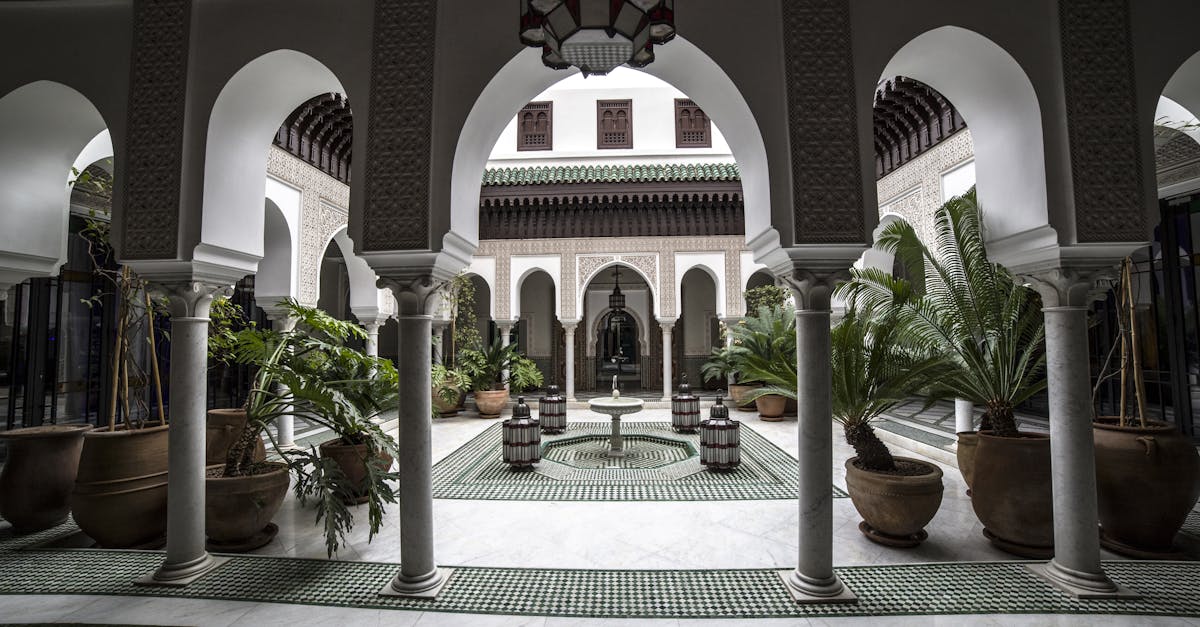
Why Visit: Riad dining offers authentic multi-course Fassi banquets in serene courtyard settings featuring intricate *zellij* tilework.
Best Time: Dinner (7:30 PM – 10:00 PM), usually requiring advance reservation.
Duration: 2 to 3 hours.
Getting There: Most riads require walking through quiet medina alleyways; arrange an escort through your lodging if visiting at night.
Practical Details: Set menus range from 250 to 500 MAD per person, including cooked Moroccan salads, tagine, pastilla, and mint tea.
Family Suitability: Ideal for families seeking a relaxed, quiet atmosphere away from busy alleyways.
Culture and Etiquette: Dining Like a Fassi
Tagine is more than just a meal in Fez; it is a shared social ritual governed by hospitality and respect.
The Role of Bread (*Khobz*)
In traditional Moroccan dining, tagine is eaten without forks or knives. Round, crusty flatbread called *khobz* serves as your eating utensil. Break off a small, bite-sized piece using your right hand, shape it into a small pocket with your thumb and fingers, and use it to pinch meat, vegetables, and sauce together.
Communal Rules and Mindful Etiquette
- Right Hand Only: Always eat, pass dishes, and handle food using your right hand. The left hand is traditionally reserved for personal hygiene.
- Respect the Triangle: When eating from a shared central tagine, stick to the wedge-shaped section of the dish directly in front of you. Reaching across to someone else's section is considered poor manners.
- The Host’s Courtesy: Host family members or servers will often nudge prime cuts of meat or select dried fruits toward guests as a gesture of generosity. Accept gracefully.
- Tipping: At casual street spots, leaving 5–10 MAD is customary. In high-end riads or upscale restaurants, a 10% tip is appreciated for good service.

Practical Trip Planning for Fez
Best Season to Visit
Spring (March to May) and Autumn (September to November) offer pleasant temperatures ideal for exploring the steep, narrow alleyways of Fes el-Bali. Summer temperatures often exceed 40°C (104°F), making heavy meat tagines less appealing during mid-day hours.
Getting Around
Fes el-Bali is completely pedestrianized. Be prepared to walk over cobblestones and stairs. Comfortable footwear is essential. Petit Taxis (red cabs) are plentiful outside the medina gates (such as Bab Bou Jeloud or Bab RCif) for travel to the modern city (*Ville Nouvelle*); ensure drivers activate the meter (*compteur*).
Money and Payment Realities
Moroccan Dirham (MAD) is cash-dominant inside the medina. Small street cafes, food stalls, and local artisans rarely accept credit cards. Keep small-denomination banknotes (10, 20, 50 MAD) handy. ATMs are available outside major gates and near central squares like Place R'cif.
Safety and Practical Cautions
While Fez is generally safe, navigating the medina can be disorienting. Unsolicited guide offers near tourist hubs like Bab Bou Jeloud should be politely declined with a clear "Non, merci." Use digital mapping apps or official licensed guides booked through the tourist office or your riad.

