
The Moroccan Welcome: How Mint Tea, Sweets, and Conversation Turn a Visit into a Tradition
Step through the heavy cedar door of a riad in Fes or pause inside a carpet shop in the Marrakech medina, and within minutes you will be offered a steaming glass of amber liquid crowned with white foam. This is atay—Moroccan mint tea—often affectionately dubbed "Moroccan whiskey." In the Kingdom of Morocco, tea is far more than a refreshing beverage; it is an institution, a social contract, and the ultimate symbol of warm hospitality (diyafa). To receive a glass of tea is to be embraced into a home, a business, or a community.
Understanding the ritual of tea, the pastries that accompany it, and the unwritten social etiquette surrounding conversation opens a doorway into authentic Moroccan life. For travelers, navigating this tradition with grace transforms routine sightseeing into memorable personal connections. Here is an in-depth guide to the history, craft, flavor, and cultural nuances of the Moroccan welcome.

The History and Ritual of Moroccan Atay
Despite its deep integration into daily life, tea is a relatively recent addition to Moroccan heritage. Gunpowder green tea from China was introduced to North African ports primarily during the 18th and 19th centuries, largely through British traders looking for new markets. Moroccans adapted this imported ingredient by boiling it with abundant fresh spearmint leaves (na'na') and large blocks of sugar, creating a distinctively rich, sweet, and aromatic infusion that suited local tastes and dietary customs.
The Science and Skill Behind the Pour
Preparing atay is traditionally an art form overseen by the head of the household or a designated host. The process involves a specific, step-by-step methodology:
- The Wash: Gunpowder green tea pellets are steeped briefly in boiling water inside a metal teapot (berrad) and swirled around to clean the leaves before the liquid is discarded, removing bitterness.
- The Infusion: Fresh spearmint sprigs and generous chunks of hard cone sugar (qalb soukar) or granulated sugar are added directly into the teapot along with fresh boiling water. In winter, additional herbs such as absinthe leaf (sheeba), lemon verbena (luisa), or wild thyme may replace or supplement the mint.
- The Aeration: The tea is brought to a gentle boil on a stove or hot coals to combine the sugar and release the essential oils of the mint. It is then poured into a glass and tipped back into the pot multiple times to mix the flavors thoroughly without stirring with a spoon.
- The High Pour: When serving, the host lifts the silver-plated teapot high above the table, streaming the tea into small patterned glasses. This elevated pour serves three practical purposes: it creates a delicate layer of froth at the surface (known as the "crown"), aerates the tea to enhance its aroma, and cools the hot liquid slightly before it hits the glass.

Pastries and Sweets: The Companions of Atay
A glass of tea in Morocco rarely arrives alone. Whether you are visiting a family home for afternoon tea (casse-croûte) or attending a celebration, a platter of intricate pastries accompanies the service. Moroccan baking relies heavily on almond paste, orange blossom water, cinnamon, sesame seeds, honey, and clarified butter (smen).
Essential Moroccan Sweets to Try
- Kaab el Ghazal (Gazelle Horns): Crescent-shaped pastries stuffed with a smooth paste of blanched almonds, sugar, cinnamon, and orange blossom water, wrapped in a paper-thin pastry shell and baked until pale gold.
- Chebakia: A staple during Ramadan and festive occasions, this flower-shaped pastry is made of spiced sesame dough, deep-fried, dipped in hot honey, and sprinkled with toasted sesame seeds.
- Ghriba (Ghoriba): Cracked, round shortbread cookies made with semolina, almonds, or toasted sesame. They have a delicate texture that crumbles comfortably on the palate.
- Sellou (Sfouf): A dense, unbaked treat made from toasted flour, ground fried almonds, unhulled sesame seeds, honey, butter, and aromatic spices like anise and cinnamon.
- Briouats Sucrees: Triangular crispy filo pastry parcels filled with sweetened almond paste, fried to a deep golden color, and soaked in orange-blossom-infused honey.

Cultural Etiquette: How to Be a Grateful Guest
Participating in a Moroccan tea ceremony comes with simple yet meaningful cultural expectations. Knowing how to accept, drink, and interact during tea service shows respect for your host's generosity.
Key Rules of Moroccan Hospitality Etiquette
- Never Refuse the First Glass: Refusing an offer of tea when entering a home or local shop can be interpreted as a rejection of friendship or goodwill. Even if you only take small sips, accept the glass graciously.
- The Rule of Three: A common Maghrebi proverb states: "The first glass is as gentle as life, the second is as strong as love, the third is as bitter as death." It is customary to enjoy two or three glasses during a social visit.
- Handling Hot Glasses: Moroccan tea is served in handleless glass tumblers. Hold the glass by the very top rim and the very bottom base with your fingers to avoid burning your hands.
- Shoes and Seating: When invited into a private home or the formal salon of a riad, check whether your host removes their shoes at the doorway. Take off your footwear if others have done so, and sit comfortably on the padded banquettes (seddari).
- Mind Your Hands: If shared platters of food or pastries are offered without utensils, use your right hand to take food. The left hand is traditionally reserved for personal hygiene in regional culture.
Where to Experience Authentic Hospitality Across Morocco
While tea is served everywhere from roadside cafes to high-end hotels, distinct experiences highlight the regional nuances of Moroccan welcome culture.
1. Family-Run Riads in the Fes Medina
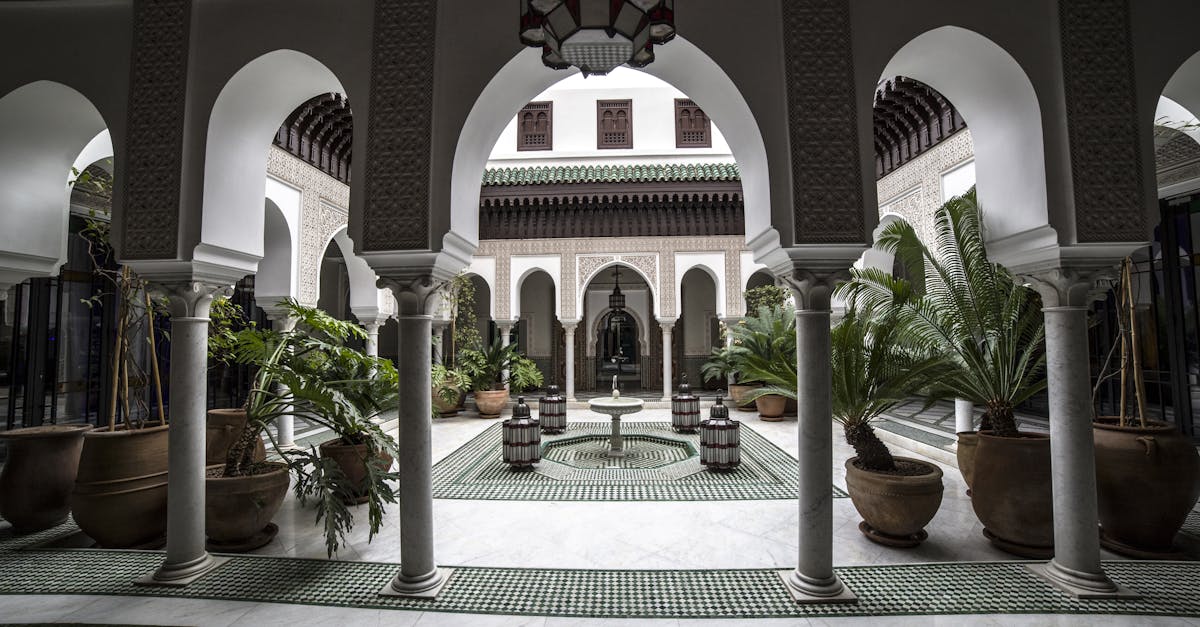
Why Visit: The historic medina of Fes (Fes el-Bali) is renowned for maintaining classic aristocratic Moroccan culinary traditions. Staying in a restored family-run riad often includes an informal tea ceremony upon arrival with home-baked pastries.
Best Time: Late afternoon during the quiet hours between sightseeing excursions.
Duration: 45 minutes to 1 hour.
How to Get There: Medina riads are accessible on foot from major gates such as Bab Bou Jeloud. Luggage porters with handcarts can assist with bags.
Price / Budget: Included in most riad stays or available for 30–60 MAD at traditional teahouses.
2. Saharan Desert Camps in Merzouga or Erg Chigaga
Why Visit: Desert tea service among Amazigh (Berber) hosts offers a distinct variation of the ritual. Saharan tea is often brewed stronger, boiled multiple times over open embers, and poured repeatedly from high above to create thick foam that keeps sand out of the liquid.
Best Time: Sunset around the campfire.
Duration: 1 to 2 hours of music, storytelling, and tea.
How to Get There: Via 4x4 transport or camel trek organized from Merzouga or M'Hamid El Ghizlane.
Price / Budget: Standard feature of overnight desert camp packages (varying from 500 to 2,500 MAD depending on comfort level).
3. The Artisanal Souks of Marrakech and Essaouira
Why Visit: Shop owners in the souks frequently offer tea to prospective buyers. This is not strictly a sales tactic; it is an ingrained social custom designed to build rapport and transform a commercial transaction into a human conversation.
Practical Caution: You are under no strict obligation to buy expensive goods simply because you accepted a glass of tea. Enjoy the conversation, state your price budget honestly, or thank the shopkeeper warmly if you decide not to purchase.

Local Food Guide: Sweet & Savory Flavors of Welcome
In addition to afternoon tea and sweets, Moroccan hospitality extends to full meals. Here are key dishes associated with welcoming guests and communal dining.
1. Couscous (Kseksou)
- Typical Ingredients: Hand-rolled durum wheat semolina steamed three times over a rich broth of lamb, beef, or chicken, cooked with seven traditional vegetables (carrots, zucchini, pumpkin, turnips, cabbage, chickpeas, and onions).
- Regional Connection: A national staple across Morocco, particularly symbolic of Friday family gatherings following mid-day prayers.
- When Eaten: Traditionally on Fridays, or for special family celebrations and hosting guests.
- Where to Find It: Traditional family homes, neighborhood restaurants, and specialized local eateries. Note that authentic venues usually serve fresh couscous exclusively on Fridays.
2. Tajine de Poulet aux Citrons Confits et Olives
- Typical Ingredients: Tender chicken braised slowly in a conical clay pot with preserved lemons, green olives, ginger, saffron, garlic, and fresh coriander.
- Regional Connection: Ubiquitous throughout Central and Northern Morocco.
- When Eaten: Lunch or dinner when receiving guests or celebrating family gatherings.
- Where to Find It: Medina restaurants, traditional guest houses, and local roadside eateries (gargotes).
3. Msemmen and Baghrir
- Typical Ingredients: Msemmen are square, laminated flatbreads cooked on a hot griddle; baghrir are spongy semolina pancakes filled with tiny air holes (often called thousand-hole pancakes). Both are served warm dipped in melted butter and honey.
- Regional Connection: Enjoyed nationally as essential components of hospitality spreads.
- When Eaten: Breakfast or late afternoon tea (casse-croûte).
- Where to Find It: Neighborhood bakeries, street food stalls, market stalls, and hotel breakfast tables.
Practical Trip Planning for Travelers
Best Season to Visit
Spring (March to May) and Autumn (September to November) offer optimal temperatures for exploring Moroccan medinas, sipping tea outdoors, and trekking through the Atlas Mountains. Summer temperatures in inland cities like Marrakech and Fes frequently exceed 40°C (104°F), making coastal towns like Essaouira or Taghazout preferable during July and August.
Transport Realities
- Train (ONCF): Excellent high-speed connections (Al Boraq) link Tanger, Rabat, Casablanca, and Kenitra. Standard intercity trains reliably connect Casablanca, Meknes, Fes, and Marrakech.
- Grand Taxis & Buses: Shared grand taxis and reputable long-distance bus companies (such as CTM and Supratours) serve towns without rail infrastructure, including Chefchaouen, Essaouira, and desert gateways.
- Medina Navigation: Car traffic is prohibited in major medinas. Prepare to walk extensively over uneven cobblestones. Wear sturdy, comfortable footwear.
Money, Cash, and Tipping
- Currency: Moroccan Dirham (MAD). Cash is king in markets, small cafes, taxis, and small guest houses. ATMs are widely available in cities.
- Tipping (Baksheesh): Tipping is deeply ingrained in daily life. Round up taxi fares, leave 5–10% at casual cafes or restaurants, and tip local guides, drivers, and luggage porters directly for helpful service.
Safety and Local Considerations
Morocco is generally a safe and welcoming destination for travelers. However, navigating busy souks requires basic street smarts:
- Politely ignore aggressive touts or unofficial guides offering unsolicited directions. A firm, polite "Non, merci" or "La, Shukran" (No, thank you in Arabic) works effectively.
- When taking photos of street performers, artisans, or private individuals, always ask permission first and offer a small tip when appropriate.
- Respect local religious customs. Non-Muslims are generally not permitted inside active mosques in Morocco, with the notable exception of the monumental Hassan II Mosque in Casablanca.
Conclusion
In Morocco, mint tea is much more than a hot drink designed to quench thirst in an arid climate. It is the rhythmic pulse of social interaction, a symbol of generosity, and an open invitation to slow down and converse. By accepting a glass with an open heart and understanding the heritage behind it, travelers move beyond the role of passive observers, taking part in an enduring tradition of world-class hospitality.
