
In the car-free labyrinth of Fez el-Bali, the traditional public bath, or hammam, remains a cornerstone of daily civic and spiritual life. Far more than a place for personal hygiene, the neighborhood hammam serves as a essential social hub, an architectural anchor in every quarter, and a living ritual tied directly to Islamic purification traditions before Friday prayers. For travelers, stepping into a local bathhouse offers an intimate, immersive window into Moroccan culture that upscale hotel spas simply cannot replicate.
Navigating a public bathhouse in the ancient medina requires an understanding of unwritten social rules, modesty standards, and practical logistics. This guide provides a detailed walkthrough of traditional bathing culture in Fez, explaining how neighborhood bathhouses operate, what supplies you need, step-by-step bathing rituals, and how to choose between a rustic community hammam and a restored boutique spa.
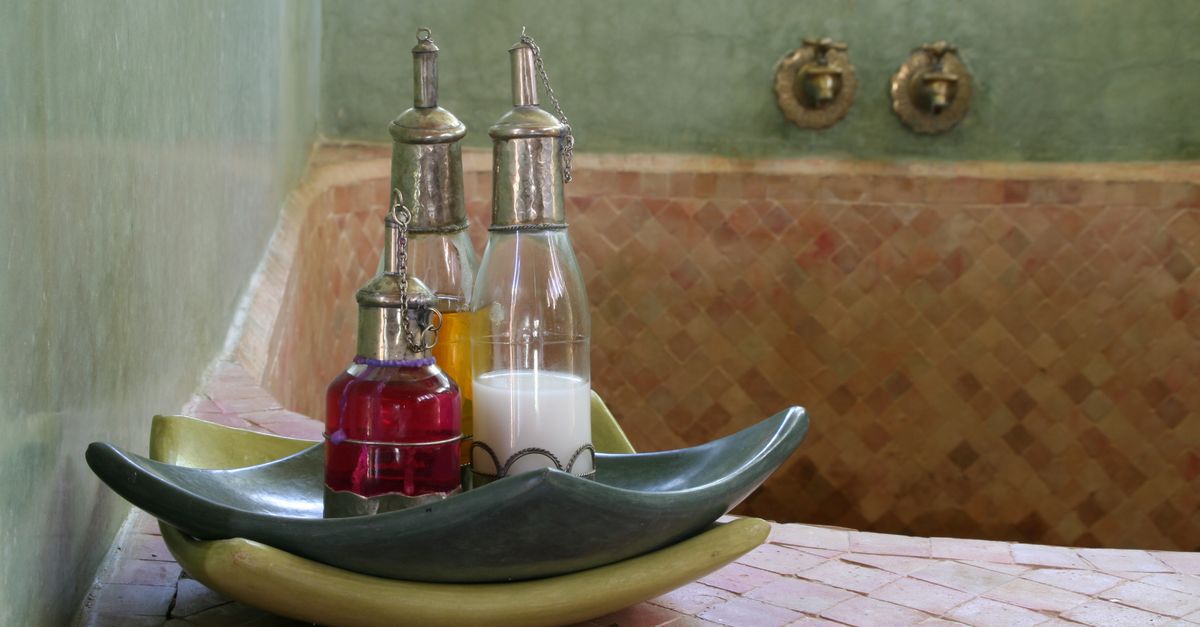
Understanding the Traditional Moroccan Hammam
Historically, private residential plumbing did not exist inside the medieval medina of Fez. Every neighborhood, or houma, was built around five essential civic structures: the mosque, the Quranic school (kuttab), the communal bread oven (farran), the water fountain (sebbat), and the neighborhood hammam. The bathhouse relied on an ingenious historic water delivery system driven by the Fez River (Oued Fes), using wood-fired furnaces (farnatchi) to heat subterranean water pipes and massive floor slabs.
The furnace operator often repurposed olive pits, sawdust, and wood scraps from nearby artisan workshops to stoke the fires. Even today, as modern plumbing spans the city, thousands of Fassi residents visit their local bathhouse weekly. It remains a deeply communal space where neighbors catch up on local news, mothers bring their children, and generations gather to relax and cleanse.
The Three Chambers: How a Medina Hammam Works
A classic neighborhood hammam consists of three interconnected, vaulted rooms designed with progressively increasing temperatures. The architecture uses heavy masonry and thick stone walls to lock in ambient steam and radiant heat from the floor pipes beneath.
- The Cold Room (El-Barrid): The entry hall and changing area. Here, you leave your street clothes, store your belongings, pay the entrance fee, and adjust to the moisture. It acts as a cooling-off lounge at the end of your bath.
- The Warm Room (El-Wastani): A transitional chamber with moderate heat. This space is commonly used for gentle washing, applying hair treatments, or resting between heat sessions.
- The Hot Room (El-Skhoun): The innermost, vapor-filled chamber featuring intense heat radiating directly from the floor and walls. Bathers sit on waterproof mats or the floor, filling buckets with hot and warm water from wall taps to open their pores before scrubbing.
Essential Hammam Gear: What to Bring
Neighborhood hammams are public utilities; they do not supply toiletries, towels, or slippers. To bathe like a local, gather these items beforehand from a medina market stall or local apothecary (attar):
- Savon Noir (Sabon Beldi): A dense, dark paste made from saponified olive oil and crushed black olives, rich in vitamin E. It softens dead skin cells for deep exfoliation.
- Kessa Glove: A coarse, textured scrubbing glove designed specifically for use after savon noir. Choose medium coarseness if you have sensitive skin.
- Ghassoul (or Rhassoul) Clay: Mineral-rich volcanic clay mined from Morocco's Atlas Mountains, mixed with water or rosewater to condition the hair and skin after scrubbing.
- Plastic Buckets and Scoop: Most local hammams provide plastic buckets (stels), but regulars bring their own small plastic scoop or bowl for pouring water controlledly.
- Plastic Flip-Flops: Essential for hygiene and traction on slick tile floors. Walking barefoot is strongly discouraged.
- A Sitting Mat or Small Plastic Stool: Sitting directly on heated stone floors can be uncomfortably warm; a small foam pad or low plastic stool keeps you comfortable.
- Two Towels & Fresh Underwear: Keep one small towel to dry off inside and a larger towel for the changing area, along with a clean change of undergarments.

Step-by-Step Guide to the Neighborhood Hammam Experience
Executing the full bathing ritual involves an established sequence that leaves skin deeply cleansed and rejuvenated. Follow these traditional steps during your visit:
1. Arrival and Preparation
Upon entering, pay the entry fee at the raised desk controlled by the manager (kiyyal or moul el-hammam). Undress in the changing section, keeping your underwear or swim bottoms on at all times. Secure your clothes in a locker or hand them wrapped in a towel to the attendant. Fill two plastic buckets at the hot and warm water faucets in the intermediate or hot room.
2. Soaking in the Steam
Move into the hot room (El-Skhoun). Sit on your foam mat and pour warm water over your entire body. Relax in the intense steam for 15 to 20 minutes. This allows skin pores to dilate completely and prepares outer dermal layers for exfoliation.
3. Applying Savon Noir
Smooth a generous layer of dark savon noir over wet skin from neck to ankles. Avoid getting soap in your eyes. Allow the paste to rest on your skin for 5 to 10 minutes inside the steamy room without rinsing immediately.
4. Rinsing and The Kessa Scrub
Thoroughly rinse off all traces of the black soap using warm water. Put on your kessa glove. Using long, firm, downward strokes over damp (not dripping wet) skin, rub vigorously. You will see dead skin peel away naturally in small gray rolls. If you hire a professional scrubber (a tayaba for women or a tayab for men), they will perform this intensive scrub for you.
5. Clay Conditioning and Final Wash
After rinsing off the exfoliated skin, apply blended ghassoul clay to your body and hair. Wash your hair with standard shampoo and finish with a thorough rinse of cool or warm water. Return to the changing area, wrap yourself in a dry towel, and rest until your body temperature normalizes before stepping back into the medina air.

Etiquette, Modesty, and Cultural Norms
Neighborhood bathhouses operate under strict social codes rooted in communal respect. Adhering to these cultural norms ensures a smooth experience for visitors and local bathers alike:
- Gender Separation: Public hammams NEVER mix genders. Bathhouses either feature two distinct entrances for men and women, or they alternate hours. Typically, women use the facility during daylight hours (e.g., 9:00 AM to 5:00 PM), while men enter early morning and late evening. Always verify time slots posted at the door.
- Modesty Standards: Total nudity is generally unacceptable in neighborhood bathhouses. Men wear dark swim trunks or boxer shorts. Women wear swimsuit bottoms or opaque underwear. Topless bathing is standard for women in the inner hot rooms, but full bottoms remain mandatory at all times.
- Water Conservation: Water is precious. Never leave communal spigots running continuously. Fill your buckets and turn off the tap promptly. Avoid splashing nearby bathers or getting soap suds into shared water reservoirs.
- Noise and Conduct: Keep voices low. Speak quietly to maintain the calm, restful atmosphere expected inside vaulted acoustic rooms.
- Photography Rules: Photography and videography are strictly prohibited inside all public bathhouses. Keep mobile phones zipped inside bags in the changing area.

Neighborhood Hammams vs. Luxury Spa Hammams
Travelers in Fez can choose between authentic neighborhood bathhouses and private luxury boutique spas (often housed in restored riads). Understanding the differences helps you select the experience that matches your comfort level.
| Feature | Neighborhood Bathhouse | Boutique Riad Spa |
|---|---|---|
| Target Audience | Local residents & adventurous travelers | International tourists & couples |
| Cost Realities | 10–20 MAD entrance; 30–50 MAD for scrub | 300–800+ MAD inclusive packages |
| Amenities Provided | None (bring your own bucket, soap, towel) | Towels, robes, organic soaps, herbal tea provided |
| Gender Mix | Strictly separate hours or entrances | Private sessions available for mixed couples |
| Atmosphere | Bustling, authentic, communal, rustic stone tile | Serene, candlelit, private, scented steam rooms |
A neighborhood facility provides an authentic cultural immersion and costs a fraction of commercial spa prices. However, if you prefer private quarters, guided English instruction, provided plush towels, and mixed-gender access for couples, a boutique private spa in a historic riad like Hammam Mosaunique or Hammam Ziani offers an approachable alternative.
Practical Advice: Planning Your Visit
To avoid common mistakes when organizing a traditional bath visit in Fez el-Bali or Fez el-Jdid, keep these practical considerations in mind:
- Timing Your Visit: Visit on weekday mornings when neighborhood bathhouses are quietest. Thursday afternoons and Friday mornings are exceptionally crowded due to pre-prayer cleansing rituals.
- Paying Attendants & Tipping: Bring small cash denominations in Moroccan Dirhams (MAD). Pay entry at the door. If you hire a local scrubber (tayab/tayaba), tip them directly around 30 to 50 MAD upon finishing. A small tip of 5–10 MAD is also appreciated by the changing area attendant who watches your bag.
- Hydration and Health: The intense steam room temperatures can cause lightheadedness. Drink plenty of water before entering and carry a bottled beverage into the changing room for post-bath hydration. If you suffer from severe cardiovascular issues or low blood pressure, consult a doctor before entering hot steam chambers.
- Combining Local Dishes Post-Bath: Bathing leaves you thoroughly relaxed and hungry. Follow local tradition by visiting a nearby tea stall or medina street vendor immediately after your bath to enjoy warm mint tea alongside traditional Fassi pastries like chebakia or freshly fried sfenj (Moroccan doughnuts).
Final Takeaway for Travelers
Visiting a neighborhood hammam in Fez requires stepping outside your comfort zone, but it rewards you with an authentic connection to Moroccan heritage. By bringing the proper supplies, observing modesty expectations, and embracing the step-by-step exfoliation ritual, you will experience one of North Africa's most enduring cultural traditions firsthand.
