
Al Hoceima sits dramatically along Morocco’s northern Rif coastline, where steep limestone cliffs drop off directly into the calm, turquoise waters of the Mediterranean Sea. Known locally as the "Pearl of the Mediterranean," this coastal haven differs significantly from Morocco’s Atlantic beach hubs like Taghazout or Essaouira. Here, the water is warmer, the tides are gentle, and the atmosphere caters primarily to peaceful seaside relaxation, family summer holidays, and nature-focused exploration.
Choosing where to stay in Al Hoceima depends heavily on your travel style, seasonal timing, and mobility. Whether you are looking for a full-service beachfront resort, a city-center apartment within walking distance of evening cafes, or a secluded lodge near the protected coves of Al Hoceima National Park, this guide breaks down the best areas, accommodation types, and practical logistics for your stay.

Understanding Al Hoceima’s Coastal Geography
Before booking accommodation, it is essential to understand how Al Hoceima is laid out. The urban core is built on a high plateau or cliff headland overlooking the bay. This means that while many central city hotels offer spectacular sea views, reaching the water often requires walking down steep roads, taking public elevators, or driving down winding coastal paths.
The coastal area can be broadly divided into four distinct accommodation zones:
- Plage Quemado & Central Cliffside: The heart of the city’s tourist zone, offering direct beach access via elevators and cliff roads alongside sweeping harbor views.
- Ville Nouvelle (City Center & Place Mohammed VI): Located on the high ground, ideal for mid-range hotels, local dining, urban walkable access, and budget-friendly rentals.
- Cala Bonita & Sabadilla Bays: Located slightly east and south of the town center, featuring calmer cove beaches, modern apartment complexes, and family resorts.
- Ajdir, Tala Youssef & Bades (Coastal Outer Zones): Stretches of coast farther outside the city, home to larger beach resorts, quiet vacation rentals, and rustic stays near the national park.

Top Hotel Regions & Where to Base Yourself
1. Plage Quemado Area: Best for Immediate Beach Access
If your primary goal is stepping out of your accommodation directly onto the sand, the immediate perimeter around Quemado Beach is prime territory. Plage Quemado sits at the base of a towering rock cliff, sheltered from heavy winds, making it the most popular swimming spot in the city center.
Stays here are best suited for travelers who prefer having beach loungers, water sports rentals, and seaside cafes right at their doorstep without needing to drive daily. However, keep in mind that during peak summer months (July and August), this area becomes extremely busy with local and returning diaspora vacationers.
2. City Center & Place Mohammed VI: Best for Walkability & Dining
Staying up in the central town area provides a lively, authentic urban environment. Place Mohammed VI serves as the city’s primary pedestrian plaza, coming alive in the late afternoon and evening as families gather for the daily paseo (evening stroll).
Accommodation here consists primarily of mid-range urban hotels and furnished residential apartments. Choosing this area puts you within easy walking distance of seafood restaurants, bakeries, markets, and grand taxis. It is the best option for travelers visiting without a rental car or those who enjoy night-time urban energy.
3. Cala Bonita & Plage Isly: Best for Families & Quiet Cove Swimming
Located just a few minutes south of the main port, Cala Bonita is a protected cove surrounded by pine trees and gentle hills. The water here is generally calm and clear, making it a favorite for families with young children and snorkelers.
The area surrounding Cala Bonita and nearby Plage Isly features modern apartment residences and small boutique hotels. It is slightly quieter than Quemado, offering a comfortable middle ground between beach proximity and relaxing evenings.
4. Tala Youssef & Coastal Highway Outer Bays: Best for Resort Stays
Driving north and west along the coastal road toward Bades and Snada, the landscape grows increasingly dramatic. Bays like Tala Youssef offer wider stretches of beach backed by coastal hills.
This area hosts larger, self-contained resort properties and upscale holiday complexes. Stays here are ideal for travelers looking for swimming pools, dedicated beach clubs, and quiet nights away from city traffic. Having a rental car is almost mandatory if you choose to stay in these outer bays.

Beachfront Hotels & Coastal Resorts
Hotel options in Al Hoceima range from established mid-century state-developed properties to modern resort compounds. Unlike Marrakech or Fez, traditional riads are virtually nonexistent here; instead, the hospitality landscape is dominated by modern coastal architecture and apartment-style properties.
What to Expect from Al Hoceima Hotels
- Seasonal Operations: Many coastal hotels operate at full capacity with expanded services from June through September. During the off-peak season (October to May), services may be streamlined, but prices drop substantially.
- Amenities: Higher-end coastal stays usually offer air conditioning, private balconies, swimming pools, and secure parking. Always verify whether breakfast is included.
- Accessibility: Due to the hilly terrain, double-check property accessibility if you have mobility restrictions, as many older cliffside hotels feature extensive staircases.
For visitors seeking full amenities, established properties along Quemado Beach and major resort complexes near Tala Youssef offer standard comfort items, including on-site dining, beach chair service, and structured security.

Rental Apartments & Self-Catering Stays
Self-catering apartments (often listed locally as Appartements Meublés) represent one of the most popular accommodation choices in Al Hoceima, particularly for stays longer than three days or for group travelers.
Why Choose an Apartment?
Moroccan Mediterranean coastal travel is heavily centered around family gatherings and fresh local cooking. Renting a furnished apartment gives you access to a kitchen—a huge advantage given the exceptional quality of seafood available daily at the Al Hoceima municipal fish market.
Keys to Booking the Right Apartment
- Confirm Air Conditioning: Summer temperatures along the Mediterranean can be humid. Ensure your rental explicitly includes functional air conditioning, especially in bedrooms.
- Check Parking Availability: If traveling by car in July or August, parking in the city center is notoriously difficult. Look for apartments offering dedicated garage space or reserved street spots.
- Clarify Floor Levels: Many residential apartment buildings in central Al Hoceima do not have elevators. Confirm which floor the apartment is on if carrying heavy luggage.
Nature Lodges & Scenic Escapes Near Al Hoceima National Park
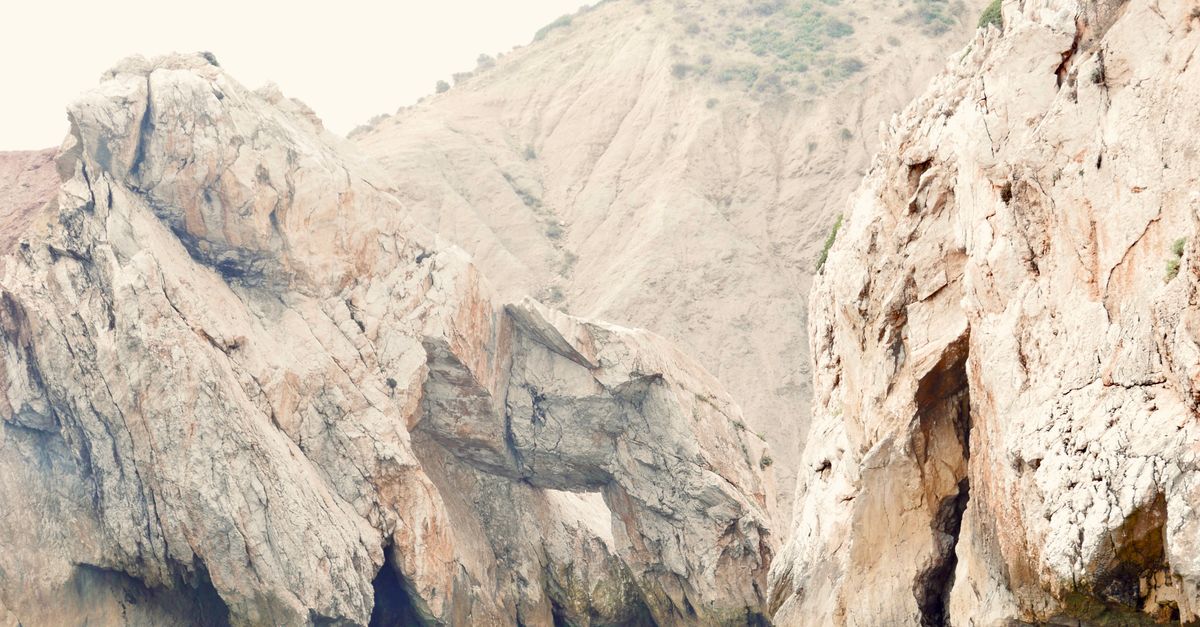
For outdoor enthusiasts, eco-travelers, and hikers, staying inside or directly adjacent to Al Hoceima National Park provides an entirely different perspective on the region. Covering both terrestrial hills and marine preserves, the park is home to secluded gravel coves, olive groves, and dramatic limestone cliffs inhabited by ospreys.
Rural Gites & Eco-Lodges
Small, locally operated guesthouses (gîtes d'étape) are scattered near villages like Bades, Torres de Alcalá, and Rouadi. These stays offer simple, clean accommodation with home-cooked Rifian meals prepared using local olive oil, fresh flatbreads, and wild herbs.
Staying in these areas allows immediate access to coastal hiking trails, remote pebble beaches like Plage Badis (facing the Spanish-administered fortress island of Peñón de Vélez de la Gomera), and quiet starry nights completely removed from urban light pollution.
Practical Travel Planning & Seasonal Considerations
Best Time to Visit
The choice of when to stay in Al Hoceima heavily dictates your accommodation experience:
- Peak Summer (July – August): Warm sea temperatures, bustling nightlife, maximum dining options. However, accommodation prices peak, advance booking is mandatory, and popular beaches are crowded.
- Shoulder Seasons (May – June & September – October): Ideal visiting window. The sea remains warm enough for swimming in early autumn, temperatures are pleasant for hiking, hotel rates fall by 30–50%, and availability is excellent.
- Winter (November – April): Very quiet and calm. Perfect for nature lovers and tranquil coastal road trips, though some beach-focused businesses close temporarily.
Getting Around Al Hoceima
While central Al Hoceima is walkable on foot, reaching outer beaches like Cala Bonita, Tala Youssef, or national park trailheads requires transportation.
- Petit Taxis: Small blue taxis operate strictly within urban city limits. They operate on meters or set fixed small fares for short urban hops.
- Grand Taxis: Larger shared vehicles connect the central taxi station to nearby towns like Ajdir, Imzouren, and surrounding beach bays.
- Car Rental: Highly recommended if you intend to explore multiple coves along the Mediterranean highway or stay in self-catering units outside the city center.
Local Dining & Fresh Seafood Expectations
When staying in Al Hoceima, dining is intrinsically linked to the sea. The local fishing fleet returns to the port every afternoon, making this one of the finest places in Morocco to eat fresh Mediterranean seafood.
Must-Try Culinary Experiences
- Tagine d'Espadon (Swordfish Tagine): Swordfish cooked with fresh tomatoes, bell peppers, garlic, olive oil, and chermoula (a marinade of parsley, cilantro, cumin, paprika, and lemon juice). This dish represents the iconic regional blend of Mediterranean marine harvest and traditional Moroccan earthenware cooking, available primarily at harbor seafood restaurants during lunch and evening dining hours.
- Port Fish Platter: Located right near the harbor docks, simple casual eateries grill or fry the day's fresh catch—sardines, sea bream, red mullet, and calamari—served simply with lemon, fries, and Moroccan salad.
- Rifian Olive Oil & Honey: Breakfasts at local guesthouses and hotels frequently feature rich, locally pressed dark olive oil, wild mountain honey, fresh goat cheese, and traditional flatbreads (harcha and rghaif).
Making Your Final Accommodation Decision
To choose the right place to stay in Al Hoceima, match your choice to your primary vacation focus:
- Choose a Quemado beachfront hotel if you want direct ocean access, water sports, and convenience without driving.
- Choose a city center hotel or apartment if you enjoy evening strolls, varied local dining, market shopping, and lower mid-range prices.
- Choose a Cala Bonita or Tala Youssef stay if you are traveling with family and want modern amenities and calmer residential environments.
- Choose an eco-guesthouse near the National Park if you want peaceful nature walks, remote coves, coastal hiking, and authentic rural hospitality.
