
Choosing where to stay in Chefchaouen requires balancing atmospheric charm with physical practicality. Unlike flat medinas found in cities like Marrakech or Fez, Chefchaouen is built directly onto the steep slopes of the Rif Mountains. A guesthouse that looks mere steps from the central plaza on a map might actually involve climbing dozens of slick stone stairs with heavy luggage.
Whether you are seeking a traditional blue-painted guesthouse (dar or riad) in the upper alleyways, a boutique retreat with sweeping mountain views, or a quiet hotel with easy street access, this guide details the distinct zones of Chefchaouen to help you select the ideal stay for your travel style.

Understanding Chefchaouen's Geography and Accommodation Layout
Chefchaouen is divided primarily into two accommodation zones: the historic old town (Medina) and the modern town (Ville Nouvelle), alongside a few rural lodges scattered along the surrounding mountain ridges. Understanding how these areas connect is crucial before making a reservation.
- The Historic Medina: Car-free, painted in striking shades of blue, and rich in historical character. Almost all traditional guesthouses (dars) are located here. Expect stairs, narrow alleys, and foot traffic.
- Ville Nouvelle (New Town): Located downhill west and south of the medina. It features modern road access, contemporary hotels, taxis right to the door, and flatter terrain.
- Mountain Outskirts: Located higher up the hills above the medina. These properties offer tranquil settings, expansive terrace views, and parking, but require a taxi or a long uphill walk to reach town.
1. Upper Medina (Ras El Maa Area): Mountain Breezes and Serene Mornings
The upper eastern section of the medina towards the natural spring of Ras El Maa is widely considered the most picturesque and peaceful district in town. Because day-trippers generally stick to the central plaza, the upper alleyways stay surprisingly quiet, especially during the early mornings and evenings.

Why Stay in the Upper Medina?
Properties here often border the edge of the medina, providing unobstructed views across the valley toward the Spanish Mosque perched on the opposing hill. You are just steps away from the hiking trail leading up to the mosque for sunset, as well as the fresh mountain water streams of Ras El Maa.
Who Is It Best For?
Ideal for couples, photographers, and independent travelers who prioritize tranquil surroundings, scenic rooftop terraces, and immediate access to nature hikes over transport convenience.
Practical Considerations
This is the steepest part of the old town. Taxis cannot enter the medina, meaning you will need to walk uphill along cobbled streets and staircases from the nearest drop-off point (such as Bab El Onsar). If traveling with heavy wheeled bags, hiring a local porter with a handcart (karro) at the city gate is essential.
2. Lower Medina & Outskirts: Easy Access and No-Stairs Convenience
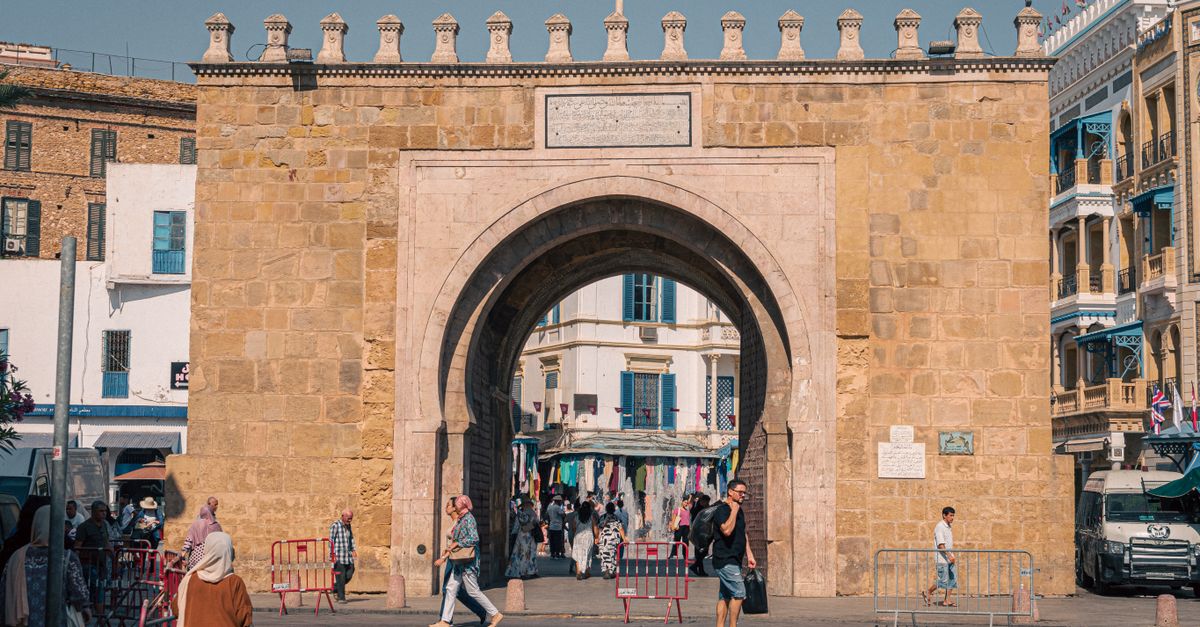
The lower medina sits near the main entrance gates, particularly around Bab El Ain and Outa El Hammam Square. Staying in this section places you near the vibrant heart of the town, surrounded by street cafes, artisan shops, and historic sights like the Kasbah.
Why Stay in the Lower Medina?
The primary advantage here is accessibility. The gradient is much flatter compared to the upper neighborhood, meaning significantly less uphill walking with luggage. It is far easier to slip out for evening dinners at the plaza or catch an early morning grand taxi or bus without navigating long flights of stairs.
Who Is It Best For?
Recommended for travelers with mobility concerns, families traveling with young children or strollers, and short-stay visitors who want quick access to transit hubs and central dining options.
Practical Considerations
Because Outa El Hammam Square is the primary gathering space for tour groups and locals, properties located directly on or immediately adjacent to the plaza can remain noisy until late at night. To enjoy convenience without the noise, select a guesthouse hidden two or three alleyways back from the main square.
3. Outskirts and Rif Mountain Slopes: Panoramic Retreats
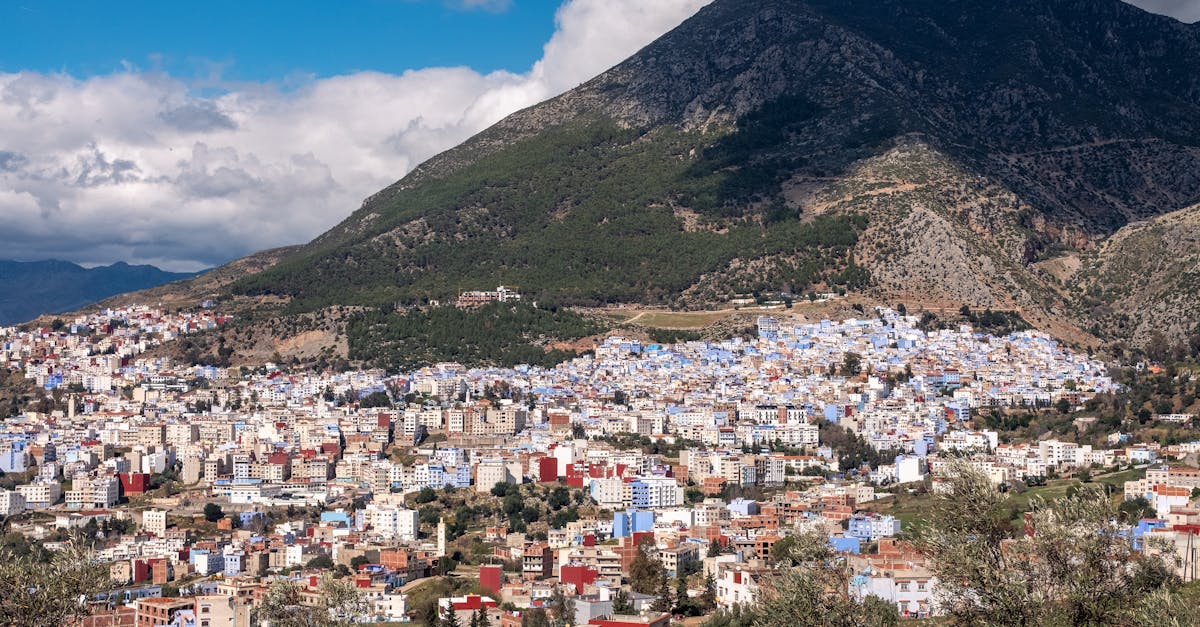
If you prefer standard modern hotel amenities, swimming pools, private parking, or sheer quiet away from tour groups, look to the hills surrounding Chefchaouen. Properties perched on the mountainside outside the medina wall offer expansive panoramas of the entire blue city spilling across the valley floor.
Why Stay on the Outskirts?
In addition to spacious grounds, these lodges and hotel resorts often feature amenities rarely found inside historic medina homes, such as air-conditioned modern rooms, on-site parking garages, and outdoor swimming pools—a major bonus during hot summer months.
Who Is It Best For?
Great for travelers touring Morocco by rental car, families looking for swimming facilities, or visitors planning extended stays focused on relaxing and hiking in Talassemtane National Park.
Practical Considerations
You will be reliant on local petit taxis to reach the medina gates. While taxis are inexpensive, returning late at night requires planning, as fewer taxis operate on the upper mountain roads late in the evening.
Navigating Practicalities: Luggage, Stairs, and Arrival Details
Staying in Chefchaouen’s historic core requires a bit of logistical preparation. Understanding these practical details before arrival will prevent common travel headaches:
- Transport Arrival: Long-distance buses (like CTM) and grand taxis arrive at stations located in the lower Ville Nouvelle. From the station, take a blue petit taxi to the medina gate nearest your accommodation (e.g., Bab El Ain, Bab Souk, or Bab El Onsar).
- Medina Porters: Porters with blue metal handcarts operate at major medina gates. If your guesthouse is situated deep in the upper medina, paying a small fee to a porter for luggage transport is well worth the investment.
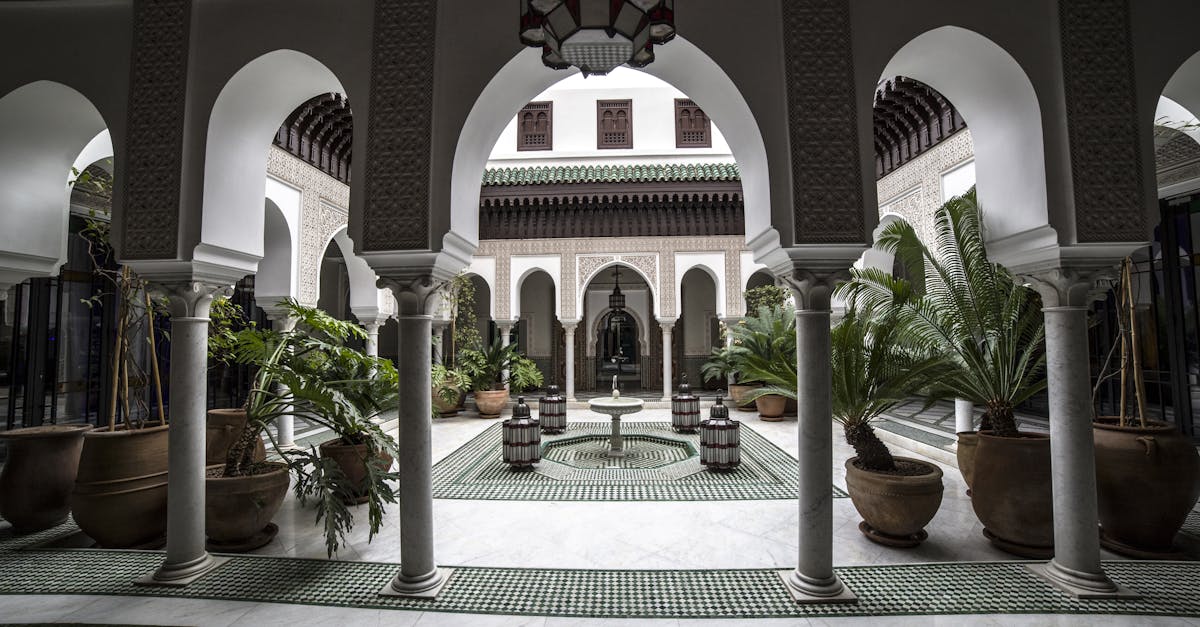
- Building Architecture: Chefchaouen's traditional dars are vertically built structure homes. Rooms are distributed across three or four floors around a central interior lightwell, typically connected by narrow, steep stairways with no elevators.
- Heating and Cooling: Mountain nights in the Rif region can be surprisingly chilly between November and March. Ensure your choice of accommodation includes working reverse-cycle air conditioning or supplemental heating units during winter months.
Local Etiquette, Food, and Regional Culture
Chefchaouen maintains a distinct cultural rhythm deeply tied to Andalusian influences and its surrounding Amazigh (Berber) heritage. The pace of daily life is slower here than in larger imperial cities.
Photography Guidelines
The iconic blue backdrops make Chefchaouen highly popular for photography. Always ask permission before photographing residents, particularly elderly locals and shopkeepers in residential alleys. Respect private doorways; many blue staircases belong to private homes where families live.
Regional Culinary Highlights
While staying in a local guesthouse, sample authentic Northern Moroccan dishes that reflect the Rif region's agricultural traditions:
- Jben: A fresh, creamy goat cheese traditional to the Rif Mountains. Made from fresh goat milk and curdled naturally, it is wrapped in woven palm leaves and traditionally served at breakfast or as a side with bread and local olive oil. Visitors find it served daily on medina guesthouse breakfast terraces and sold by rural women in the central street markets.
- Bissara: A rich, thick soup made from slow-simmered dried fava beans (or split peas), blended smoothly with garlic, olive oil, and ground cumin. It is traditionally eaten hot for breakfast or lunch during winter and cold mountain mornings, served with fresh crusty bread at simple local eateries near Bab El Ain.
- Rifi Goat Tagine: Unlike the sweet tagines of southern Morocco, Rif tagines emphasize savory mountain flavors, slow-cooking local goat meat or chicken with wild herbs, olive oil, garlic, and locally harvested green olives or prunes. Found at traditional medina restaurants around Place Outa El Hammam during lunch and dinner.
Essential Tips for Choosing the Right Accommodation
To summarize your options and help narrow down your final choice, consider these core planning guidelines:
- For Views & Quiet: Book a small guesthouse in the Upper Medina (near Ras El Maa) with a confirmed rooftop terrace facing east toward the mountains.
- For Light Packing & Short Trips: Select a dar situated in the Lower Medina (near Bab El Ain) to limit street climbing and simplify arrival and departure.
- For Drivers & Amenities: Book a hotel or lodge located in the Ville Nouvelle or Hillside Outskirts for designated parking and swimming pool access.
- Payment Realities: Many small guesthouses inside the medina operate on a cash-preferred or cash-only basis upon check-in for local taxes and extras. Carry sufficient Moroccan Dirhams (MAD), as ATMs near the medina gates occasionally run out of cash during busy weekends.
By matching your choice of accommodation to your mobility preferences, luggage setup, and desired daily activities, you can ensure a seamless and comfortable stay in Morocco's famous blue town.
