
Selecting where to stay in Taghazout depends heavily on the type of experience you want from this former fishing village turned North African surf capital. Located roughly 20 kilometers north of Agadir on Morocco’s Atlantic coast, Taghazout has evolved rapidly over the past decade. Once a quiet enclave popular exclusively with backpackers and nomadic surfers, it now offers accommodation ranging from budget surf camps and digital nomad co-living spaces to stylish boutique guest houses and sprawling, high-end beach resorts.
Because the coastline is geographically varied, choosing the right neighborhood and accommodation style dictates your access to wave spots, quiet beaches, dining options, and night social scenes. This guide breaks down the primary accommodation zones in Taghazout, compares the major accommodation types, and provides practical advice on planning your coastal Moroccan stay.
Understanding Taghazout’s Layout and Neighborhoods
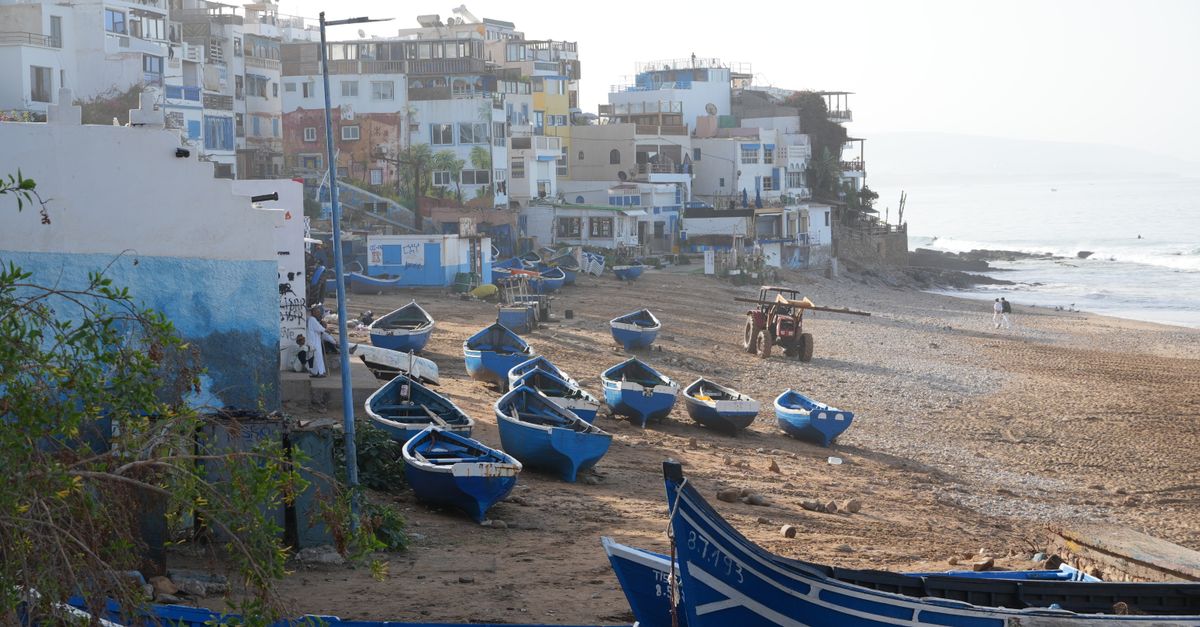
The Taghazout coastal area is effectively split into three main zones: Taghazout Village proper, Tamraght and Aourir to the south, and the newly developed Taghazout Bay resort zone. Understanding these distinct zones helps narrow down where you should base yourself.
- Taghazout Village (The Core): The original village is built directly on the cliffside overlooking small sandy coves. It features narrow pedestrian alleyways, steep staircases, surf shops, rooftop cafes, and small markets. Stay here if you want to be steps from Hash Point and Anchor Point, enjoy walking everywhere, and prefer a lively, social atmosphere. Note that car parking inside the village core is virtually non-existent; you will park on the periphery and walk in.
- Taghazout Bay (Resort & Master-Planned Zone): Located just south of the village proper, Taghazout Bay is a purpose-built tourism complex featuring international five-star resorts, an 18-hole golf course, wide paved walkways, and modern amenities. It offers direct access to a long stretch of flat beach. This area is ideal for families, couples seeking resort comfort, and travelers wanting international luxury standards away from village congestion.
- Tamraght & Banana Village (Aourir): Positioned 3 to 5 kilometers south of Taghazout, Tamraght sits slightly back on the hillside facing spots like Banana Point, Crocro, and Devil’s Rock. It is quieter, slightly less expensive, and highly popular for multi-week surf camps and digital nomads looking for a relaxed residential neighborhood feel.
Option 1: Surf Hostels & Social Co-Living Hubs
Surf hostels are the bedrock of Taghazout’s hospitality landscape. They cater primarily to solo travelers, budget surf enthusiasts, and digital nomads seeking built-in community. Most operate as hybrid stays, offering dormitory beds alongside private rooms with shared or private bathrooms.

What to Expect
Surf hostels in Taghazout usually occupy multi-story village houses converted into communal living spaces. Their defining feature is almost always a multi-tiered rooftop terrace facing the ocean, which serves as a venue for daily communal breakfasts, sunset drinks, yoga sessions, and social dinners. Many surf hostels double as active surf camps, offering all-inclusive packages that bundle accommodation, breakfast, evening meals, daily equipment rentals, and guided transport to coastal breaks.
Who It Is Best For
- Solo travelers looking to meet fellow companions easily.
- Beginner to intermediate surfers wanting structured lessons and guided daily trips.
- Remote workers needing organized Wi-Fi workspaces combined with social evening activities.
Practical Considerations
Noise levels in central village hostels can be higher, especially on weekend evenings. Sound travels easily through tile-lined Moroccan structures. If sleep quality is a high priority, ask for a room on a lower floor away from the rooftop common areas or opt for a private room in a smaller hostel. Additionally, confirm workspace setups and internet speeds directly with property managers before booking if you plan to work remotely full-time.
Option 2: Boutique Hotels & Riad-Style Guest Houses
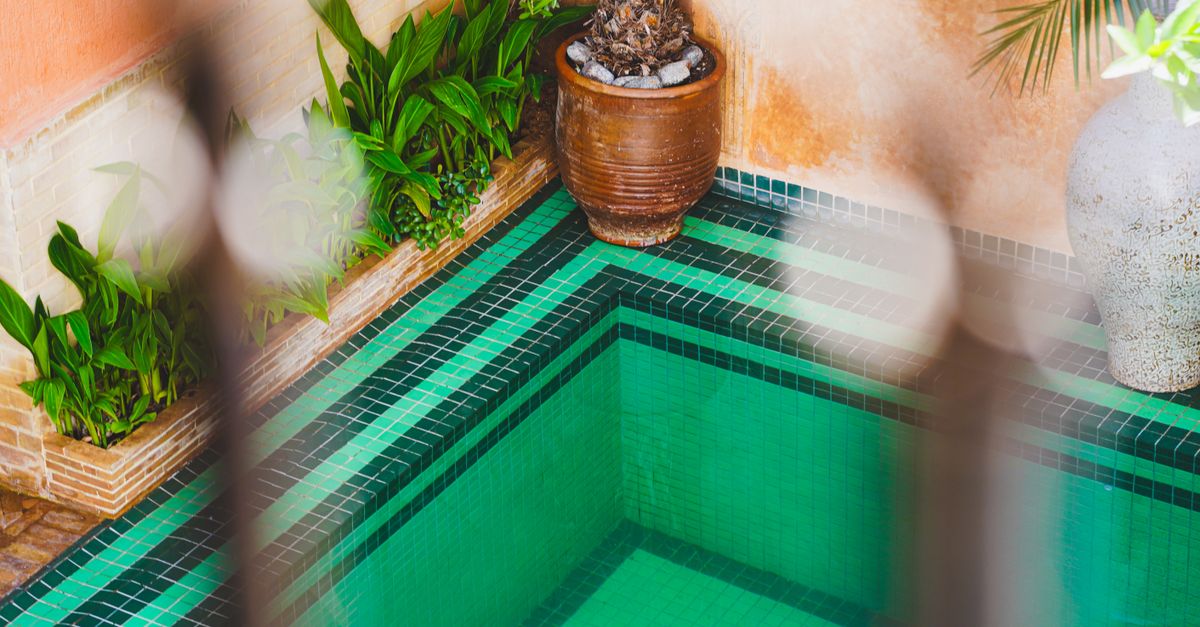
In recent years, local and international hoteliers have converted traditional homes into upscale boutique guest houses and boho-chic hotels. These properties blend traditional Moroccan craftsmanship—such as zellige tilework, mezza-style plaster molding, and local cedarwood—with Scandinavian and mid-century coastal design.
What to Expect
Boutique hotels in Taghazout offer individual service, curated interior design, plunge pools, high-grade bedding, and quiet rooftop lounging spaces. Unlike large resorts, they retain an intimate, local feel. Many feature on-site cafes focused on farm-to-table cuisine, organic smoothie bowls, and specialized coffee. Breakfast is typically included and served fresh on the roof terrace daily.
Who It Is Best For
- Couples seeking a romantic, stylish retreat.
- Travelers who want local architectural charm combined with elevated modern comfort.
- Experienced surfers who prefer flexible days without the rigid schedule of a surf camp package.
Practical Considerations
Because these properties are often located within the pedestrian alleys of Taghazout Village or upper Tamraght, accessibility can require navigating steep flights of stairs. Guests with mobility challenges should request ground-floor rooms or verify property layout beforehand. Parking may require a 5- to 10-minute walk from public parking lots located along the main road.
Option 3: Self-Catering Apartments & Long-Term Rentals
For visitors staying longer than a week, self-catering apartments provide independence, space, and economic value. The supply of modern apartments has increased significantly across Taghazout Village and Tamraght.
What to Expect
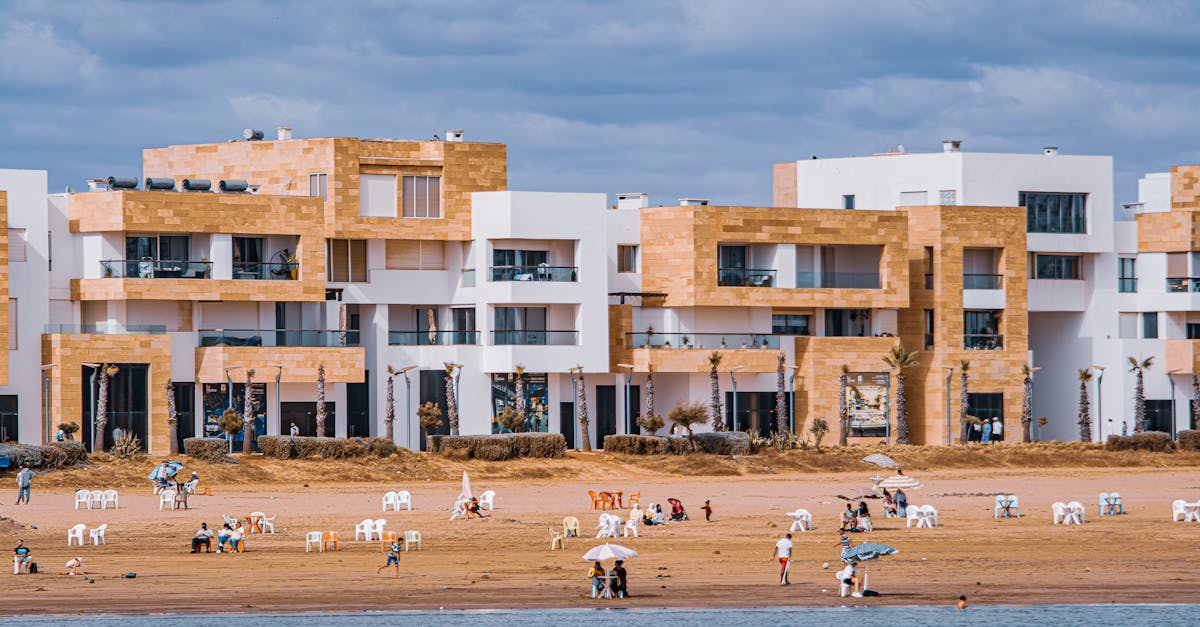
Apartments range from simple studio flats in traditional village buildings to luxury three-bedroom condos with private balconies and ocean panoramas in modern developments. Basic amenities usually include a kitchenette or full kitchen, private bathroom, washing machine, and small lounge space. Many rentals offer access to shared building rooftops.
Who It Is Best For
- Families needing multiple bedrooms and cooking facilities.
- Groups of friends traveling together to share lodging expenses.
- Digital nomads and long-term visitors spending several weeks or months in the region.
Practical Considerations
Infrastructure varies significantly between properties. Ensure the listing explicitly verifies warm water capacity (some small gas water heaters yield brief showers) and dedicated high-speed internet. Cooking facilities allow you to utilize local produce from nearby weekly markets (souks), though basic groceries can easily be picked up from local village shops (hanouts).
Option 4: Luxury Beach Resorts & Eco-Lodges
The establishment of the Taghazout Bay master plan brought top-tier international hospitality brands to the region. Located along the shoreline just south of Taghazout Village, these properties offer complete, self-contained vacation environments.

What to Expect
Luxury resorts here typically offer extensive beachfront access, multiple climate-controlled swimming pools, full-service spas with traditional hammams, fitness centers, and diverse fine-dining venues. Architectural layouts are low-density and eco-conscious, designed to blend naturally into the arid coastal landscape. Room configurations range from standard deluxe rooms to multi-room private beach villas with plunge pools.
Who It Is Best For
- Families desiring dedicated kids' clubs, secure play areas, and shallow pools.
- Travelers seeking full-service amenities, room service, and structured wellness programs.
- Golfers wishing to stay adjacent to the 18-hole Tazegzout Golf Course.
Practical Considerations
While resort stays provide high comfort, they offer a somewhat insulated experience removed from authentic local street life. Walking from the resort zone into Taghazout Village takes approximately 20 to 30 minutes along the paved coastal promenade, though taxis and private drivers are readily available at hotel entrances.
Comparing Your Accommodation Options
| Accommodation Type | Primary Location | Typical Vibe | Best For |
|---|---|---|---|
| Surf Hostel / Co-Living | Taghazout Village, Tamraght | Social, energetic, informal | Solo travelers, beginner surfers, budget nomads |
| Boutique Hotel | Village cliffside, Upper Tamraght | Quiet, stylish, relaxed | Couples, design enthusiasts, flexible travelers |
| Self-Catering Apartment | Village periphery, Tamraght | Independent, practical, residential | Families, long-term stays, group travelers |
| Luxury Beach Resort | Taghazout Bay Development | Upscale, structured, full-service | Resort travelers, families, golfers, wellness trips |
Transportation: Getting to and Around Taghazout
Understanding regional transport makes moving between your accommodation, local beaches, and regional transit hubs straightforward.
Reaching Taghazout
- By Air: The nearest airport is Agadir–Al Massira Airport (AGA), located roughly 45 kilometers south. Pre-arranged private transfers directly to your hotel are recommended, particularly if arriving with surfboards or heavy luggage. Grand taxis are also readily available at the airport arrivals terminal.
- By Bus: Major intercity bus operators (such as CTM and Supratours) run frequent daily services from Marrakech and Casablanca into Agadir’s central bus station (Gare Routière). From Agadir station, you can catch a local taxi or ride-share directly to Taghazout.
Getting Around Locally
If staying within Taghazout Village, walking is the primary way to move around. The village is compact and entirely pedestrianized in its core. To travel between Taghazout Village, Tamraght, and nearby beaches, several options exist:
- Shared Taxis (Grand Taxis): These operate along the N1 coastal road connecting Agadir, Aourir, Tamraght, and Taghazout. They are inexpensive and frequent, making them ideal for budget-conscious travelers moving between villages.
- Rental Cars: Renting a vehicle provides ultimate flexibility if you intend to explore northern surf breaks (such as Boilers, Dracula's, or Imsouane) independently. Parking facilities are situated at the northern and southern entrances of Taghazout Village and at resort properties in Taghazout Bay.
- Local Buses: Public buses (such as ALSA line 32 or 33) run along the main coastal highway, connecting Agadir to Taghazout at economical rates, though schedules are less precise than taxis.
Cultural Context & Responsible Tourism
Taghazout remains an authentic Amazigh (Berber) fishing community with deep-rooted traditions alongside its evolving tourism sector. Respecting local cultural norms helps foster positive connections with local residents.
- Dress Standards: On the immediate beaches, in surf schools, and inside resort grounds, swimwear is completely acceptable. When walking through village streets, visiting local markets, or dining in neighborhood cafes, wearing casual clothing that covers shoulders and knees is appreciated.
- Alcohol Availability: Alcohol is not sold in local grocery shops or traditional cafes within Taghazout Village. Dedicated resort bars, specialized hotel restaurants, and select Western-style venues hold licenses to serve alcoholic drinks. Visitors purchasing alcohol in Agadir’s major supermarkets should consume it discreetly on private balconies or within licensed venues.
- Water Conservation: The Souss-Massa region regularly faces dry conditions. Practicing water conservation across all accommodations—such as keeping showers brief and reusing towels—helps reduce environmental impact on local supplies.
- Local Currency & Payments: While resorts and established boutique hotels accept credit cards, local eateries, surf shops, traditional markets, and taxis operate strictly in cash (Moroccan Dirham - MAD). ATMs exist in Taghazout Village, but carrying backup cash from Agadir is advised as local machines can occasionally run out during high weekend traffic.
Local Culinary Culture: What to Eat Near Your Stay
Dining in Taghazout reflects its dual identity as an authentic Souss-Massa fishing hub and a coastal surf center. Food experiences generally split between traditional Moroccan fare and international health food cafes.
- Amlou: A signature nutty spread native to the Souss region, crafted from toasted almonds, culinary argan oil, and wild floral honey. It is served fresh during morning breakfast at local guest houses alongside warm msemen (flaky layered flatbread) or beghrir (semolina honeycomb pancakes). You will find it served widely across village breakfast spots and family-run pensions.
- Grilled Sardines & Catch of the Day: Freshly caught sardines, sea bass, and bream seasoned with chermoula (a marinade of garlic, coriander, cumin, lemon, and olive oil). Typically served with flatbread, hot harissa sauce, and Moroccan tomato-cucumber salad. Visitors can enjoy this dish at beachfront grill stalls and informal fish shops near Taghazout beach during lunchtime.
- Souss-Style Berber Tagine: Slow-cooked stew prepared in an earthenware clay pot over charcoal. Common regional variations include goat meat with prunes, lamb with seasonal vegetables, or fresh fish tagine cooked with sliced tomatoes, bell peppers, and preserved lemon. Served as a main meal for lunch or dinner in traditional village restaurants and roadside eateries in nearby Aourir.
Key Attractions & Nearby Excursions
Beyond the local beaches, Taghazout serves as an excellent springboard for day trips across the Souss-Massa coastline and the western Anti-Atlas mountains.
- Paradise Valley (Tamraght River Gorge): A scenic river gorge nestled in the foothills of the High Atlas, known for natural palm groves, rock pools, and limestone canyon formations. Located roughly 30 kilometers east of Taghazout (a 40-minute drive). It is best visited in late winter or spring when water levels are highest. Suitable for families and active walkers, though stepping over uneven rocks requires sturdy shoes. Visitors can hire a local driver or take a guided half-day excursion.
- Imsouane Bay: A world-famous long right-hand point break situated 60 kilometers north of Taghazout along the N1 coastal highway (about a 1.5-hour drive). Known for offering one of the longest surfable rides in Africa, it is ideal for longboarders and intermediate surfers. A full-day trip usually includes surfing Magic Bay followed by a fresh seafood lunch directly at the harbor fish market.
- Aourir (Banana Village Market): Located just 7 kilometers south of Taghazout, Aourir is known for its banana plantations and vibrant Wednesday street market (Souk). Visiting the souk provides an opportunity to purchase local spices, argan products, fresh fruits, and traditional ceramics away from major tourist centers.
Choosing the Right Stay for Your Trip
To finalize your decision on where to stay in Taghazout, align your hotel pick with your primary travel objective:
If your goal is daily surf coaching, high social energy, and lower costs, book a reputable surf camp or hostel in central Taghazout or Tamraght. If you want quiet atmosphere, architectural aesthetics, and coastal leisure, choose a boutique guest house overlooking the village cove. Families and luxury travelers prioritizing full amenities, dedicated pools, and seamless international comfort should reserve a property in Taghazout Bay. Long-term visitors will get the best overall value by securing a self-catering oceanfront apartment in quiet upper village zones.
