
Where to Stay in Essaouira: Medina Riads, Beach Hotels, and Oceanfront Guesthouses
Choosing where to stay in Essaouira fundamentally shapes your experience of Morocco’s breezy Atlantic coast. Unlike Marrakech, where accommodation choice often boils down to staying inside or outside the high city walls, Essaouira offers a nuanced gradient: UNESCO-protected medina riads rich with historic carved wood, sweeping beachfront resorts catering to windsurfers, and tranquil countryside guesthouses surrounded by argan groves. Deciding on the right neighborhood depends on whether you prioritize immediate access to bustling artisan markets, direct beach frontage, or total sanctuary from the wind.
This guide breaks down Essaouira’s primary accommodation zones, explains the trade-offs of each property style, and delivers practical insights to help you choose the ideal base for your travel style and budget.

Understanding Essaouira's Distinct Accommodation Zones
Essaouira is compact, walkable, and distinctly divided into three major stay regions. Understanding the character of each zone helps eliminate booking mistakes before you arrive.
- The Old Medina (Historic Center): Best for first-time visitors, cultural immersion, and walking everywhere. It features narrow, pedestrianized alleys filled with restored 18th-century riads and dars (traditional courtyard houses).
- The Beachfront Promenade (Boulevard Mohamed V): Best for families, beach lovers, kitesurfers, and travelers seeking modern hotel amenities like private swimming pools, elevators, and on-site parking.
- Outlying Rural Belts (Diabat, Ghazoua, & Sidi Kaouki): Best for long-term travelers, surfers, and eco-minded visitors seeking quiet retreats away from urban noise.
Staying in the Medina: Traditional Riads and Historic Charm
The medina of Essaouira differs from Marrakech or Fes. Built on a grid pattern designed by French architect Théodore Cornut in the 18th century, its main streets are remarkably straightforward to navigate. However, the residential side alleys (derbs) remain a maze of whitewashed walls and bright blue shuttered windows.
Why Choose a Medina Riad?
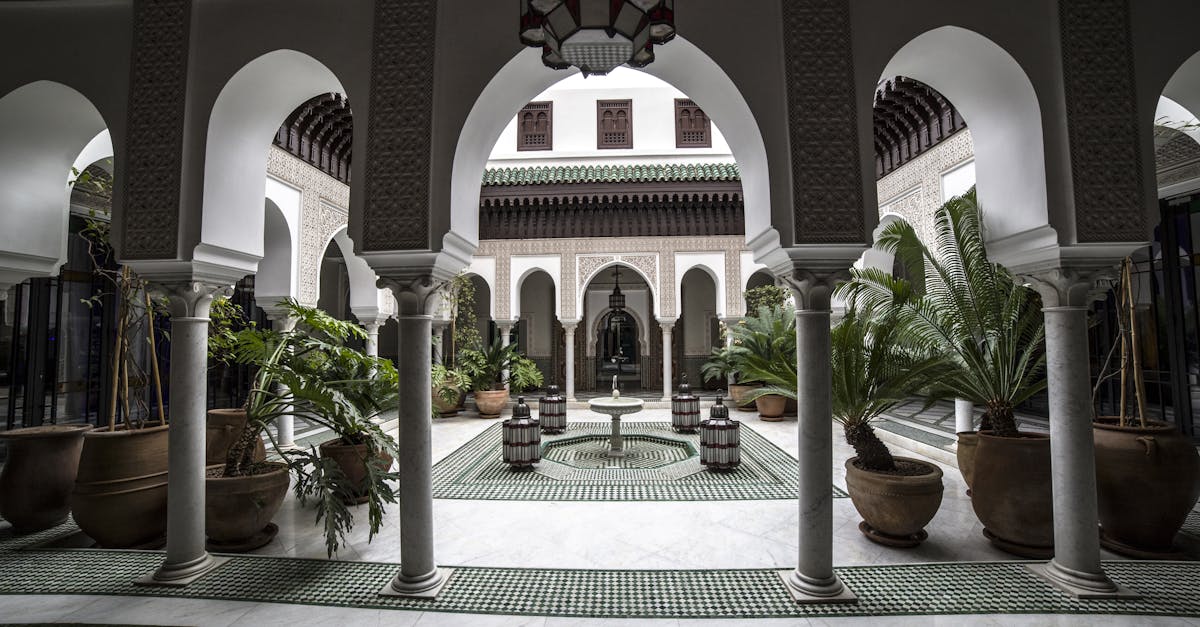
Riad stays provide an authentic architectural connection to coastal Moroccan history. Most properties are built inward around an open courtyard, protecting guest rooms from the notorious Atlantic winds (known locally as the Alizé). Rooftop terraces are standard, offering views across the stone ramparts and over the ocean waves.
Medina Considerations & Trade-Offs
While atmospheric, staying in the medina presents specific practical realities:
- Vehicle Access: The medina is entirely pedestrianized. Taxis cannot drive you to your doorstep. Luggage must be transported from the main gates (Bab Sbaa or Bab Marrakech) via baggage porters using wheeled carts (typically 20 to 30 MAD per load).
- Noise Dynamics: Properties near the main thoroughfares (Avenue de l'Istiqlal or Avenue Mohamed Zerktouni) hear morning market activity and late evening diners. For quietness, choose riads located deeper in residential side streets.
- Stairs and Accessibility: Traditional multi-story riads rarely have elevators. Steep, narrow stone staircases are common, making them challenging for travelers with limited mobility.
Along the Boulevard: Beachfront Hotels and Ocean Views
Stretching south from the port along Boulevard Mohamed V is Essaouira’s modern oceanfront strip. Here, historic architectural restrictions yield to contemporary mid-rise hotels, apartment rentals, and luxury resorts.
Why Choose a Beachfront Hotel?
Beach hotels offer conveniences rarely found inside historic medina buildings: large outdoor swimming pools, international dining, direct beach access, air conditioning, elevator access, and dedicated parking spaces. If you plan to rent a car or spend your days windsurfing and paddleboarding, staying along the strip eliminates logistics hassles.
Beachfront Considerations & Trade-Offs
The primary compromise is atmosphere. While comfortable and accessible, modern coastal hotels lack the unique handcrafted architectural details found in medina riads. Additionally, the beachfront promenade is exposed directly to wind and blowing sand during peak summer months (July and August), making outdoor pool lounging chilly on breezy afternoons.

Outside the Ramparts: Countryside Retreats and Eco-Lodges in Diabat & Sidi Kaouki
If you prefer open landscapes, quiet nights, and proximity to nature, rural retreats south of Essaouira offer a compelling alternative.
Diabat and Ghazoua
Located just 5 to 10 minutes south of the city by taxi, the villages of Diabat and Ghazoua offer spacious eco-lodges, bed-and-breakfasts, and villa rentals. Diabat overlooks the ruins of Dar Sultan and the coastal estuary, making it popular with horseback riders and golfers playing at the nearby Gary Player-designed course. Ghazoua provides sheltered rural guesthouses set among argan trees, safe from harsh beach winds.
Sidi Kaouki
Situated roughly 25 kilometers south of Essaouira, Sidi Kaouki is a laid-back surfing village centered around a sprawling sand beach and a historic shrine. Accommodations here consist mainly of budget surf hostels, relaxed guest houses, and minimalist boutique stays. It is ideal for travelers focused primarily on surfing, yoga, and quiet coastal walking, though you will need a rental car or reliance on grand taxis to visit downtown Essaouira regularly.

Practical Considerations Before Booking Accommodation in Essaouira
To ensure a smooth stay, consider these operational realities specific to accommodation in Essaouira:
1. Moisture and Coastal Humidity
Because Essaouira is surrounded by sea air, salt dampness is a persistent challenge for buildings. High-end riads use specialized plaster (tadelakt) and heating systems to keep rooms dry and fresh. Budget options, particularly low-level ground floor rooms with minimal airflow, can sometimes feel damp. When reading reviews, check for feedback regarding room ventilation and heating.
2. The Wind Factor (Alizé)
Essaouira is rightfully nicknamed the "Wind City of Africa." The strong trade winds blow consistently from spring through late summer. If sunbathing on a open rooftop or beside an outdoor pool is central to your holiday, look for riads with glass-screened rooftop terraces or internal enclosed courtyards.
3. Heating and Seasonal Weather
Moroccan coastal winter nights (November through March) can be surprisingly cool, with temperatures dropping near 10°C (50°F). Traditional riads are engineered to stay cool during hot summers, which means they hold cold air in winter. Verify that your prospective property offers functional heating, hot water systems, or working fireplaces in bedrooms if traveling during cooler months.
4. Payment & Cash Realities
While larger beachfront hotels accept major international credit cards without issue, smaller medina riads and rural guesthouses frequently prefer cash payments (Moroccan Dirham) for balance payments, local tourist taxes, and on-site dining services. Ensure you confirm payment method requirements with your host prior to arrival.

Local Etiquette & Living Culture
Staying in a medina riad means living directly alongside local families in a residential neighborhood. Keeping a few cultural norms in mind ensures a positive experience for both guests and local residents:
- Respectful Attire in Alleys: While beachwear is standard on the oceanfront sand, cover shoulders and knees when walking through residential medina alleys and traditional market streets.
- Rooftop Privacy: Medina rooftops overlook private family courtyards and terraces where locals dry laundry and socialise. Be mindful of privacy when photographing from high viewpoints.
- Noise Control: Sounds carry easily across open riad courtyards. Keep noise levels low during early mornings and late evenings out of respect for neighboring households.
Selecting the Right Accommodation for Your Travel Style
To help simplify your choice, match your travel goals with these tailored recommendations:
- For First-Time Visitors & Couples: Choose a restored mid-range or boutique riad in the central or northern medina (near Bab Doukkala or Suq el Jdid). You'll enjoy walkable access to cafes, markets, and historic ramparts.
- For Active Families: Book a modern hotel along Boulevard Mohamed V. Access to swimming pools, elevators, and wide flat sidewalks makes managing strollers and children effortless.
- For Surfers and Digital Nomads: Pick a shared guesthouse or private apartment in Sidi Kaouki or the southern extension of the beach promenade for reliable access to surf breaks and beachside workspaces.
- For Long Stay & Wellness Travelers: Book a rural eco-lodge in Ghazoua offering garden space, homemade organic dining, and sheltered outdoor lounging away from ocean gusts.
By balancing location preferences with your expectations for amenities, wind protection, and mobility access, finding the right home base in Essaouira sets the stage for a relaxed, memorable coastal Moroccan escape.
